Brand Ambassador Programs for College Campuses: The Complete Guide
Brand ambassador programs for college campuses remain one of the most effective ways to reach the 18-to-24 demographic at scale. College students are in a critical period of brand formation, actively trying new products, and highly influenced by peer recommendations. A well-executed campus ambassador program creates brand advocates who influence thousands of peers during their time on campus and carry brand loyalty into their post-college purchasing behavior.
Why Campus Marketing Works
The Brand Formation Window
College is when most consumers establish brand preferences that persist for decades. The toothpaste, deodorant, snack brands, financial services, and technology products that students adopt during college often remain their defaults well into adulthood. Brands that build loyalty during this window earn disproportionate lifetime customer value.
Peer Influence Multiplier
Campus environments amplify word-of-mouth at a scale that few other settings can match. Students live, eat, study, and socialize in close proximity. A single brand ambassador's recommendation can reach hundreds of peers through natural social interactions, shared living spaces, and campus organizations. This organic amplification is far more credible and effective than paid advertising targeting the same demographic.
Concentrated Audiences
College campuses concentrate your target demographic in a defined geographic area. Rather than trying to reach 18-to-24 year olds across a metro area, you can engage thousands of them in a single campus visit. This concentration makes campus marketing one of the most cost-efficient channels for reaching young adults.
Designing Your Campus Ambassador Program
Program Structure Options
Peer ambassador model. Recruit current students as part-time brand ambassadors. They represent the brand within their existing social networks, host events in their dorms and organizations, and create content on their personal social channels. This model offers authenticity but requires significant management.
Professional ambassador model. Deploy trained professional brand ambassadors to campus for specific activations: sampling events, product launches, and experiential installations. This model offers polish and consistency but less organic peer integration.
Hybrid model. Combine both approaches. Use professional ambassadors for major campus events and maintain a team of student ambassadors for ongoing, organic brand presence. This is the approach that most large brands find most effective.
Recruitment Strategies
For student ambassadors, recruit through campus career centers, student organization partnerships, social media outreach, and referrals from existing ambassadors. Look for students who are naturally social, involved in campus life, and genuinely interested in your brand or category.
For professional ambassadors, work with a staffing agency that maintains talent pools in college markets. Air Fresh Marketing provides campus brand ambassadors in major college markets nationwide.
Training Program
Campus ambassadors need thorough training that covers:
- Product knowledge. Deep understanding of the product, its benefits, and how it fits the student lifestyle.
- Brand voice. How to talk about the brand authentically without sounding like a corporate spokesperson. Student audiences have zero tolerance for inauthentic marketing.
- Activation execution. How to set up and run sampling events, host tabling sessions, and manage campus logistics.
- Compliance. University policies, local regulations, and brand guidelines that govern campus marketing activities.
- Social media guidelines. What to post, how to tag, and what content is on-brand versus off-limits.
Campus Activation Formats
Sampling and Tabling Events
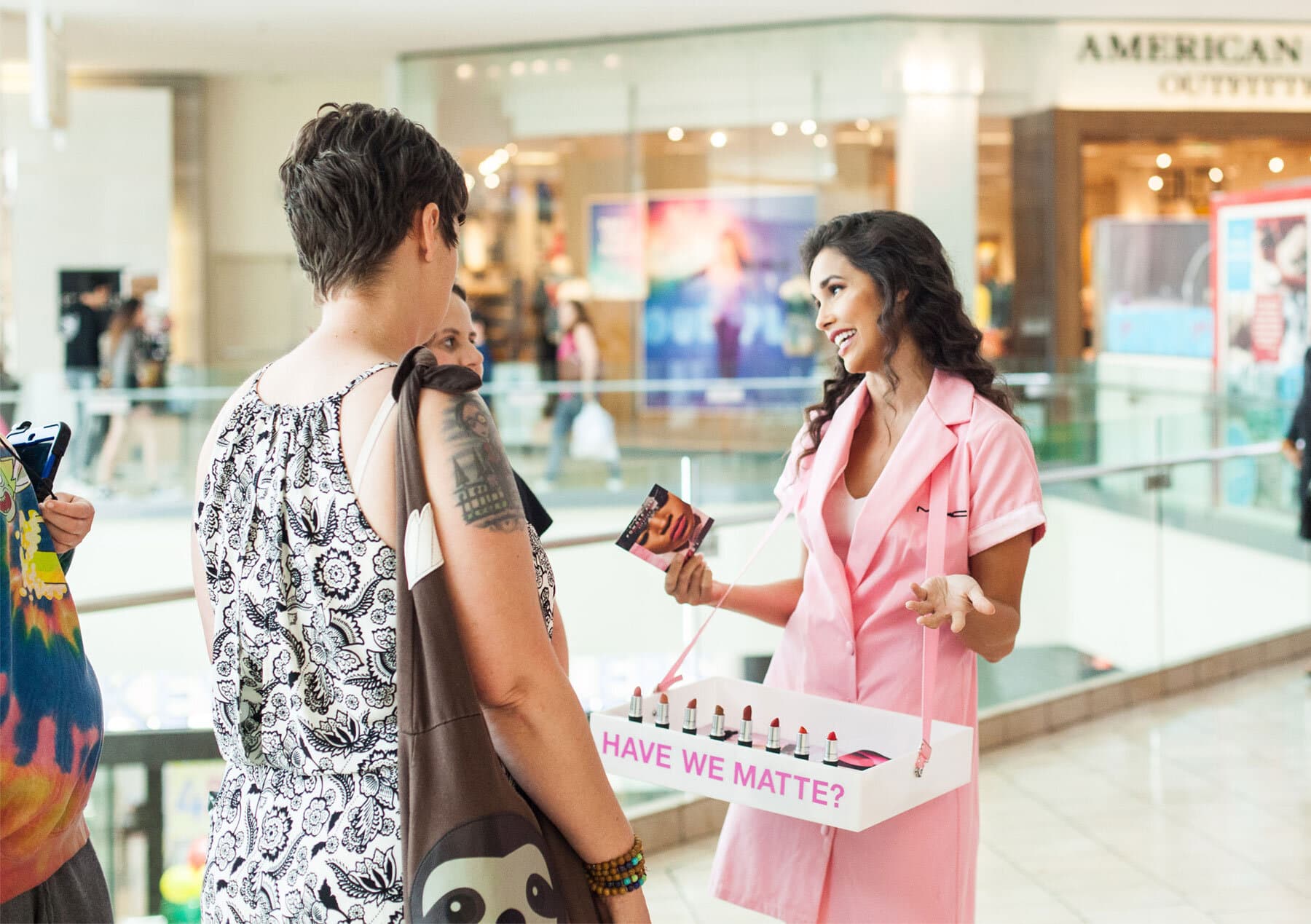
The most common campus activation. Set up a branded table or station in a high-traffic campus location and engage passing students with samples, demos, or information. The key is location: student unions, dining hall entrances, library plazas, and athletic facility corridors generate the highest foot traffic.
Sponsored Campus Events
Partner with student organizations to sponsor events like study breaks, intramural games, club meetings, or social events. Sponsorship provides a natural context for brand integration and access to engaged, receptive audiences.
Experiential Installations
For bigger budgets, create immersive brand experiences on campus. Pop-up installations, interactive games, photo opportunities, and technology demos draw crowds and generate social content. These activations require professional staffing and logistical support but create the most memorable brand impressions.
Dorm and Residence Life Programs
Partner with residence life departments to bring brand experiences directly to where students live. Move-in day welcome events, residence hall programs, and dorm room sampling reach students in their most comfortable environment.
Compliance and University Policies
Navigating Campus Rules
Every university has policies governing commercial activity on campus. These policies cover where you can set up, when you can activate, what products you can distribute, and whether you need permits or approvals. Some campuses are highly restrictive, while others are welcoming to brand activations.
Research each target campus's policies before planning activations. Many universities require vendors to register through student activities offices, pay fees, or obtain insurance certificates. Your event staffing agency should handle this coordination.
Age-Restricted Products
If your product is age-restricted, like alcohol, tobacco, or vaping products, campus marketing requires extra compliance measures. Many campuses prohibit marketing of age-restricted products entirely. For campuses that allow it, robust age verification procedures are mandatory.
Data Privacy
Student data privacy is governed by FERPA and other regulations. Ensure your data collection methods, consent processes, and data storage practices comply with all applicable privacy laws. This is especially important for email list building and app download campaigns.
Measuring Campus Program ROI
Quantitative Metrics
- Samples distributed. Total product trial generated.
- Sign-ups and leads. Email subscribers, app downloads, loyalty program enrollments.
- Social media metrics. Posts created, impressions generated, engagement rates.
- Sales data. If tracking is possible, measure sales lift at nearby retailers during campus activation periods.
- Cost per acquisition. Total program cost divided by new customers acquired.
Qualitative Metrics
- Brand awareness lift. Pre and post-campaign surveys measuring brand recognition among target campus populations.
- Brand sentiment. How students talk about the brand after interaction with ambassadors.
- Ambassador feedback. What are ambassadors hearing from students about the brand, the product, and the competition?
Building a National Campus Program
Scaling campus ambassador programs across multiple universities requires the same discipline as any multi-market campaign. Standardize training, localize execution, invest in regional management, and measure consistently.
Air Fresh Marketing supports campus brand ambassador programs at universities nationwide. From single-campus activations to 50-campus national programs, we provide the recruitment, training, management, and reporting infrastructure that campus marketing demands.
Contact us to discuss your campus marketing strategy, or request a quote to start building your campus ambassador program.