Brand ambassador programs for plant-based food brands face a unique challenge that conventional food marketing does not: skepticism. A significant portion of consumers still approach plant-based meat, dairy alternatives, and vegan snacks with hesitation, not because they are uninterested, but because they have tried products they did not like and need to be won over again. The right brand ambassador program does not just hand out samples. It converts skeptics into advocates.
The plant-based food sector has grown dramatically, from a niche health food market to a mainstream CPG category with shelf space in every major grocery chain. But growth has also brought fierce competition. Beyond Meat, Impossible Foods, Oatly, and hundreds of smaller brands are all fighting for the same consumer attention. The brands that win are the ones building genuine human connections at the point of first taste.
What Makes Plant-Based Brand Ambassadors Different
They Have to Handle Objections, Not Just Samples: A conventional food sampling program can succeed with friendly staff who offer bites and smile. Plant-based sampling requires staff who can genuinely address "but does it taste like real meat?" or "isn't soy bad for you?" with accurate, compelling answers that do not feel defensive.
Personal Alignment Matters: Consumers can tell when a brand ambassador is enthusiastic about a product versus just working a shift. For plant-based brands with a values-driven positioning (environmental impact, animal welfare, health), staff who personally believe in the mission are measurably more effective. Air Fresh Marketing's brand ambassador agency can specifically recruit staff whose personal lifestyles align with plant-based brand values.
Cooking and Preparation Knowledge: Many plant-based products require consumers to change how they cook. Ambassadors who can describe preparation tips, share recipe ideas, and explain that the product performs better in certain cooking methods dramatically increase purchase intent.
Retail and Field Knowledge: Understanding where the product sits in-store (refrigerated section vs. center aisle vs. freezer), which stores carry it, and how to find it helps close the loop between sampling and purchase.
Types of Brand Ambassador Programs for Plant-Based Brands
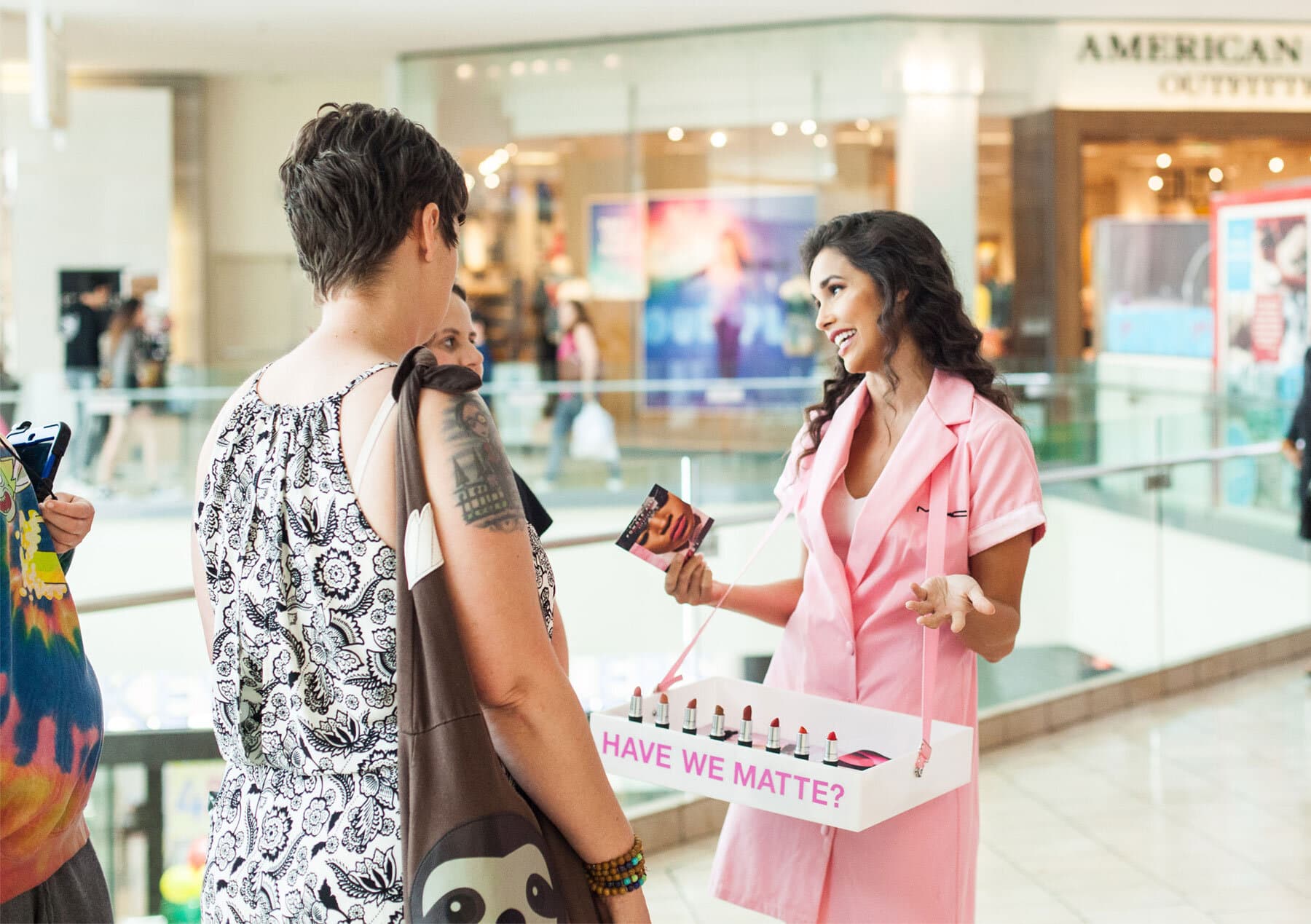
In-Store Sampling Programs: The classic demo table at Whole Foods, Trader Joe's, Sprouts, or Target. High-volume, conversion-focused, requiring staff who can work efficiently in tight spaces while maintaining genuine enthusiasm over long shifts. Our product sampling agency operations run hundreds of in-store sampling events monthly.
Festival and Outdoor Event Activations: Food festivals, farmers markets, and outdoor lifestyle events are ideal environments for plant-based sampling. The audience is health-conscious, food-curious, and open to discovery. Staff need to manage crowds, maintain food safety standards, and create a brand moment rather than just handing out cups of samples.
Pop-Up Restaurants and Tasting Events: More immersive programs where consumers sit down, eat a full meal prepared with the brand's products, and interact with brand ambassadors in a hospitality context. These require staff with food service experience and the ability to deliver hospitality-level service.
College Campus Programs: Plant-based food penetrates extremely well on college campuses, where young consumers are often making independent food choices for the first time and are receptive to sustainability messaging. Campus programs benefit from brand ambassador staff who are themselves college-aged and can speak authentically to that audience.
Social and Digital Integration: Modern plant-based sampling programs integrate heavily with social media. Staff who can encourage user-generated content, facilitate photo moments, and capture authentic reactions for brand use extend the event's reach far beyond the physical footprint.
Measuring Success in Plant-Based Ambassador Programs
The most important metrics for plant-based brand ambassador programs are:
- Trial Rate: Percentage of passersby who stop and try the product
- Conversion Rate: Percentage of samplers who indicate purchase intent or immediately purchase
- Second Sample Rate: The strongest indicator of product acceptance is when a consumer tries the sample, pauses, and asks for another
- Objection Themes: Tracking what objections staff encounter most frequently informs product development, messaging, and packaging decisions
- Social Amplification: Tagged posts, stories, and UGC created during the event
For plant-based brands running national sampling programs across Los Angeles, New York, Chicago, San Francisco, and Miami, Air Fresh Marketing's professional staffing model ensures consistent quality and accountability across every market simultaneously.
Our experiential marketing agency has executed sampling programs for CPG brands in all major retail channels and event environments. We train staff specifically on plant-based product categories: addressing objections, sharing preparation tips, and creating the genuine enthusiasm that converts first tastes into loyal customers.
Contact Air Fresh Marketing to build a brand ambassador program for your plant-based brand, or get a quote for upcoming sampling events. Our promotional staffing agency can staff single markets or national rollouts with equal precision.