Brand Ambassador Uniforms and Dress Code: Getting the Visual Identity Right
Your brand ambassadors are living, breathing representations of your brand. What they wear communicates your brand identity before they say a single word. A well-designed uniform or dress code reinforces brand recognition, creates professional cohesion, and helps staff feel confident and aligned with the brand they represent.
Getting it wrong (uncomfortable uniforms, inappropriate styling, or mismatched brand elements) undermines your entire activation before it begins. Here is how to create dress code standards that work for your brand, your staff, and your audience.
Why Uniforms Matter More Than You Think
Instant Brand Recognition
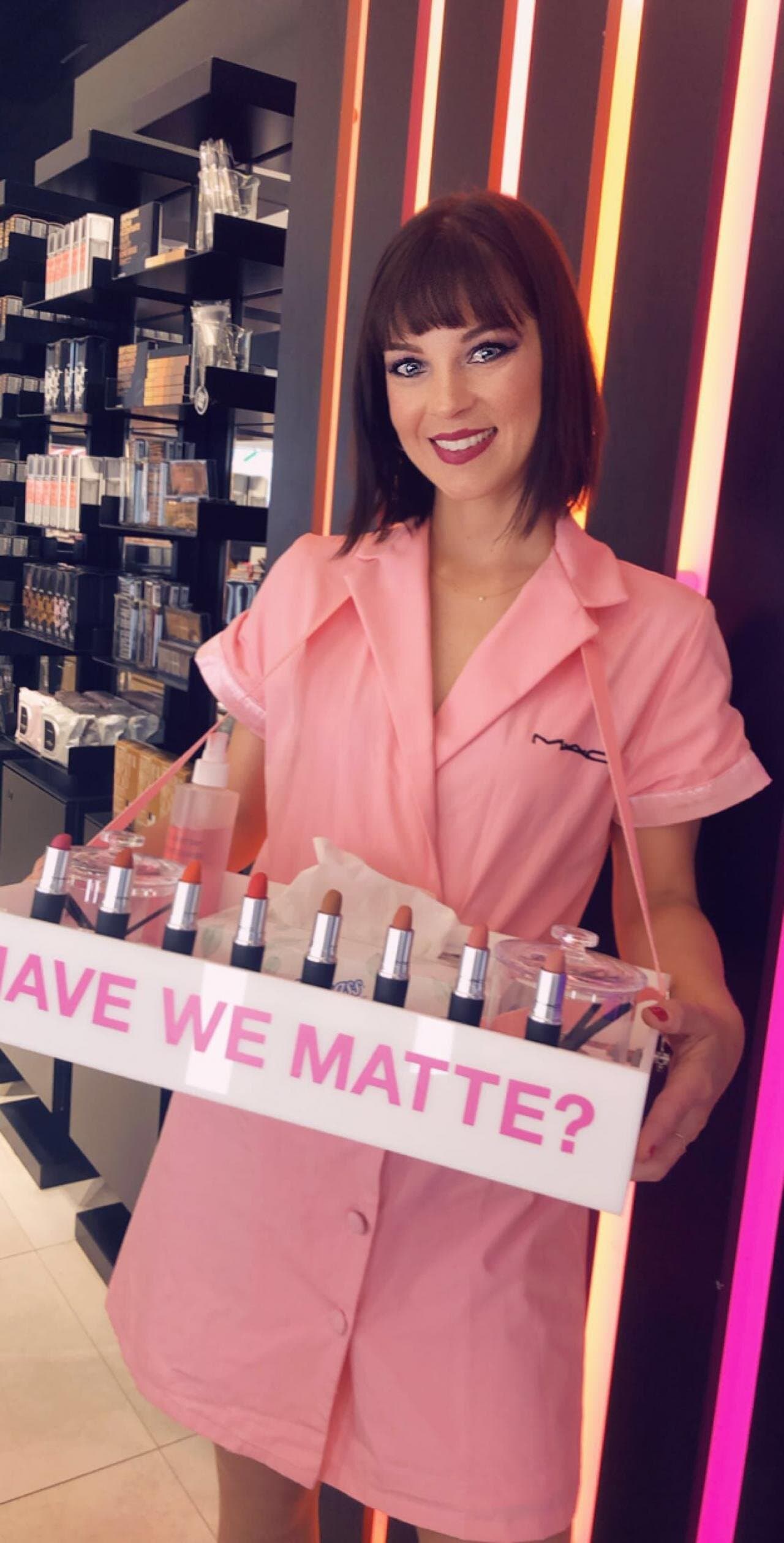
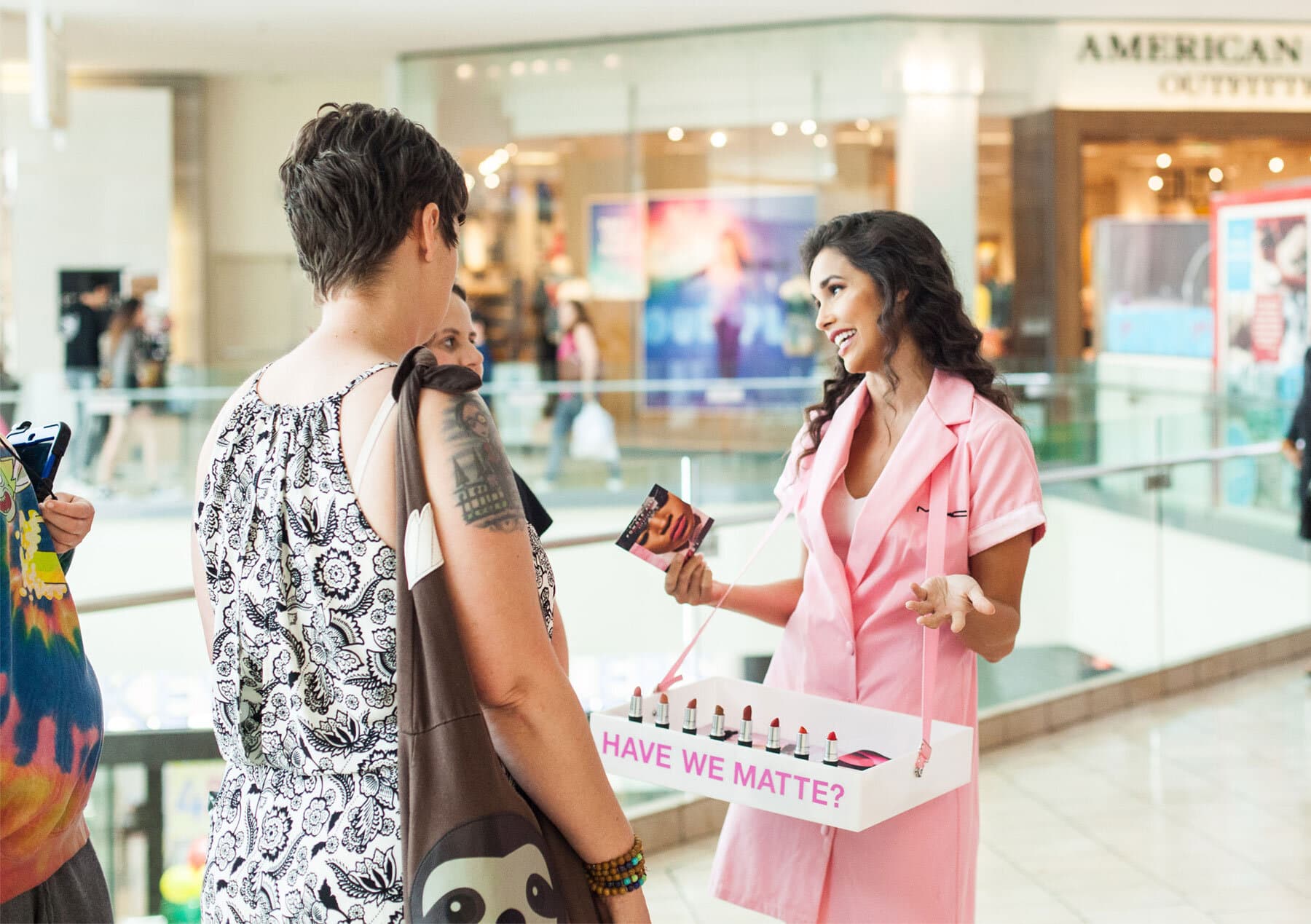
In crowded event environments, your staff need to be immediately identifiable. A distinctive, well-designed uniform acts as a walking billboard that helps attendees find your activation, creates visual consistency across multiple staff members, reinforces brand colors and identity in every interaction, and photographs well for social media and event documentation.
Professional Credibility
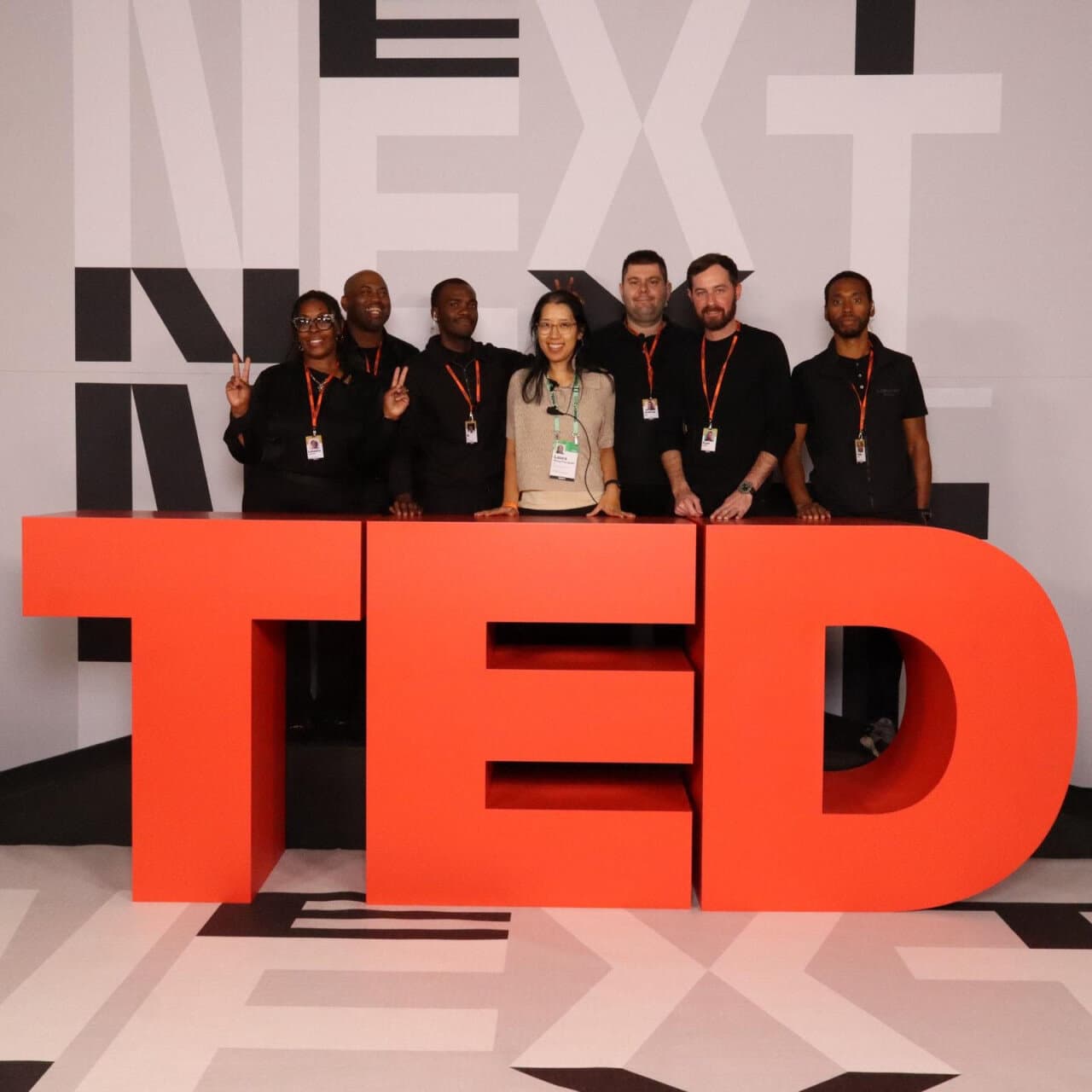
The right uniform communicates professionalism and legitimacy. A team in coordinated, well-fitting branded apparel looks intentional and trustworthy. A team in mismatched outfits looks disorganized regardless of how skilled they are.
Staff Confidence
When staff feel good about what they are wearing, they perform better. Comfortable, flattering uniforms boost confidence and energy. Uncomfortable, ill-fitting, or embarrassing outfits drain morale and create distraction.
Designing Effective Brand Ambassador Uniforms
Start With Brand Guidelines
Your uniform design should extend directly from your brand guidelines. Pull your primary brand colors, logo, and typography into the uniform design. The goal is instant association between the staff member and your brand.
Prioritize Comfort
Staff who are standing, walking, demonstrating products, and engaging with people for 8 to 12 hours need comfortable clothing. Fabrics should breathe and allow movement. Footwear should be comfortable for extended standing. Layering options should be available for venues with varying temperatures.
Materials matter enormously. A polyester polo might cost less than a cotton blend, but if your staff are working an outdoor summer activation, the discomfort will show in their energy and engagement. Invest in quality fabrics that perform in your event environment.
Consider the Event Context
A tech trade show calls for different attire than a beach sampling activation. Match your dress code to the venue, audience, and brand positioning. Business casual branded apparel works for corporate conferences and trade shows. Casual branded athletic wear suits outdoor festivals and sporting events. Elevated branded fashion fits luxury brand activations and high-end product launches. Themed costumes or specialty attire work for entertainment events and experiential installations.
Plan for Weather and Conditions
Outdoor events require weather-appropriate options. Branded rain jackets for wet conditions. Branded sunhats or visors for sun exposure. Layering pieces for temperature fluctuations. Closed-toe shoes for venues that require them for safety.
Size Inclusivity and Fit
Order a Full Size Range
Your staff team will include a range of body types and sizes. Order uniforms in a comprehensive size range, XS through 3XL minimum, so every team member has a comfortable, flattering fit. Nothing undermines staff confidence faster than being handed a uniform that does not fit.
Offer Gender-Inclusive Options
Provide options that work for all gender identities and body types. Unisex cuts work for some pieces, but having both fitted and relaxed options ensures every staff member feels comfortable and professional.
Allow Customization Within Guidelines
Set clear standards for the core uniform (branded shirt, specific pants or skirts, approved footwear) but allow individual expression within those boundaries. Staff who can incorporate their personal style within brand guidelines feel more authentic and perform more naturally.
Dress Code Communication
Written Standards
Create a clear, written dress code document that includes photos or illustrations of approved outfits, specific items required (exact shirt, pant color and style, shoe type), grooming standards (hair, nails, jewelry, fragrance), what is not allowed (specific restrictions on personal items), and where to pick up or how to receive uniform items.
Pre-Event Dress Check
Build time into your pre-event schedule for a dress check. This allows you to catch issues before staff are in front of consumers: a missing name badge, wrong shoes, or uniform that needs adjustment.
Spare Uniforms
Always bring extra uniform pieces to events. Spills happen. Seams split. Items get lost. Having backups in multiple sizes prevents a wardrobe malfunction from derailing your activation.
Common Dress Code Mistakes
Ordering uniforms too late and having to settle for whatever is available is one of the most common mistakes. Start the uniform process at least four to six weeks before your event. Forgetting about footwear is another pitfall: specifying the shirt but not the shoes leads to visual inconsistency. Ignoring staff feedback after events means missing opportunities to improve comfort and functionality. Over-branding with logos on every piece of clothing can look desperate rather than professional; strategic logo placement is more effective.
Budget Considerations
Uniform costs vary dramatically based on quality, quantity, and customization. Basic branded t-shirts may cost five to ten dollars per piece in volume, while custom-designed uniforms with premium fabrics and detailed branding can exceed fifty dollars per piece. Factor uniform costs into your overall event staffing budget from the beginning, not as an afterthought.
Consider whether uniforms are single-use or will be reused across multiple events. Higher-quality pieces that survive multiple activations cost more upfront but deliver better per-event value.
Air Fresh Marketing: Polished Brand Representation
Air Fresh Marketing works with brands to ensure every brand ambassador represents your visual identity flawlessly. From uniform sourcing to dress code enforcement, we handle the details that make your team look as good as they perform.
Contact us to discuss your activation's staffing and uniform needs, or request a quote to start planning.