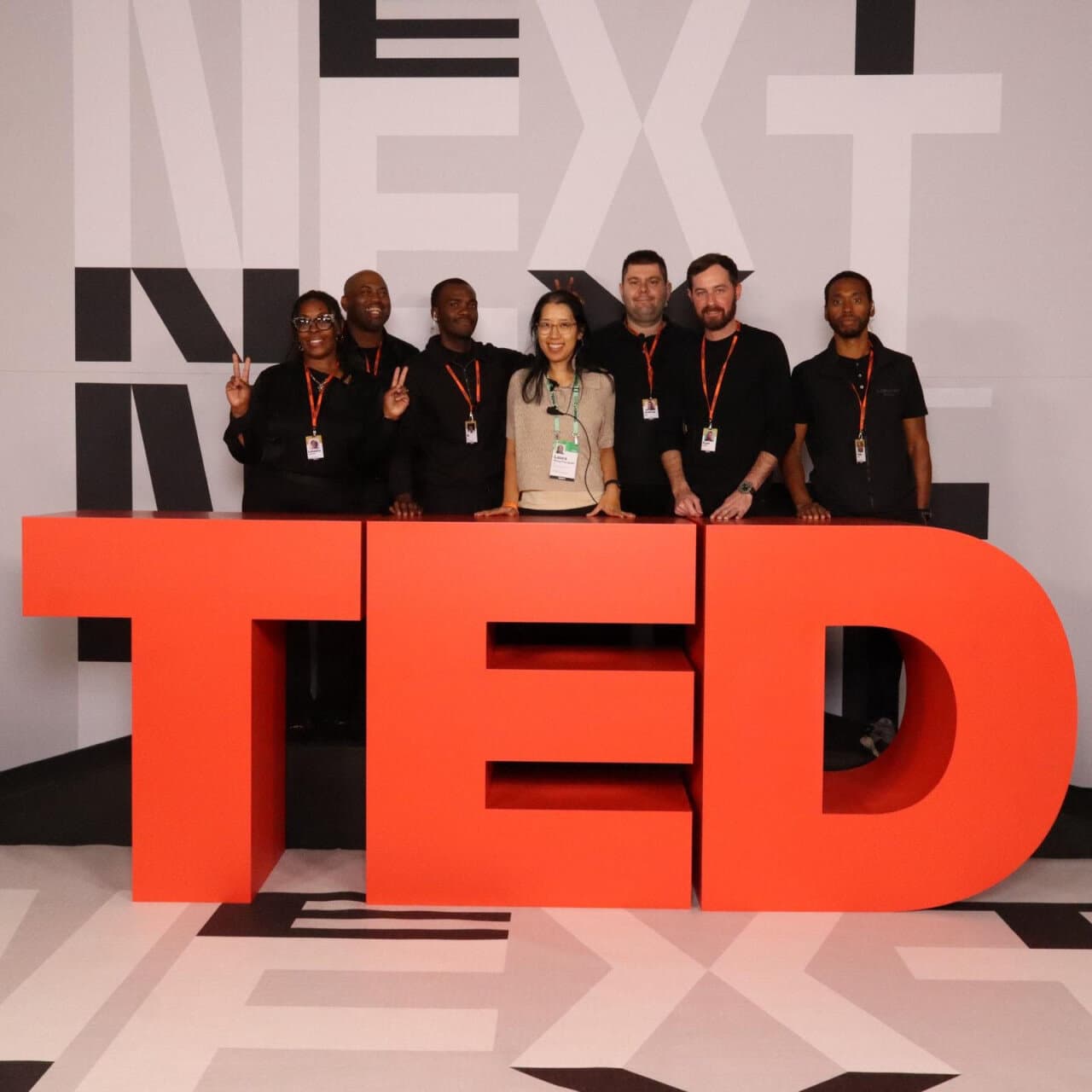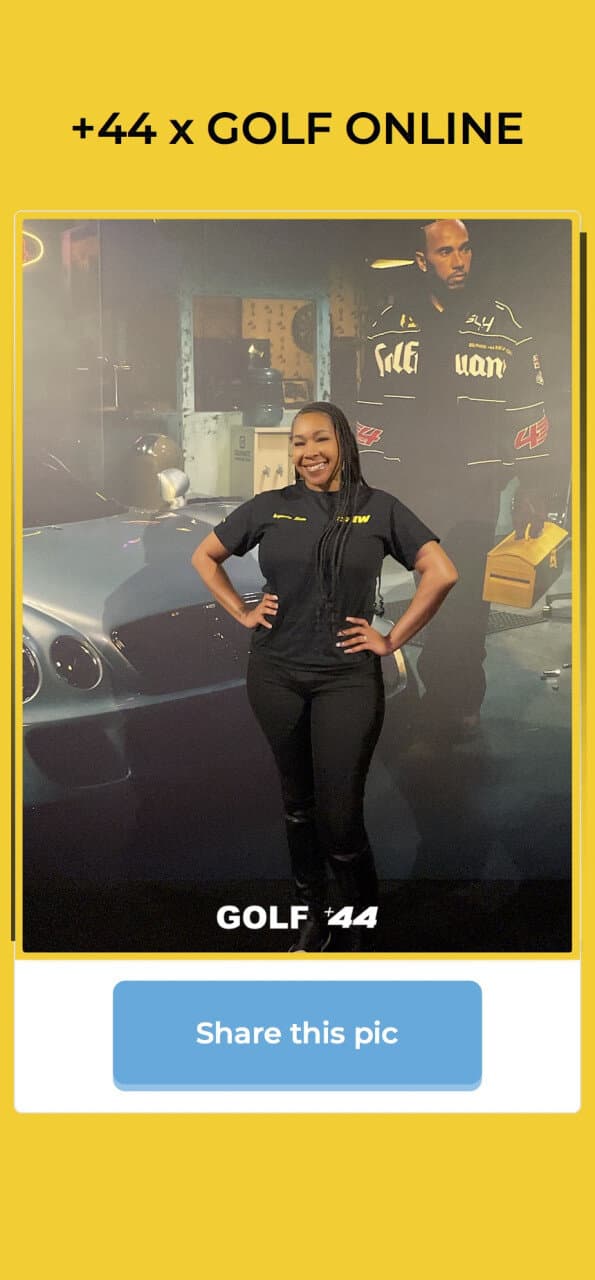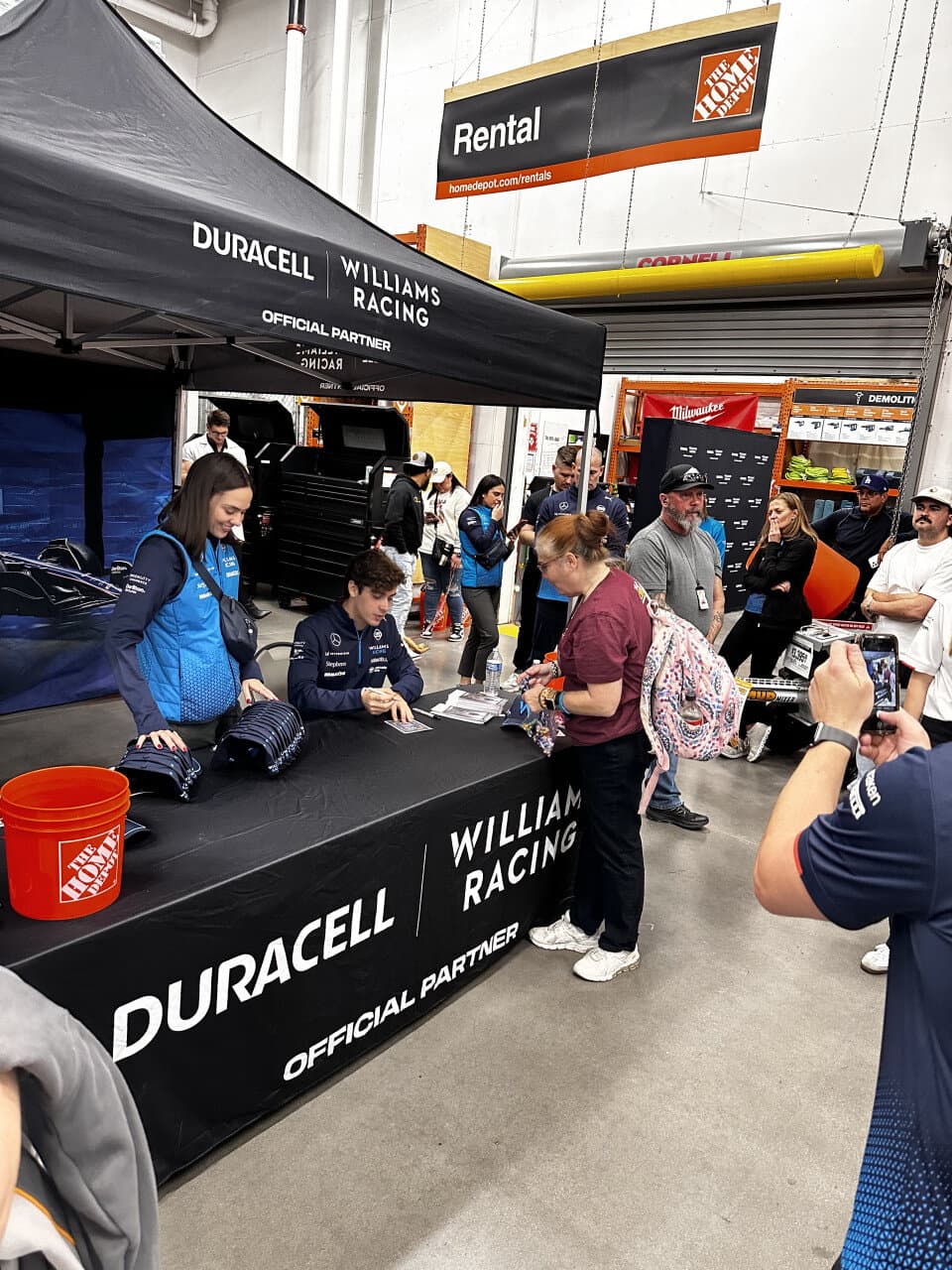
Experiential marketing creates intentional, brand-controlled consumer experiences at planned events, venues, and brand-owned spaces — building deep, positive brand associations through meaningful interaction. Guerrilla marketing uses unexpected, disruptive, and often surprising tactics in public spaces to generate attention, curiosity, and earned media. The two approaches share the goal of creating memorable consumer moments but differ fundamentally in planning intensity, cost, risk profile, and the nature of consumer interaction they create.
Experiential Marketing: Planned, Controlled, Deep
Experiential marketing is the deliberate design of consumer experiences that communicate brand values, create product trial, or build emotional brand connection through active participation. Defining characteristics:
Planned and permitted: Experiential activations are designed months in advance, permitted by venue or event organizers, and executed by professional teams. Everything about the consumer experience — the environment, the staff interactions, the sensory elements, the data capture — is intentional.
Brand-controlled environment: Because the brand controls the activation space (a pop-up footprint, a festival activation zone, a branded installation), the consumer experience can be precisely shaped to deliver specific brand messages and emotional responses.
Professional staffing: Experiential marketing relies heavily on well-trained brand ambassadors and event staff who guide consumer experiences, deliver brand narratives, handle product demonstrations, and capture leads.
Measurable outcomes: Because the activation is planned and controlled, measurement infrastructure can be built in — consumer counts, lead capture, conversion tracking, survey protocols.
Examples: A branded sampling tent at a music festival, a product demonstration booth at a trade show, a pop-up experiential retail installation in a mall, a mobile marketing tour making scheduled stops at planned venues.
Guerrilla Marketing: Unexpected, Disruptive, Viral
Guerrilla marketing deliberately creates unexpected, surprising, or unconventional marketing moments in public spaces — often without extensive pre-promotion — designed to capture attention through novelty, humor, or spectacle and generate social media sharing and earned media coverage. Defining characteristics:
Unexpectedness is the mechanism: The core value of guerrilla marketing is the element of surprise. A guerrilla installation that becomes known in advance loses much of its impact. The consumer's reaction of "I can't believe a brand did this here" is the desired outcome.
Lower cost, higher creativity requirement: Guerrilla marketing's defining appeal has always been achieving outsized attention on a modest budget — a clever, unexpected idea executed with confidence. The cost is creativity, not production value.
Earned media focus: The primary distribution channel for guerrilla marketing is consumer-generated content and media coverage of the stunt or installation. The activation's physical reach may be small; its social media and press reach can be enormous.
Higher legal/brand risk: Many guerrilla marketing tactics involve unpermitted use of public spaces, which carries legal risk (permits required in most major cities for commercial public activations) and the possibility of negative press if execution is perceived as intrusive, offensive, or unsafe.
Examples: A flash mob product demonstration in a busy train station, a large-scale street art installation created without advance promotion, an unexpected ambient installation that uses public architecture in a creative brand context, a surprise experiential pop-up with no advance notice.
The Key Distinctions at a Glance
Experiential marketing is characterized by planning horizons of months in advance, high consumer volume (hundreds to thousands reached), high brand control, comprehensive measurement, medium to high budget, low legal risk, extensive staff requirements, and deep consumer interactions lasting several minutes. Guerrilla marketing differs in its days-to-weeks planning horizon, variable consumer volume (tens reached physically but millions via earned media), low brand control, earned media value as the primary metric, low to medium budget, higher legal risk, minimal to moderate staff needs, and brief consumer interactions lasting seconds.
When to Use Experiential vs. Guerrilla Marketing
Choose experiential marketing when:
- You have a specific consumer experience, product trial, or lead generation objective
- You need measurable campaign results
- Brand safety and control are high priorities
- You are launching a product and need consumers to engage with it in a quality way
- You are targeting a specific consumer demographic at a known gathering point
Choose guerrilla marketing when:
- You want to generate earned media and social sharing on a limited budget
- Your brand personality supports risk-taking and unconventional behavior
- You have strong creative execution capability
- Your goal is broad awareness and cultural conversation rather than measured lead generation
- You are willing to accept legal and reputational risk in exchange for viral potential
The Hybrid Approach
The strongest brand activation campaigns often blend both approaches — a professionally planned experiential activation that has a guerrilla element built in. A permitted festival activation that includes a surprise flash mob performance, or a mobile marketing tour that includes some unpermitted "surprise" elements alongside the planned activation schedule, can achieve both deep consumer engagement and earned media attention.
Air Fresh Marketing's brand activation agency capabilities cover both experiential and guerrilla marketing approaches. Contact us to discuss the right approach for your brand, budget, and campaign objectives across New York, Los Angeles, Chicago, Miami, and our 50+ service markets.