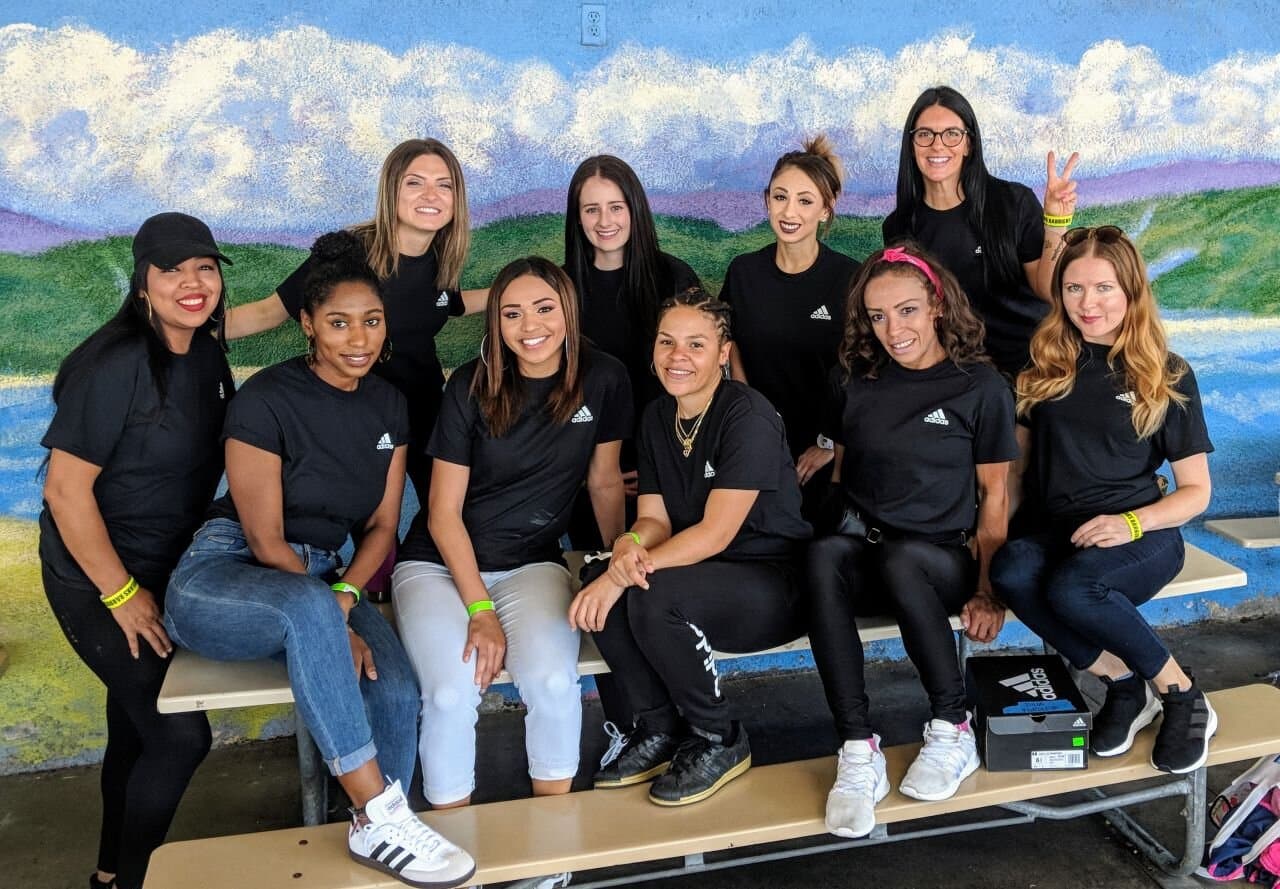
In the age of social media and content marketing, an experiential activation that is not properly documented is an opportunity wasted. Event photography and strategic content capture have become essential components of any successful brand activation, transforming ephemeral in-person experiences into lasting digital assets that extend your reach exponentially beyond the physical event footprint. The brands achieving the greatest return on their experiential marketing investments understand that content capture is not an afterthought but a core strategic pillar that must be planned and executed with the same rigor as the activation itself.
At Air Fresh Marketing, we integrate professional content capture into every experiential marketing activation we produce. Our event staffing teams include skilled photographers, videographers, and content creators who understand both the technical requirements of quality content production and the strategic objectives that drive content decisions.
#The Strategic Value of Event Content Capture
Event content serves multiple strategic purposes that justify significant investment in professional capture capabilities. First, it provides social proof that amplifies your brand's reach far beyond event attendees. When consumers see authentic photos and videos of real people engaging with your brand, it builds trust and curiosity that drives interest among audiences who were not physically present.
Second, professional event content builds your brand's content library with authentic, on-brand visual assets that can be repurposed across marketing channels for months or even years after the original activation. A single well-executed event can generate hundreds of social media posts, blog content, email marketing visuals, paid advertising creative, sales presentations, and website imagery that would cost tens of thousands of dollars to produce in a studio setting.
Third, event content provides documentation that supports measurement and reporting. Visual evidence of crowd engagement, product interactions, and consumer reactions tells a compelling story to stakeholders that numbers alone cannot convey. When presenting ROI to executives or clients, video footage of enthusiastic consumers engaging with your brand carries persuasive power that spreadsheets simply cannot match.
Fourth, content capture creates accountability and quality assurance documentation. By photographing and filming your activation, you create a visual record that can be used to evaluate staff performance, assess experiential design effectiveness, identify operational improvements, and ensure brand standards are maintained across multiple event locations.
#Planning Your Content Capture Strategy
A successful content capture strategy begins long before the event day, during the initial planning phase of your activation. Content objectives should be defined alongside experiential objectives, ensuring that the physical activation design supports great content creation. Consider sight lines, lighting conditions, branded backgrounds, photo-worthy moments, and shareable experiences as integral elements of your activation design.
Start by identifying your content objectives. Are you primarily seeking social media content for organic channels? Paid advertising creative? Influencer collaboration documentation? Press materials? Internal communications assets? Client reporting visuals? Each objective may require different shooting styles, angles, resolutions, and formats. A clear brief ensures your content team captures exactly what you need rather than shooting aimlessly and hoping for usable results.
Develop a shot list that covers essential content categories including branded environment wide shots, product interaction close-ups, consumer engagement candids, staff professionalism documentation, crowd and atmosphere footage, detail shots of experiential elements, testimonial-style consumer reactions, and behind-the-scenes content that humanizes your brand. This shot list serves as a guide rather than a rigid script, ensuring comprehensive coverage while allowing for spontaneous authentic moments.
Consider the content formats required by your distribution channels. Instagram Stories and TikTok demand vertical video. Feed posts perform best with square or 4:5 aspect ratios. LinkedIn and Facebook accommodate horizontal formats. YouTube requires high-resolution landscape video. Website hero images need ultra-wide compositions. Planning for these format requirements during the capture phase saves enormous time and budget in post-production.
#Staffing for Content Capture Excellence
The quality of your event content depends directly on the skills and experience of the professionals capturing it. Event photography and videography demand a specialized skill set that combines technical proficiency with event awareness, brand understanding, and the interpersonal skills needed to capture authentic consumer moments without disrupting the experiential flow.
Professional event photographers must work quickly in varied lighting conditions, from bright outdoor sunlight to dim indoor venues to dramatic nighttime activations. They need the ability to anticipate peak moments, position themselves advantageously without disrupting attendee experiences, and maintain consistent quality across hundreds or thousands of captures during a single event day. This is fundamentally different from studio photography and requires specific event experience.
At Air Fresh Marketing, our content capture teams include experienced event photographers and videographers who understand the unique demands of brand activation documentation. They arrive prepared with appropriate equipment for the venue conditions, carry backup gear for reliability, and operate with the professionalism that represents your brand appropriately to consumers and stakeholders.
Consider the roles needed for comprehensive content capture. A primary photographer focuses on high-quality still images with professional composition and lighting. A videographer captures movement, atmosphere, and testimonial content that brings the activation to life. A social media content creator shoots quick-turn vertical content optimized for same-day social posting. A roaming content assistant manages release forms, coordinates consumer participation, and ensures no key moments are missed.
#Consumer Photography and User-Generated Content
One of the most powerful content strategies for experiential activations involves empowering consumers to create and share their own content. User-generated content carries authenticity that brand-produced content cannot replicate, and social sharing by event attendees extends your reach through personal networks that trust recommendations from friends and family far more than branded messages.
Design photo-worthy moments into your activation that consumers will naturally want to capture and share. Branded photo backdrops, interactive installations, dramatic visual elements, surprising product reveals, and Instagram-worthy aesthetic details all encourage organic content creation. The most shareable experiential elements combine visual appeal with personal relevance, giving consumers a reason to post beyond simply documenting the experience.
Implement a social media strategy that encourages and amplifies user-generated content from your activation. Create event-specific hashtags that aggregate attendee content. Offer incentives for social sharing such as product samples, contest entries, or exclusive experiences. Display real-time social feeds on screens at the activation to encourage participation. Follow up with attendees after the event to reshare their content, extending the conversation beyond the event day.
#Technical Considerations for Event Photography
Professional event content capture requires careful attention to technical details that can make or break your content quality. Equipment selection, lighting strategy, backup planning, and workflow optimization all contribute to reliable, high-quality content production under the demanding conditions of live events.
Camera equipment should be selected based on venue conditions, content objectives, and format requirements. Full-frame mirrorless cameras offer excellent performance in varied lighting conditions with fast autofocus and silent shooting that avoids disrupting experiences. Lens selection should include wide-angle options for environment and crowd shots, standard zoom lenses for versatility, and fast prime lenses for low-light conditions and portrait-quality consumer captures.
Lighting presents one of the greatest challenges in event photography. Indoor venues often feature mixed lighting with fluorescent overhead lights, colored accent lighting, and natural light from windows all competing within a single frame. Outdoor events contend with harsh midday sun, shifting golden hour light, and complete darkness for evening activations. Professional event photographers carry portable lighting solutions including speedlights, LED panels, and reflectors that ensure consistent quality regardless of ambient conditions.
Video capture adds additional technical requirements including audio recording, stabilization, and storage management. Professional microphones are essential for testimonial content and atmosphere capture. Gimbal stabilizers enable smooth movement shots that convey energy without inducing motion sickness. Large-capacity memory cards and portable hard drives prevent the nightmare of running out of storage during a critical activation moment.
#Real-Time Content Distribution
The immediacy of social media demands a real-time content distribution strategy that gets event content in front of audiences while the activation is still generating buzz. Same-day social posting capitalizes on event energy and urgency, creating FOMO (fear of missing out) that can drive additional attendance for multi-day activations or build anticipation for future events.
Establish a rapid content workflow that moves captures from camera to social channels within minutes. This requires a dedicated social media manager working alongside your photography team, receiving selects via wireless transfer or shared cloud folders, and posting edited content to brand channels in real time. Mobile editing apps have become sophisticated enough to produce professional-quality content directly from smartphones, enabling instant posting without laptop dependence.
Live content strategies including Instagram Stories, live streaming on multiple platforms, and real-time updates create authentic in-the-moment engagement that resonates with followers who cannot attend. These ephemeral content formats convey exclusivity and urgency while providing raw, unpolished glimpses that feel more authentic than perfectly produced content. Balance polished brand content with authentic behind-the-scenes moments for maximum engagement.
At Air Fresh Marketing, our event teams include social media specialists who manage real-time content distribution as an integrated component of our event staffing services. This ensures consistent brand voice, appropriate content selection, and strategic timing that maximizes engagement and reach.
#Post-Event Content Strategy
The content captured during your activation should fuel your marketing efforts for weeks or months following the event. A structured post-event content strategy ensures maximum value extraction from your content investment while maintaining audience interest and extending the activation's impact over time.
Organize and categorize all captured content immediately after the event while context is fresh. Tag images and video clips by content type, quality level, featured products, consumer demographics, and potential use cases. This content library becomes an invaluable resource that saves time and budget when creating future marketing materials, social posts, presentations, and advertising creative.
Develop a content calendar that distributes event content strategically over time rather than overwhelming audiences with a single content dump. Lead with the most impactful highlights immediately following the event, then drip additional content including behind-the-scenes footage, consumer testimonials, detail shots, and throwback content over subsequent weeks. This extended distribution strategy maximizes the content's shelf life and maintains event momentum long after the physical activation concludes.
Repurpose event content across multiple channels and formats to maximize reach and efficiency. A single video clip can be edited into a long-form YouTube recap, short-form TikTok and Reels content, story-format vertical clips, thumbnail stills for blog posts, and animated GIFs for email marketing. A single photo can be cropped for different social platform aspect ratios, used as website hero imagery, included in press releases, and featured in sales presentations.
#Legal Considerations and Release Forms
Content capture at events involves important legal considerations around image rights, privacy regulations, and consent requirements that must be addressed proactively to protect your brand from liability. Different jurisdictions have varying laws regarding photography in public spaces, commercial use of individual likenesses, and minor photography restrictions that affect your content strategy.
Develop a clear consent process for capturing consumer content at your activation. This typically involves signage at the event entrance notifying attendees that photography and videography are in progress and that attendance constitutes consent to general crowd photography. For close-up images, testimonial videos, or content featuring identifiable individuals prominently, obtain explicit written releases that grant commercial use rights.
At Air Fresh Marketing, our event staff are trained in proper release form procedures and understand the legal requirements for content capture across different states and municipalities. We ensure your brand is protected while capturing the authentic content you need to maximize your activation's digital impact.
#Measuring Content Performance
Establish clear metrics for evaluating the performance of your event content across all distribution channels. Track engagement rates, reach, impressions, saves, shares, and click-through rates for social media content. Monitor website traffic driven by event content, email marketing performance featuring event imagery, and advertising creative effectiveness using event photography versus stock alternatives.
Compare the cost per content piece generated through event capture against equivalent studio production or stock photography licensing costs. Most brands discover that professional event content capture delivers dramatically better cost efficiency while producing more authentic, diverse, and engaging content than alternatives. A single event day can generate content assets worth tens of thousands of dollars in equivalent production value.
#Conclusion
Event photography and content capture have evolved from nice-to-have event documentation into essential strategic components of experiential marketing success. Brands that invest in professional content capture, strategic planning, diverse format production, real-time distribution, and long-term content strategy extract maximum value from every activation while building content libraries that fuel marketing efforts year-round.
At Air Fresh Marketing, we integrate professional content capture into every activation we produce, ensuring that your experiential marketing investment generates both immediate on-site impact and lasting digital reach. Our experienced content teams understand brand standards, platform requirements, and strategic objectives, delivering content that drives engagement and demonstrates ROI. Contact us today to discuss how professional content capture can amplify your next brand activation's digital footprint.