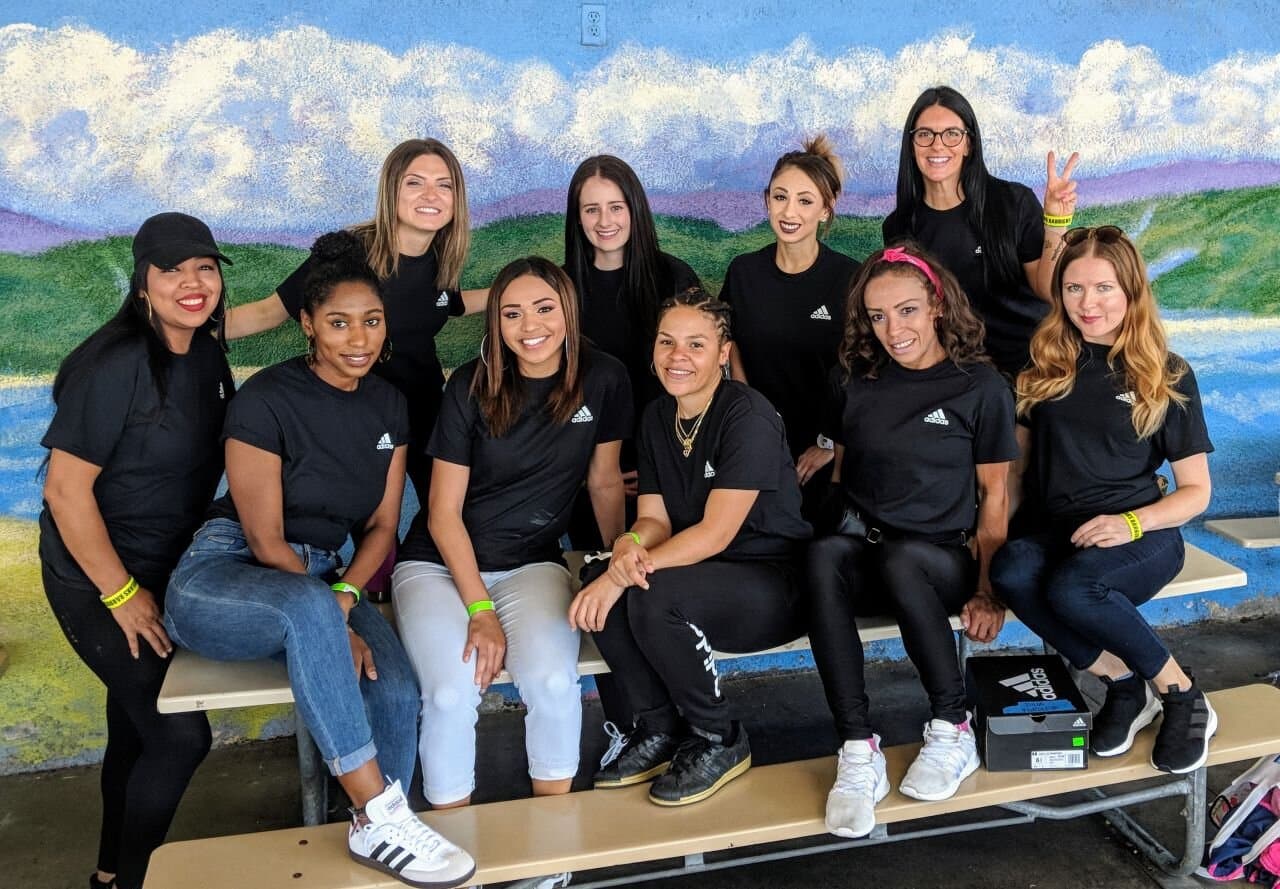
Event staffing for international food festivals and cultural cuisine events celebrates the rich diversity of culinary traditions that define American food culture. From the Taste of Ethiopia festival to Night Market events, Lunar New Year food celebrations, and multicultural street food fairs, these events require staff who combine food service expertise with genuine cultural sensitivity and, ideally, multilingual capabilities.
#Multilingual and Culturally Competent Staff
International food festivals benefit enormously from multilingual staff who can communicate with vendors, performers, and attendees in multiple languages. Position bilingual or multilingual staff at information booths, registration areas, and key vendor zones where language barriers may affect the guest experience. Cultural liaison staff help bridge communication between event management and vendors who may have limited English proficiency.
Cultural sensitivity training for all event staff ensures respectful interaction with diverse communities. Staff should understand basic cultural protocols—appropriate greetings, dietary terminology, and the significance of cultural performances and traditions featured at the festival. This training prevents well-meaning but uninformed interactions that can offend the communities the festival celebrates.
#Food Vendor Coordination Across Cuisines
Managing food vendors representing different culinary traditions requires flexibility in operational expectations. Different cuisines have different preparation methods, equipment needs, and timing requirements. Vietnamese pho vendors need hours of simmering time, while taco vendors can produce rapidly. Coordinate vendor setup schedules around actual preparation needs rather than imposing uniform timelines.
Health code compliance across diverse cuisines requires cultural food safety knowledge. Staff assisting health inspectors should understand that fermented foods, raw preparations, and traditional cooking methods may differ from mainstream American food service practices while still meeting health code requirements. Allergen management across diverse cuisines requires staff who can communicate ingredient information accurately across cultural and language barriers.
#Cultural Programming and Performance Support
International food festivals typically feature cultural performances—traditional dance, live music, martial arts demonstrations, and cultural ceremonies. Performance stage staff manage the diverse technical requirements of different cultural performances, from Taiko drumming setups to Bollywood dance floor requirements. Sound engineers need to accommodate instruments and vocal styles from many musical traditions.
Cultural demonstration areas—tea ceremonies, spice grinding demonstrations, dumpling-making workshops—need coordination staff who can manage audience participation while respecting the cultural integrity of the demonstrations. These interactive elements are often the most memorable festival experiences and deserve staffing that ensures they run smoothly.
#Community Engagement and Festival Mission
International food festivals serve broader community-building missions beyond food service. Community organization booth coordination staff manage the cultural organizations, language schools, and heritage societies that participate as exhibitors. Cultural education staff at children's activity areas lead craft projects, language games, and cultural storytelling that introduce young visitors to diverse traditions.
Festival mission alignment is important when staffing these events—staff should understand that international food festivals celebrate cultural pride and cross-cultural connection, not cultural tourism. This distinction affects how staff discuss food traditions, engage with cultural performers, and represent the festival to the broader community and media.