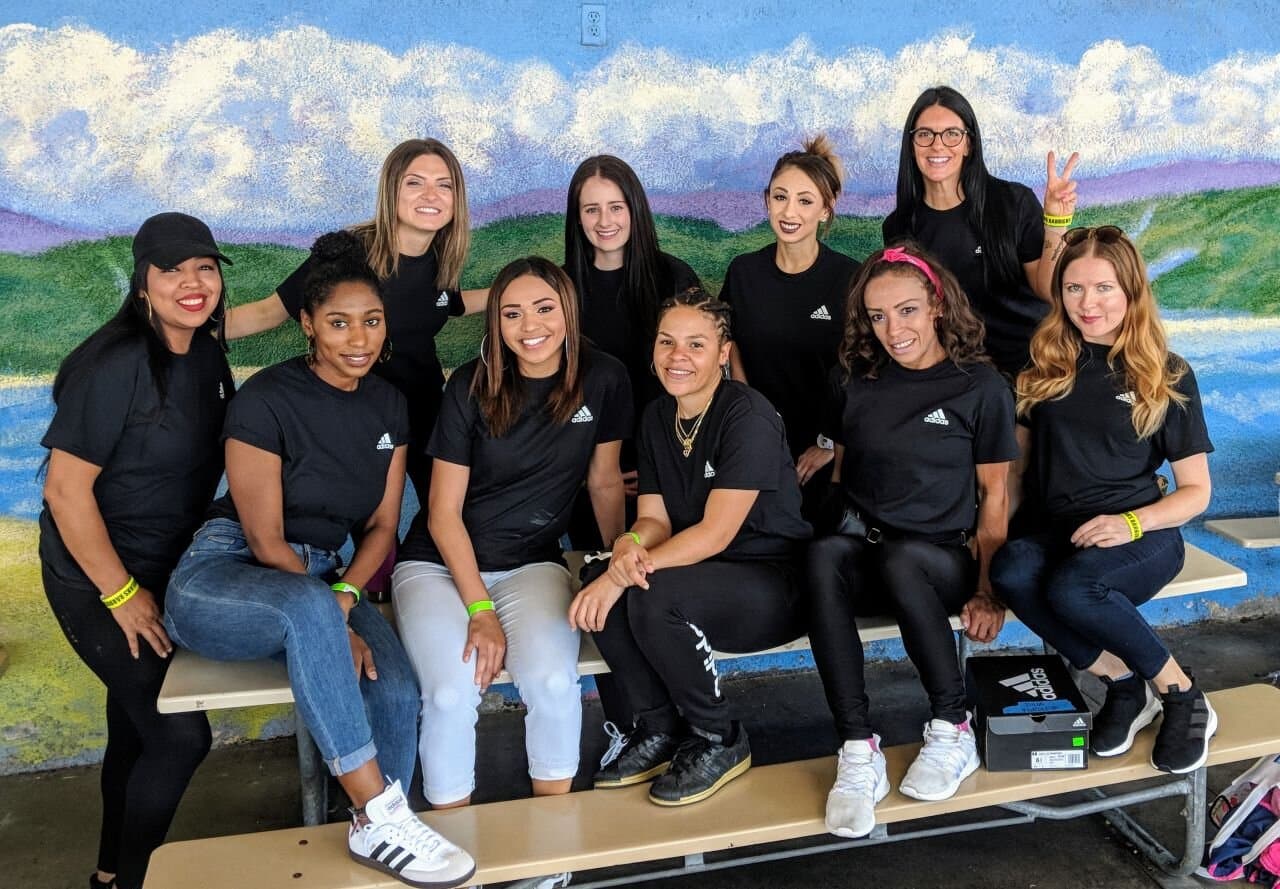
Event staffing for marathon expos and race packet pickup events is essential for delivering a smooth pre-race experience to thousands of runners. Major marathons like the Chicago Marathon, Boston Marathon, and New York City Marathon host multi-day expos that combine mandatory packet pickup with sponsor activations, merchandise shopping, and runner education—all requiring extensive professional staffing.
#Packet Pickup Operations Staffing
Race packet pickup is the backbone of any marathon expo, and efficient staffing determines whether runners wait five minutes or fifty. Organize pickup stations alphabetically or by bib number range, with dedicated staff at each station who verify runner identity, distribute bib numbers, timing chips, and event swag bags. Each station needs at least two people—one to locate packets and one to verify identification and waivers.
Express pickup lanes for elite runners, charity team members, and VIP registrants require separate staffing to prevent these groups from waiting in general admission lines. International runner stations need staff who can handle passport verification and address language barriers. Late registration and will-call windows handle the inevitable exceptions—lost confirmations, name changes, and on-site registrations—requiring patient staff with problem-solving abilities.
#Sponsor Activation Booth Staffing
Marathon expos feature dozens of sponsor activations ranging from shoe companies offering gait analysis to nutrition brands distributing sample products. Brand ambassadors at these booths need running-specific knowledge to connect authentically with the audience. A staffer recommending energy gels should understand fueling strategies, electrolyte timing, and the difference between training nutrition and race-day nutrition.
Interactive sponsor activations—treadmill challenges, photo booths with race backdrops, custom bib printing stations—require technically skilled staff who can manage equipment while engaging runners. Data capture staff collect email signups and survey responses that justify the sponsor's investment. Product demonstration specialists show runners how to use GPS watches, compression gear, and recovery tools.
#Merchandise and Retail Operations
Official marathon merchandise areas generate significant revenue during expo days. Retail staff must manage inventory across dozens of SKU combinations—shirt sizes, jacket colors, commemorative items—while processing high-volume transactions during peak pickup hours. Fitting room attendants and size recommendation staff help runners choose gear quickly, reducing return rates and improving the shopping experience.
Course map and spectator guide distribution staff help family members and supporters plan their race-day viewing strategy. These positions require strong knowledge of the marathon course, aid station locations, and the best spectator access points along the route.
#Runner Services and Information
Information desks staffed with knowledgeable event personnel answer hundreds of daily questions about course logistics, transportation to the start line, gear check procedures, and post-race meetup areas. Medical screening stations need administrative support staff who manage the queue for pre-race physicals and connect runners with on-site medical personnel.
Pace group meetup areas, training program graduation ceremonies, and charity team photo sessions all require event coordination staff who keep the schedule flowing smoothly across shared expo spaces. These emotional touchpoints—where months of training culminate in pre-race celebration—benefit from staff who understand the significance of the moment for participants.