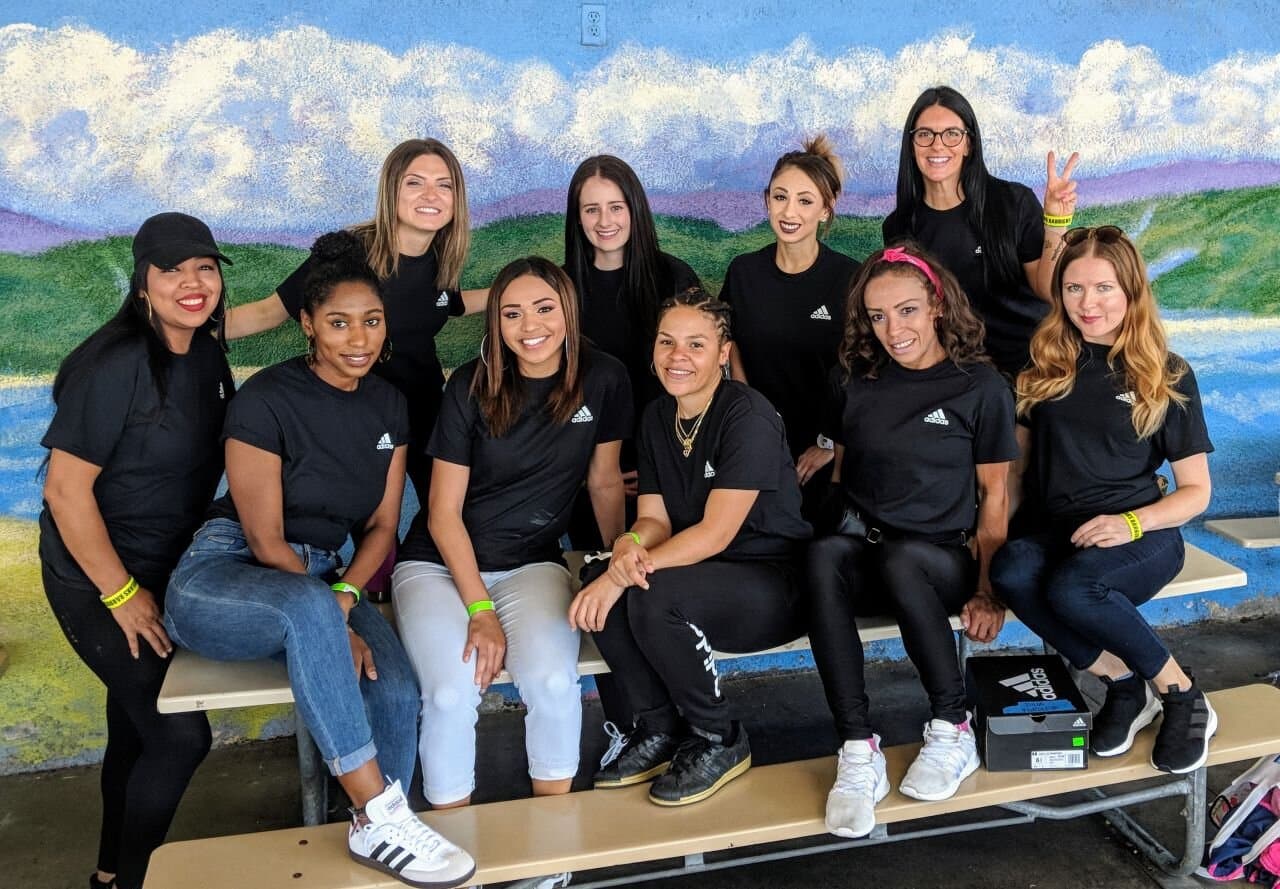
Nonprofit organizations face a unique challenge when planning fundraising events: they must create polished, professional experiences that inspire generosity—often with significantly limited budgets. The quality of event staffing plays a pivotal role in whether a fundraiser raises thousands or millions, whether attendees feel valued enough to give generously, and whether donors return year after year.
Air Fresh Marketing has supported nonprofit organizations across the country in staffing galas, fundraising dinners, charity auctions, walkathons, benefit concerts, and community events. This guide shares best practices for staffing nonprofit events effectively, regardless of budget constraints.
#Understanding the Nonprofit Event Landscape
Nonprofit events span an enormous range of formats, scales, and objectives. Your staffing approach must align with the specific type of event you are planning.
Types of Nonprofit Fundraising Events
Formal Galas and Benefit Dinners The classic fundraising format brings donors together for an elegant evening featuring dinner, entertainment, and giving opportunities. Galas typically involve:
- Cocktail reception and registration
- Seated dinner service
- Live program with speakers and entertainment
- Silent and/or live auction
- Fund-a-need or paddle raise
- After-party or dessert reception
Charity Auctions Stand-alone auction events (silent, live, or hybrid) require specific staffing for bid management, item display, cashiering, and donor engagement.
Walk/Run Events and Outdoor Fundraisers Athletic fundraising events have completely different staffing needs: course marshals, registration teams, hydration station operators, finish-line staff, and post-event festival crews.
Benefit Concerts and Entertainment Events When entertainment is the draw, staffing includes crowd management, VIP hosting, merchandise, and concession operations alongside traditional fundraising support.
Community Events and Family Fundraisers Casual events like carnivals, pancake breakfasts, car washes, and community festivals require high-energy, approachable staff comfortable with diverse audiences.
Peer-to-Peer and Virtual Fundraising Events Even virtual or hybrid events require technical support staff, moderators, and production assistance.
What Makes Nonprofit Events Different
Staffing a nonprofit event requires understanding several factors that distinguish it from corporate events:
- Mission alignment: Staff must understand and authentically communicate the organization's mission
- Donor sensitivity: Interactions with attendees are interactions with donors—every touchpoint matters
- Budget constraints: Nonprofits must maximize impact per dollar spent on staffing
- Volunteer integration: Professional staff often work alongside volunteers, requiring collaboration skills
- Emotional components: Programs frequently include emotional stories and appeals—staff must be prepared
- Multiple stakeholders: Board members, major donors, sponsors, and leadership all have expectations
#Budgeting for Nonprofit Event Staffing
One of the biggest challenges nonprofits face is allocating appropriate budget to staffing. While the instinct is to minimize this line item, under-staffing a fundraising event almost always costs more in missed donations than it saves in staffing fees.
The Revenue Opportunity Framework
Rather than viewing event staffing as an expense, frame it as a revenue enabler:
- A well-staffed registration gets donors to their seats faster, allowing more program time
- Attentive cocktail-hour staff keep donors comfortable and in a generous mindset
- Professional auction assistants capture every bid, preventing lost revenue
- Efficient cashiering at event close reduces walkouts (donors who leave before paying)
- A polished overall experience encourages larger gifts and future attendance
Typical Staffing Budget Allocation
- Registration/check-in: 3-4 staff
- Cocktail reception: 4-6 staff (directing, engaging, managing flow)
- Dinner service coordination: 2-3 staff (in addition to catering team)
- Auction management: 3-5 staff (spotters, recorders, display managers)
- AV/production support: 2-3 staff
- VIP management: 1-2 dedicated staff
- General event coordination: 2-3 staff
- Valet/coat check: 2-4 staff
Reducing Costs Without Sacrificing Quality
- Hybrid volunteer/professional model: Use professional staff for critical revenue-driving roles and trained volunteers for support positions
- Strategic timing: Bring full staff only during peak periods; reduce coverage during seated dinner when the catering team handles service
- Multi-skilled staff: Hire versatile professionals who can transition between roles throughout the evening
- Agency partnerships: Work with agencies that offer nonprofit-friendly pricing or pro-bono support
- Corporate sponsorship: Secure event staffing as an in-kind sponsorship from a corporate partner
#The Volunteer vs. Paid Staff Decision
Most nonprofits rely on a combination of volunteers and paid professionals. The key is knowing which roles require which approach.
When to Use Professional Paid Staff
- Registration and check-in: First impressions matter enormously. Professional staff ensure smooth, welcoming arrivals
- Auction management: Missing bids means missing revenue. Professional auction staff are trained to catch every hand
- Event coordination: Your development team should be hosting donors, not managing logistics. Professional coordinators handle operations
- AV and production: Technical roles require reliability and expertise that volunteers rarely provide
- VIP hosting: Major donor interactions require polished professionalism and discretion
- Valet and security: Liability concerns make these roles inappropriate for volunteers
When Volunteers Work Well
- Greeting and wayfinding: Board members and organizational ambassadors can welcome guests
- Silent auction monitoring: With clear training, volunteers can manage silent auction areas
- Registration support: Volunteers can assist professional staff during peak arrival periods
- Decoration and setup: Pre-event tasks are great volunteer opportunities
- Post-event thank-you calls: Personal follow-up from board or committee members
- Event breakdown: Many hands make light work of cleanup
Managing the Volunteer-Professional Interface
When volunteers and professional staff work together, establish clear boundaries:
- Define roles and responsibilities explicitly—no overlap or ambiguity
- Designate one professional coordinator as the point of contact for volunteer questions
- Provide volunteers with different identifiers (name badge color, attire) from professional staff
- Brief professional staff on volunteer management and inclusion
- Create volunteer schedules with shorter shifts (volunteers fatigue faster)
- Express appreciation publicly and specifically to volunteer teams
#Etiquette and Guest Relations at Nonprofit Events
Nonprofit event guests are donors—current or potential. Every staff interaction either strengthens or weakens the donor relationship.
The Donor Mindset
Understand what brings people to nonprofit events:
- They believe in the mission and want to make a difference
- They want recognition for their generosity
- They value the social aspect and community connection
- They expect an experience commensurate with their ticket price
- They are evaluating whether to deepen their commitment
Staff Behavior Standards
Professional staff at nonprofit events should:
- Maintain absolute discretion: Never comment on donation amounts, guest appearances, or overheard conversations
- Demonstrate genuine warmth: Nonprofit events should feel heartfelt, not corporate
- Use donor-appropriate language: "Thank you for your generous support" not "That'll be $500"
- Know the mission: Every staff member should be able to articulate the nonprofit's work in one sentence
- Recognize VIPs: Key donors, board members, and honorees should be identified and treated accordingly
- Remain invisible during programs: Staff should never distract during speeches, appeals, or emotional moments
- Anticipate needs: Proactive service (refilling water, offering directions) before being asked
Common Etiquette Scenarios
Handling the bar:
- Serve generously but monitor consumption responsibly
- Never refuse service publicly—quietly redirect
- Offer non-alcoholic options proactively
During the auction:
- Keep noise levels minimal during live auction
- Never block sight lines between auctioneer and bidders
- Celebrate winning bids with appropriate enthusiasm
- Assist overwhelmed or confused bidders discreetly
During emotional moments:
- Have tissues readily available without being conspicuous
- Minimize movement and noise during testimonials or memorials
- Be prepared to assist visibly upset guests with quiet support
- Maintain your own composure regardless of program content
VIP interactions:
- Address VIPs by name when possible (study the guest list beforehand)
- Never initiate conversation about donations or giving
- Direct donor inquiries to appropriate development staff
- Provide wayfinding and assistance proactively
#Staffing Specific Nonprofit Event Types
Gala and Benefit Dinner Staffing
Timeline and staff deployment:
5:00 PM - Staff arrival and briefing 5:30 PM - Registration team positions (3-4 staff) 6:00 PM - Cocktail reception begins (full team deployed) 7:00 PM - Transition to dinner (staff pivot to dinner support) 7:30 PM - Program begins (minimal staff movement) 8:30 PM - Auction/paddle raise (auction team active) 9:00 PM - Dessert and dancing (reduced staff, focus on cashiering) 10:30 PM - Event close and breakdown
Critical roles:
- Lead event coordinator (manages all staff, communicates with client)
- Registration manager (ensures smooth check-in, manages will-call issues)
- Auction coordinator (manages bid sheets, spotters, recording)
- VIP liaison (dedicated to major donor and honoree needs)
- AV/production coordinator (manages transitions, presentations, music)
Charity Auction Staffing
Auctions are direct revenue generators. Staff errors—missing bids, incorrect recording, lost items—translate directly to lost dollars.
Silent auction staffing:
- One staff member per 15-20 auction items for monitoring
- Dedicated "closing team" to manage bid sheet collection
- Item display and description assistance
- Post-auction packaging and distribution
Live auction staffing:
- Bid spotters positioned throughout the room (1 per 50 guests)
- Bid recorder documenting all winning bids in real time
- Runner for item presentation and demonstration
- Cashiering team processing payments immediately after auction closes
Walk/Run Event Staffing
Athletic fundraising events require a completely different staffing model:
- Registration and packet pickup: High-volume processing requiring speed and accuracy
- Course management: Marshals at every turn, water station operators, safety monitors
- Start/finish line: Timing system operators, announcer support, photography coordination
- Post-event festival: Stage management, sponsor activation support, food/beverage distribution
- Logistics: Parking, signage, supply distribution, breakdown crew
Virtual and Hybrid Event Staffing
Even online events need human support:
- Technical producer managing streaming platform
- Chat moderators engaging virtual attendees
- Phone bank operators for call-in donations during live appeals
- On-site AV crew for studio-quality production
- Pre-event tech support helping attendees connect
#Finding and Hiring Staff for Nonprofit Events
Working with a Staffing Agency
Professional event staffing agencies like Air Fresh Marketing bring significant advantages to nonprofit event staffing:
- Pre-vetted talent: Staff are already screened, trained, and proven
- Reliability guarantees: Agencies provide backup staff and no-show coverage
- Scalability: Whether you need 5 or 50 staff, agencies can accommodate
- Experience: Agency staff have worked countless events and bring best practices
- Administrative simplicity: One invoice, no payroll management, insurance included
- Specialized skills: Access to trained auction staff, AV technicians, and coordinators
Air Fresh Marketing's corporate event staffing capabilities extend fully to the nonprofit sector, with staff experienced in the unique requirements of fundraising events.
Qualities to Seek in Nonprofit Event Staff
Beyond standard event staffing requirements, nonprofit events demand:
- Emotional intelligence: Ability to read rooms, recognize donor needs, and respond appropriately
- Mission sensitivity: Genuine respect for the nonprofit's work and constituents
- Discretion: Absolute confidentiality regarding donor information and interactions
- Flexibility: Nonprofit events often evolve in real time—staff must adapt gracefully
- Warmth: A genuine, caring demeanor that reflects the nonprofit's values
- Professional polish: Appearance and behavior appropriate for high-net-worth donor audiences
#Maximizing Fundraising Through Strategic Staffing
Smart staffing decisions directly impact fundraising results. Here are strategies that increase giving:
Pre-Event Donor Engagement
- Assign staff to greet arriving VIP donors by name
- Have staff direct major donors to development officers for personal welcomes
- Ensure seamless registration so donors start the evening positively
During the Appeal
- Position staff to distribute paddle cards or giving envelopes before the ask
- Have staff manage lighting and AV to create the optimal emotional environment
- Deploy bid spotters who actively encourage additional bids
- Ensure phone and text-to-give technology works flawlessly with tech support on standby
Post-Appeal Follow-Through
- Cashiering team processes pledges immediately, reducing pledge falloff
- Staff collect completed pledge cards before guests depart
- Coordinate with development team for immediate major gift follow-up
- Ensure departing guests receive thank-you acknowledgment
The Staffing-Revenue Connection
When staffing is insufficient, revenue leaks occur:
- Long registration lines frustrate guests before the ask
- Missing auction spotters mean missed bids
- No cashiering team means unpaid pledges
- Poor AV execution undermines emotional appeals
- Overwhelmed staff create negative experiences that reduce giving
#Post-Event: Staffing for Success After the Gala
The event ends, but the work does not. Strategic post-event staffing supports:
Immediate Post-Event (Same Night)
- Efficient breakdown and venue restoration
- Secure handling of auction items, payments, and donor information
- Documentation (photos of setup, attendance counts, initial metrics)
- Lost and found management
Days Following the Event
- Thank-you note assembly and mailing (can use professional staff or volunteers)
- Auction item delivery coordination
- Pledge payment follow-up
- Data entry from registration, auction, and donation records
- Financial reconciliation
#Conclusion
Nonprofit fundraising events are where missions come to life and generosity is inspired. The staff who support these events—from the first registration smile to the final pledge collection—play an outsized role in determining fundraising success.
By thoughtfully combining professional event staff with trained volunteers, establishing clear roles and expectations, and focusing staffing investment on revenue-critical positions, nonprofit organizations can create donor experiences that inspire transformative giving while operating within responsible budgets.