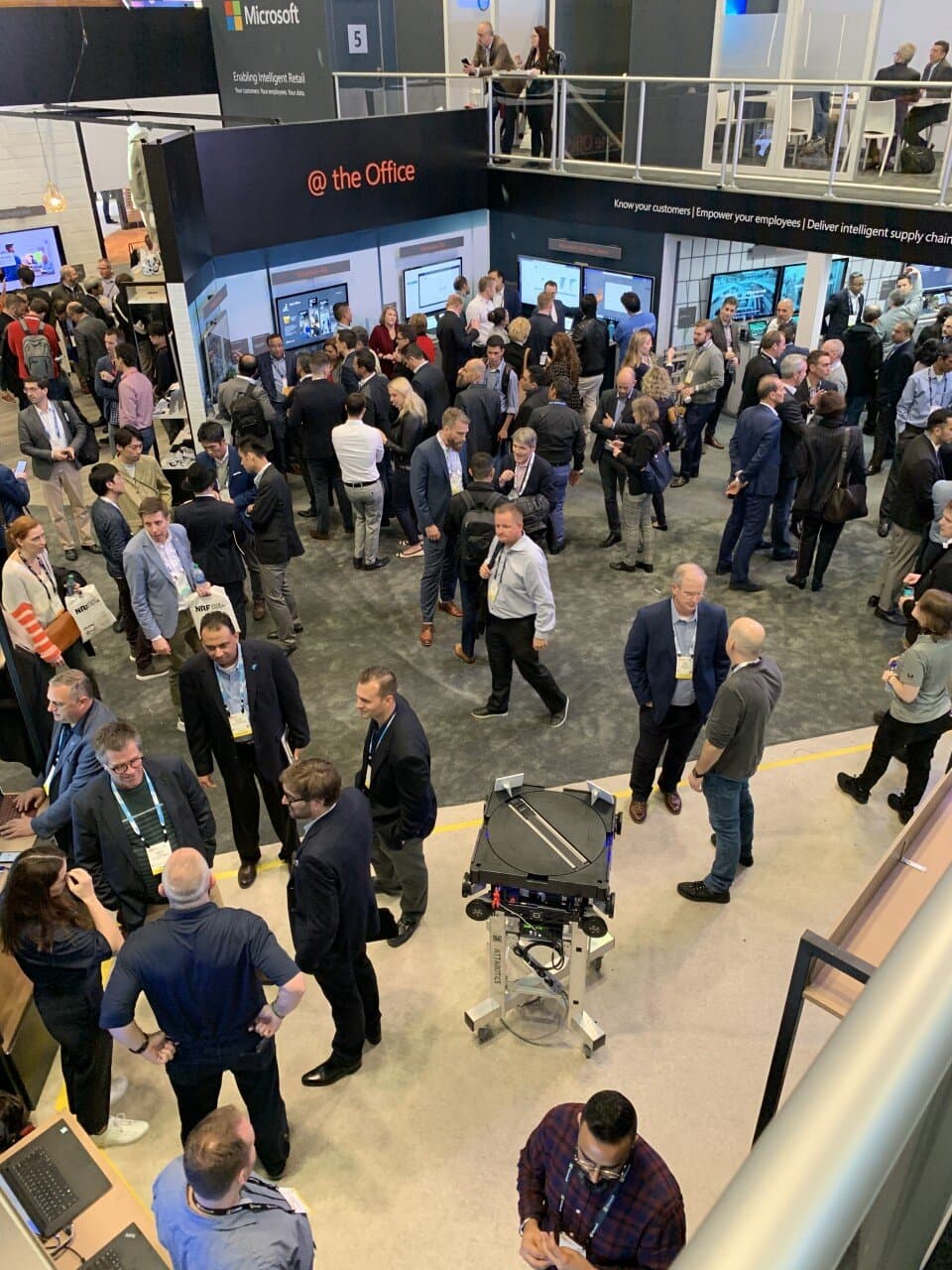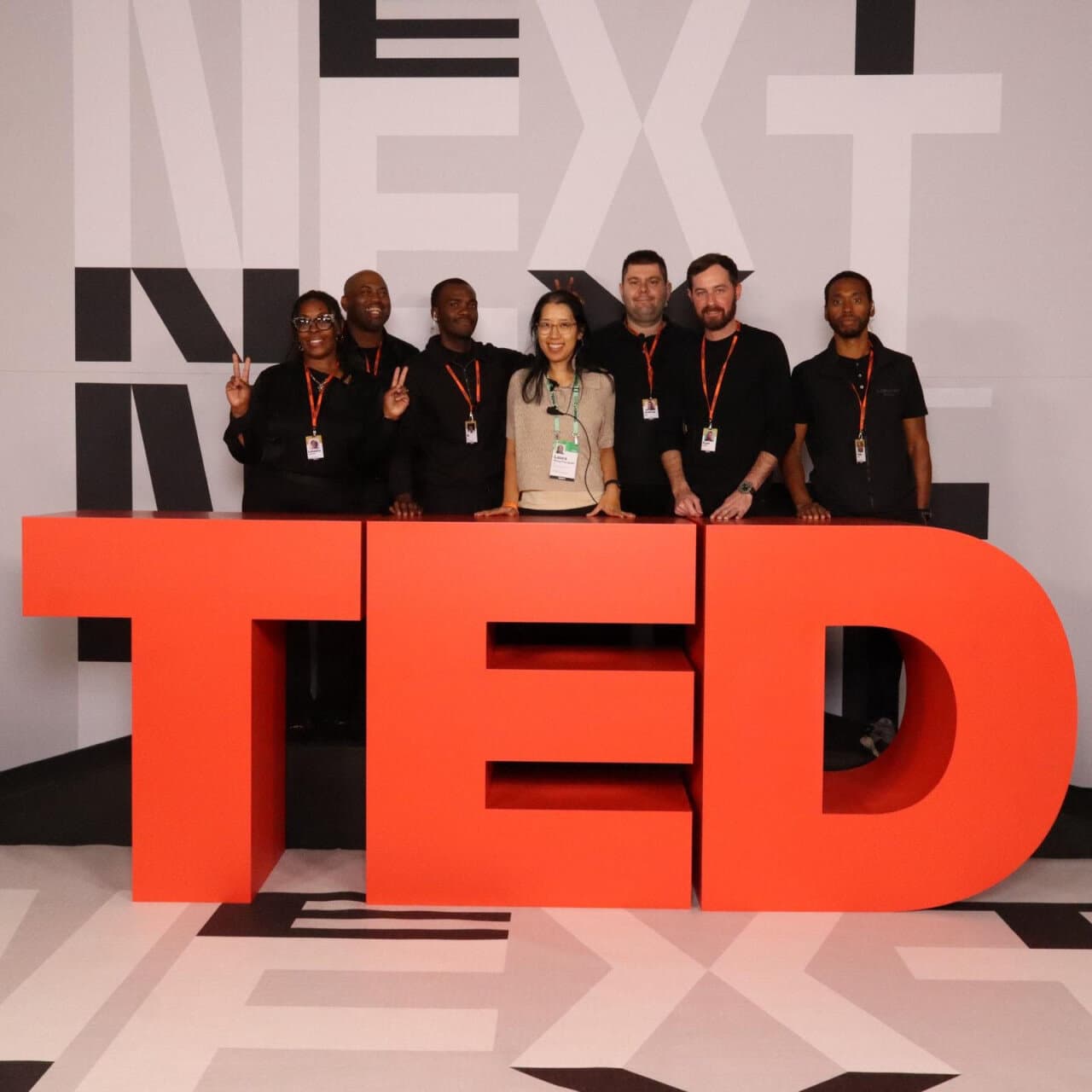
Experiential marketing vs. sponsorship is a budget allocation debate that happens in brand marketing planning meetings across virtually every consumer-facing industry. Both strategies involve connecting brands to events and consumer experiences. But they operate through fundamentally different mechanisms — and understanding the distinction clearly is essential to optimizing your event-related marketing investment.
Defining the Two Approaches
Sponsorship is a paid association between a brand and an event, property, or organization. Sponsorships deliver logo placement on event materials, stadium naming rights, category exclusivity, and in some cases activation rights within the event footprint. The brand pays for the right to be associated with the event's equity, but the consumer experience is created by the event, not the brand.
Experiential marketing is a brand-owned consumer experience — a brand activation, pop-up, sampling program, or immersive installation that the brand designs, staffs, and controls entirely. The brand creates the consumer interaction rather than renting association with someone else's event.
Many brands do both simultaneously: sponsoring an event to gain access rights, then deploying an experiential activation within the event to create the actual consumer interaction. This hybrid approach is the most common model for major consumer goods and lifestyle brands at premier events.
The ROI Case for Sponsorship
Sponsorship delivers scale and brand association that experiential marketing alone cannot. Stadium naming rights reach millions of viewers per game through broadcast exposure. Title sponsorship of a major festival delivers logo visibility to hundreds of thousands of attendees and the media coverage that reaches millions more.
Sponsorship ROI is typically measured in earned media value (what the equivalent advertising exposure would cost), brand equity uplift (consumer perception surveys pre- and post-sponsorship), and category exclusivity protection (preventing competitors from associating with the same event property).
The challenge with sponsorship ROI is attribution — it is genuinely difficult to draw a direct line from logo placement at an event to consumer purchase behavior. Sponsorship builds brand awareness and brand meaning, but the mechanism is passive and the measurement is indirect.
The ROI Case for Experiential Marketing
Experiential marketing delivers measurable, direct consumer engagement. When Air Fresh Marketing deploys brand ambassadors at a consumer event, we count every sample distributed, every lead collected, every consumer interaction completed. Cost-per-engagement is calculated precisely.
For product trial and purchase conversion, experiential marketing's ROI case is exceptionally strong. A product sampling program with 25% trial-to-purchase conversion at a $2 product value and $0.50 sampling cost per consumer can deliver a 4:1 immediate ROI before any repeat purchase effects are considered.
Experiential marketing also delivers qualitative consumer insight — what consumers say when they first encounter your product, what objections they raise, what delights them — that sponsorship cannot provide.
Where They Work Best Together
The most effective event marketing strategies use sponsorship and experiential marketing together. Sponsorship provides the access rights and brand association. Experiential activations — built and staffed by Air Fresh Marketing's experiential marketing agency — create the consumer interaction that translates association into engagement, trial, and purchase intent.
A beer brand that sponsors a music festival and also deploys sampling ambassadors, a branded bar experience, and interactive brand games is getting sponsorship scale plus experiential depth. Neither approach alone delivers what the combination achieves.
Budget Allocation Recommendations
For brands choosing between sponsorship and experiential marketing investment, the stage of brand development matters significantly. Early-stage brands with limited awareness need experiential marketing's direct consumer engagement more urgently than sponsorship's passive brand association. Established brands with high awareness often benefit more from sponsorship's scale.
Our experiential marketing agency recommends allocating at least 40% of event marketing budgets to experiential activation versus passive sponsorship — ensuring that event investments generate measurable consumer engagement rather than logo appearances alone.
Contact Air Fresh Marketing to evaluate your event marketing investment strategy, or request a quote for experiential activation planning that maximizes ROI alongside your event sponsorship investments.