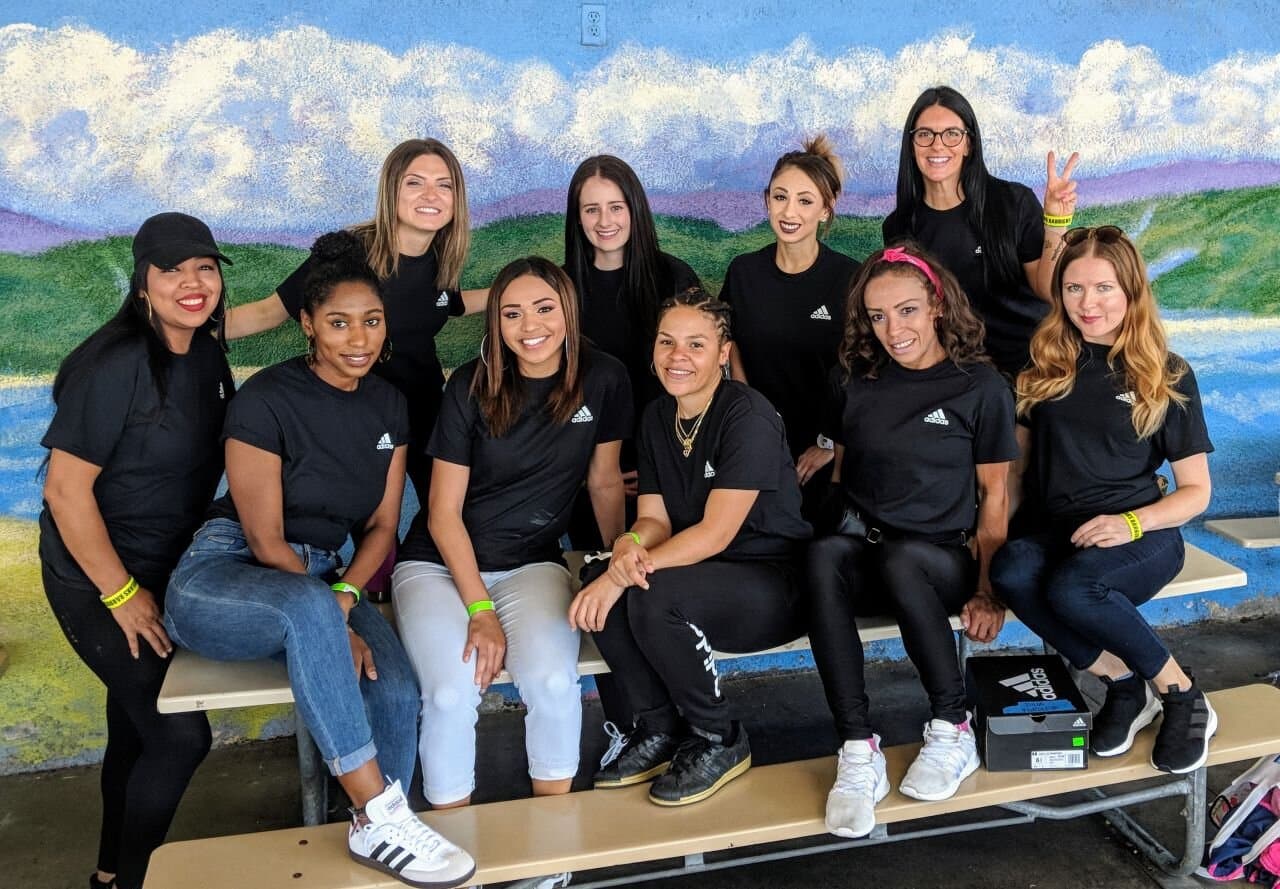
The event staffing industry stands at a fascinating inflection point where artificial intelligence, automation technologies, and data-driven systems are rapidly transforming operational capabilities while the fundamental value proposition of human connection remains irreplaceable. Brands investing in experiential marketing face a landscape where technology can optimize scheduling, predict staffing needs, measure performance in real time, and personalize consumer interactions, yet the warmth, authenticity, and emotional intelligence of skilled brand ambassadors continues to drive the consumer experiences that build lasting brand loyalty.
At Air Fresh Marketing, we embrace technology as a powerful tool that enhances our event staffing capabilities while maintaining our core belief that exceptional people delivering authentic experiences remain the foundation of successful brand activations. Understanding where technology adds genuine value and where human expertise remains essential helps brands make informed decisions about their experiential marketing strategies in an increasingly tech-enabled world.
#The Current State of Event Staffing Technology
The event staffing industry has undergone significant technological evolution over the past decade, moving from spreadsheet-based operations and phone tree communications to sophisticated platforms that manage complex, multi-market staffing operations with unprecedented efficiency. Understanding the current technological landscape provides context for evaluating emerging innovations and their potential impact.
Modern staffing platforms combine talent management databases, scheduling systems, communication tools, reporting dashboards, and client portals into unified ecosystems that streamline operations while providing visibility and accountability at every level. These systems enable agencies to manage thousands of staff members across hundreds of events simultaneously, maintaining quality and consistency that would be impossible with manual processes.
Mobile technology has transformed the field staff experience, providing real-time access to event details, training materials, check-in systems, reporting tools, and communication channels directly through smartphones. GPS-verified check-ins, photo documentation, digital time tracking, and instant communication have eliminated many of the reliability and accountability challenges that historically plagued the industry.
Data analytics capabilities have grown from basic attendance tracking to sophisticated performance measurement systems that evaluate brand ambassador effectiveness across multiple dimensions including consumer engagement quality, sampling distribution rates, lead generation, social media impact, and real-time crowd analysis. These analytics inform both immediate event optimization and long-term strategic decisions about talent development and activation design.
#Artificial Intelligence in Talent Matching and Selection
One of the most promising applications of artificial intelligence in event staffing is the optimization of talent matching, where AI algorithms analyze multiple variables to identify the ideal staff assignments for specific events, brands, and consumer audiences. This application addresses one of the industry's persistent challenges: consistently matching the right people to the right opportunities based on skills, experience, personality, availability, and brand fit.
AI-powered matching systems analyze staff profiles across dozens of dimensions including previous event performance scores, brand category experience, demographic alignment with target consumers, language capabilities, geographic proximity, reliability history, skill certifications, and personality assessments. When a new event booking arrives, the algorithm evaluates these factors against event requirements to recommend optimal staff selections, significantly reducing the time and subjectivity involved in manual assignment processes.
Machine learning models improve matching accuracy over time by incorporating outcome data from previous events. When specific talent-event combinations produce exceptional results, the system learns what factors drove that success and applies those insights to future matching decisions. This continuous learning cycle means that AI-powered matching systems become increasingly effective the longer they operate and the more data they accumulate.
However, AI matching also presents limitations and risks that responsible agencies must address. Algorithmic bias can perpetuate historical patterns that may not reflect current best practices or values. Over-reliance on quantitative metrics may undervalue qualitative factors like interpersonal chemistry, creative problem-solving ability, and cultural sensitivity that are difficult to quantify but essential for exceptional brand representation. Human oversight of AI recommendations ensures that technology serves as a decision support tool rather than an autonomous decision maker.
At Air Fresh Marketing, we use technology-assisted matching to enhance our talent selection process while maintaining human judgment as the final arbiter. Our experienced team leaders review AI recommendations against their personal knowledge of staff capabilities, client preferences, and event nuances that algorithms cannot fully capture, delivering the best of both technological efficiency and human insight.
#Automation in Scheduling and Operations
Scheduling and operational management represent areas where automation delivers clear, immediate value without compromising the human element of experiential marketing. The administrative complexity of coordinating hundreds of staff across multiple markets, events, and time zones creates enormous operational overhead that automation can dramatically reduce.
Automated scheduling systems optimize staff assignments based on availability, proximity, qualifications, and cost parameters, producing optimal schedules in seconds that would take human coordinators hours to develop manually. These systems automatically identify scheduling conflicts, suggest alternatives for declined assignments, calculate travel time between sequential bookings, and flag potential issues before they become problems.
Communication automation ensures that all stakeholders receive timely, accurate information without manual notification processes. Automated confirmations, reminders, detail updates, check-in prompts, and follow-up communications keep staff informed and accountable while freeing operations teams to focus on exceptions and escalations rather than routine information distribution.
Reporting automation transforms raw event data into actionable insights without manual compilation and analysis. Automated reports can be generated in real time during events, summarized daily for client review, and aggregated across programs for strategic analysis. This automation eliminates the delays and errors inherent in manual reporting while providing more comprehensive and timely information to all stakeholders.
#Predictive Analytics for Demand Planning
Predictive analytics powered by machine learning models enable staffing agencies to anticipate demand patterns, optimize resource allocation, and proactively address potential challenges before they impact event execution. These predictive capabilities transform staffing from a reactive to a proactive operation, improving both efficiency and quality.
Demand forecasting models analyze historical booking patterns, seasonal trends, industry events, economic indicators, and client-specific factors to predict future staffing needs weeks or months in advance. This foresight enables agencies to ensure adequate talent availability in high-demand markets, develop training programs aligned with anticipated skill requirements, and allocate resources efficiently across their portfolio of clients and events.
Performance prediction models identify factors that correlate with exceptional event outcomes and flag bookings that may be at risk of underperformance. These models consider variables including staff experience levels, event complexity ratings, weather forecasts, competing events, venue challenges, and historical performance patterns to generate risk scores that guide proactive intervention and quality assurance efforts.
Consumer behavior prediction helps optimize activation design and staffing levels by forecasting attendance patterns, engagement rates, and sampling consumption based on event type, location, timing, weather, and competitive activity. These predictions inform decisions about staff numbers, product quantities, and activation hours that maximize consumer reach while minimizing waste and idle time.
#The Rise of Hybrid Digital-Physical Experiences
The integration of digital technologies into physical brand experiences creates new roles and skill requirements for event staff while expanding the potential impact of experiential activations. Hybrid digital-physical experiences combine the authenticity and emotional power of in-person interactions with the scale, personalization, and measurability of digital engagement.
Augmented reality activations overlay digital content onto physical environments, creating immersive brand experiences that combine real-world interaction with virtual elements. Event staff facilitating AR experiences must understand the technology, troubleshoot technical issues, and guide consumers through digital interactions while maintaining the personal engagement that makes experiences memorable.
Connected device experiences use IoT sensors, RFID tags, mobile apps, and beacon technology to personalize interactions, track consumer journeys, and create data-rich engagement that informs real-time experience optimization. Staff working with connected experiences need technical literacy alongside interpersonal skills, able to explain technology benefits while ensuring it enhances rather than complicates the consumer experience.
Live streaming and virtual attendance options extend event reach beyond physical boundaries, requiring staff who can engage both in-person and virtual audiences simultaneously. This dual-audience engagement demands new skills including camera awareness, verbal communication clarity for remote viewers, and the ability to create inclusive experiences that make virtual attendees feel genuinely connected to the live event energy.
#Data-Driven Performance Optimization
Real-time data collection and analysis during events enables immediate performance optimization that maximizes consumer engagement and sampling efficiency. Sensors, cameras, mobile analytics, and staff-reported data combine to create a comprehensive real-time picture of activation performance that informs immediate adjustments.
Foot traffic analysis using computer vision or sensor arrays reveals crowd patterns, dwell times, flow dynamics, and engagement hotspots that inform staff positioning and activation layout optimization. When data reveals that consumers are bypassing a key interaction point or clustering in unexpected areas, staff can reposition to capture maximum engagement opportunity.
Consumer sentiment analysis through natural language processing of staff-reported conversations, social media mentions, and direct feedback provides real-time insight into brand perception and message effectiveness. This sentiment data enables immediate messaging adjustments, product focus shifts, and staff coaching that improve outcomes throughout the event rather than only informing post-event analysis.
At Air Fresh Marketing, we leverage data-driven insights to continuously optimize our experiential marketing activations and product sampling programs. Our technology infrastructure captures performance data that drives both real-time event optimization and long-term strategic improvement across our client programs.
#Why the Human Element Remains Irreplaceable
Despite rapid technological advancement, the human element of event staffing remains not only relevant but increasingly valuable as consumers seek authentic connections in an increasingly digital world. Technology can optimize, measure, predict, and automate, but it cannot replicate the emotional intelligence, cultural sensitivity, creative adaptability, and genuine warmth that skilled brand ambassadors bring to consumer interactions.
Human connection drives purchasing decisions at a fundamental neurological level. Research consistently demonstrates that face-to-face interactions generate stronger emotional responses, greater trust, and more lasting memories than digital interactions. The mirror neurons that fire when we observe another person's genuine enthusiasm, the oxytocin released during positive social interactions, and the emotional resonance of authentic human connection create brand associations that no algorithm can replicate.
Creative problem-solving in dynamic event environments requires human judgment that artificial intelligence cannot yet match. When weather changes force activation modifications, when crowd dynamics create unexpected challenges, when individual consumers present unique needs or concerns, skilled event staff apply contextual judgment, empathy, and creativity that rigid automated systems cannot provide. This adaptability is especially valuable in experiential marketing where every consumer interaction is unique.
Cultural sensitivity and emotional intelligence remain distinctly human capabilities that are essential for authentic brand representation. Understanding unspoken social dynamics, reading body language, sensing discomfort, adapting communication styles to individual preferences, and navigating sensitive topics with grace require a depth of social intelligence that AI is decades from achieving, if it ever fully replicates these capabilities.
#Preparing Your Team for the Future
Brands and agencies that will thrive in the evolving event staffing landscape are those preparing their teams for a future where technology augments human capabilities rather than replacing them. This preparation requires investment in both technical literacy and distinctly human skills that become more valuable as technology handles routine tasks.
Technical literacy training ensures event staff can work effectively with new technologies including AR/VR systems, connected devices, mobile apps, digital check-in systems, and data collection tools. Staff who combine interpersonal excellence with technical comfort will be increasingly valuable as hybrid digital-physical experiences become standard rather than exceptional.
Emotional intelligence development becomes a competitive advantage as technology handles more transactional aspects of event staffing. Invest in training that develops empathy, active listening, cultural sensitivity, conflict resolution, and authentic communication skills that differentiate human interactions from automated ones.
At Air Fresh Marketing, our brand ambassador training programs balance technical skill development with interpersonal excellence, preparing our talent for a future where both capabilities are essential. We invest continuously in both technological infrastructure and human development because we believe the best results come from the intersection of these investments.
#Ethical Considerations in Tech-Enabled Staffing
The integration of AI and automation into event staffing raises important ethical considerations around privacy, bias, transparency, and workforce impact that responsible agencies must address proactively. As stewards of both client brands and staff wellbeing, agencies have obligations to implement technology ethically.
Privacy concerns arise from the extensive data collection that enables AI-powered optimization, including consumer behavior tracking, staff performance monitoring, facial recognition, and personal data processing. Brands must ensure transparent data practices, appropriate consent mechanisms, secure data storage, and compliance with evolving privacy regulations while still leveraging data for performance optimization.
Algorithmic bias can perpetuate or amplify existing inequities in hiring, assignment, and evaluation if not actively identified and corrected. Regular bias audits, diverse training data, human oversight of algorithmic decisions, and transparent criteria for AI recommendations help ensure that technology promotes equity rather than undermining it.
Workforce impact considerations include the potential displacement of operational roles through automation, the changing skill requirements for event staff, and the economic implications of technology-driven efficiency gains. Responsible agencies invest in retraining, create new roles that leverage human capabilities alongside technology, and share efficiency gains with their workforce through improved compensation and working conditions.
#The Convergence of Technology and Experience
The future of event staffing lies not in choosing between technology and human connection but in their thoughtful convergence. The most successful experiential marketing programs will leverage AI for optimization and efficiency while deploying skilled humans for the authentic interactions and creative adaptability that drive genuine brand loyalty.
This convergence requires strategic thinking about where technology adds genuine value versus where it creates unnecessary complexity or detracts from authentic experience quality. Not every technological capability should be deployed at every event. The decision to integrate technology should be driven by consumer experience enhancement rather than novelty or operational convenience alone.
Brands that achieve the optimal balance between technological sophistication and human authenticity will create experiential programs that are simultaneously more efficient, more measurable, and more emotionally resonant than those that over-index on either dimension alone. This balance represents the future competitive advantage in experiential marketing.
#Conclusion
The future of event staffing is being shaped by artificial intelligence, automation, predictive analytics, and emerging technologies that enhance operational efficiency and expand experiential possibilities. Yet the irreplaceable value of authentic human connection ensures that skilled brand ambassadors will remain at the center of successful experiential marketing for the foreseeable future. The question is not whether technology will replace humans in event staffing but rather how technology will empower humans to deliver even more exceptional brand experiences.
At Air Fresh Marketing, we invest in both cutting-edge technology and exceptional human talent because we understand that the future belongs to organizations that master both dimensions. Our event staffing solutions combine technological sophistication with the warmth, creativity, and authenticity that only skilled people can provide. Contact us today to discover how our future-ready approach to event staffing can elevate your brand activations in an increasingly tech-enabled world.