Guerrilla marketing ideas flood the internet, but most are theoretical fantasies that ignore budgets, permits, logistics, and the fundamental question every marketing director asks: "Will this actually generate business results, or just go viral for a day?"
This guide skips the unworkable gimmicks and focuses on guerrilla marketing tactics that real brands have used to generate measurable results: brand awareness, lead generation, social amplification, and sales. Every idea here has been executed successfully, and every one can be adapted to your brand, market, and budget.
What Makes Guerrilla Marketing Work in 2026
Before the ideas, let us ground ourselves in what makes guerrilla marketing effective:
Surprise. Guerrilla marketing succeeds because it appears where consumers do not expect marketing. The surprise creates attention and engagement that conventional advertising cannot achieve.
Relevance. The best guerrilla campaigns connect to something the audience already cares about: a cultural moment, a local landmark, a shared frustration, a trending conversation.
Shareability. If your guerrilla activation is not photographable, filmable, and share-worthy, it is just a weird display that confuses people. Design for social sharing from the concept phase.
Scalability. A guerrilla campaign that works in one location should be replicable across markets. The best ideas have a simple core that can be adapted to any city with local customization.
Now, the ideas that actually work.
Idea 1: Branded Street Team Flash Experiences
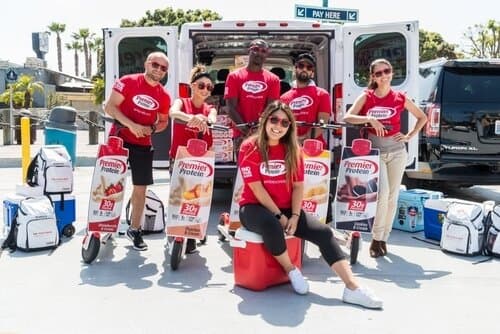
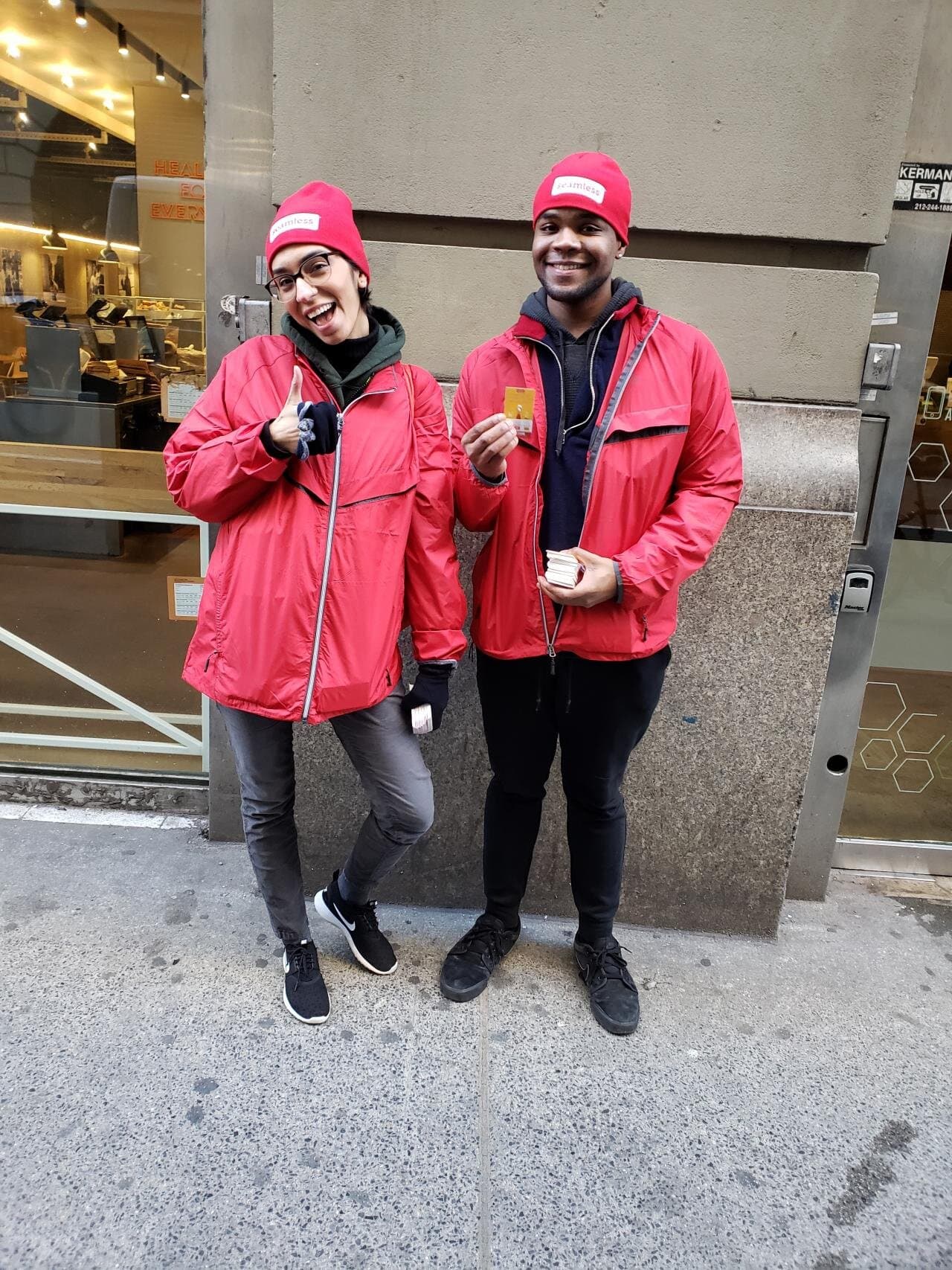
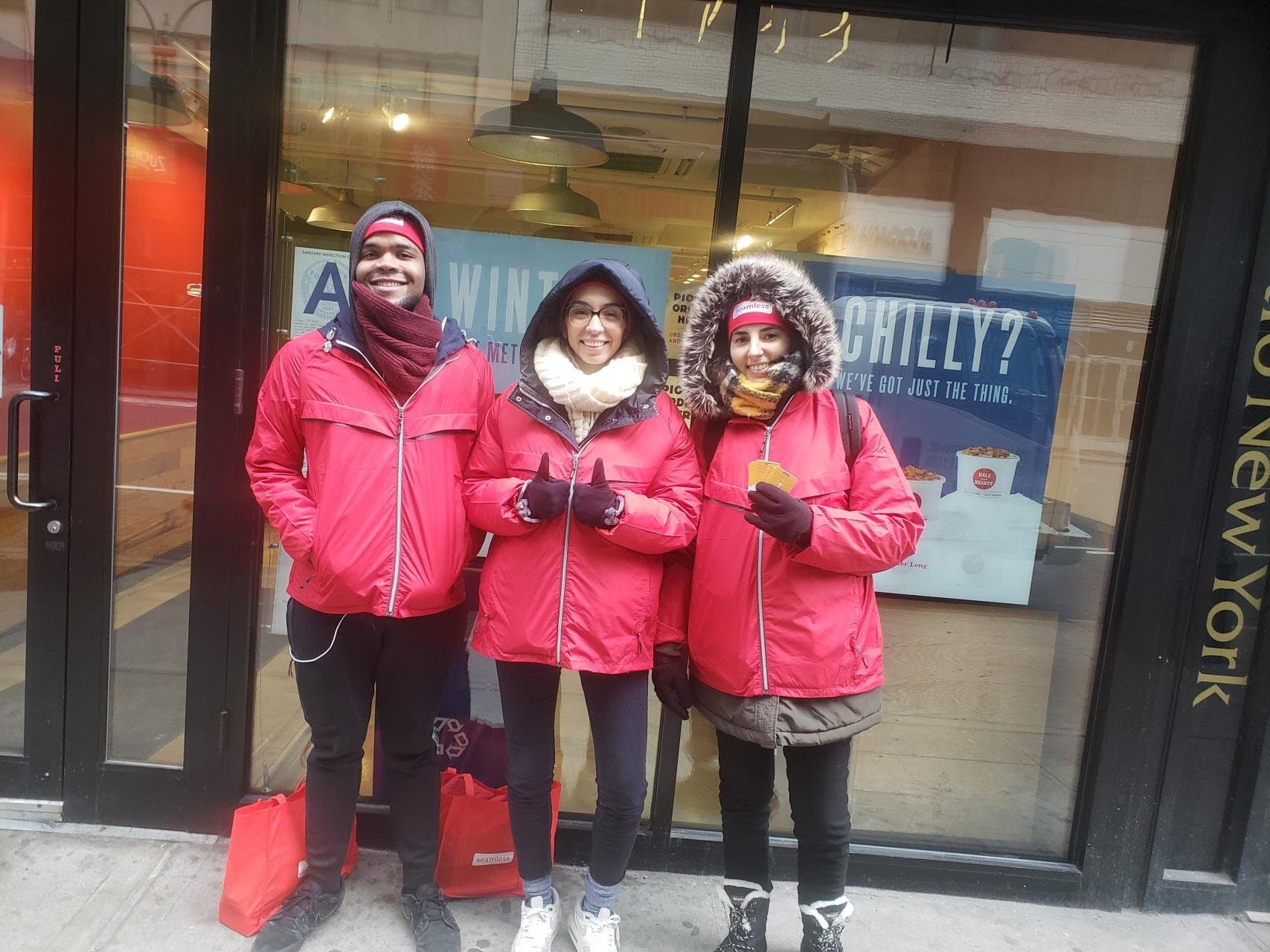
The concept: Deploy a team of branded ambassadors who create unexpected, delightful micro-experiences in high-traffic locations. Not just handing out flyers, creating a moment.
Real example: A coffee brand deployed teams in morning commute locations across New York, Chicago, and Los Angeles. Each team set up a miniature "free coffee lab" with a barista, branded equipment, and premium samples. Commuters who stopped received a freshly made sample, a branded reusable cup, and a QR code for their first online order.
Results: 12,000 samples distributed across three cities over five days. 34% QR code scan rate. 18% first-order conversion. 2,400 social media posts from recipients. Total cost: $45,000. Customer acquisition cost: $20.83.
How to execute: Work with a guerrilla marketing agency that has street team talent and permit expertise in your target markets. Permits are essential. Unauthorized street activations can result in fines and brand damage. Air Fresh Marketing handles permitting as part of every street activation.
Idea 2: Reverse Graffiti and Eco-Art Installations
The concept: Clean branded messages or artwork onto dirty surfaces (sidewalks, walls, underpasses) using pressure washers and stencils. Completely legal in most jurisdictions because you are removing dirt, not adding anything.
Real example: A sustainable fashion brand created clean art installations on grimy sidewalks outside major shopping districts in five cities. The installations said "Clean fashion starts here" with a QR code to the brand's sustainability page. The contrast between the clean branded area and the surrounding dirty sidewalk created visually striking impressions.
Results: 500,000+ foot traffic impressions over two weeks. 8,200 QR scans. 1,100+ social media posts. Coverage in three local media outlets. Total cost: $22,000.
How to execute: Hire a street art team for the installations and brand ambassadors to engage passersby and drive QR scans. Staff positioned near the installations increase social sharing by 3x compared to unattended installations.
Idea 3: Pop-Up Experiences in Unexpected Locations
The concept: Create a branded experience in a location where no one expects commercial activity: a laundromat, a subway platform, a parking garage, a rooftop that is normally inaccessible.
Real example: An energy drink brand transformed a parking garage level in downtown Miami into a neon-lit fitness challenge course. Passersby could see the glow from the street and hear music echoing from the garage. Those who entered were invited to complete a timed obstacle course for a branded prize pack and free product.
Results: 3,200 participants over three days. Average interaction time: 12 minutes. 4,500 social posts with event hashtag. Local TV coverage on two stations. Cost: $65,000.
How to execute: Location scouting is critical. You need property owner permission, insurance coverage, and safety compliance. Brand activation agencies with experiential marketing expertise handle the logistical complexity that makes these campaigns possible.
Idea 4: Ambush Marketing at Major Events
The concept: Create brand presence around a major event without paying for official sponsorship. Position your activation in high-traffic areas near the event venue where attendees will encounter your brand before, during, or after the event.
Real example: A snack brand set up a sampling lounge three blocks from a major tech conference in Las Vegas. Every conference attendee walked past it on their way to and from hotels. The lounge offered free snacks, charging stations, and air conditioning, three things conference attendees desperately want. No conference badge required.
Results: 8,000 visitors over four days. 5,200 product samples distributed. 1,800 email captures. 960 social media mentions. Cost: $38,000 (vs. $250,000+ for official sponsorship). Cost per lead: $21.11.
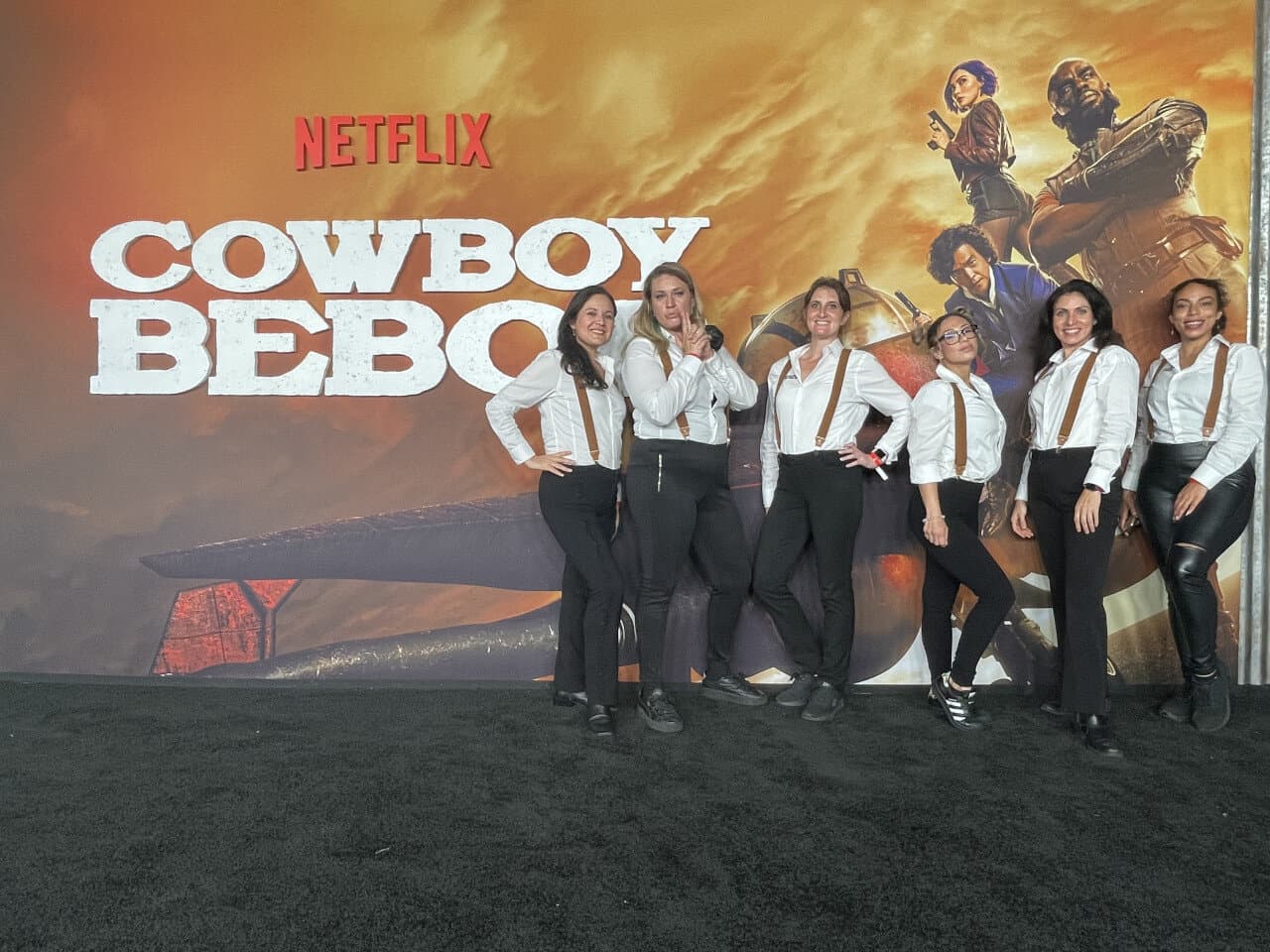
How to execute: Research event venues and attendee traffic patterns. Secure a nearby location. Deploy professional staff who can engage attendees without disparaging the event or its official sponsors. See our event staffing capabilities and browse specific events where we activate.
Idea 5: Human Billboard Campaigns with a Twist
The concept: Branded street teams that go beyond holding signs. They perform, interact, solve problems, or create entertainment value that makes people want to stop and engage.
Real example: A moving company deployed teams wearing branded boxes (like wearable costumes shaped like moving boxes) in busy downtown areas. Each "walking box" carried useful items (phone chargers, umbrellas, snacks) and handed them out to people while sharing the company's moving services and a discount code.
Results: Daily interactions: 400+ per team of five. Discount code redemption rate: 8%. Social media shares: 200+ per day. Two-week campaign generated 120 new customer inquiries.
How to execute: The costume and giveaway combination is key. Branded costumes create visual interest. Useful giveaways create positive associations. Professional brand ambassadors bring the confidence and engagement skills to make the interactions feel natural rather than forced.
Idea 6: Projection Marketing
The concept: Project branded messages, animations, or artwork onto buildings, sidewalks, or landmarks after dark. Creates large-scale visual impact without permanent installation.
Real example: A streaming service promoted a new series by projecting key scenes onto the sides of buildings in five major cities. Each projection included a QR code and premiere date. The projections appeared without announcement on a Thursday night, creating a "what is that?" social media frenzy.
Results: Estimated 2 million impressions across five cities. 25,000+ social media posts in 48 hours. Coverage in major entertainment publications. Series premiere viewership exceeded projections by 22%.
How to execute: Projection equipment and operation requires professional vendors. Positioning staff near projection sites with branded materials and QR codes converts visual impressions into trackable engagements. Check local regulations. Some cities require permits for building projections.
Idea 7: Branded Utility Stations
The concept: Provide something genuinely useful in a high-traffic area, branded with your company. Phone charging stations, water stations, sunscreen stations, umbrella sharing, or Wi-Fi hotspots.
Real example: A sunscreen brand set up free branded sunscreen stations at beach entrances in Los Angeles and Miami during summer weekends. Brand ambassadors staffed each station, offering free sunscreen application and product information. Every station included sampling of the brand's full product line.
Results: 15,000 sunscreen applications over six weekends. 4,200 full-size product samples distributed. 2,800 email captures. 12% online purchase conversion within 30 days. The campaign paid for itself in direct sales alone.
How to execute: Identify your audience's pain point in a specific context. Solve it with a branded solution. Staff the solution with engaging brand ambassadors who can convert utility into brand relationship.
Idea 8: Challenge and Contest Activations
The concept: Create a physical challenge, game, or contest in a public space that draws crowds, creates social content, and rewards participation with your product.
Real example: A fitness apparel brand set up a branded "60-second challenge" in Denver, Phoenix, and Atlanta. Participants had 60 seconds to complete as many reps of a simple exercise as possible. Top performers won product prizes. Everyone who participated got a discount code and a sample product.
Results: 2,400 participants across three markets. Average crowd size watching: 15-20 people. 3,100 social posts from participants and spectators. 890 email captures. 22% discount code usage within two weeks.
Idea 9: Collaborative Community Art Projects
The concept: Invite the public to contribute to a collaborative art project that incorporates your brand message. Murals, mosaics, sculpture builds, or digital art walls where every participant adds something.
Real example: A paint company installed blank white walls in three downtown locations with branded paint supplies. Over one week, community members painted whatever they wanted (with some branded design prompts). Professional artists facilitated. Brand ambassadors engaged participants and shared product information.
Results: 1,200 active participants across three locations. Estimated 50,000 foot traffic impressions. Extensive local media coverage. The murals remained for three months, generating ongoing brand visibility.
Idea 10: Sensory Marketing Installations
The concept: Create installations that engage senses beyond sight (scent, sound, touch, taste) in unexpected public locations.
Real example: A candle company installed scent diffusers in subway entrances and bus shelters in New York during winter. Each location featured a branded sign: "Winter smells better with [Brand]." Nearby brand ambassadors handed out sample candles and promotional cards to people who stopped to smell the installation.
Results: Estimated 200,000 daily exposures across ten locations. 8,000 sample candles distributed over two weeks. 15% redemption rate on accompanying promotional code. Social media reach: 45,000 organic impressions.
Idea 11: Tactical Moment Marketing
The concept: Rapidly deploy guerrilla activations that tie into trending cultural moments, weather events, sports results, or news cycles.
Real example: When an unexpected early snowfall hit Chicago in October, a hot chocolate brand deployed street teams within 24 hours. Teams set up branded hot chocolate stations at L train entrances during morning rush. The speed and relevance of the response generated massive goodwill and social media traction.
Results: 3,000 hot chocolates served in one morning. Trending on local Twitter for eight hours. Coverage on three local TV news broadcasts. Brand name searches increased 340% in the Chicago market that week.
How to execute: This requires a staffing partner with rapid deployment capability. Air Fresh Marketing can activate street teams in most major markets for time-sensitive opportunities.
Idea 12: Branded Scavenger Hunts
The concept: Hide branded prizes throughout a city and use social media clues to guide participants to find them. Combines physical exploration with digital engagement.
Real example: A sneaker brand hid 50 pairs of limited-edition shoes in locations across Los Angeles. Clues were released on Instagram every hour. Brand ambassadors were stationed at each location to verify finds, create content, and manage the experience.
Results: 12,000 active participants following clues over two days. 28,000 social media mentions. Instagram follower growth: 15,000 in 48 hours. Local and national media coverage. Cost per impression: $0.003.
Executing Guerrilla Marketing Successfully
Every guerrilla marketing idea requires three things to work: a concept that surprises, staff who can execute, and logistics that are airtight. The concept gets attention. The staff convert attention into engagement. The logistics ensure nothing goes wrong.
Work with a guerrilla marketing agency that has experience turning bold ideas into executed campaigns. Explore our publicity stunt capabilities, street team services, and field marketing operations.
Air Fresh Marketing has activated guerrilla campaigns in New York, Los Angeles, Chicago, Miami, Denver, Las Vegas, and dozens of other markets. We handle permits, staffing, logistics, and measurement so your guerrilla campaign generates results, not just headlines.
Contact us to brainstorm your next guerrilla campaign and see what unconventional marketing can do for your brand.