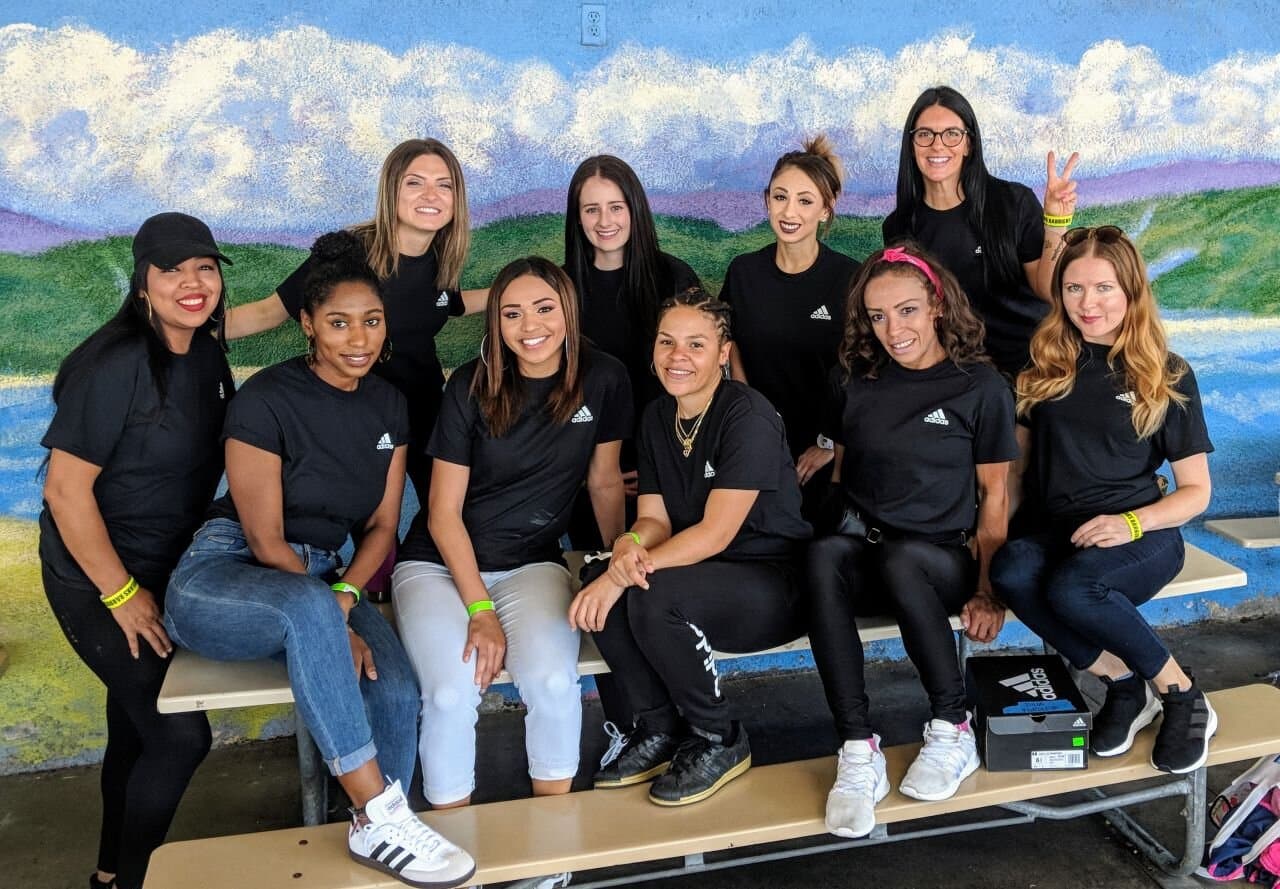
Launching a new product is one of the most exciting—and high-pressure—moments for any brand. Whether you are unveiling a groundbreaking tech gadget, a new beverage line, or a fashion collection, the success of your product launch event hinges on more than just the product itself. The people representing your brand on the ground—your event staff—are the ones who create memorable experiences, drive engagement, and convert attendees into loyal customers.
At Air Fresh Marketing, we have staffed hundreds of product launches across every industry, and we have seen firsthand how proper planning and staffing can make or break a launch event. This guide walks you through every step of hiring event staff for a product launch, from initial planning to post-event analysis.
#Step 1: Define Your Product Launch Goals and KPIs
Before you begin recruiting staff, you need crystal-clear objectives for your product launch event. Your goals will determine everything from how many staff you need to what skills they must possess.
Common Product Launch Goals
- Brand awareness: Maximize impressions and media coverage
- Lead generation: Capture contact information from qualified prospects
- Sales conversion: Drive immediate purchases or pre-orders
- Media engagement: Facilitate press interactions and influencer content creation
- Customer education: Ensure attendees understand product features and benefits
- Social media amplification: Generate user-generated content and social shares
Setting Measurable KPIs
For each goal, establish specific metrics you will track:
- Number of product demonstrations completed
- Leads captured (with qualification criteria)
- Social media mentions and hashtag usage
- Press coverage secured
- Units sold or pre-orders placed
- Net Promoter Score from attendee surveys
These KPIs directly inform your staffing plan. A launch focused on lead generation requires staff skilled in conversation and data capture, while a media-focused event needs polished spokespeople comfortable on camera.
#Step 2: Create Your Staffing Plan and Timeline
Product launch staffing requires more lead time than most brands anticipate. A well-structured timeline ensures you have the right people, properly trained, on launch day.
Recommended Timeline
8-12 Weeks Before Launch:
- Define staffing needs and roles
- Identify staffing agency partners
- Submit staffing requests with detailed requirements
- Begin venue logistics planning
6-8 Weeks Before Launch:
- Review candidate profiles and portfolios
- Conduct interviews or auditions for key roles
- Confirm headcount and schedule
- Develop training materials
4-6 Weeks Before Launch:
- Finalize staff selections
- Distribute product information and brand guidelines
- Schedule training sessions
- Order uniforms and branded materials
2-4 Weeks Before Launch:
- Conduct training sessions (virtual or in-person)
- Complete product knowledge assessments
- Finalize logistics (transportation, parking, load-in)
- Distribute day-of schedules and contact sheets
1 Week Before Launch:
- Final walkthrough with key staff
- Confirm all logistics and contingencies
- Distribute emergency protocols
- Send reminder communications
Day of Launch:
- Staff arrival and check-in (minimum 1 hour before doors)
- Final briefing and position assignments
- Execute event plan
- Real-time adjustments as needed
With Air Fresh Marketing's 48-hour deployment capability, we can also support last-minute staffing needs when timelines are compressed, though longer lead times always yield better results.
#Step 3: Identify the Staff Roles You Need
Product launches require a diverse team with specialized skills. Understanding each role helps you hire the right people for each position.
Front-of-House Roles
Product Demonstrators These are your most critical team members. Product demonstrators must deeply understand your product's features, benefits, and differentiators. They engage attendees one-on-one, walk them through demonstrations, answer technical questions, and overcome objections.
Skills required:
- Deep product knowledge
- Excellent communication and presentation abilities
- Ability to read audience interest and adjust pitch
- Technical aptitude (for tech products)
- Patience and enthusiasm that lasts all day
Brand Ambassadors Brand ambassadors are the face of your company at the launch. They welcome guests, create energy, distribute materials, and ensure every attendee feels valued. Unlike product demonstrators, they focus on brand personality and experience rather than deep technical details.
Skills required:
- Outgoing, approachable personality
- Strong brand alignment
- Professional appearance
- Crowd engagement abilities
- Social media savvy
Registration and Check-In Staff First impressions matter. Registration staff greet attendees, manage check-in processes, distribute badges or materials, and set the tone for the entire event experience.
Skills required:
- Organizational abilities
- Technology comfort (tablets, registration systems)
- Friendly, efficient demeanor
- Problem-solving for registration issues
- Multitasking ability
Emcees and Spokespeople For launches with presentations, keynotes, or media components, a professional emcee or spokesperson elevates the event significantly. They introduce speakers, manage transitions, conduct interviews, and keep energy high.
Skills required:
- Public speaking expertise
- Media training
- Ability to improvise and manage unexpected situations
- Knowledge of the brand and product
- Professional presence and polish
Back-of-House Roles
Event Coordinators On-site coordinators manage logistics, solve problems, communicate with vendors, and ensure the event runs on schedule. They are the operational backbone of your launch.
Technical Support Staff For tech product launches, dedicated technical staff manage demo equipment, troubleshoot issues, reset devices between demonstrations, and ensure technology runs smoothly throughout the event.
Logistics and Setup Crew These team members handle load-in, setup, breakdown, and all physical logistics. They ensure the venue transforms into your launch environment on time and returns to its original state afterward.
#Step 4: Choose Your Staffing Approach
You have several options for sourcing event staff, each with distinct advantages and considerations.
Option 1: Professional Event Staffing Agency
Working with an experienced event staffing agency like Air Fresh Marketing offers significant advantages for product launches:
Advantages:
- Access to pre-vetted, experienced talent nationwide
- Scalability for events of any size
- Built-in backup staff for no-shows
- Professional training infrastructure
- Insurance and liability coverage
- Payroll and HR management handled
- Industry expertise and event planning support
Best for: Major product launches, multi-city events, brands without internal event teams, high-stakes launches requiring guaranteed professionalism.
Option 2: Internal Team Members
Using your own employees for the product launch ensures deep brand and product knowledge.
Advantages:
- Unmatched product expertise
- Complete brand alignment
- Existing relationships with leadership
- No external hiring costs
Limitations:
- Limited scalability
- Takes employees away from daily responsibilities
- May lack event-specific experience
- No backup plan for absences
Best for: Small, intimate launches; VIP events; highly technical products requiring specialized knowledge.
Option 3: Hybrid Approach
Many successful product launches combine internal team members for key roles (spokespeople, technical leads) with professional event staff for scalable positions (brand ambassadors, registration, logistics).
#Step 5: Write Detailed Role Descriptions
Clear role descriptions are essential for attracting the right talent and setting expectations. For each role, include:
Essential Information to Include
- Event name and date(s): Including setup and breakdown times
- Location and venue details: Address, parking information, accessibility
- Shift times: Start, end, and break schedules
- Dress code or uniform requirements: Specific colors, styles, or provided attire
- Physical requirements: Standing duration, lifting, outdoor conditions
- Product/brand overview: What they will be representing
- Key responsibilities: Detailed task list for the role
- Required experience: Relevant background needed
- Compensation: Rate, payment timeline, any bonuses
- Special requirements: Language skills, certifications, specific demographics
Sample Role Description
Position: Product Demonstrator - [Product Name] Launch Event
Date: [Date] | Hours: 7:00 AM - 6:00 PM (includes setup and breakdown)
Location: [Venue Name, City, State]
Compensation: $35/hour + performance bonus potential
Overview: Seeking experienced product demonstrators to support the launch of [Product Name]. Staff will conduct one-on-one and small group product demonstrations, answer questions, capture leads, and drive pre-orders.
Requirements:
- 2+ years of product demonstration or sales experience
- Comfort with technology and ability to learn product features quickly
- Professional appearance and excellent communication skills
- Ability to stand for extended periods
- Must attend mandatory virtual training session on [date]
#Step 6: Train Your Event Staff Thoroughly
Training is where good event staff become exceptional. For a product launch, training should cover:
Product Knowledge Training
- Product features, benefits, and specifications
- Target audience and messaging framework
- Competitive positioning and differentiators
- Common questions and approved answers
- What NOT to say (unreleased features, pricing you cannot confirm)
Brand Training
- Brand voice, personality, and values
- Approved messaging and talking points
- Social media guidelines and hashtags
- Escalation procedures for tough questions
- Media interaction protocols
Event-Specific Training
- Venue layout and staff positions
- Event timeline and programming schedule
- Registration and lead capture procedures
- Emergency procedures and safety protocols
- Communication channels and key contacts
Training Delivery Methods
Air Fresh Marketing's proprietary video training platform allows staff to complete product knowledge training remotely before the event, ensuring they arrive prepared and confident. Live training sessions—whether virtual or in-person—provide opportunities for role-playing, Q&A, and assessment.
Training assessment tip: Quiz staff on key product messages and common questions. Anyone who cannot pass a knowledge check should receive additional coaching or be reassigned to a role requiring less specialized knowledge.
#Step 7: Plan Day-of-Event Logistics
Flawless execution on launch day requires meticulous logistical planning.
Staff Arrival and Check-In
- Designate a staff check-in area separate from guest arrival
- Have a sign-in sheet or digital check-in system
- Distribute radios, badges, and materials upon arrival
- Conduct a brief all-hands meeting to review the day
- Position staff before doors open
Communication Plan
- Primary communication method (radios, earpieces, messaging app)
- Key contact list with phone numbers
- Escalation procedures for issues
- Check-in schedule throughout the day
- Code words for sensitive situations
Break Schedules
- Stagger breaks to maintain coverage
- Designate break areas away from guests
- Ensure adequate hydration and snack access
- Plan for meals during long events
Contingency Planning
- Backup staff on standby (Air Fresh maintains backup talent for every event)
- Equipment failure protocols
- Weather contingencies (for outdoor events)
- Medical emergency procedures
- Guest complaint escalation path
#Step 8: Execute and Monitor Performance
During the event, active management ensures your staff performs at their best.
Real-Time Monitoring
- Circulate among staff positions regularly
- Listen to product demonstrations for accuracy
- Observe engagement quality and guest reactions
- Track lead capture rates and demo completion numbers
- Identify and address issues immediately
On-the-Spot Coaching
- Provide private, constructive feedback
- Share successful techniques observed from top performers
- Adjust positioning or roles if someone is struggling
- Recognize and encourage excellent performance publicly
Data Collection
- Track demonstrations completed per staff member
- Monitor lead quality and quantity
- Capture social media metrics in real time
- Note guest feedback and common questions
- Document any issues for post-event review
#Step 9: Post-Event Evaluation and Follow-Up
The event ends, but the work continues. Proper evaluation ensures each launch is better than the last.
Staff Debriefing
Within 24-48 hours of the event, gather feedback from your event staff:
- What worked well?
- What challenges did they face?
- What questions did guests ask that they could not answer?
- What would they change for next time?
- Did they observe any competitor activity?
Performance Analysis
Compare actual results against your pre-event KPIs:
- Staff attendance rate (no-shows, tardiness)
- Demonstrations completed vs. target
- Leads captured vs. target
- Sales or pre-orders generated
- Social media performance
- Guest satisfaction scores
Agency Feedback
If working with a staffing partner like Air Fresh Marketing, provide detailed feedback on staff performance. This helps agencies refine their talent matching for your future events and builds a roster of proven performers who know your brand.
#Common Mistakes to Avoid When Hiring Event Staff
Mistake 1: Hiring Too Late
Last-minute staffing requests limit your talent pool and eliminate training time. Start the hiring process 8-12 weeks before your launch for best results.
Mistake 2: Underestimating Headcount
Burnout is real. Staff who are overwhelmed cannot deliver quality interactions. Plan for adequate coverage including breaks, rotations, and backup personnel.
Mistake 3: Skipping Training
Even experienced event professionals need product-specific training. Never assume staff will "figure it out" on the day of the event.
Mistake 4: Ignoring Brand Fit
Technical skills matter, but brand alignment is equally important. A product demonstrator who does not embody your brand values will create a dissonant experience for attendees.
Mistake 5: No Backup Plan
No-shows happen. Equipment fails. Weather changes. Always have contingency plans and backup staff available.
#Why Brands Choose Air Fresh Marketing for Product Launch Staffing
When the stakes are high and first impressions are permanent, brands trust Air Fresh Marketing to deliver exceptional product launch staffing. Here is what sets us apart:
- 48-hour deployment: We can mobilize trained staff anywhere in the country within 48 hours
- Video training platform: Our proprietary system ensures staff arrive prepared with deep product knowledge
- W-2 employees: All our staff are W-2 employees, providing you with proper insurance coverage and quality control
- Nationwide network: Over 5,000 experienced event professionals across all major markets
- Proven track record: Hundreds of successful product launches for Fortune 500 brands and startups alike
- End-to-end support: From staffing strategy to post-event reporting, we manage every detail
#Conclusion
Hiring event staff for a product launch is not simply about finding bodies to fill positions—it is about assembling a team that can authentically represent your brand, create meaningful connections with attendees, and drive measurable business results. By following this step-by-step guide, you will be well-positioned to execute a flawless product launch that generates buzz, captures leads, and converts interest into revenue.
Ready to staff your next product launch? Contact Air Fresh Marketing to discuss your upcoming event and learn how our experienced team can bring your launch vision to life.