Pop-up shop staffing is the most underestimated success factor in temporary retail. Brands invest months in concept development, spend thousands on build-out and design, pour money into location scouting and permits, and then staff the experience with undertrained people who cannot convert foot traffic into customers or brand advocates. The result is an Instagram-worthy space that generates content but not revenue.
A successful pop-up shop integrates three elements seamlessly: the right location, the right marketing strategy, and, most critically, the right staff delivering the right experience to every visitor who walks through the door. This guide covers all three.
Why Pop-Up Shops Work in 2026
Pop-up retail is experiencing its strongest growth period ever, driven by several converging forces:
Digital-native brands need physical presence. Brands built entirely online are discovering that physical experiences drive customer acquisition costs 30 to 40 percent lower than digital advertising when executed properly. A pop-up shop gives DTC brands a physical touchpoint without the commitment of permanent retail.
Consumer demand for experiences. Shoppers increasingly prefer experiential retail over transactional retail. A pop-up shop that offers an experience (personalization, exclusive products, interactive elements) attracts visitors that traditional retail does not.
Real estate flexibility. Landlords in prime retail corridors actively court pop-up tenants to fill vacancies and create foot traffic. Short-term leases, turnkey spaces, and pop-up-friendly landlords make it easier and more affordable to secure premium locations.
Social media amplification. A well-designed pop-up generates organic social content at scale. Every visitor becomes a potential content creator, extending your reach far beyond the physical space.
Location Strategy
Choosing the Right Neighborhood
Your pop-up location should be where your target customers already spend time. This means understanding your audience's daily patterns, shopping habits, and social geography.
High-traffic retail corridors in neighborhoods like SoHo in New York, Abbot Kinney in Los Angeles, or Wicker Park in Chicago deliver maximum foot traffic but come with premium pricing.
Emerging neighborhoods offer lower costs and the credibility of discovery. Being in a neighborhood before it peaks can position your brand as culturally relevant and forward-thinking.
Event-adjacent locations near major festivals, conferences, or sporting events capture concentrated foot traffic from your target demographic. Timing your pop-up to coincide with a major event in Miami, Las Vegas, or Austin can multiply your traffic.
Space Requirements
Your space needs depend on your concept, but plan for:
- Retail floor (60 to 70 percent of total space): Product display, customer flow, and interactive elements
- Back of house (15 to 20 percent): Inventory storage, staff break area, office functions
- Checkout area (10 percent): POS system, packaging, queue management
- Exterior activation space (if available): Signage, street team interaction area, line management
Minimum viable pop-up size is typically 400 to 600 square feet. Ideal size for a multi-week activation is 800 to 1,500 square feet.
Permits and Compliance
Pop-up shops require permits that vary by city and state. Common requirements include:
- Temporary business license
- Sales tax permit
- Fire department occupancy certificate
- Signage permits (especially for exterior signage)
- Food handling permits (if sampling food products)
- Music/entertainment license (if playing music or hosting events)
Start the permit process six to eight weeks before your planned opening. Some cities require even longer lead times. Your staffing agency may be able to help navigate local requirements in unfamiliar markets.
Staffing Your Pop-Up Shop
The Staffing Model
A pop-up shop requires a different staffing model than a traditional retail store or event activation. Your team needs to combine the hospitality skills of retail with the engagement energy of experiential marketing.
Shop Manager (1 person): Oversees all daily operations, manages the team, handles escalations, coordinates with your brand team, manages inventory and cash handling. This person should have retail management experience and strong leadership skills.
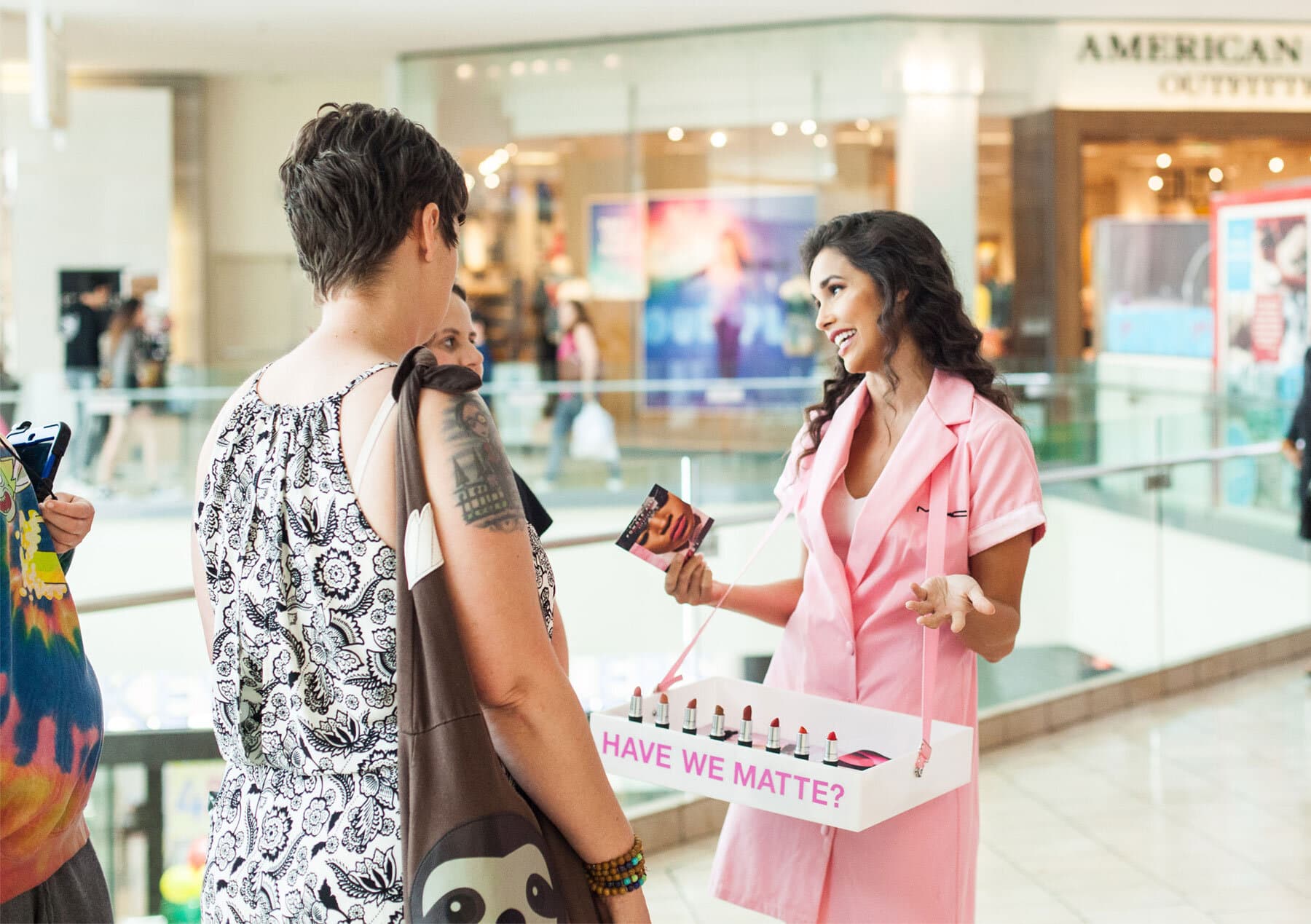
Brand Ambassadors (2-4 people per shift): The customer-facing team who greet visitors, guide them through the experience, tell your brand story, facilitate product interaction, and drive sales. These are not cashiers. They are brand storytellers and experience guides. Work with a professional staffing agency to source ambassadors with the right combination of retail and brand experience.
Checkout/Operations (1 person): Handles transactions, packaging, inventory replenishment, and data capture. This role requires attention to detail and the ability to manage the operational flow without disrupting the brand experience.
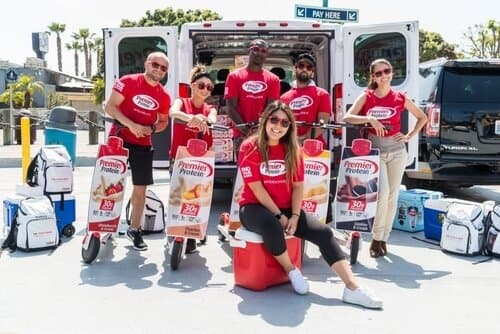
Street Team (2-3 people, optional but recommended): Positioned outside the pop-up to drive foot traffic. They engage passersby, distribute samples or promotional materials, and create energy around the entrance. Street teams can increase walk-in traffic by 40 to 60 percent. Learn more about street team activations.
Hiring Criteria for Pop-Up Staff
Pop-up shop staff occupy a unique space between retail associate and brand ambassador. Look for:
Retail awareness. Understanding of retail flow, upselling, inventory management, and customer service fundamentals. Staff who have worked in premium retail (Apple, Sephora, Nordstrom) bring valuable instincts.
Brand storytelling ability. Pop-up visitors want more than a transaction. They want a story. Staff who can weave your brand narrative into natural conversation create the kind of experience that drives word-of-mouth and social sharing.
Aesthetic alignment. More than any other activation type, pop-up shops require staff who embody the brand's visual identity. This is not about conventional attractiveness. It is about style, energy, and presence that align with your brand positioning.
Sales capability. Unlike event activations where the goal might be awareness or sampling, pop-up shops need to generate revenue. Staff must be comfortable with consultative selling and closing transactions.
Training Program
Pop-up staff training should cover:
Brand immersion (3 hours): Brand history, values, competitive positioning, target customer profiles, brand voice and tone. Include product training with hands-on experience of everything in the shop.
Space walkthrough (1 hour): Tour the space before opening. Review the customer journey from entrance to exit. Identify key interaction points, product highlight areas, and the Instagrammable moments you have designed into the space.
Sales and engagement training (2 hours): Greeting protocols, conversation frameworks, product recommendation approaches, upselling techniques, objection handling, and closing methods. Role-play common scenarios.
Operations training (1 hour): POS system, inventory procedures, opening/closing checklists, security protocols, and emergency procedures.
Experience standards (1 hour): What makes this pop-up special? What experience do you want every visitor to have? What should they feel when they leave? This training turns staff from employees into experience architects.
At Air Fresh Marketing, we build this training into every pop-up staffing engagement. Our team arrives prepared to deliver an experience, not just work a shift.
Marketing Your Pop-Up
Pre-Launch (4-6 weeks before)
Social media teasers: Start building anticipation with behind-the-scenes content, countdown posts, and sneak peeks of exclusive products or experiences.
Influencer seeding: Invite local influencers for a preview day before public opening. Their content drives day-one traffic and credibility.
Email marketing: If you have an existing customer list, invite them with exclusive early access or opening day perks.
Local media outreach: Pitch your pop-up to local lifestyle media, event calendars, and neighborhood blogs. The novelty angle, "limited time only," is inherently newsworthy.
Street team pre-promotion: Deploy brand ambassadors in the neighborhood one to two weeks before opening to build local awareness through flyer distribution and conversations.
During the Pop-Up
Daily social content: Your staff should capture and share content daily: customer reactions, product highlights, behind-the-scenes moments. User-generated content from visitors amplifies reach exponentially.
Events within the event: Host evening events, workshops, product launches, or meet-and-greets during the pop-up run to drive repeat traffic and media coverage.
Partnership activations: Collaborate with complementary brands for co-hosted experiences. A coffee brand and a skincare brand sharing a pop-up space can cross-pollinate audiences.
Real-time optimization: Track daily traffic, conversion rates, and social mentions. Adjust marketing spend and messaging based on what is working.
Post-Pop-Up
Recap content: Produce a highlight video and photo series documenting the experience. This content has long-term value for brand marketing and future pop-up planning.
Customer follow-up: Email every customer and visitor who shared their information with a thank-you, exclusive online offer, and survey.
Performance analysis: Document all metrics (foot traffic, conversion rate, average transaction value, social reach, media coverage) and compare against objectives.
Measuring Pop-Up Shop Success
Track these metrics daily and cumulatively:
- Foot traffic (daily visitors counted at entrance)
- Conversion rate (percentage of visitors who make a purchase)
- Average transaction value
- Total revenue
- Email/data capture count
- Social media mentions and UGC volume
- Media coverage (earned media value)
- Cost per visitor (total pop-up cost / total visitors)
- Cost per customer acquired (total cost / new customers)
- Staff performance (sales per staff member, engagement quality)
View detailed metrics examples from past activations on our results page and portfolio.
Launch Your Pop-Up With Confidence
A successful pop-up shop is a powerful brand-building tool that creates revenue, awareness, content, and customer data in a compressed timeframe. The brands that succeed at pop-up retail treat it as a precision operation: every detail planned, every interaction intentional, every person on staff selected and trained for the specific experience.
Explore our experiential retail staffing and brand activation services. See how we operate in pop-up-friendly markets like New York, Los Angeles, Miami, and Chicago. Learn about our process and how we prepare staff for experiential retail environments.
Contact Air Fresh Marketing for a pop-up shop staffing proposal and create a retail experience your customers will remember.