How to Staff a Music Festival
Staffing a music festival is one of the most complex challenges in event management. A mid-size festival requires hundreds of staff members across dozens of roles, all operating in a high-energy, outdoor, multi-day environment. The quality of your staffing directly impacts attendee experience, sponsor satisfaction, safety, and your festival's reputation.
This guide covers the complete festival staffing process, from calculating headcount to managing teams on-site.
Festival Staffing Roles
Brand Ambassador and Experiential Staff
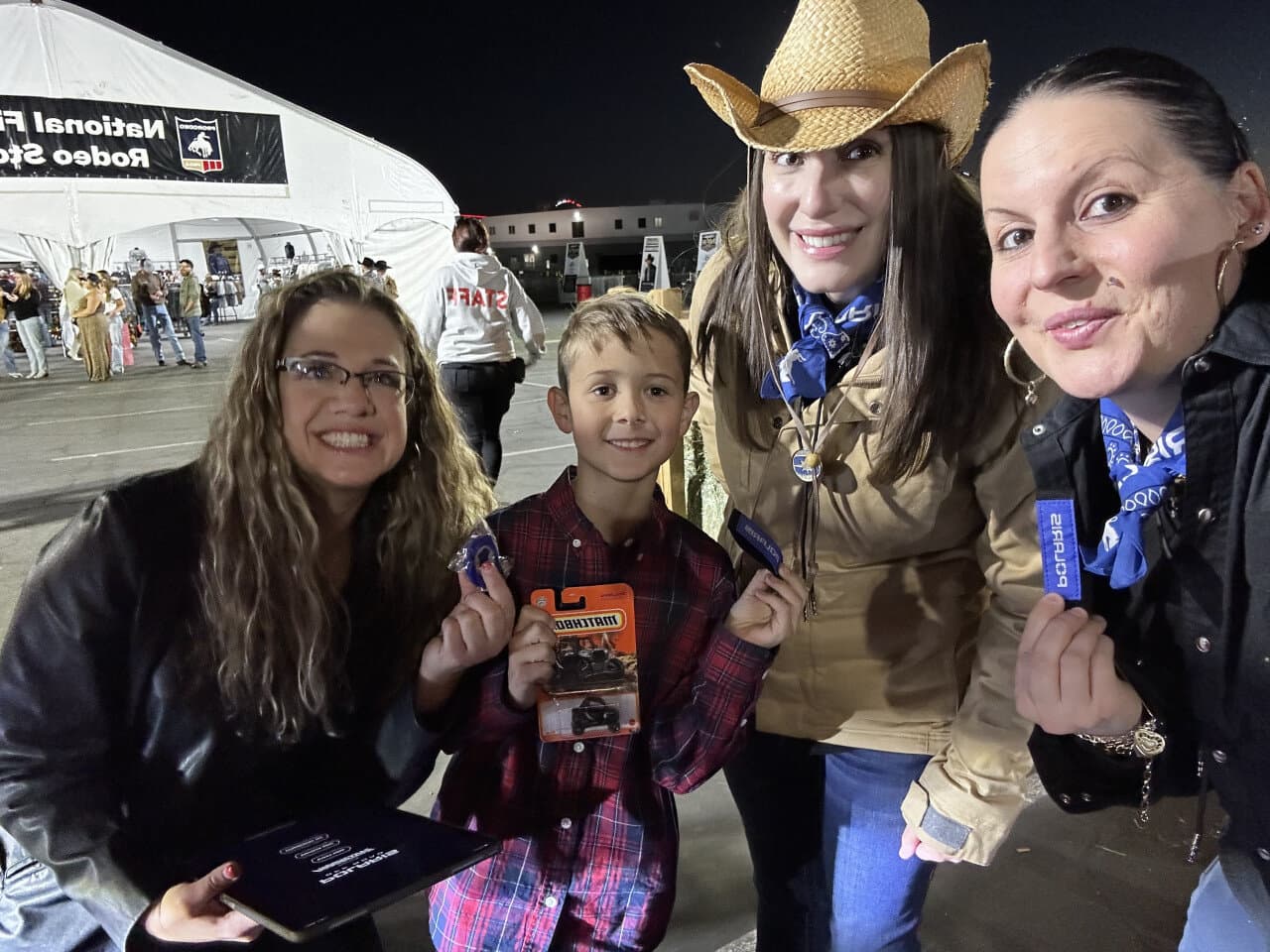
Brand sponsors invest heavily in festival activations, and they need professional brand ambassadors to staff them. Festival brand ambassadors handle product sampling, interactive experiences, social media engagement, data capture, and merchandise distribution within sponsor activation areas.
A single sponsor activation at a major festival might require 10-30 brand ambassadors per day, depending on the activation's size and complexity. Most festivals have 5-20 sponsor activations running simultaneously.
Guest Services and Information
Guest services staff are the festival's frontline problem solvers. They answer questions, provide directions, resolve complaints, and help lost attendees find their way. Guest services requires friendly, knowledgeable staff positioned at information booths, main entrances, and throughout the festival grounds.
Box Office and Credential Staff
Box office staff handle will-call, ticket sales, credential distribution, and wristband application at festival entrances. This role requires attention to detail, cash handling skills, and the ability to maintain composure during high-volume entry periods.
VIP and Hospitality Staff
VIP areas, artist hospitality, and sponsor lounges require dedicated hospitality staff who can provide an elevated guest experience. These staff members manage access control, food and beverage service, and guest comfort in premium areas.
Volunteer Coordinators
Most festivals supplement paid staff with volunteers. Volunteer coordinators recruit, train, schedule, and manage volunteer teams. They serve as the bridge between festival management and the volunteer workforce.
Operations and Production Staff
Stage managers, production assistants, equipment handlers, and logistics coordinators keep the festival's technical operations running. These are often specialized roles filled through entertainment industry staffing channels.
How Many Staff Do You Need?
Festival staffing ratios depend on attendance, number of stages, activation areas, and duration. Here are general guidelines:
Guest services and information:
- 1 staff per 500 attendees (per day)
- Example: 20,000-person festival = 40 guest services staff per day
Box office and credentials:
- 1 staff per 200 expected entries per hour
- Account for peak entry periods (gates open, headliner sets)
Brand activation staff:
- Determined by each sponsor's activation requirements
- Budget 5-15 brand ambassadors per activation per day
VIP and hospitality:
- 1 staff per 25-50 VIP guests
- Plus dedicated bar, food service, and access control staff
Volunteer coordinators:
- 1 coordinator per 20-30 volunteers
The Staffing Timeline
3-4 Months Before Festival
Define all roles and headcount. Create a comprehensive staffing plan listing every role, the number of staff needed for each shift, and specific requirements (skills, certifications, appearance standards).
Engage your staffing partners. For brand activation and experiential staffing, partner with an experienced event staffing agency like Air Fresh Marketing. For security, medical, and technical roles, engage specialized vendors. For volunteers, begin your recruitment campaign.
Create the master schedule. Build a schedule grid showing every role, every shift, every day. Include setup days and breakdown days, not just performance days. Account for meal breaks, shift changes, and overlap periods.
2-3 Months Before Festival
Begin recruiting and screening. Your staffing agency should be sourcing, screening, and pre-qualifying candidates. Review staff profiles for key positions. Request specific skills, language capabilities, or experience for specialized roles.
Develop training materials. Create role-specific training guides covering:
- Festival overview and layout
- Role-specific responsibilities
- Emergency procedures
- Communication protocols
- Dress code and appearance standards
- Prohibited items and behaviors
2-4 Weeks Before Festival
Finalize all staff assignments. Lock in your complete roster with backups for every position. Confirm every staff member's availability, transportation, and any special requirements.
Conduct training. Hold training sessions (in-person or virtual) for all staff categories. Brand sponsor activations often have brand-specific training in addition to general festival training.
Distribute credentials and materials. Prepare staff credentials, uniforms, name badges, and reference materials for distribution at check-in.
Event Week
Staff check-in and on-site briefing. All staff check in at a designated location, receive credentials and materials, and attend a final briefing. Walk the festival grounds with team leads so everyone knows the layout.
Daily management. Each day of the festival requires:
- Morning briefing with team leads
- Shift monitoring and real-time adjustments
- Break management and hydration stations
- Issue escalation and resolution
- End-of-day debrief and next-day preparation
Managing Festival Staff On-Site
Communication
Festival grounds are loud, crowded, and often lacking reliable cell service. Establish communication protocols using:
- Two-way radios for team leads and managers
- A central operations tent as the coordination hub
- WhatsApp or Slack groups as backup for non-urgent communication
- Printed reference cards with key contacts and emergency numbers
Hydration and Welfare
Festival staff often work long shifts in heat, sun, and dust. Failing to care for your staff's basic needs leads to poor performance, no-shows on subsequent days, and potential health emergencies. Provide:
- Shaded rest areas and break zones
- Free water and snacks throughout each shift
- Sunscreen and basic first aid supplies
- Clear break schedules (enforced, not optional)
Performance Monitoring
Assign team leads to roam their zones and monitor staff performance. Team leads should:
- Ensure all positions are staffed and active
- Provide real-time coaching and feedback
- Handle staff issues (fatigue, illness, interpersonal conflicts)
- Report attendance, no-shows, and replacements
- Document noteworthy consumer interactions or feedback
Common Festival Staffing Mistakes
Underestimating headcount. Festival organizers consistently understaff their events. The result is overworked staff, long wait times for attendees, and frustrated sponsors. Always build 10-15% buffer into your headcount.
Ignoring staff experience. Not all staff are suited for festival environments. Festival work requires physical stamina, comfort with outdoor conditions, and the ability to maintain energy and enthusiasm over long, exhausting days. Screen for festival-specific fitness.
Skipping backup staff. No-shows are inevitable at festivals. Have backup staff on call who can be deployed within hours.
Inconsistent training. Every staff member, whether a paid brand ambassador or a volunteer, should receive consistent baseline training on festival layout, emergency procedures, and guest service standards.
Staff Your Next Festival with Air Fresh Marketing
Air Fresh Marketing provides professional festival staffing for organizers and sponsors in every major U.S. market. Our trained brand ambassadors, experiential staff, and team leads have worked festivals of every size, from intimate 5,000-person events to major multi-day festivals with 100,000+ attendees.
Request a quote for your festival staffing needs, or contact us to start planning.