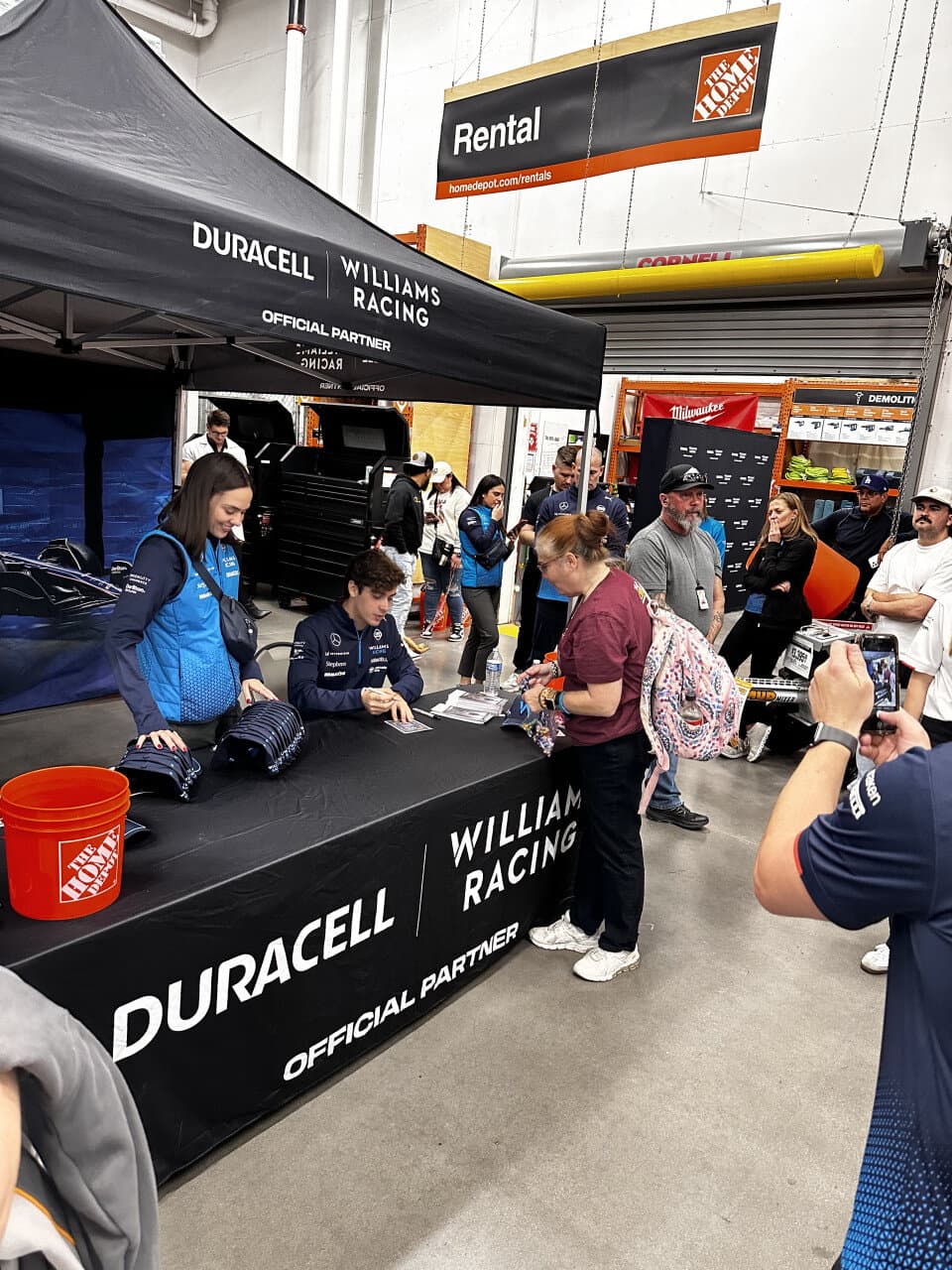
How to staff a brand activation at a major outlet mall or shopping center requires navigating a retail environment that is simultaneously high-traffic, highly regulated, and highly competitive for shopper attention. Mall and outlet center activations can be among the most effective consumer brand programs — but only when staffed with people who understand the mall environment, can engage shoppers in motion, and operate within the specific compliance requirements that mall management mandates.
Understanding the Mall and Outlet Center Environment
Mall and outlet center shoppers are different from grocery or big-box retail shoppers in important ways:
Leisure orientation. Mall shoppers are typically in a leisure mindset — spending the afternoon, making a day of it, open to discovery. This creates more receptivity to brand engagement than the task-oriented mindset of a grocery or home improvement shopper.
High traffic but low attention. The same leisure orientation that creates receptivity also creates distraction. Mall shoppers have many competing stimuli — window displays, food court smells, other activations. Capturing attention requires distinctive, visually engaging activation design and staff who can initiate conversations with passing shoppers effectively.
Brand discovery orientation. Outlet centers in particular attract consumers who are specifically seeking new and premium brands at value price points. This shopper is often genuinely interested in brand discovery — a meaningful opportunity for brands new to the outlet channel.
Mall Activation Compliance Requirements
Major mall and outlet center operators — Simon, Brookfield, Tanger, Premium Outlets — have specific vendor compliance requirements that activation programs must meet:
License agreements. Temporary retail and activation programs in common areas require license agreements with mall management. These agreements govern setup dates, hours, permitted activities, insurance requirements, and staffing conduct standards.
Insurance minimums. Mall operators typically require a minimum of $1 million general liability coverage with the mall named as additional insured. Air Fresh Marketing's insurance coverage meets or exceeds standard mall operator requirements.
Staff conduct standards. Most mall operators prohibit certain engagement behaviors — specifically, soliciting shoppers who have clearly declined engagement, following shoppers, or any conduct that creates a harassment complaint. Staff must be trained on permitted engagement behavior for the specific mall environment.
Physical footprint restrictions. Common area activations are restricted to specific footprint sizes and configurations. Staff must be briefed on these restrictions and trained not to expand the activation footprint beyond licensed areas.
Staff Profile for Mall and Outlet Center Activations
The effective mall activation brand ambassador requires specific interpersonal skills that distinguish this environment from other retail contexts:
Intercept engagement skills. The primary challenge in mall activations is intercepting shoppers who are in motion and converting them to engaged participants. Staff who can open conversations naturally, without blocking traffic or creating awkwardness, are the foundation of successful mall programs.
Energy and presence. Mall activations compete with an entire retail environment for shopper attention. Staff who project genuine energy and enthusiasm — not performed enthusiasm — are more likely to interrupt a shopper's trajectory.
Quick value communication. Mall shoppers who stop give you approximately 30 seconds of initial attention. Staff must communicate the core value proposition — and the specific reason to stop and engage — in that window or lose the interaction.
Rejection resilience. Mall intercept environments involve high rates of shopper non-engagement. Staff who maintain positive energy across hundreds of brief engagements and many declinations outperform staff who become deflated by rejection.
Air Fresh Marketing's professional 1099 contractor model enables performance coaching and management that helps staff develop these skills and maintain them across full activation days.
Activation Formats That Work in Mall Environments
Pop-up retail setups. Temporary brand retail installations in common areas are highly visible and create a destination within the mall environment. These formats benefit from staff who can manage the pop-up as a retail experience, not just a sampling station.
Interactive demonstrations. Product demonstrations — particularly for beauty, personal care, food and beverage, and technology products — attract shopper attention and create extended engagements. Staff who can demo effectively in a high-traffic, open environment drive both sampling and same-day purchase intent.
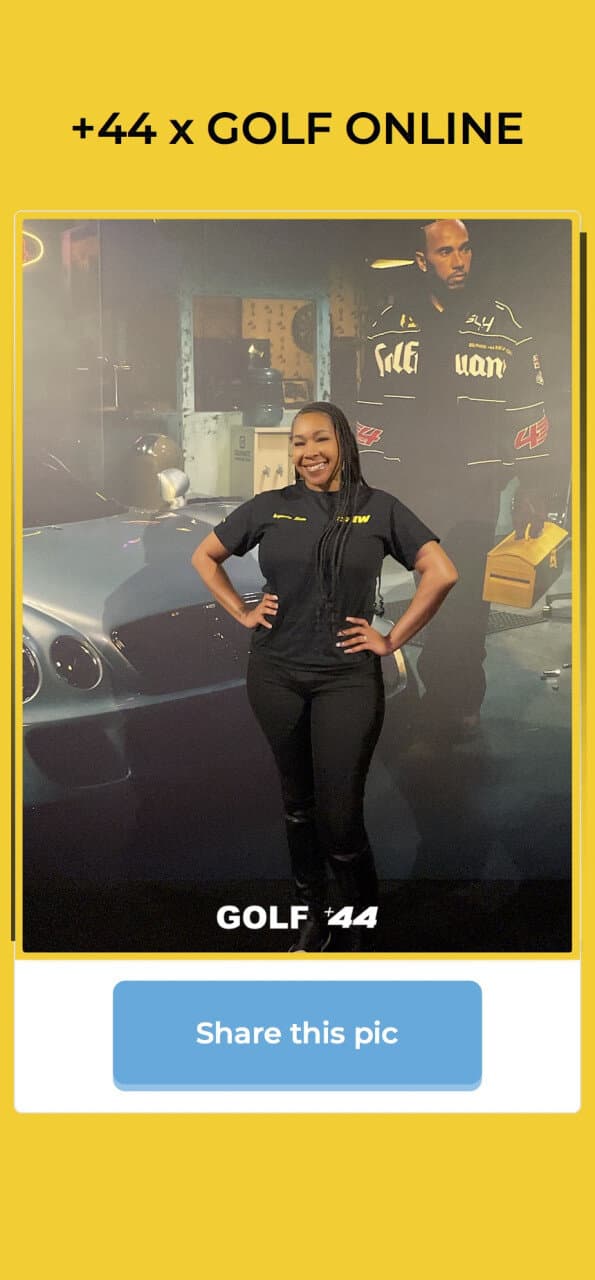
Photo opportunity activations. Branded photo moments — Instagram-worthy installations with staff facilitating the photo experience — generate social media amplification alongside in-person engagement.
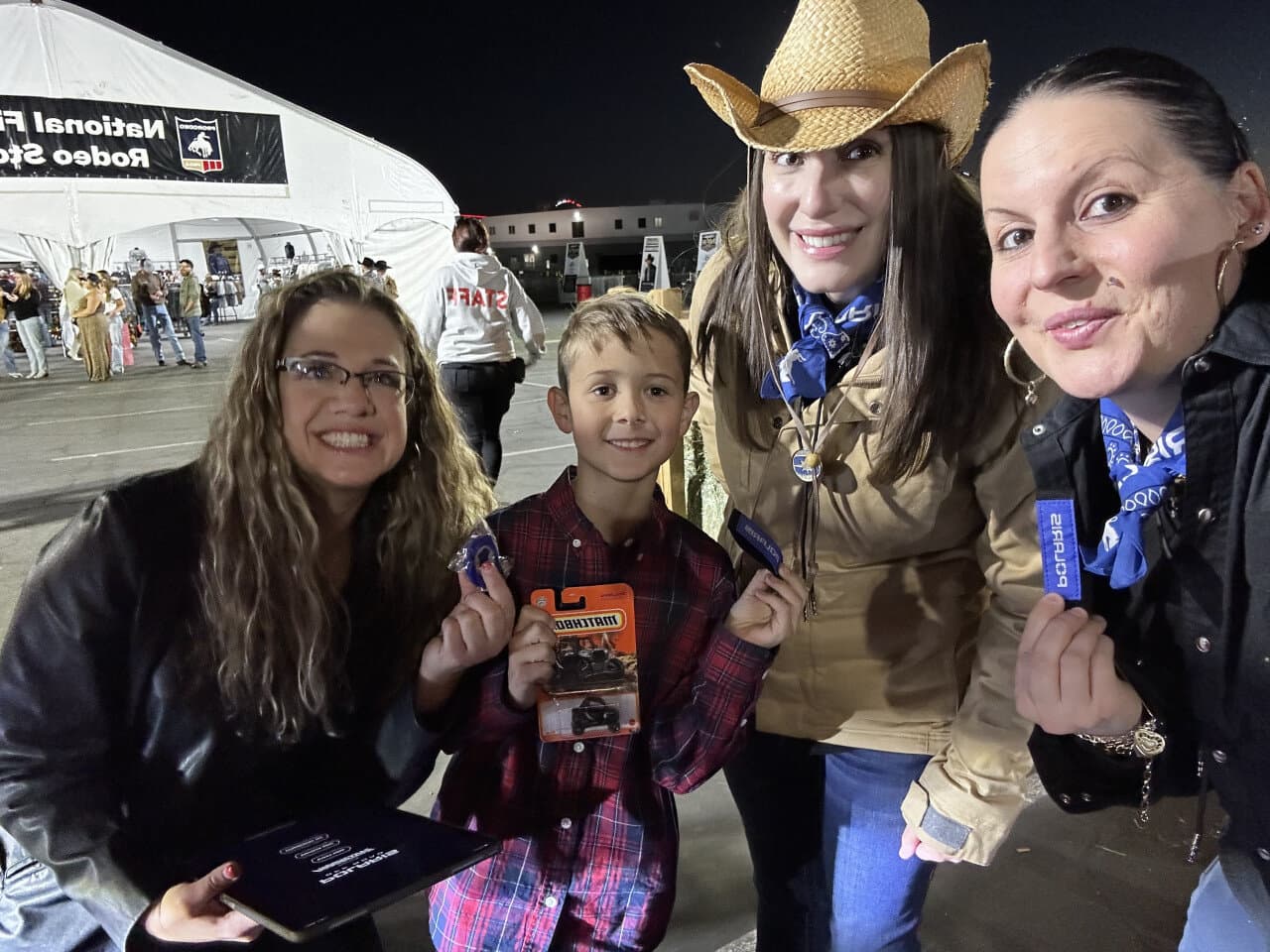
Contest and giveaway programs. Entry-based contest programs drive shopper stop rates and email capture. Staff who can efficiently manage contest entry while engaging participants in brand conversation are key to these programs' ROI.
Outlet Mall Considerations
Outlet centers have a few specific considerations that distinguish them from enclosed malls:
Value-oriented shopper context. Outlet shoppers are motivated by value discovery. Brand activations that integrate with the outlet shopping occasion — featuring outlet-exclusive products, outlet pricing, or outlet channel promotions — achieve higher engagement than activations that do not acknowledge the outlet context.
Outdoor environment factors. Most outlet centers are open-air. Staffing outdoor outlet activations requires weather contingency planning and staff who are comfortable working in variable outdoor conditions across full activation days.
Foot traffic patterns. Outlet center traffic concentrates heavily on weekend mornings and evenings. Staffing schedules should reflect these patterns — placing the strongest staff in peak traffic windows.
Contact Air Fresh Marketing to discuss mall and outlet center activation staffing, or explore our experiential retail staffing and brand activation agency capabilities.