How to staff a subway or public transit brand takeover activation is a question that belongs in the guerrilla marketing strategy toolkit of any brand targeting urban consumers. Transit environments — subway stations, commuter rail platforms, bus terminals, and ferry docks — offer something extraordinarily valuable in the attention economy: a captive audience with nowhere to go and nothing to do but wait.
Why Transit Activations Work
The psychology of transit brand activations is well-understood by experienced experiential marketers:
- Captive audience: Commuters waiting for trains have dwell time ranging from 3 to 12 minutes — enough for meaningful brand engagement
- Receptive mindset: Unlike street-level activations where passersby can dodge engagement, transit platforms create natural queuing behaviors that make opt-in easier
- High frequency: Transit users ride the same routes daily, creating repeated brand impressions
- Demographic targeting by line: In cities like New York, Chicago, and Washington DC, specific subway lines have predictable demographic concentrations
New York's MTA, Chicago's CTA, Washington DC's WMATA, and Boston's MBTA all have established permit processes for brand activations at transit facilities. Air Fresh Marketing's guerrilla marketing team navigates transit permit processes and compliance requirements in all major US transit markets.
Types of Transit Brand Activations
Station takeovers: Full visual domination of a transit station — advertising panels, floor graphics, pillar wraps, and brand ambassador presence create an immersive brand environment. Commonly executed at high-traffic stations like Times Square-42nd Street, Union Station DC, and Grand Central.
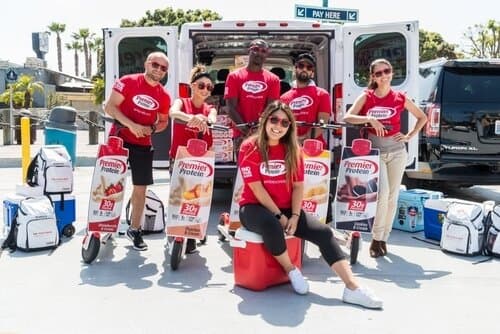
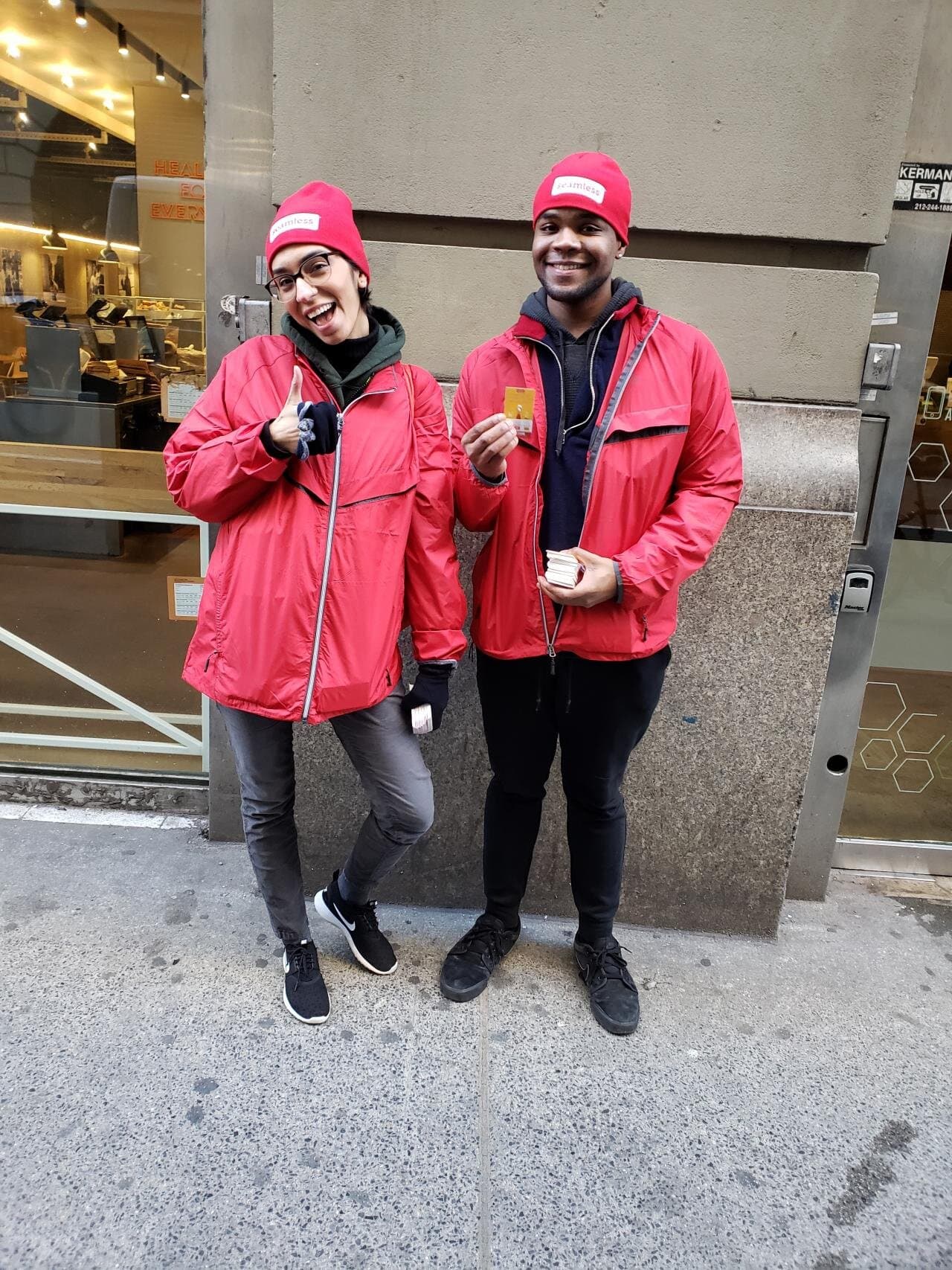
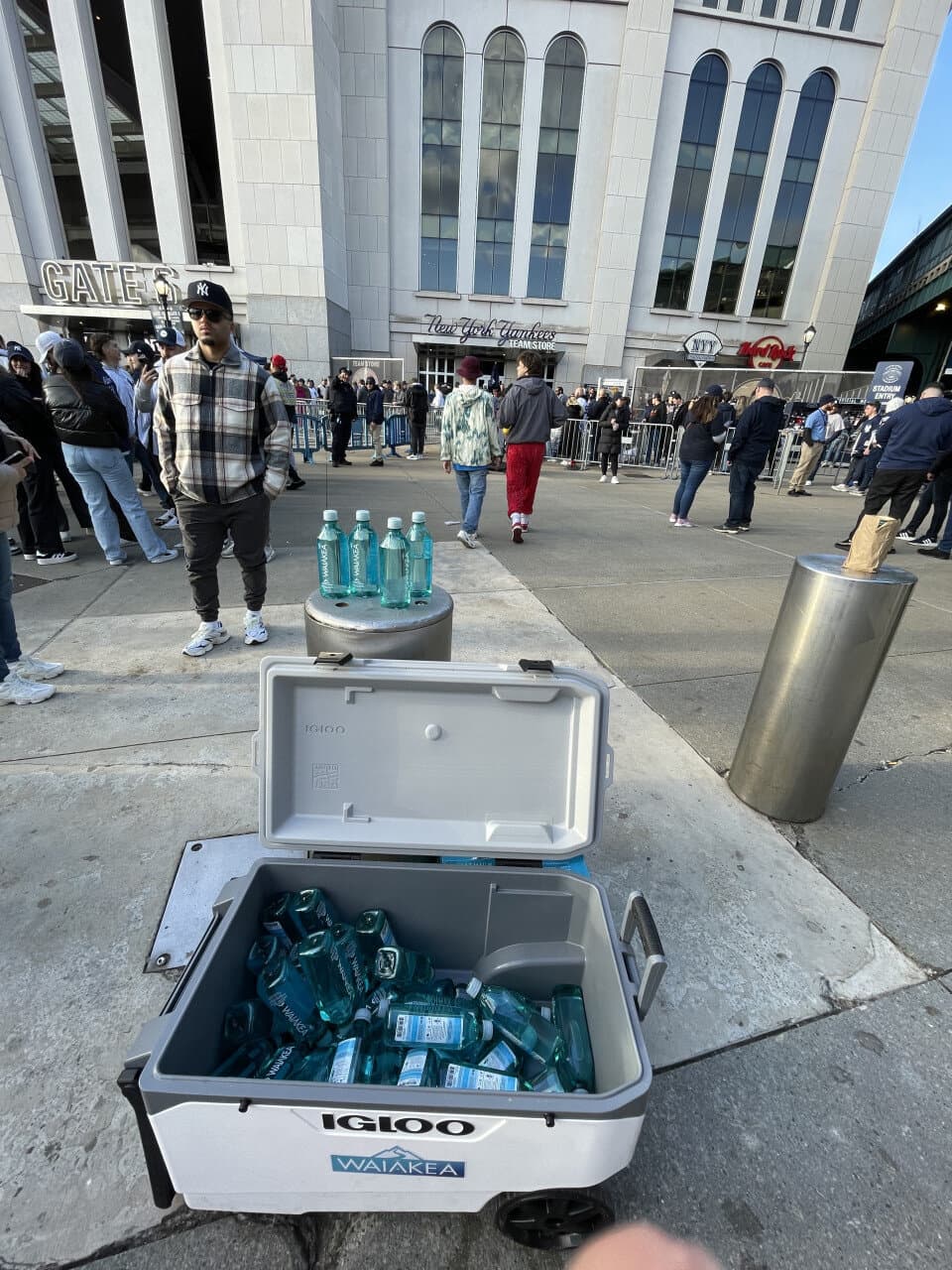
Platform sampling: Smaller-footprint activations where ambassadors distribute samples, collateral, or branded items to commuters during peak hours. Typically permitted as flyering or sampling activities depending on the transit authority.
Train car wraps with platform activation: Exterior train wraps combined with platform ambassador teams — the visual impression from the wrapped train drives consumer curiosity that ambassadors can intercept.
Ferry terminal activations: Ferry commuters are typically higher-income and more receptive to brand engagement than subway commuters. San Francisco's Ferry Building and New York's Staten Island Ferry terminal offer premium activation contexts.
Staffing Transit Activations: Ambassador Profiles
Transit environment staffing requires ambassadors with specific capabilities:
High-volume engagement: Commuter environments are fast-moving. Ambassadors need to make immediate impact in 5-10 second windows.
Resilience and energy: Early morning and evening rush hour shifts are physically demanding. Staff energy must stay high through 2-3 hour peak periods.
Safety and compliance awareness: Transit environments have specific safety protocols. Ambassadors must be trained on platform safety, crowd management, and emergency procedures.
Urban navigational confidence: Ambassadors in subway environments must know the station layout, exits, and commuter flow patterns.
Air Fresh Marketing's brand ambassadors are individually vetted contractors trained for transit environment specifics before each deployment. Our guerrilla marketing agency capabilities include full permit management, transit authority liaison, and real-time supervision for transit activations.
Transit Activation ROI: Making the Case
Transit activations deliver measurable results. A Times Square station takeover reaches 100,000+ commuters daily, creating extraordinary impression volume at a cost-per-impression that compares favorably to paid media. Ambassador interactions, sample distribution, and lead capture all layer trackable metrics onto the broad impression base.
Contact Air Fresh Marketing to plan your transit brand activation, or explore our experiential marketing agency approach to urban guerrilla marketing. Our field marketing agency capabilities include full-city transit activation programs across all major US transit markets.