How to win an experiential marketing award in 2026 requires a strategic approach that begins long before the submission deadline. The major industry awards — Ex Awards (Event Marketer), EDDY Awards (EXHIBITOR magazine), Experiential Marketing Summit Awards, PRWeek Awards, and the POPAI Global Awards — recognize the most impactful, innovative, and measurable experiential campaigns of the year. For agencies and brand marketing teams, these awards provide competitive differentiation, talent recruitment benefits, and client confidence signals that make the submission investment worthwhile.
But most campaigns that deserve to win never do — because the submission itself fails to communicate the work's quality. This guide covers exactly what award juries are looking for and how to build a submission that wins.
Understanding What Experiential Award Juries Evaluate
Jury evaluation frameworks vary by award, but most major experiential marketing awards assess campaigns against four core criteria:
Strategic insight and brief: Did the campaign begin with a genuine consumer insight or business problem? Award-winning campaigns demonstrate that the experiential execution was not arbitrary — it was the right solution to a specific problem. Submissions should articulate the business challenge, target audience insight, and strategic brief that led to the activation approach.
Creative innovation: Was the execution genuinely original? Juries are exposed to hundreds of submissions and quickly identify derivative work. The most successful submissions show how the creative approach was novel — not just in aesthetic terms but in the mechanism of consumer engagement, the technology deployed, or the cultural moment it leveraged.
Execution quality: How well was the campaign actually executed? This is where photography, video documentation, and production quality of the submission itself become critical. A brilliant campaign documented with blurry smartphone video will lose to a good campaign captured with professional production values.
Measurable impact: What results did the campaign achieve? Increasingly, award juries expect campaigns to demonstrate measurable impact — impressions, earned media value, social engagement, sales lift, brand tracking improvement, or other quantified outcomes. Qualitative testimonials are valuable but insufficient alone in 2026.
Building a Measurement-First Campaign Architecture
The most common reason strong campaigns lose awards is that measurement was not built into the campaign design from the start. When measurement is retrofitted after the fact, the data is thin and the attribution is weak. Award-winning campaigns design measurement infrastructure in advance:
Define KPIs before activation: Before the first ambassador takes the floor, establish specific measurable targets — how many engagements, what data capture volume, what social sentiment benchmark, what sales lift objective. This pre-defined measurement architecture makes post-campaign reporting disciplined and defensible.
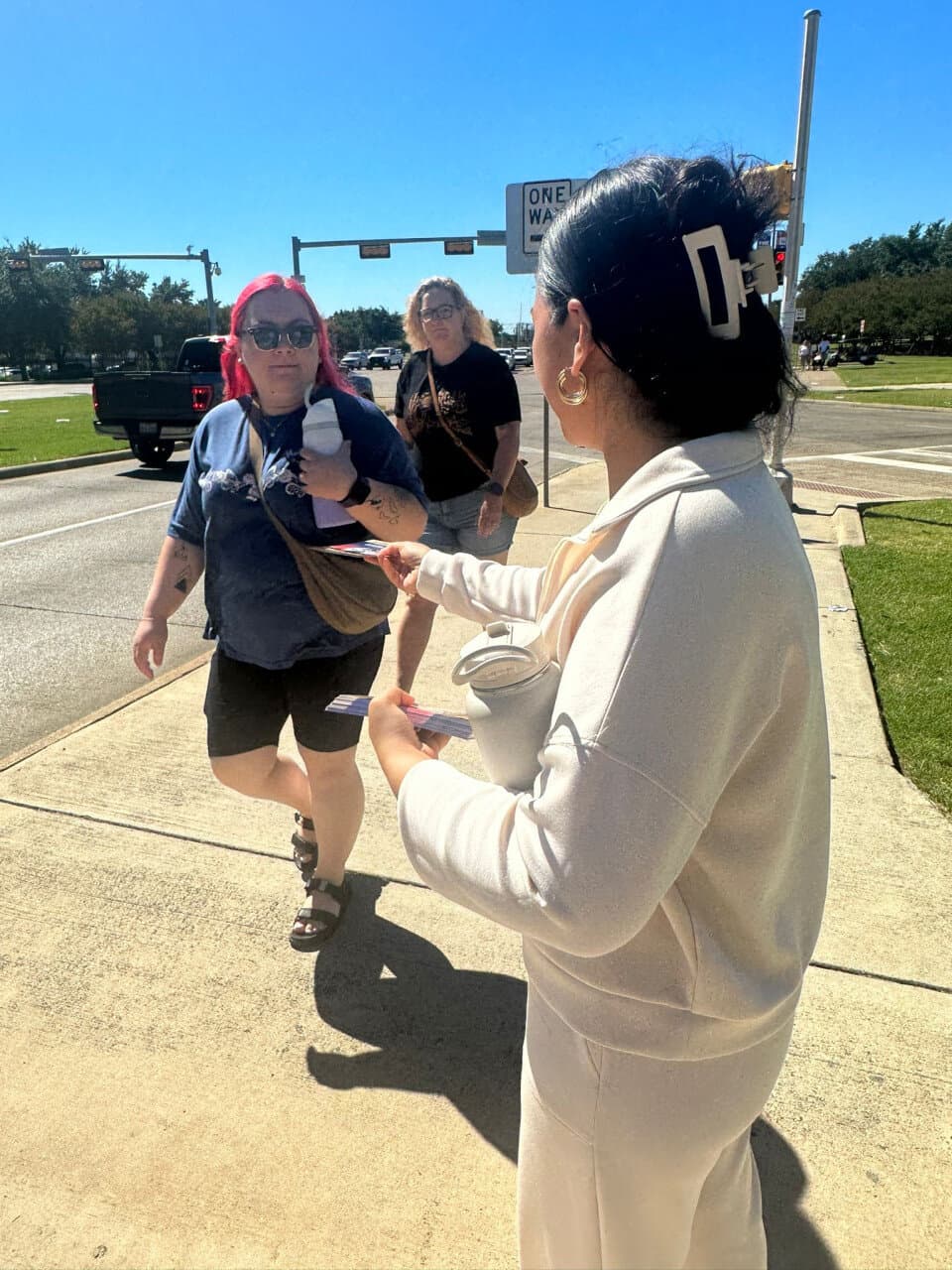
Consumer data capture at activation: QR code engagement, email or phone capture for giveaway entries, survey completion at activation stations, and CRM-integrated lead forms all provide quantifiable engagement data. Ambassadors trained on data capture protocols — a standard component of Air Fresh Marketing's professional staffing model — generate the measurement infrastructure that award submissions require.
Third-party measurement validation: Where possible, use third-party measurement vendors to validate activation impact. IRI or Nielsen sales lift data from retail activations, Numerator consumer panel data, or independent social listening measurement is more credible to award juries than self-reported agency data.
Control group methodology: Establishing pre-defined control markets where the activation did not occur enables genuine causal attribution of results to the experiential program — a measurement sophistication level that consistently differentiates winning submissions.
Photography and Video Documentation Standards
Award submissions that win in 2026 are visually compelling documents. Minimum standards:
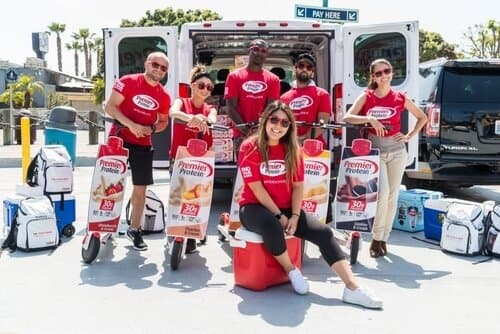
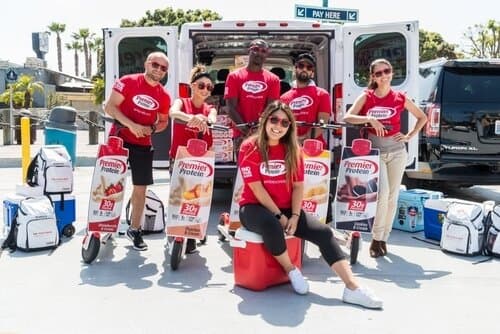
Professional still photography: Hire a professional event photographer for every activation. Capture wide establishing shots, mid-range interaction shots, and close-up emotion shots. Build a library of 200+ high-resolution images. Award submissions with only smartphone photos communicate that the brand did not take the work seriously.
Sizzle reel production: Create a 60-90 second highlight video that opens with the strategic challenge, shows the activation in action with genuine consumer reaction, and closes with measurable results. High production value — color-corrected, music-scored, professional edit — is mandatory for video submissions to major awards.
Consumer reaction capture: The most emotionally compelling award submissions include genuine consumer reaction footage — unscripted moments of surprise, delight, or emotional connection with the brand experience. Train ambassadors to alert photographers when genuine reaction moments occur.
The Submission Narrative Structure
The written submission narrative is as important as the supporting documentation. Award-winning submissions follow a clear story arc:
The Challenge: State the business problem or consumer challenge clearly and specifically. "Our brand had low awareness among 25-34 health-conscious women in the Northeast" is better than "we wanted to reach new consumers."
The Insight: What specific consumer or cultural insight drove the creative approach? The best submissions reveal an insight that, once stated, seems obvious — but was not before the creative team surfaced it.
The Idea: Describe the experiential concept with enough specificity that jury members can visualize it clearly without having been there. Use sensory language — what consumers saw, heard, felt, and experienced.
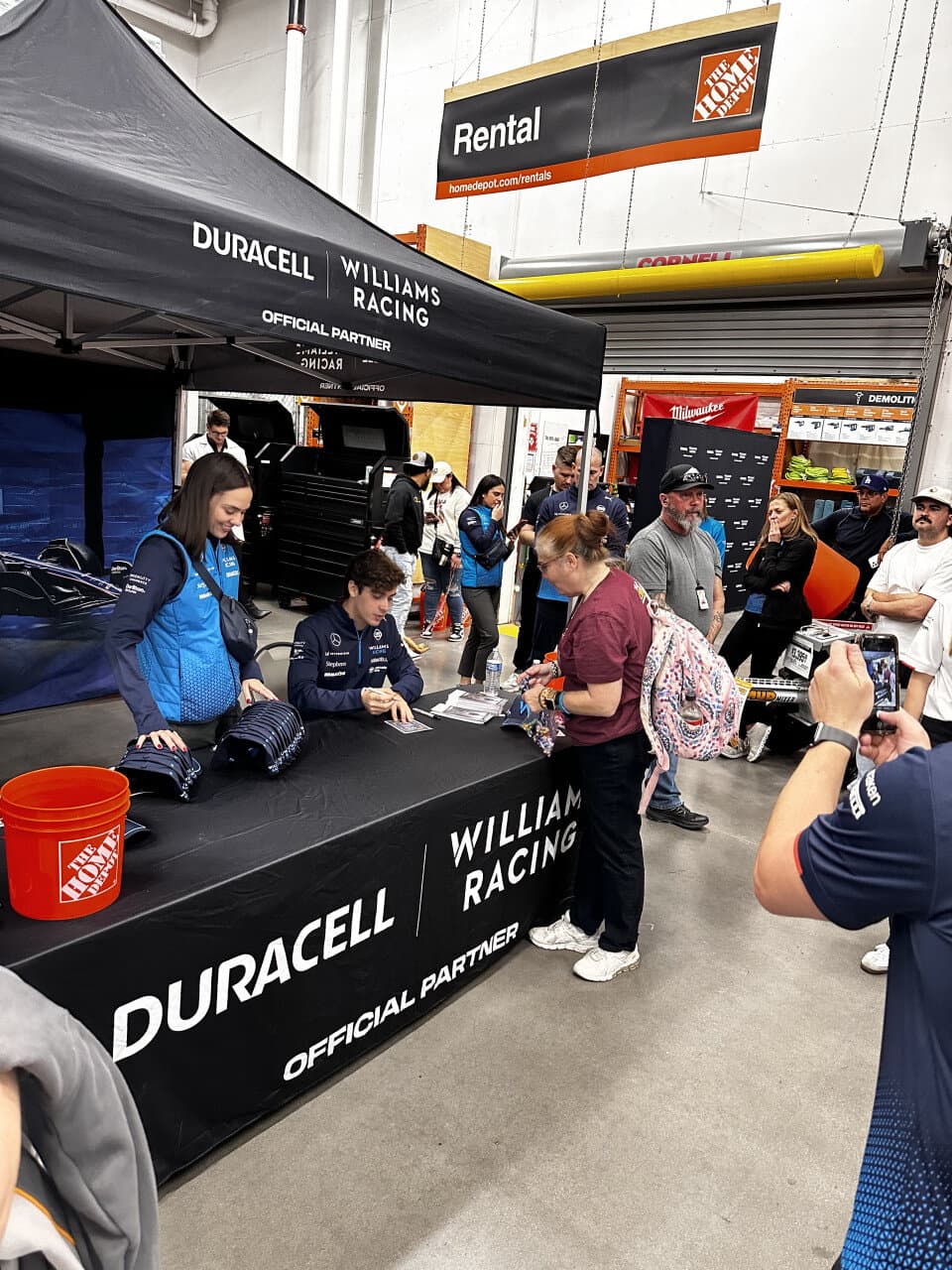
The Execution: Demonstrate scale, quality, and operational excellence. Show the scope — how many markets, how many consumer touchpoints, how many ambassador hours. Air Fresh Marketing's event staffing agency approach enables brands to document staffing quality metrics — professional 1099 contractor model, professional training, supervisor oversight — that demonstrate execution rigor.
The Results: Lead with the most impressive numbers. Organize results in tiers: primary KPI achievement, secondary engagement metrics, earned media value, and qualitative consumer feedback.
Category Selection Strategy
Most major awards have multiple categories — by campaign type, industry, budget range, or technique. Strategic category selection matters:
- Enter in the most specific relevant category rather than the broadest — it is easier to win "Best Consumer Sampling Campaign" than "Best Experiential Campaign Overall"
- Budget-range categories are often less competitive than overall categories — if your campaign ran on a mid-range budget, enter the budget-appropriate category
- New or emerging categories (experiential AI, AR/VR experience, sustainability-focused activation) often have fewer submissions and represent a lower bar to entry
The Top Experiential Marketing Awards to Target in 2026
Ex Awards (Event Marketer Magazine): The most prestigious US experiential marketing award. Categories cover sampling, mobile tours, B2B events, product launches, and more. Submissions open annually in fall.
EDDY Awards (EXHIBITOR Magazine): The leading award for trade show and event exhibit design. Categories cover booth design, interactive technology, sustainability, and integrated campaign excellence.
Experiential Marketing Summit Awards: Summit-affiliated awards with strong industry visibility. Annual submission cycle coinciding with the EMS spring conference.
PRWeek Awards: Broader PR and marketing awards with experiential and events categories. Strong media visibility among marketing industry press.
Event Awards (UK): For campaigns with European footprint, the UK Event Awards provide strong industry recognition in the European market.
Partnering with an Experienced Experiential Agency Helps Your Submission
Award-winning campaigns consistently share one characteristic: they were executed to a professional standard that shows in documentation. Air Fresh Marketing's experiential marketing agency approach — professional 1099 contractor model, professional management, comprehensive measurement infrastructure, and professional photography coordination — produces the quality evidence that award submissions require.
Our brand activation agency clients have produced award-submission-worthy campaigns across Los Angeles, New York, Chicago, Miami, and major markets nationwide.
Contact Air Fresh Marketing to discuss how to design your next campaign with award submission success in mind — and to ensure the execution quality that turns an exceptional idea into documented, award-winning reality.