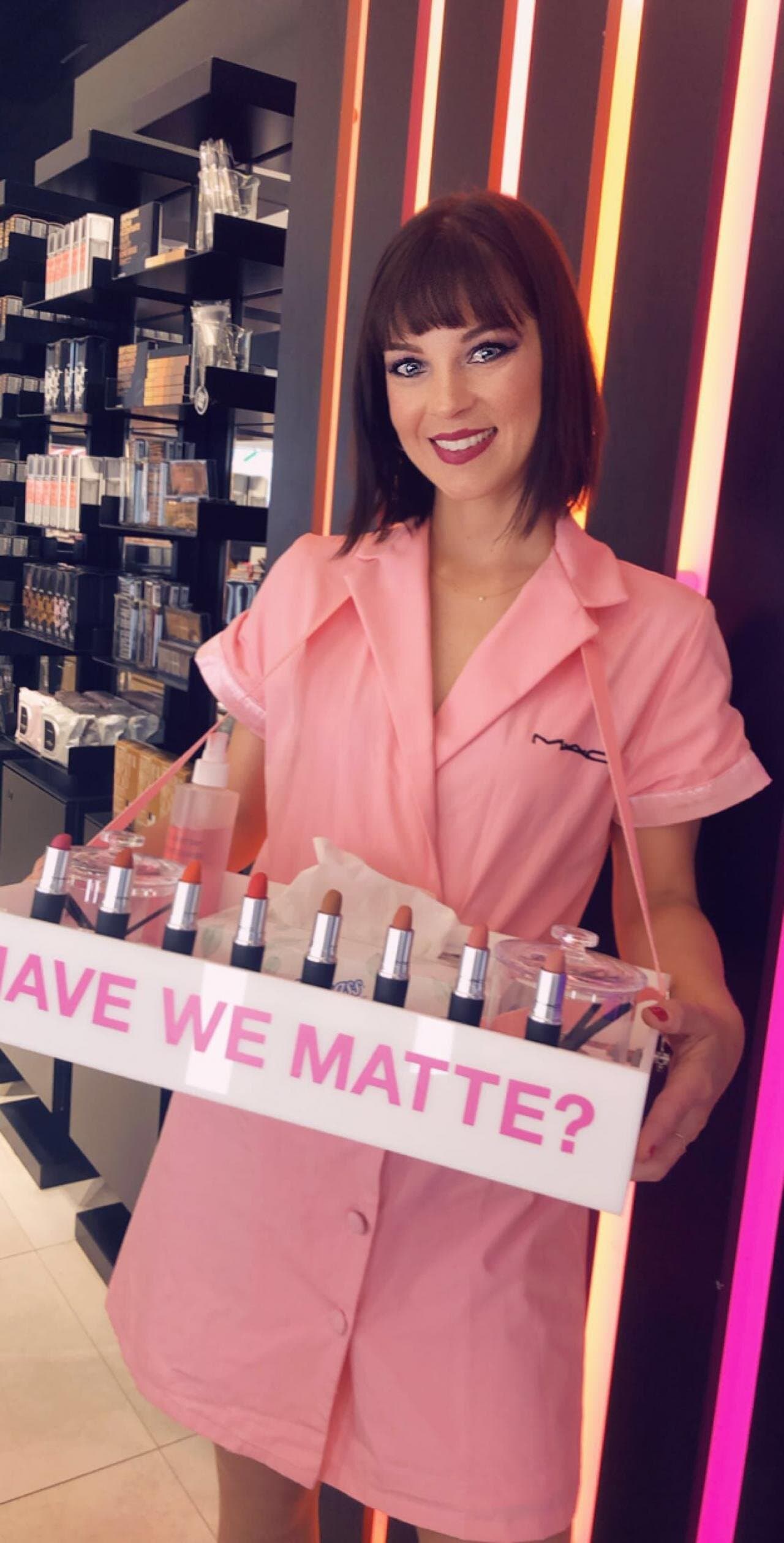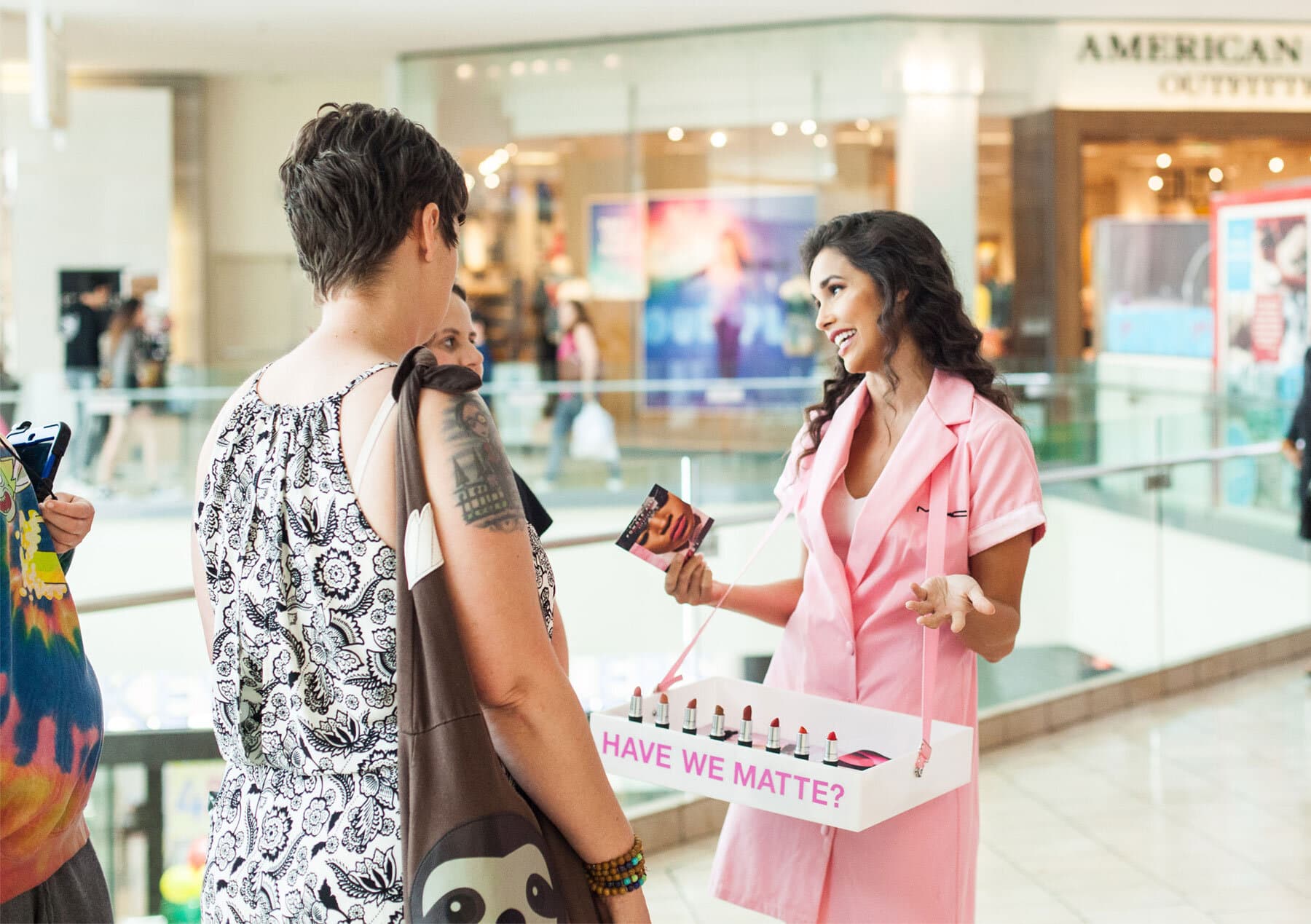
How to write a brand ambassador brief that gets results is a skill that directly impacts how your brand ambassadors perform at events. The brief is the single most important document in your activation planning process. A great brief transforms good brand ambassadors into exceptional ones. A bad brief, or no brief, leaves talented staff guessing, improvising, and underperforming.
This guide walks you through creating a brief that sets your team up for success every time.
Why the Brief Matters
The Performance Gap
Brands that provide comprehensive briefs see measurably better results:
- 40 percent more consumer interactions per hour
- 60 percent higher lead capture rates
- Significantly fewer off-brand messages delivered to consumers
- Higher staff satisfaction and engagement (people perform better when they feel prepared)
What Happens Without a Brief
When brand ambassadors show up without clear guidance, they:
- Default to generic event behavior (smiling, handing out samples, giving vague answers)
- Cannot answer product questions confidently
- Miss lead capture opportunities because they do not know the process
- Represent your brand inconsistently across different staff members
- Feel anxious and underprepared, which consumers can sense
The Essential Sections of a Brand Ambassador Brief
1. Brand Overview
Start with who you are. Even experienced brand ambassadors need context:
- Company name and description: One paragraph about your company
- Brand mission and values: What your brand stands for and why it matters
- Brand voice: How your brand communicates (professional and authoritative? Fun and casual? Bold and edgy?)
- Key differentiators: Three to five reasons your brand is different from competitors
- Target consumer: Who your brand serves and who the event audience will be
Keep this section to one page. Brand ambassadors need enough context to represent you authentically, not an MBA thesis on your market positioning.
2. Product Information
Cover every product that will be featured at the activation:
- Product name and description: What it is and what it does
- Key features and benefits: The top five talking points in order of priority
- Pricing and availability: Where consumers can buy and how much it costs
- Frequently asked questions: The ten most common questions and the approved answers
- Claims restrictions: What staff can NOT say (regulatory restrictions, unverified claims, competitive comparisons to avoid)
Include photos of the product and packaging so staff can recognize and reference them easily.
3. Event Details
Provide every logistical detail staff need:
- Event name, date, and hours: Including arrival time (typically 30 to 60 minutes before start)
- Event address: With specific entrance, parking, and load-in instructions
- Contact information: On-site contact name and phone number for day-of questions
- Dress code: Specific attire requirements with photos or examples
- What to bring: ID, phone charger, any personal items needed for the shift
- What NOT to bring: Items that are prohibited or not appropriate
4. Role Description and Responsibilities
Be specific about what each role entails:
- Position: Greeter, demo specialist, lead capture, team lead, etc.
- Primary responsibilities: The three to five most important things this person does
- Station or position: Where they will physically be located
- Interaction flow: Step-by-step description of a typical consumer interaction
- Escalation protocol: When and how to escalate questions they cannot answer
5. Key Messages and Talking Points
Give staff a messaging framework, not a script:
- The elevator pitch: A 15-second introduction of the brand and product
- The three key messages: The most important points to communicate in every interaction
- The proof points: Statistics, testimonials, or facts that support the key messages
- Conversation starters: Natural ways to initiate engagement with consumers
- Transition phrases: How to move from casual conversation to brand messaging to data capture
Scripts feel robotic. Talking points with suggested language feel natural while keeping messages consistent.
6. Lead Capture and Data Collection
Explain exactly how staff should collect consumer information:
- What data to collect: Email, phone, name, zip code. Specify exactly what fields to capture
- How to collect it: Which app, form, or device to use, with step-by-step instructions
- When to ask: At what point in the interaction to request information
- What to say: Suggested language for asking consumers to share their information
- The incentive: What consumers receive in exchange for their data (coupon, sample, entry to win)
Include screenshots or a demo of whatever technology staff will use for data capture.
7. Performance Goals and KPIs
Set clear expectations:
- Interactions per hour target: How many consumers each person should engage
- Lead capture target: How many leads to collect per shift
- Sample distribution target: How many samples to distribute if applicable
- Quality expectations: What a great interaction looks like vs an acceptable one
- Reporting requirements: What information to report and when
Learn more about the metrics that matter in our guide on measuring brand ambassador performance.
8. Do's and Don'ts
A simple list that prevents common problems:
Do:
- Smile and make eye contact
- Learn consumer names and use them
- Stay off your phone during activation hours
- Stay hydrated and take breaks as scheduled
- Report any issues to the team lead immediately
Do not:
- Make claims about the product that are not in this brief
- Engage in political or controversial conversations
- Leave your station without notifying the team lead
- Post about the event on personal social media without permission
- Consume alcohol during or before your shift
9. Visual References
Include images that help staff understand the brand:
- Brand logos and approved visual identity
- Photos from previous activations
- Product images from all angles
- Uniform or dress code examples
- Activation setup photos or renderings
Brief Format and Delivery
Keep It Concise
The ideal brief is 3 to 5 pages. Anything longer will not be read completely. If you have extensive product information, create a separate product guide and reference it in the brief.
Use Visual Formatting
- Bold headers and subheaders for easy scanning
- Bullet points instead of paragraphs where possible
- Highlight the most critical information with bold text or colored boxes
- Include photos and diagrams
Deliver Early
Send the brief at least 72 hours before the event. This gives staff time to read it, absorb the information, and ask questions. A brief sent the night before creates stress and poor preparation.
Supplement With a Live Briefing
The written brief is essential, but a 30-minute video call or in-person briefing before the event allows staff to:
- Ask questions about anything unclear in the brief
- Hear the brand story in a conversational tone
- Practice key talking points
- Build rapport with the team and the client
Brief Template Checklist
Use this checklist to ensure your brief is complete:
- Brand overview and values
- Product information and talking points
- FAQs and claims restrictions
- Event logistics (date, time, location, parking, contacts)
- Dress code with photos
- Role descriptions and responsibilities
- Key messages and conversation framework
- Lead capture process and technology instructions
- Performance goals and KPIs
- Do's and don'ts
- Visual references
- Emergency contact information
Get Expert Help With Your Brief
Air Fresh Marketing helps clients create effective brand ambassador briefs as part of our activation planning process. We know what information staff need because we work with brand ambassadors every day across 200+ cities.
Get a quote for your next activation, or contact us to discuss how we can help you prepare your team for maximum performance.