In-store sampling vs. event sampling is a decision that CPG brand managers, food and beverage marketers, and consumer goods companies face every time they plan a product trial campaign. Both sampling modalities drive consumer trial and purchase, but they do so through different mechanisms, reach different consumer segments, and deliver different ROI profiles. The right answer depends on your specific product, distribution goals, and the stage of your brand's development.
How In-Store Sampling Works
In-store sampling places trained brand ambassadors at retail locations — supermarkets, grocery chains, natural food stores, club stores, or specialty retailers — to offer product samples to shoppers in the moment of purchase decision. The sampler engages the shopper with a taste, product demonstration, or trial experience, then encourages immediate purchase while the product is on the shelf 10 feet away.
The primary advantage of in-store sampling is proximity to the point of purchase. A consumer who tries your product at a Costco sampling station and enjoys it can pick up a two-pack immediately. The conversion funnel from trial to purchase is measured in steps, not days.
Air Fresh Marketing's product sampling agency deploys trained professional brand ambassadors for in-store sampling programs across national grocery and retail chains. Our professional 1099 contractor model ensures consistent sampling protocols, accurate data collection, and professional representation at the retail accounts where your brand lives.
How Event Sampling Works
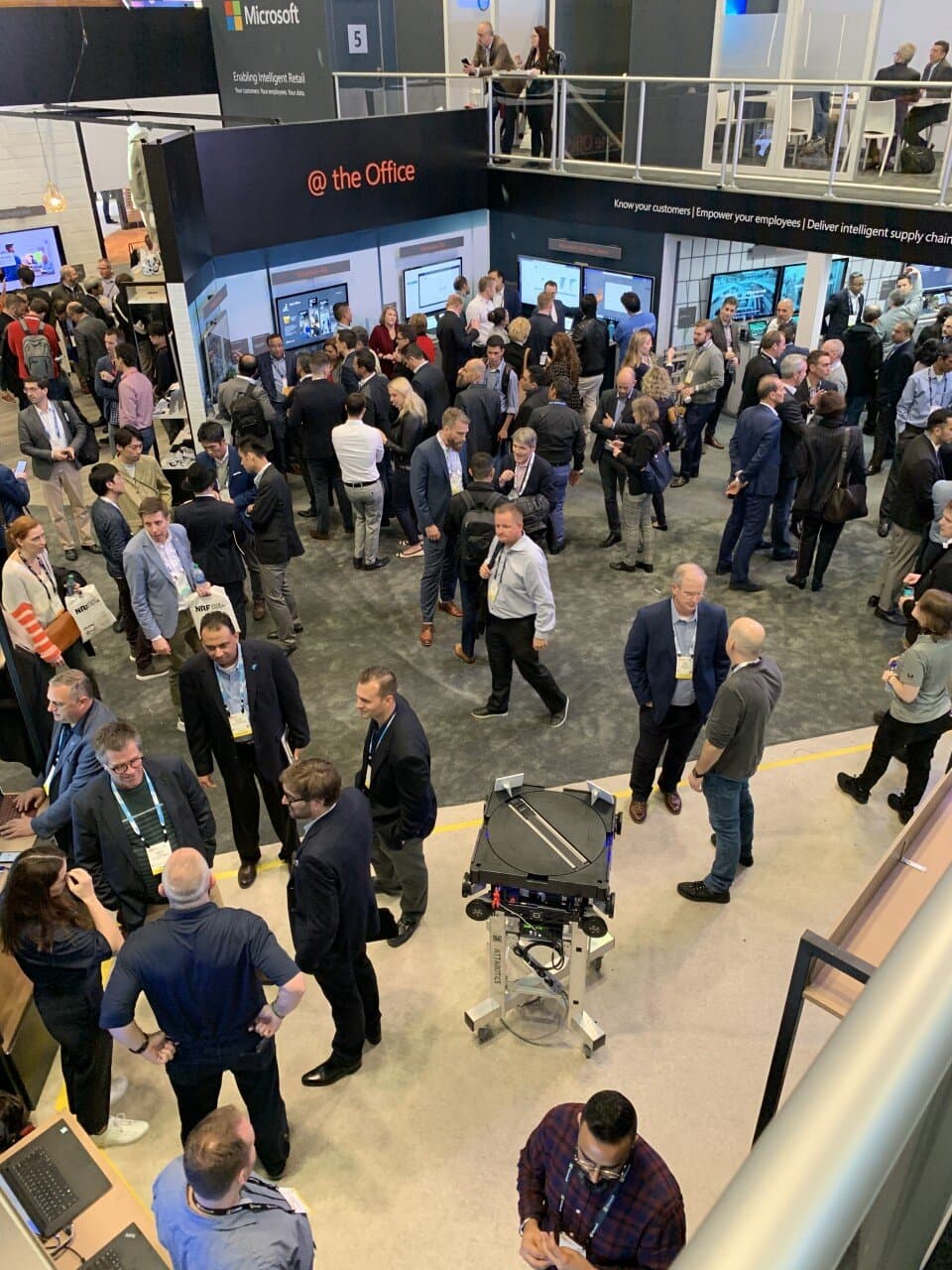
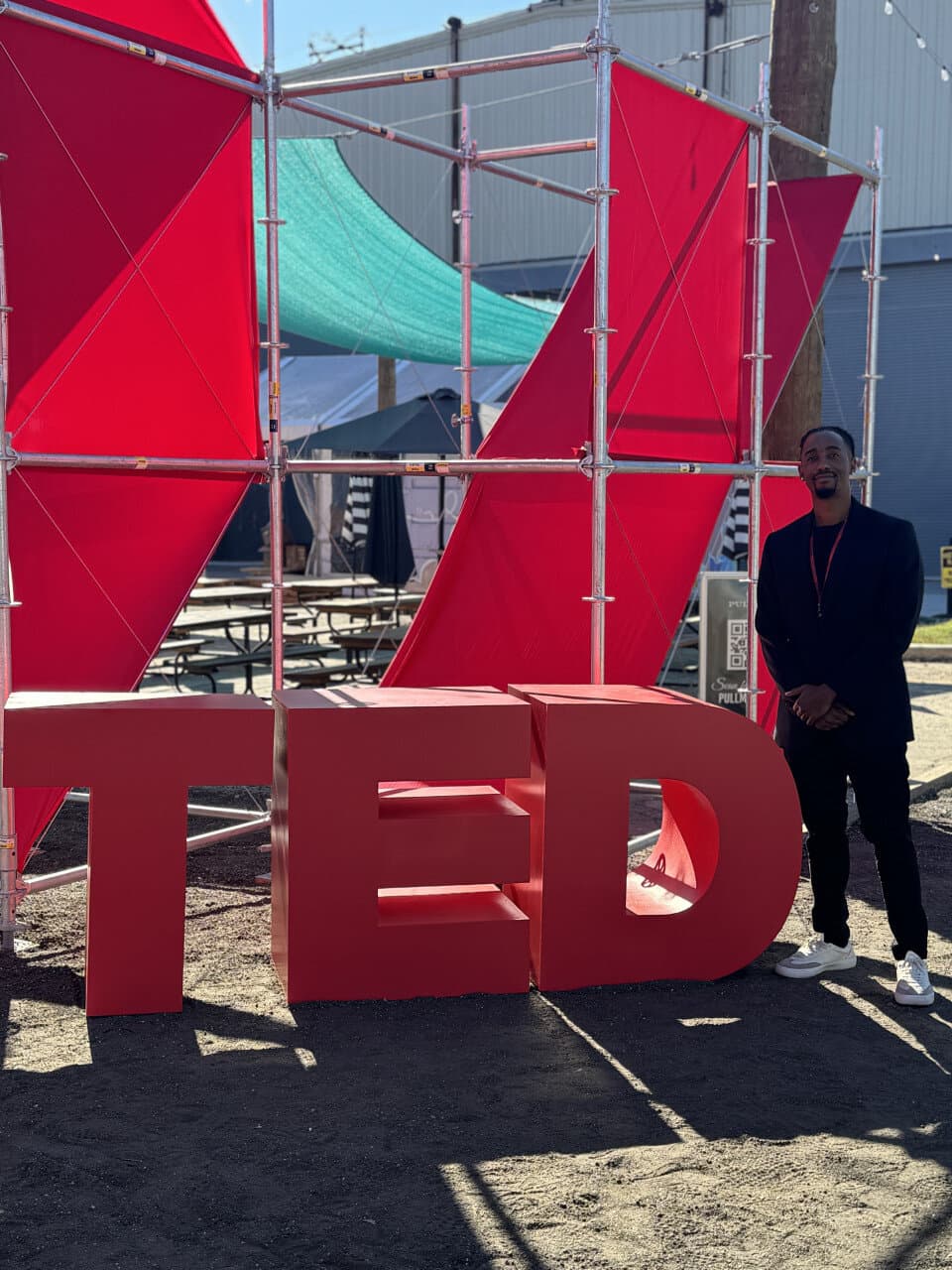
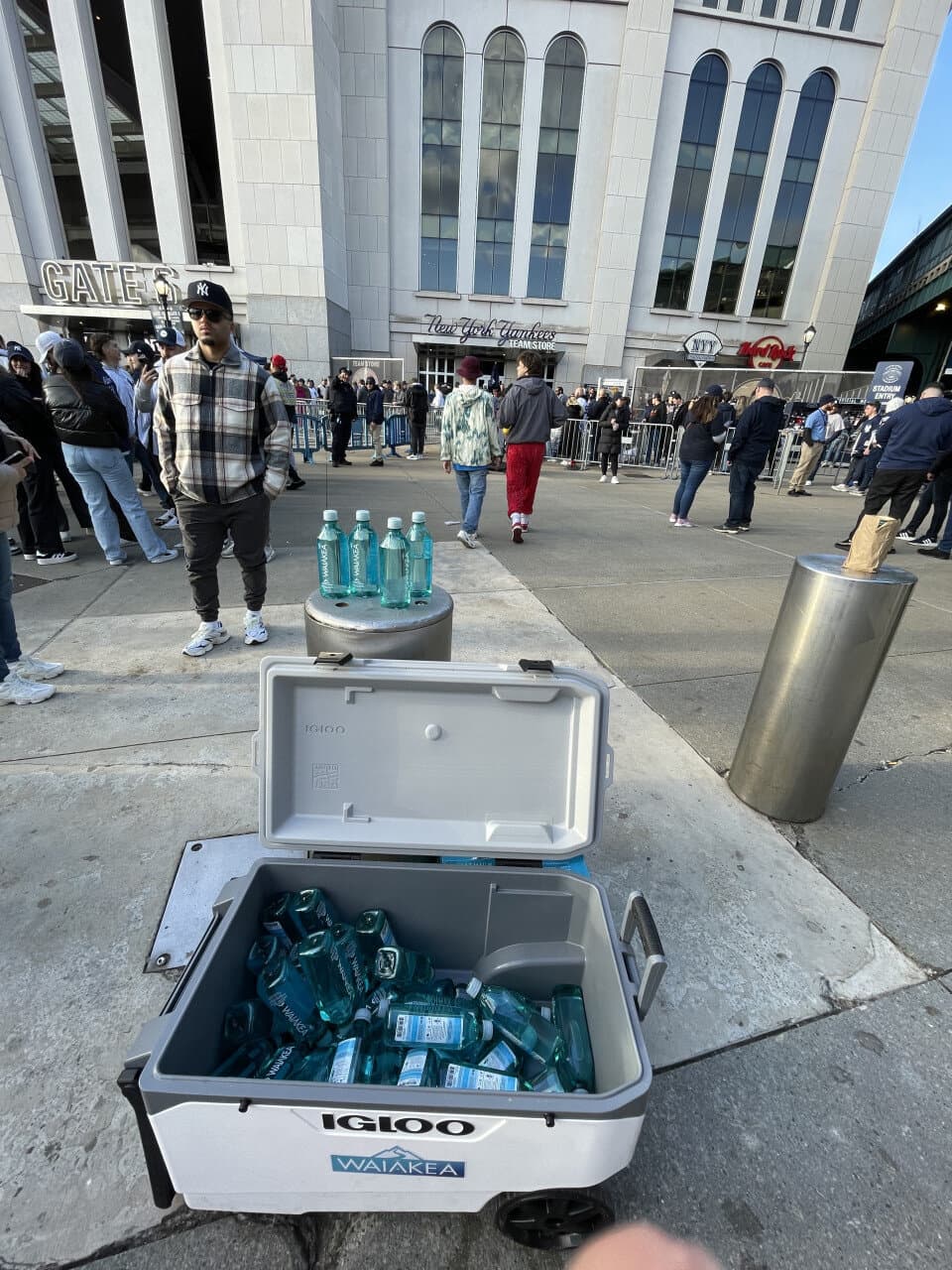
Event sampling places brand ambassadors at consumer events — festivals, concerts, sporting events, trade shows, community gatherings — to distribute samples in a non-retail environment. The consumer receives the sample, has a branded interaction with the ambassador, and departs with product awareness and purchase intent that translates to future retail purchases.
Event sampling excels at reaching new consumer segments who might never encounter your product at retail, building brand awareness ahead of distribution expansion, and creating memorable brand encounters tied to positive experience associations — the festival, the concert, the sporting event where they first tried your product.
Direct Sales Conversion: In-Store Wins
For immediate sales lift measurement, in-store sampling consistently outperforms event sampling. The presence of the product on the shelf immediately adjacent to the sampling station creates a conversion mechanism that event sampling cannot replicate. A well-executed in-store sampling day at a major club store can generate $2,000-$5,000 in direct product sales in a single session — trackable, attributable, and directly comparable to sampling cost.
In-store sampling at retail chains also builds retailer relationships and demonstrates velocity (sales per store per week) that supports shelf space negotiations. A brand showing strong sampling-driven velocity at Whole Foods or Kroger gains leverage in distribution expansion conversations.
Brand Building and Awareness: Events Win
Event sampling drives brand awareness, emotional brand association, and consumer segment penetration that in-store sampling cannot replicate. A consumer who first encounters your product at a music festival has a fundamentally different brand memory than one who tried it at a supermarket demo. The festival association creates a brand meaning that drives long-term loyalty.
Event sampling is also the primary mechanism for reaching consumers before they reach the retail aisle. For brands in distribution expansion mode — entering new retailers, launching in new regions — event sampling builds the consumer demand that makes new retail accounts viable.
The Combined Strategy
The most effective sampling programs for growing CPG brands combine both modalities strategically. Event sampling builds awareness and trial in key consumer segments and markets. In-store sampling captures those primed consumers at the point of purchase and converts trial intention into actual purchase.
Air Fresh Marketing's experiential marketing agency designs integrated sampling programs that coordinate event and in-store sampling for compounding sales impact. We serve brands across Los Angeles, Chicago, New York, Miami, Dallas, and all major U.S. markets.
Contact Air Fresh Marketing to design your next product sampling strategy, or request a quote for in-store or event sampling programs.