Promotional products have been a staple of event marketing for decades, but the difference between forgettable swag that ends up in the trash and branded merchandise that creates lasting impressions lies entirely in strategy. Effective promotional product distribution at events requires thoughtful product selection aligned with your brand and audience, strategic distribution tactics that maximize engagement, trained staff who turn giveaway moments into brand conversations, and measurement frameworks that quantify the return on your promotional merchandise investment. When executed with intention, promotional product distribution transforms simple giveaways into powerful brand-building touchpoints that extend your event presence long after the activation ends.
At Air Fresh Marketing, we integrate promotional product distribution into comprehensive experiential marketing activations that maximize every brand interaction. Our trained brand ambassadors understand that distributing promotional products is not about handing out items to anyone who walks by but rather about creating meaningful exchanges that build brand awareness, capture leads, and generate positive brand associations. Every giveaway moment is an engagement opportunity, and our team ensures none are wasted.
#The Strategic Value of Promotional Products at Events
Why Physical Products Still Matter in a Digital World
In an era dominated by digital marketing, physical promotional products maintain unique psychological advantages that digital impressions cannot replicate. The endowment effect, a well-documented cognitive bias, means that people assign significantly higher value to objects they physically possess compared to equivalent digital assets. When a consumer holds a branded product in their hands, they develop a sense of ownership and connection to the brand that no digital advertisement can create.
Research from the Advertising Specialty Institute consistently shows that promotional products generate more impressions per dollar than virtually any other advertising medium. A quality branded item costs between one and ten dollars but generates an average of seven thousand impressions over its lifetime as the recipient and those around them repeatedly encounter the brand. Cost per impression for promotional products typically ranges from one-tenth of a cent to one cent, compared to significantly higher costs for digital display, social media, and traditional media advertising.
Physical products also create what psychologists call the reciprocity effect. When someone receives a gift, they feel a subconscious obligation to reciprocate, which in marketing contexts translates to increased willingness to listen to brand messages, provide contact information, follow social media accounts, and ultimately make purchases. Strategic promotional product distribution leverages this psychological principle to generate engagement and leads that would be difficult or expensive to acquire through other channels.
Aligning Product Selection with Brand Strategy
The promotional products you choose to distribute communicate volumes about your brand even before the recipient uses them. Cheap, generic items suggest a brand that cuts corners, while thoughtful, high-quality products signal a premium brand that values its audience. Your product selection should align with your brand positioning, target audience preferences, and campaign objectives to maximize impact and minimize waste.
Consider these strategic dimensions when selecting promotional products for event distribution. Brand alignment means choosing products that naturally relate to your brand category or values, such as a fitness brand distributing quality water bottles or a technology company offering branded portable chargers. Audience utility focuses on selecting products your specific target audience will actually use regularly, ensuring repeated brand impressions over time. Quality perception requires investing in items that recipients perceive as valuable enough to keep, eliminating the waste of cheap items discarded immediately after receipt. Uniqueness factor involves choosing products distinctive enough to stand out from the dozens of other promotional items attendees collect at events. And portability considerations mean selecting items that event attendees can easily carry, store, and transport home, particularly for multi-day conferences.
Calculating Your Promotional Product Budget
Determining the appropriate budget for promotional product distribution requires balancing several factors including expected event attendance, your target engagement rate, cost per unit at desired quality levels, and the total budget available for the event activation. A common approach allocates ten to twenty percent of total event activation budget to promotional products, though this percentage varies based on whether product distribution is a primary or secondary engagement mechanism.
For a typical brand activation expecting to engage one thousand consumers, budget planning might look like this: primary giveaway items distributed to all engagements at three to five dollars per unit totaling three to five thousand dollars, premium items distributed to qualified leads or social media participants at ten to twenty dollars per unit for two hundred items totaling two to four thousand dollars, and exclusive items for VIP contacts or contest winners at fifty to one hundred dollars per unit for twenty items totaling one to two thousand dollars. This tiered approach creates multiple engagement levels and allows strategic allocation of higher-value items to higher-value contacts.
#Distribution Strategies That Maximize Impact
Earned Versus Free Distribution Models
The most common mistake brands make with promotional products at events is undifferentiated free distribution, handing items to anyone who passes by without requiring any engagement or exchange. While free distribution maximizes quantity of items distributed, it minimizes the quality of each interaction and often results in products going to people with zero interest in your brand who discard the item immediately.
Earned distribution models require recipients to engage with your brand in some meaningful way before receiving their promotional item. This engagement might include watching a product demonstration, answering survey questions about their needs and preferences, providing contact information for lead capture, sharing a social media post or following your brand accounts, participating in an interactive brand experience, or completing a challenge or game related to your product. Earned distribution creates multiple benefits simultaneously. It ensures products reach genuinely interested consumers, generates valuable data and leads, creates deeper brand interactions, and makes recipients value the item more because they invested effort in obtaining it.
The optimal approach for most activations combines a small free distribution element with a larger earned distribution component. Simple branded items like stickers, temporary tattoos, or sample packets might be freely distributed to build awareness and attract foot traffic, while higher-value promotional products require meaningful engagement to receive. This layered strategy captures both broad awareness and deep engagement within a single activation.
Gamification and Interactive Distribution
Gamified distribution transforms promotional product giveaways from passive handoffs into active, memorable experiences. By incorporating game mechanics into the distribution process, brands create excitement, encourage social sharing, increase dwell time at activations, and generate positive emotional associations with the brand. Effective gamification approaches for promotional product distribution include prize wheels where different sections correspond to different prize tiers, social media challenges where sharing content unlocks exclusive merchandise, skills-based games or challenges that award products based on performance, scavenger hunts that require visiting multiple brand touchpoints, trivia games testing knowledge about the brand or product category, and mystery bag or blind selection formats that add surprise to the distribution moment.
The key to successful gamification is ensuring the game mechanic is simple enough for anyone to participate within thirty to sixty seconds, fun enough to create genuine enjoyment and positive brand association, shareable enough that participants want to photograph or video their experience, and fair enough that everyone leaves with something while top performers receive premium rewards.
Timing and Flow Management
When and how you distribute promotional products throughout an event significantly impacts their effectiveness. Strategic timing considerations include saving higher-value distributions for mid-event when early rush has subsided and staff can invest more time per interaction, timing social media giveaways for optimal posting hours that maximize visibility, coordinating distribution peaks with natural event flow patterns, and maintaining consistent inventory throughout the event rather than running out early and disappointing later attendees.
Flow management ensures that your distribution process does not create bottlenecks that discourage participation or negative experiences for waiting attendees. Design your distribution workflow to process one attendee every thirty to ninety seconds depending on the engagement requirement, maintain visible queue progress that encourages people to wait rather than walk away, provide entertainment or information to those waiting that deepens brand engagement, and scale staffing up during peak periods to maintain acceptable wait times.
#The Role of Professional Staff in Product Distribution
Why Staff Quality Determines Distribution Success
The human element of promotional product distribution is often underestimated. Many brands invest heavily in product selection and creative activation design but under-invest in the staff who execute the actual distribution interactions. This is a critical mistake because the staff member handing over a promotional product is the brand personified in that moment, and their energy, knowledge, and interpersonal skills determine whether the exchange creates a positive brand memory or a forgettable transaction.
Professional event staffing for promotional distribution requires staff who can initiate conversations with passing attendees without being pushy or aggressive, articulate brand value propositions naturally while distributing products, capture lead information efficiently without disrupting the engagement flow, maintain high energy and enthusiasm throughout long event shifts, handle crowd management during peak distribution periods, recognize and prioritize high-value prospects for premium product distribution, and create photo-worthy moments that encourage social media sharing.
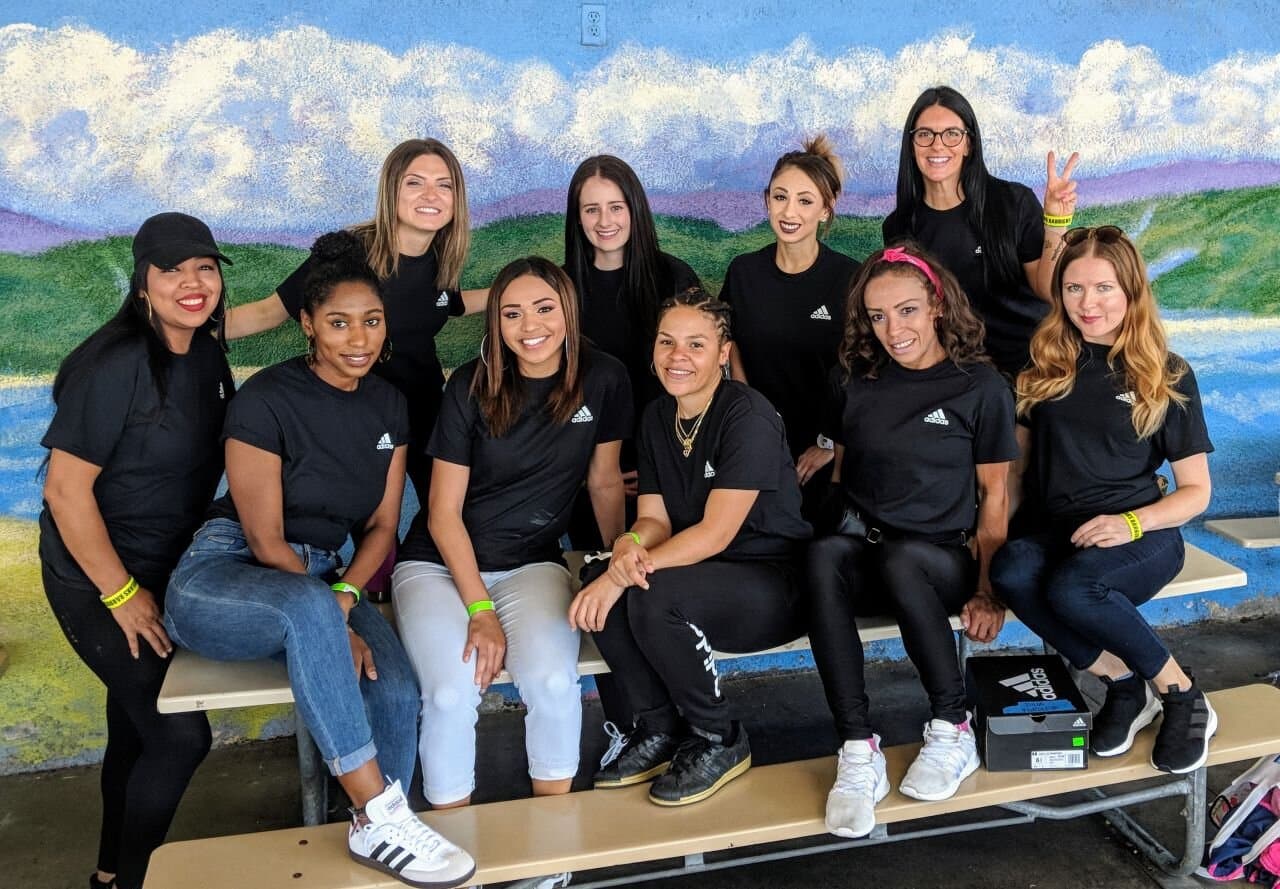
At Air Fresh Marketing, our brand ambassadors are trained specifically for promotional distribution dynamics. They understand that every product handoff is a brand moment, and they maximize each one by making genuine connections, communicating key messages, and ensuring recipients leave with both a physical product and a positive brand impression that influences future purchasing decisions.
Training Staff for Effective Distribution
Staff training for promotional product distribution should cover product knowledge including features and benefits of the items being distributed, brand messaging integration ensuring key messages are communicated during each interaction, distribution protocols including who receives what items and under what conditions, lead capture procedures for efficiently collecting information during product exchange, crowd management techniques for handling high-volume periods, inventory management including counting and restocking procedures, and escalation protocols for handling product defects complaints or unusual situations.
Role-playing distribution scenarios during training helps staff develop natural conversation flows that incorporate brand messaging without feeling scripted or forced. The goal is for each distribution interaction to feel like a genuine human exchange rather than a transactional handoff, which requires practice and comfort with the material.
#Measuring Promotional Product Distribution ROI
Quantitative Metrics
Measuring the return on investment of promotional product distribution requires tracking both immediate event metrics and longer-term brand impact indicators. Immediate metrics include total products distributed, cost per product distributed including staffing and logistics costs, lead capture rate as percentage of products distributed that generated contact information, social media mentions and shares generated through distribution activities, engagement time duration of interactions during distribution, and qualified leads generated through gated premium product distribution.
Long-Term Impact Measurement
The true value of promotional products extends well beyond the event through ongoing brand impressions generated as recipients use the items in daily life. While measuring these long-term impressions is more challenging, approaches include follow-up surveys assessing product usage and brand recall, social media monitoring for organic brand mentions related to promotional items, redemption tracking for any offers or codes included with products, website traffic correlation with distribution events, and sales attribution for contacts generated through promotional product interactions.
Optimization Through Data
Each event provides data that should inform future promotional product strategies. Track which products generate the highest engagement, which distribution mechanics produce the most leads, which staff approaches create the longest interactions, and which timing patterns maximize distribution efficiency. Over multiple events, this data builds a knowledge base that continuously improves your promotional product distribution effectiveness and ROI.
#Common Mistakes to Avoid
Over-Distribution Without Engagement
The temptation to distribute as many products as possible often leads brands to remove engagement requirements and simply hand items to anyone nearby. While this empties inventory quickly, it generates minimal brand value because recipients have no meaningful connection to the brand and may not even remember which company gave them the item. Always maintain some level of engagement exchange even during high-traffic periods.
Poor Product Quality Selection
Budget pressures sometimes lead to selecting the cheapest available products, but low-quality items that break immediately or feel cheap to the touch create negative brand associations that are worse than distributing nothing at all. It is better to distribute fewer high-quality items that recipients keep and use than to blanket an event with cheap products that end up in trash cans before attendees leave the venue.
Ignoring Logistics and Inventory Planning
Running out of promotional products midway through an event creates disappointment and negative brand sentiment among attendees who see others with items they cannot obtain. Conversely, over-ordering creates waste and unnecessary expense. Accurate attendance forecasting, hourly distribution rate planning, and real-time inventory monitoring prevent both scenarios.
#Partnering with Air Fresh Marketing for Promotional Distribution
Effective promotional product distribution requires more than quality products and creative ideas. It requires professional execution by trained staff who transform each distribution moment into a meaningful brand interaction. At Air Fresh Marketing, we combine strategic distribution planning with professional event staffing to maximize the impact of every promotional product your brand invests in.
Our promotional distribution services include strategic consultation on product selection and distribution mechanics, trained brand ambassadors who maximize engagement during every distribution interaction, lead capture integration ensuring product distribution generates measurable contact data, real-time inventory management preventing shortages or excess, post-event reporting with distribution metrics and ROI analysis, and scalable staffing for events of any size from intimate VIP gatherings to major festivals.
Whether you are planning a simple sampling activation or a complex multi-tiered promotional merchandise strategy, our team ensures that your promotional products create maximum brand impact with every item distributed. Contact Air Fresh Marketing today to discuss how professional staffing can transform your promotional product distribution from routine giveaways into powerful brand-building experiences.