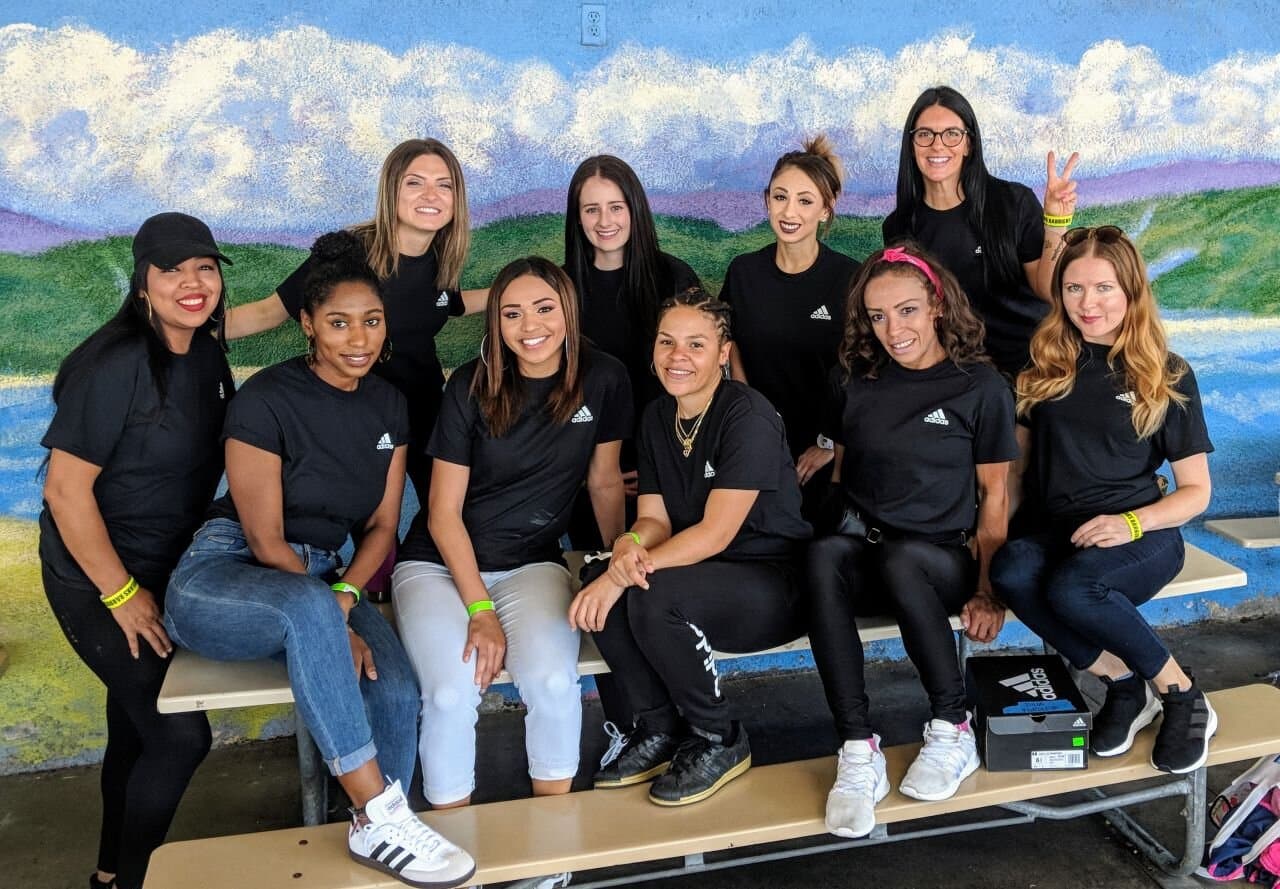
Antique markets bring together dealers, collectors, decorators, and treasure hunters in sprawling venues filled with furniture, jewelry, art, and curiosities spanning centuries. Whether it's a monthly flea market, a prestigious antique show, or a barn-sale weekend, professional event staff ensure smooth operations for vendors setting up fragile inventory and shoppers navigating aisles of one-of-a-kind finds.
#Why Antique Markets Need Professional Staff
Antique markets involve unique logistics: dealers arrive with van-loads of fragile merchandise needing careful unloading, shoppers carry purchases that must navigate crowded aisles, and high-value items require security awareness. Professional staff coordinate these moving pieces while maintaining the relaxed, browsing-friendly atmosphere that antique shoppers love.
Key Staffing Roles for Antique Markets
Vendor Load-In & Setup Coordinators — Guide dealers to assigned booths, assist with unloading logistics, manage vehicle staging areas, and ensure aisles remain accessible during setup. Knowledge of handling fragile items is essential.
Customer Welcome & Information Staff — Position at entrances to distribute floor maps, highlight featured dealers and special collections, process admission fees, and answer questions about layout, restrooms, and food options.
Floor Monitors & Aisle Managers — Keep aisles clear for safe browsing, assist shoppers carrying large purchases to their vehicles, manage one-way flow during peak hours, and watch for any security concerns around high-value displays.
Purchase Assistance & Carry-Out Teams — Help customers transport bulky purchases like furniture, mirrors, and artwork to the parking area. Provide wrapping materials and coordinate with dealers on hold tags for items bought early in the day.
#Planning Your Antique Market Staffing
Create a detailed venue map showing booth assignments, main aisles, emergency exits, and parking zones. Stagger staff shifts with extra coverage during load-in (typically 5-7 AM) and peak shopping hours (10 AM-2 PM). Brief all staff on the market's layout, featured dealers, and any special collections or auction events.
Staffing Timeline
| Phase | Staff Focus | |-------|------------| | 1 month before | Recruit staff comfortable with physical tasks and customer service | | 1 week before | Venue walkthrough and vendor map review | | Market day (early) | Load-in coordination starting before dawn | | Market day (open) | Full customer service and floor management deployment | | Post-market | Assist with vendor load-out and venue cleanup |
#Creating a Premium Shopping Experience
Staff who can speak knowledgeably about different antique periods, styles, or categories add tremendous value. Even basic training on distinguishing Art Deco from Mid-Century Modern or identifying common furniture makers helps ambassadors guide shoppers toward booths matching their interests.
#Frequently Asked Questions
What's the most important staffing role at antique markets? Load-in coordination. A smooth, organized setup process sets the tone for the entire event and keeps vendors happy and ready to sell when doors open.
Should staff have antique knowledge? Basic familiarity helps, but strong customer service and physical readiness matter most. A quick orientation on the market's specialty areas prepares staff effectively.
Antique markets thrive when professional staff balance vendor support with customer experience. Contact Air Fresh Marketing to staff your next antique event with organized, customer-friendly brand ambassadors.