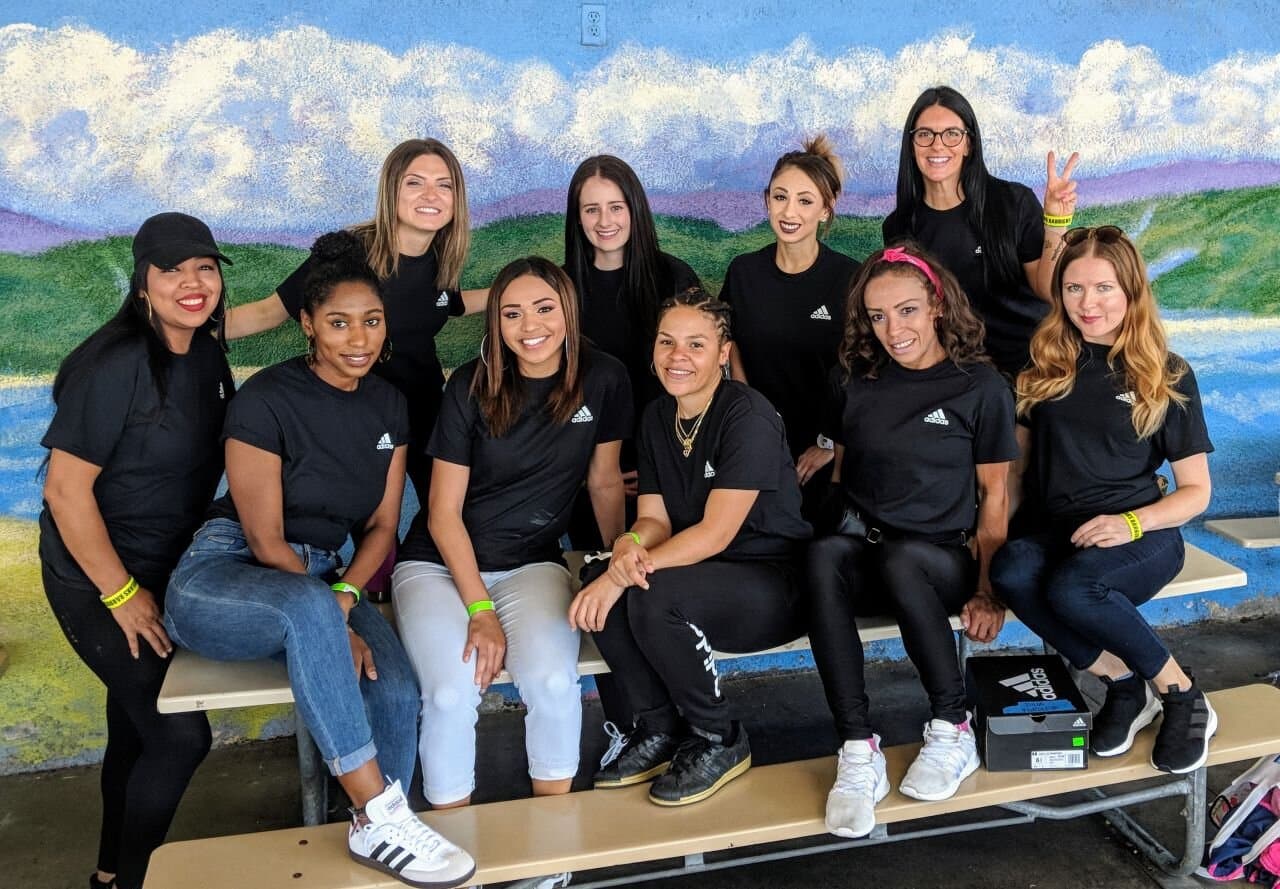
Fermentation workshops have become a cornerstone of the food education movement, teaching participants how to make kombucha, kimchi, sauerkraut, sourdough, miso, and other fermented foods. These hands-on classes — hosted at cooking schools, community centers, farmers markets, and food festivals — require professional event staff to manage supplies, assist instructors, maintain food safety standards, and ensure every participant leaves with successful fermentation projects.
#Why Fermentation Workshops Need Professional Staff
Fermentation involves precise measurements, specific temperatures, sanitation protocols, and the patience to explain microbiology to beginners. Instructors can't simultaneously teach, manage 20+ individual workstations, distribute supplies, and ensure food safety compliance. Professional support staff handle the logistics so instructors can focus on education.
Key Staffing Roles for Fermentation Workshops
Supply Station Managers — Pre-measure ingredients, distribute supplies to workstations, manage the rotation of shared equipment (scales, thermometers, mandolines), and maintain clean, organized prep areas throughout the class.
Instructor Support & Circulating Assistants — Move between participants to help with techniques, answer individual questions, verify measurements, and provide the one-on-one guidance that group instruction can't always deliver.
Sanitation & Food Safety Monitors — Ensure all surfaces, containers, and hands are properly sanitized. Monitor temperature-sensitive steps. Maintain food safety compliance that protects both the workshop and its participants.
Registration & Take-Home Packaging — Process check-ins, distribute recipe packets and ingredient lists, manage the packaging of participants' fermentation projects for safe transport home, and handle supply kit sales.
#Planning Your Fermentation Workshop Staffing
Pre-measure all ingredients before participants arrive — this dramatically speeds up the class and reduces waste. Assign one assistant per 8-10 participants for adequate individual support. Set up sanitation stations at every workstation entry point.
Staffing Timeline
| Phase | Staff Focus | |-------|------------| | 1 week before | Recruit staff with food service or culinary interest | | Day before | Ingredient prep, supply pre-measuring, and station setup | | Workshop day | 2-hour early setup; full deployment during class | | Post-workshop | Station cleanup, sanitization, and supply inventory |
#Frequently Asked Questions
How many staff do I need for a fermentation workshop? For a 25-participant class, plan for 2-3 supply managers, 2-3 circulating assistants, 1 sanitation monitor, and 1 registration staff — roughly 6-8 total alongside the lead instructor.
Do staff need fermentation knowledge? Basic food handling knowledge is essential. Fermentation-specific knowledge helps assistants answer participant questions, but a thorough pre-workshop briefing from the instructor covers the key technical points.
What about food allergies and dietary restrictions? Brief all staff on common allergens in fermentation ingredients (soy in miso, gluten in sourdough, dairy in kefir). Registration should collect allergy information, and staff should be prepared for ingredient substitutions.
Fermentation workshops cultivate food artisans when professional staff manage the behind-the-scenes logistics. Contact Air Fresh Marketing to staff your next fermentation class with food-savvy, organized brand ambassadors.