Apple taught everyone that product launches could be theater.
Now every tech company wants their iPhone moment. The reveal. The gasps. The lines around the block. The social media explosion.
Most fail because they don't understand what actually makes tech launches work.
The Launch Event Hierarchy
Tier 1: The Keynote
The big reveal presentation. Media, influencers, key partners. The carefully choreographed announcement.
This is the top of the funnel. It creates awareness and narrative. It rarely drives immediate sales.
Tier 2: Hands-On Experience
Media, influencers, and early adopters actually using the product. Demo stations, guided experiences, expert availability.
This creates the reviews and early content that drive consideration.
Tier 3: Retail Launch
The public moment. Lines, celebrations, first-buyer experiences.
This creates the grassroots enthusiasm that sustains momentum.
Tier 4: Ongoing Activation
Product trial in retail, pop-ups, road shows, trade shows.
This drives mass adoption beyond early adopters.
Hands-On Demo Events
Setting the Stage
Tech demos require:
- Reliable WiFi: The demo WILL break if networking fails
- Adequate charging: Dead devices kill experiences
- Proper lighting: People photograph everything
- Sound management: If there's audio, control the environment
- Backup units: Things break. Have spares.
Staffing Tech Demos
Tech demo staff need:
- Product mastery: Deep knowledge, not surface talking points
- Troubleshooting ability: Fix problems in real-time
- Translation skills: Tech specs → human benefits
- Patience: Explaining the same thing 500 times
- Genuine enthusiasm: Tech people spot fakes instantly
The best tech demo staff are often actual product users. Authenticity matters.
The Demo Script
Structure every demo:
- Hook: One impressive capability, immediately
- Context: What problem this solves
- Features: Key differentiators (2-3, not 20)
- Hands-on: Let them try
- Close: Next steps, where to buy, follow-up
Time each demo. 3-5 minutes for casual, 10-15 for serious interest.
Retail Launch Execution
The Midnight Launch Era
Midnight launches (think iPhone, PlayStation, major gaming releases) create:
- Media moments (cameras love lines)
- Community experience (shared anticipation)
- Social content (first unboxings)
- PR value far exceeding advertising
But they require:
- Line management expertise
- Security
- Weather contingencies
- Staff who work overnight
- Energy maintenance (music, giveaways, entertainment)
In-Store Launch Events
For products selling in retail:
- Coordinate with retail partners
- Train their staff, not just yours
- Create moments within store context
- Support their infrastructure, don't overwhelm it
Pop-Up Launch Spaces
Dedicated launch spaces allow full brand control:
- Complete experience design
- No retail partner constraints
- Extended engagement time
- Data capture flexibility
- Media accessibility
Higher cost, higher impact.
Consumer Electronics Shows
CES and Major Trade Shows
The big shows (CES, MWC, IFA) are chaos. 150,000+ people over 4-5 days.
Your booth needs:
- Clear messaging visible from 50 feet
- Multiple demo stations (reduce wait times)
- VIP meeting areas
- Sufficient staff for volume
- Capture mechanisms
- Giveaways that don't create problematic lines
Staff fatigue is real. 10-12 hour days for 5 days straight. Plan for it.
Booth Staffing Tiers
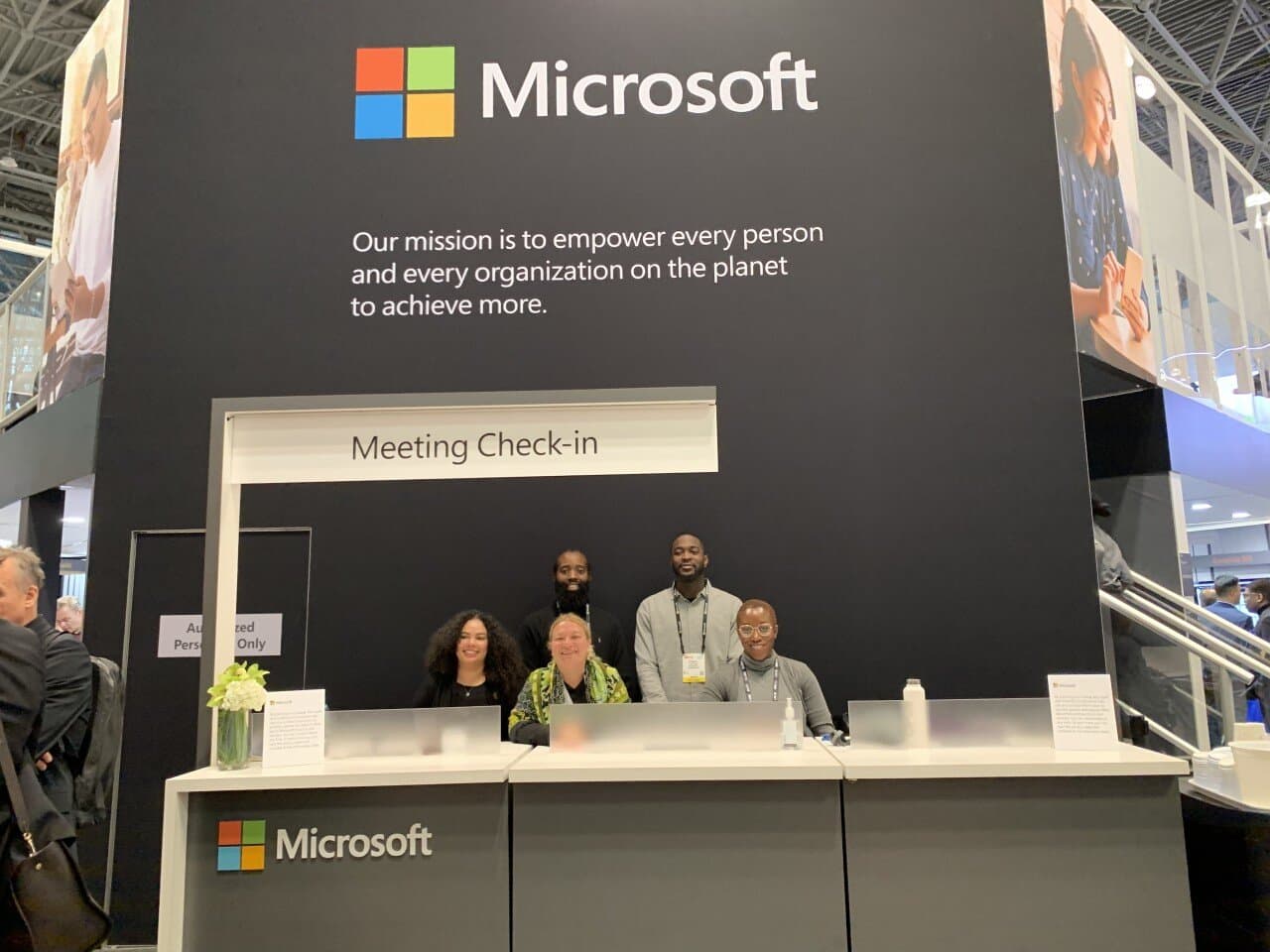
Product specialists: Deep knowledge, key demos Lead capturers: Qualification and data Crowd managers: Traffic flow, line management Meeting coordinators: VIP and media handling Support staff: Restocking, cleanup, logistics
Tech Launch Pitfalls
Demo Failures
When demos crash (and they will), staff need recovery protocols. Never show panic. Have backup plans. "Let me show you on this device while that one resets."
Over-Promising
Demos that don't represent actual product experience create disappointed customers. Show what's real.
Ignoring Complaints
Early launch events surface product issues. Capture feedback systematically. This is valuable data.
Security Gaps
Prototype or unreleased products require security. Staff should be trained on what cannot be photographed, shared, or discussed.
The Influencer Layer
Tech Influencer Management
Tech launches increasingly rely on influencer seeding:
- Pre-launch exclusives for embargoed coverage
- Launch-day content from multiple creators
- Hands-on access at events
- Take-home units for review
Staff need to know:
- Who's credentialed for what access
- What can be shared and when
- How to handle VIP influencers vs. general attendees
User-Generated Content
Enable attendees to create:
- Photo-worthy moments
- Easy social sharing (hashtags, handles visible)
- Good lighting for content creation
- Dedicated content creator areas
Air Fresh Marketing has staffed tech launches from CES booths to retail midnight events. We understand the stakes and deliver flawlessly. 303-720-6060