What Is Guerrilla Marketing?
Guerrilla marketing is an advertising strategy that uses unconventional, surprising, and often low-cost tactics to promote a product or brand in public spaces. The term was coined by Jay Conrad Levinson in his 1984 book "Guerrilla Marketing" and borrows from the concept of guerrilla warfare: using creativity, surprise, and agility to achieve outsized results with limited resources.
The core philosophy of guerrilla marketing is that imagination and energy can compensate for a large advertising budget. Instead of buying media space, guerrilla marketers create experiences, installations, and moments that earn attention through their novelty, humor, or emotional impact.
How Guerrilla Marketing Works
Guerrilla marketing works by breaking patterns. Consumers are conditioned to ignore traditional advertising. We scroll past banner ads, skip TV commercials, and tune out billboards. Guerrilla marketing disrupts this pattern by showing up where and how people do not expect it.
When a brand does something unexpected in a public space, it triggers curiosity, surprise, and emotional engagement. These emotions make the experience memorable and shareable. In the social media era, guerrilla marketing has become even more powerful because the most creative campaigns generate millions of organic impressions from people sharing photos and videos.
Types of Guerrilla Marketing Tactics
Ambient Marketing
Ambient marketing places brand messages on unexpected surfaces or objects in the environment. This includes projecting onto buildings, wrapping park benches, using sidewalk chalk art, or transforming everyday objects into brand touchpoints. The key is that the message is integrated into the environment rather than placed on a traditional advertising surface.
Experiential Guerrilla Marketing
Experiential guerrilla campaigns create interactive experiences in unexpected locations. A coffee brand might set up a free coffee station in a subway car. A mattress company might place beds in a park and invite people to take a nap. The experience creates a memorable brand moment and generates social media content.
Street Marketing
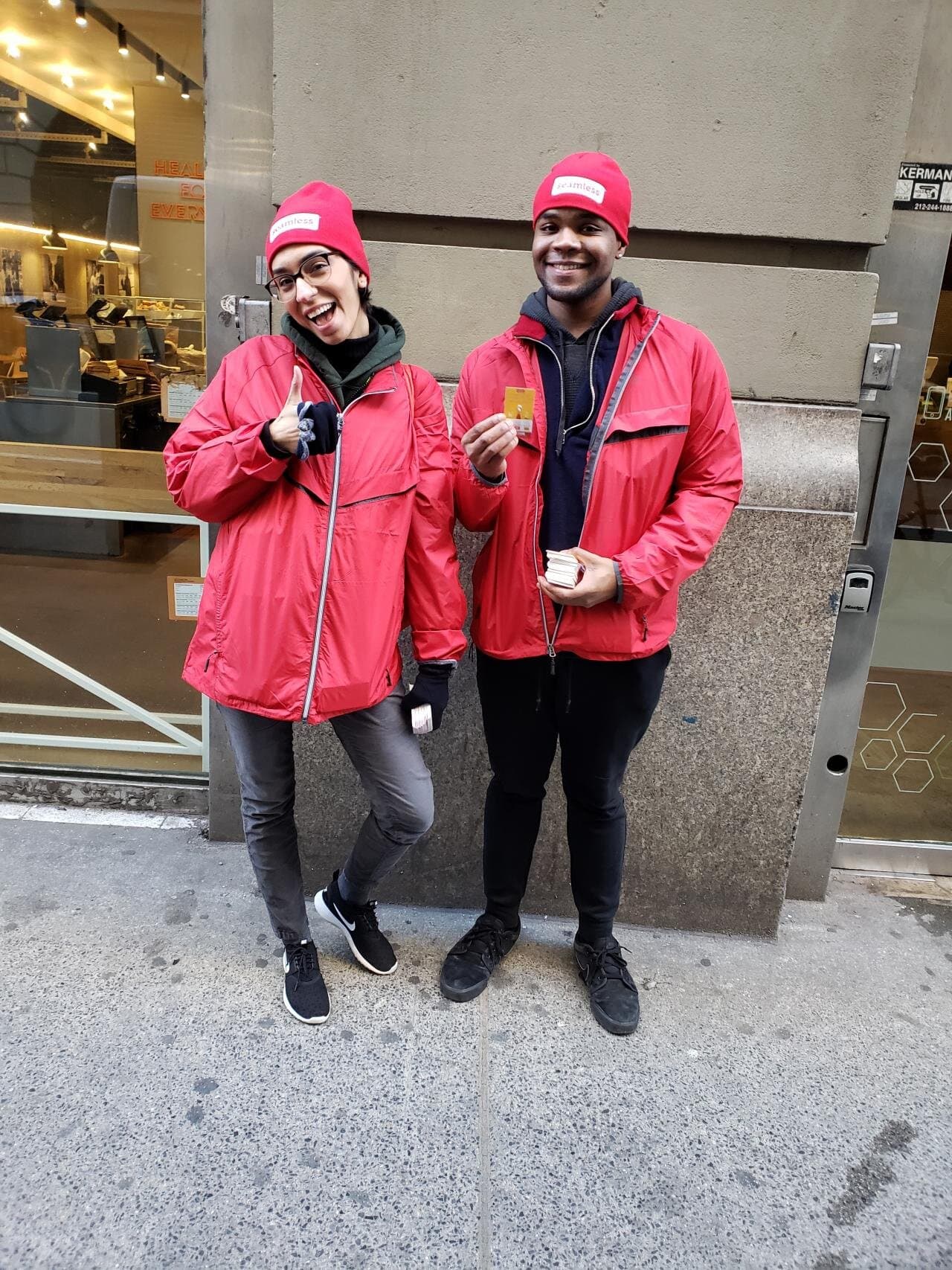
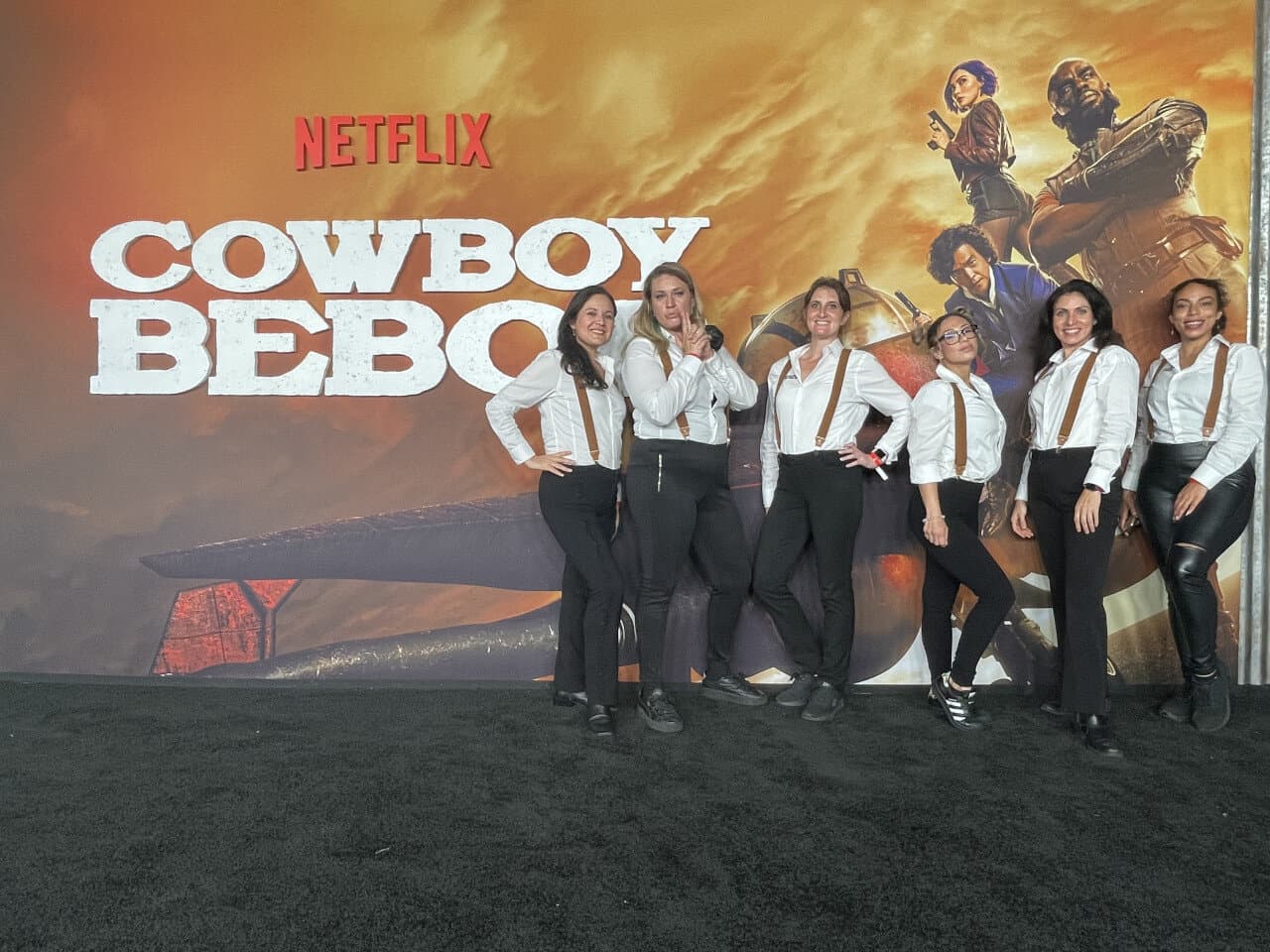
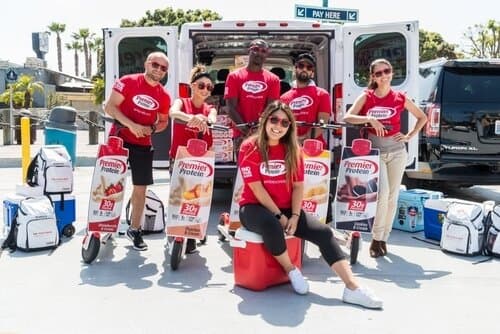
Street marketing uses street-level tactics like human billboards, costumed characters, flash mobs, and impromptu performances to attract attention. Street marketing is the most people-intensive form of guerrilla marketing and requires trained, enthusiastic brand ambassadors who can engage with the public.
Viral or Buzz Marketing
Some guerrilla campaigns are designed primarily for digital sharing rather than in-person impact. The physical activation serves as content creation for social media, with the goal of generating viral sharing. These campaigns are judged by their online reach and engagement rather than their on-site metrics.
Astroturfing (Controversial)
Astroturfing creates the appearance of grassroots support for a brand through paid participants or fake reviews. This tactic is ethically questionable and can backfire severely if exposed. Reputable agencies like Air Fresh Marketing do not recommend or execute astroturfing campaigns.
Real Guerrilla Marketing Examples
The ice cream truck that only plays sad music. A mental health nonprofit parked an ice cream truck in a busy area that played a sad, minor-key version of the classic jingle. When people approached, the truck handed out free ice cream along with information about mental health resources. The cognitive dissonance between expectation (happy ice cream truck) and reality (serious message) made the campaign unforgettable.
Footprints leading to a store. A shoe brand placed large footprint stickers on sidewalks leading from nearby transit stops directly to their flagship store entrance. The footprints cost almost nothing to produce and install but drove a measurable increase in foot traffic.
The world's smallest billboard. A brand placed a tiny, 4-inch billboard in a busy public square, requiring people to get close to read it. The sign read, "You just proved small things get noticed. Visit [brand URL]." The campaign generated thousands of social media photos of people crowding around the tiny sign.
How Much Does Guerrilla Marketing Cost?
One of guerrilla marketing's greatest appeals is its cost-effectiveness compared to traditional advertising. However, costs vary widely:
Low-budget campaigns ($500-$5,000):
- Sidewalk chalk art
- Sticker placements
- Small street team deployment
- Projection marketing (single night)
Mid-budget campaigns ($5,000-$25,000):
- Custom installations or props
- Multi-day street team activations
- Flash mob productions
- Wrapped vehicles or objects
High-budget campaigns ($25,000-$100,000+):
- Large-scale public installations
- Multi-market simultaneous deployments
- Custom-built experiential environments
- Campaigns requiring permits, insurance, and extensive logistics
The beauty of guerrilla marketing is that the lower end of the budget spectrum can generate results that rival campaigns costing 10 to 100 times more, if the creative concept is strong enough.
Legal Considerations
Guerrilla marketing operates in a gray area. Some tactics require permits, property permission, or compliance with local ordinances. Before executing any guerrilla campaign:
- Research local sign ordinances and public space regulations
- Obtain necessary permits for installations, events, or street closures
- Get written permission from property owners for any placement on private property
- Carry liability insurance for any public-facing activation
- Avoid tactics that obstruct traffic, create safety hazards, or damage property
Measuring Guerrilla Marketing ROI
Guerrilla marketing ROI is measured differently than traditional advertising:
- Earned media value: How much would the organic press and social media coverage have cost as paid media?
- Social media impressions: Total reach of user-generated content from the campaign
- Engagement rate: Likes, comments, shares, and saves on social posts
- Website traffic: Spike in direct and branded search traffic during and after the campaign
- Brand sentiment: Qualitative change in how people talk about your brand
- Direct conversions: Coupon redemptions, QR scans, or purchases attributable to the campaign
Plan Your Guerrilla Campaign
Air Fresh Marketing designs and executes guerrilla marketing campaigns that generate buzz, social sharing, and measurable brand impact. Our street teams, brand ambassadors, and event staff bring guerrilla concepts to life with professional execution in every major market.
Contact us to brainstorm your next guerrilla campaign, or request a quote to get started.