A product sampling campaign is a marketing strategy where brands distribute free product samples directly to targeted consumers in order to drive product trial, build brand awareness, collect consumer feedback, and ultimately generate retail sales. According to Product Sampling Study data, 73% of consumers say they are more likely to purchase a product after trying a free sample, and sampling campaigns generate an average sales lift of 475% during in-store activation periods. Product sampling remains one of the highest-ROI marketing tactics available, particularly for CPG brands, food and beverage companies, and beauty brands launching new products.
At Air Fresh Marketing, we have executed thousands of product sampling campaigns across every major US market. This guide covers everything brands need to know about planning, executing, and measuring sampling campaigns in 2026.
Types of Product Sampling Campaigns
1. In-Store Sampling
The most common format places brand ambassadors in retail locations (grocery stores, big-box retailers, specialty shops) to offer samples and engage consumers at the point of purchase. In-store sampling is the most direct path from trial to purchase because the product is available for immediate sale on the same shelf.
Best for: CPG food and beverage, beauty and skincare, household products Average conversion to purchase: 25-35% of samplers buy during the same visit
2. Event Sampling
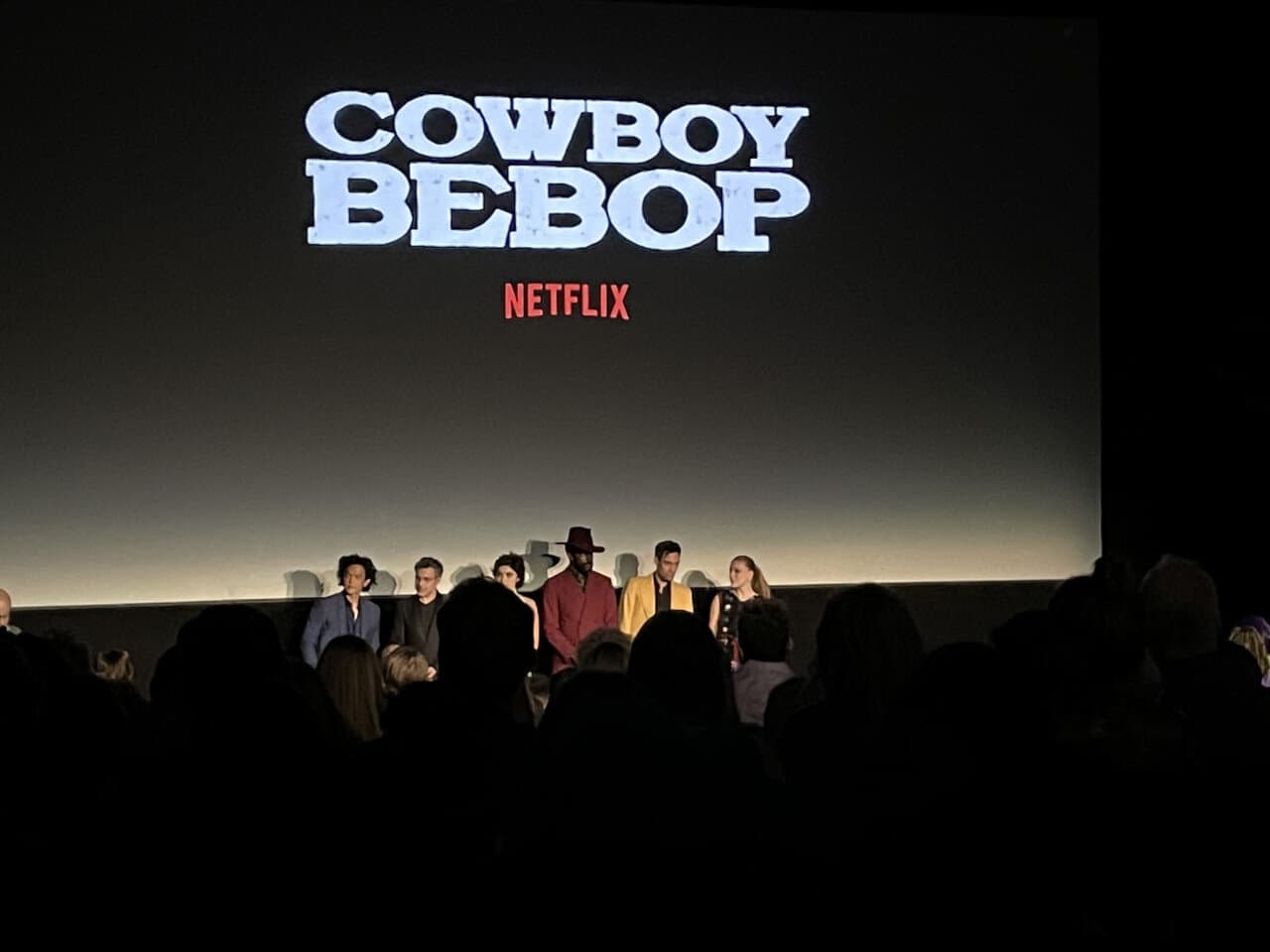
Sampling at festivals, concerts, sporting events, and community gatherings reaches large audiences in an experiential context. Event sampling combines product trial with brand experience, creating stronger emotional associations. Air Fresh Marketing staffs event sampling at venues like SXSW, Coachella, and hundreds of local events.
Best for: Beverage brands, snack brands, lifestyle products Average reach per event day: 500-5,000 samples distributed
3. Street Team Sampling
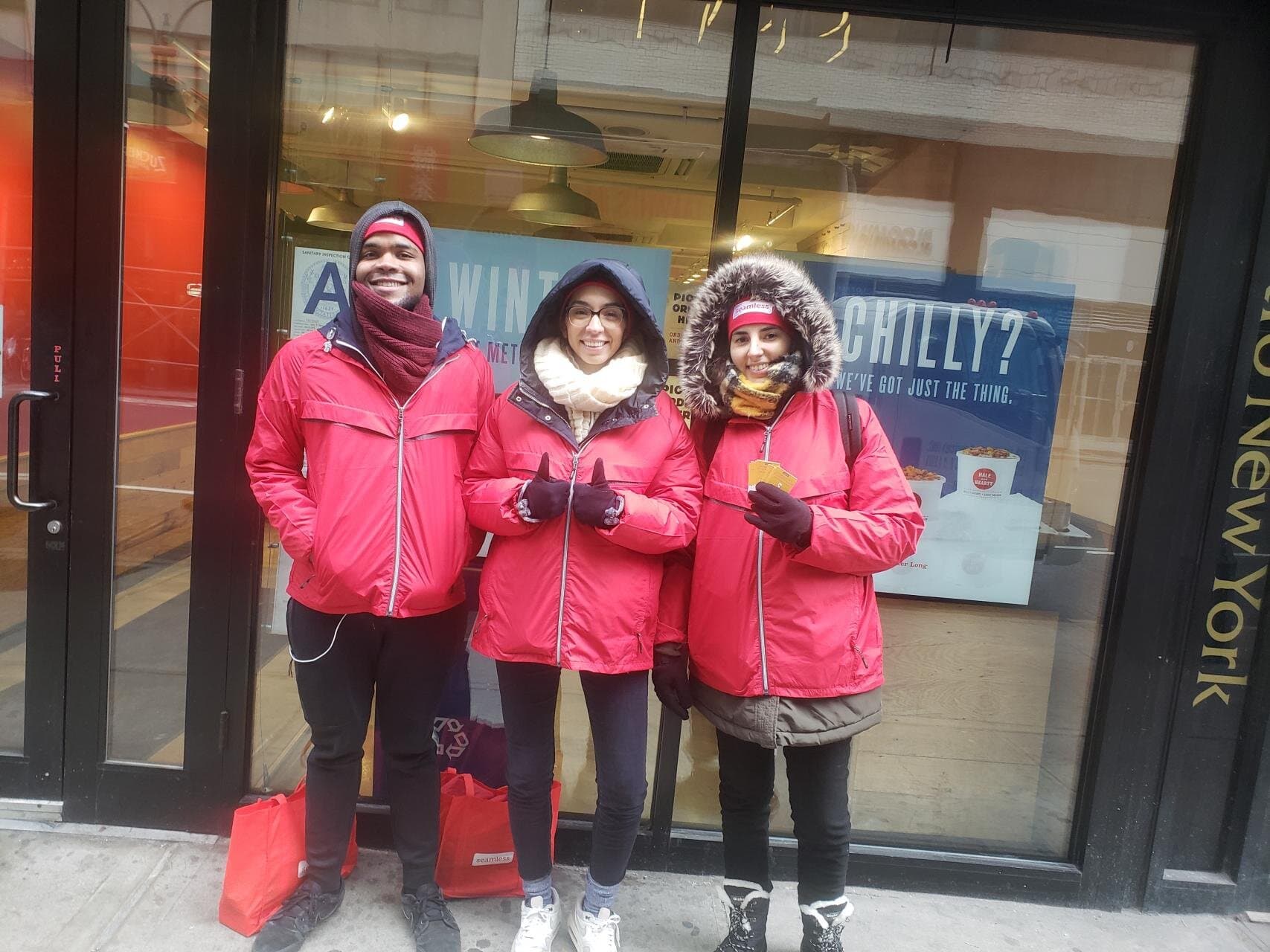
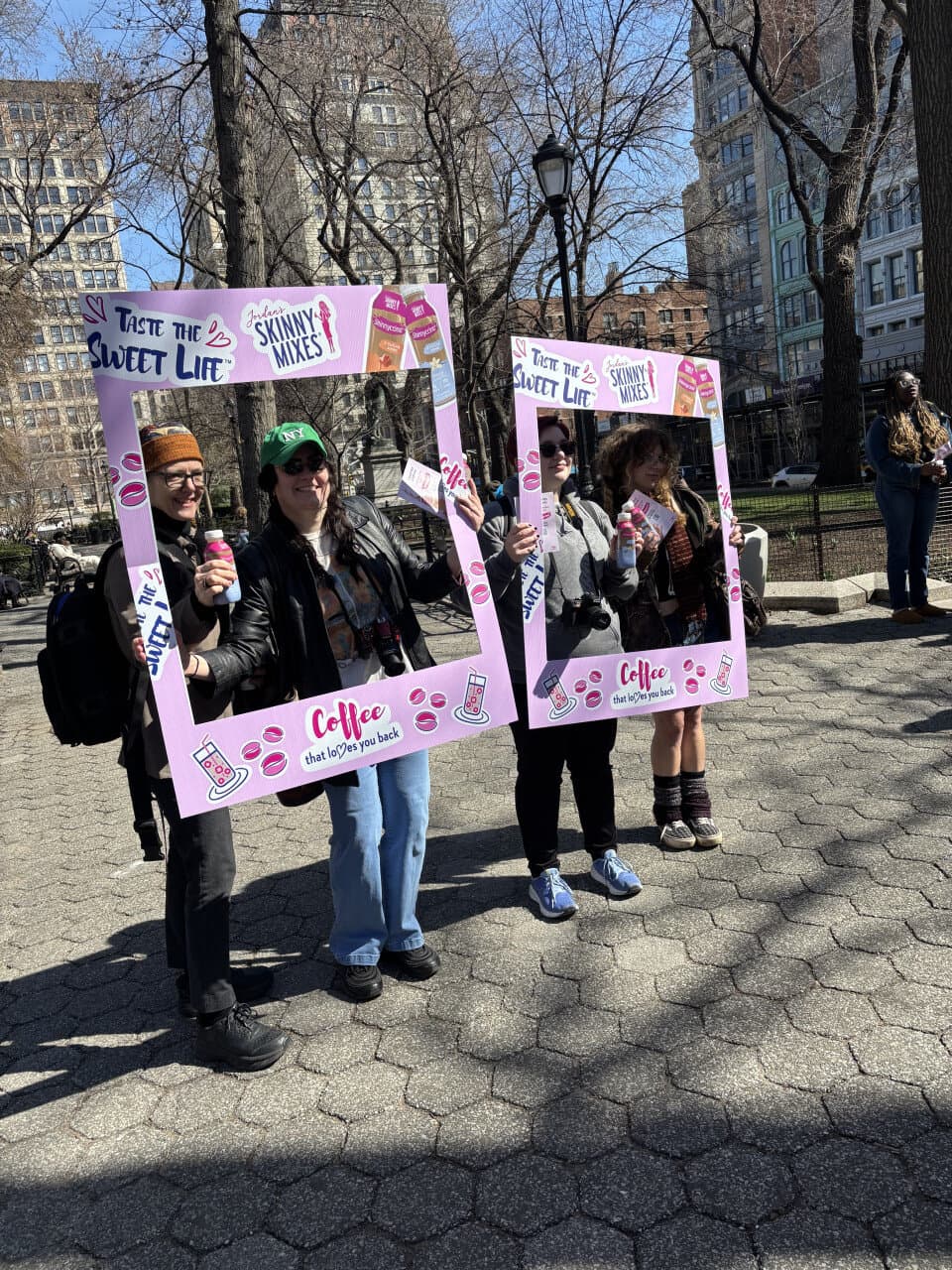
Street team campaigns deploy ambassadors in high-foot-traffic urban areas (transit hubs, business districts, college campuses, parks) to distribute samples directly to passersby.
Best for: Beverages, snacks, health and wellness products Average reach per day per team member: 200-400 samples
4. Direct-to-Consumer Sampling
Mailed sample boxes, subscription box partnerships, and e-commerce sample-with-purchase programs deliver product samples directly to consumers' homes. This approach offers precise demographic targeting but lacks the human interaction element of in-person sampling.
Best for: Beauty, skincare, supplements, premium food products Average trial-to-purchase conversion: 15-25%
5. Experiential Sampling
The most immersive format combines sampling with a broader brand activation or experiential marketing experience. Rather than simply handing out samples, experiential sampling creates a memorable brand moment around the trial: cooking demonstrations, mixology experiences, wellness workshops, or interactive product education.
Best for: Premium brands, new category launches, competitive markets Average brand recall: 85%+ (vs. 40% for simple sampling)
6. B2B Sampling
Trade shows, conferences, and office deliveries target business buyers and decision-makers with product samples. Trade show sampling is particularly effective for food service products, office supplies, and technology accessories.
How to Plan a Product Sampling Campaign
Step 1: Define Objectives and KPIs
Before anything else, establish what success looks like. Common sampling objectives include:
- Trial rate: Number of samples distributed to target consumers
- Purchase conversion: Percentage of samplers who purchase within 30 days
- Sales lift: Increase in retail sales velocity during and after the campaign
- Brand awareness: Aided and unaided recall measured via surveys
- Social amplification: User-generated content and social mentions
- Consumer feedback: Qualitative product perception data
Step 2: Identify Target Audience and Locations
The most effective sampling campaigns reach the right consumers in the right locations. Work with your sampling agency to identify:
- Retail chains and specific store locations with highest target consumer density
- Events and festivals that attract your demographic
- Urban areas and neighborhoods that index highest for your buyer profile
- Timing that aligns with purchase intent (seasonal products, meal times, etc.)
Step 3: Calculate Sample Quantities and Budget
Use this formula as a starting point:
Target Samples = (Campaign Goal Sales Units) / (Expected Trial-to-Purchase Conversion Rate)
If your goal is 10,000 new buyers and your expected conversion rate is 25%, you need to sample approximately 40,000 consumers.
Step 4: Train Sampling Staff
Your brand ambassadors are not just sample distributors. They are your brand's voice at the moment of trial. Effective sampling staff need to know:
- Product ingredients, benefits, and key differentiators
- Three to five talking points that resonate with target consumers
- How to handle common questions and objections
- Proper food handling and safety procedures (for food/beverage)
- Lead capture procedures and data collection methods
Step 5: Execute With Quality Control
On-site team leads from a professional event staffing agency ensure that sampling staff maintain energy, follow brand guidelines, engage consumers properly, and distribute the correct sample quantities. Without on-site management, sampling quality degrades significantly over long shifts.
Step 6: Measure and Optimize
Post-campaign measurement should include:
- Total samples distributed (by location, day, and time block)
- POS sales data from sampling locations (before, during, and after)
- Consumer survey results
- Staff performance ratings
- Cost per sample distributed and cost per conversion
- Social media mentions and user-generated content
What Drives Product Sampling Campaign Costs
| Campaign Element | What Drives Cost | Notes |
|---|---|---|
| Brand Ambassadors | Market, role complexity, shift length | See full pricing breakdown |
| Team Lead | On-site management scope | On-site management and quality control |
| Product Samples | Varies by product | Typically client-provided |
| Sampling Equipment | Number of locations | Tables, coolers, displays, branded materials |
| Permits and Insurance | City and venue requirements | Varies by city and venue |
| Transportation/Logistics | Number of markets | Sample shipping, staff travel |
| Reporting and Analytics | Often included in agency fee | Post-event analysis |
Total Campaign Scale Examples
- Single-day in-store sampling: 1 location, 2 staff
- Weekend retail sampling: 5 locations, 10 staff
- Festival sampling activation: 3 days, 8 staff
- Multi-city sampling tour: 10 cities, 4 weeks
For a detailed quote tailored to your campaign, contact Air Fresh Marketing.
Product Sampling ROI: How to Measure It
The formula for calculating product sampling ROI is straightforward:
Sampling ROI = (Incremental Revenue from Sampling - Total Campaign Cost) / Total Campaign Cost x 100
Based on industry benchmarks and Air Fresh Marketing campaign data:
- Average in-store sampling ROI: 200-400%
- Average event sampling ROI: 150-350%
- Average trial-to-purchase conversion: 25-35% (in-store), 15-25% (event)
- Average sales lift during sampling period: 475% (POPAI research)
- Average sustained lift 4 weeks post-sampling: 80-125%
These figures assume professional execution with trained brand ambassadors and targeted location selection. Poorly executed sampling (untrained staff, wrong locations, inconsistent execution) can produce significantly lower returns.
Common Mistakes in Product Sampling
1. Sampling to the Wrong Audience
Distributing 5,000 samples to people who will never buy your product wastes budget. Target your sampling to locations and events where your actual buyer profile gathers.
2. Undertrained Staff
Brand ambassadors who cannot articulate why your product is different waste the most important moment, the consumer's first experience with your brand.
3. No Measurement Framework
If you cannot measure the impact of your sampling campaign, you cannot improve it or justify the investment to leadership. Set up measurement before launch.
4. Ignoring Compliance
Food sampling requires health permits, proper handling procedures, allergen labeling, and temperature control. Alcohol sampling requires age verification and appropriate licensing. Work with an agency that manages compliance across markets.
5. Insufficient Follow-Up
Sampling creates a window of opportunity. Without retail availability, digital retargeting, or follow-up communications, that window closes quickly.
Start Your Sampling Campaign
Air Fresh Marketing provides end-to-end product sampling services including strategy development, brand ambassador staffing, on-site management, permit procurement, and post-campaign analytics. We execute sampling campaigns in Denver, Las Vegas, New York, Los Angeles, Chicago, and 25+ additional markets nationwide.
Explore our field marketing services, review our portfolio of executed campaigns, or compare us to other sampling agencies. Ready to drive trial and sales for your product? Request a quote or contact Air Fresh Marketing today.