Brand ambassador vs promotional model is a staffing question that comes up in nearly every event planning conversation, yet most marketers use the terms interchangeably. They are not the same role. Choosing the wrong one can mean spending your budget on the wrong type of talent and getting underwhelming results. Understanding the distinction helps you staff your events strategically and allocate budget where it drives the most value.
Defining the Roles
What Is a Brand Ambassador?
A brand ambassador is a trained representative who embodies your brand values, communicates your messaging with depth, and builds genuine connections with consumers. Brand ambassadors typically:
- Complete extensive product and brand training before every event
- Engage consumers in meaningful conversations about brand benefits and features
- Answer detailed product questions from educated buyers
- Capture leads, collect data, and drive specific campaign KPIs
- Represent the brand consistently across multiple events or an extended campaign
- Operate with autonomy and sound judgment in unscripted situations
Brand ambassadors are your brand's voice on the ground. They understand your competitive positioning, know your target customer, and can adapt their approach based on who they are speaking with.
What Is a Promotional Model?
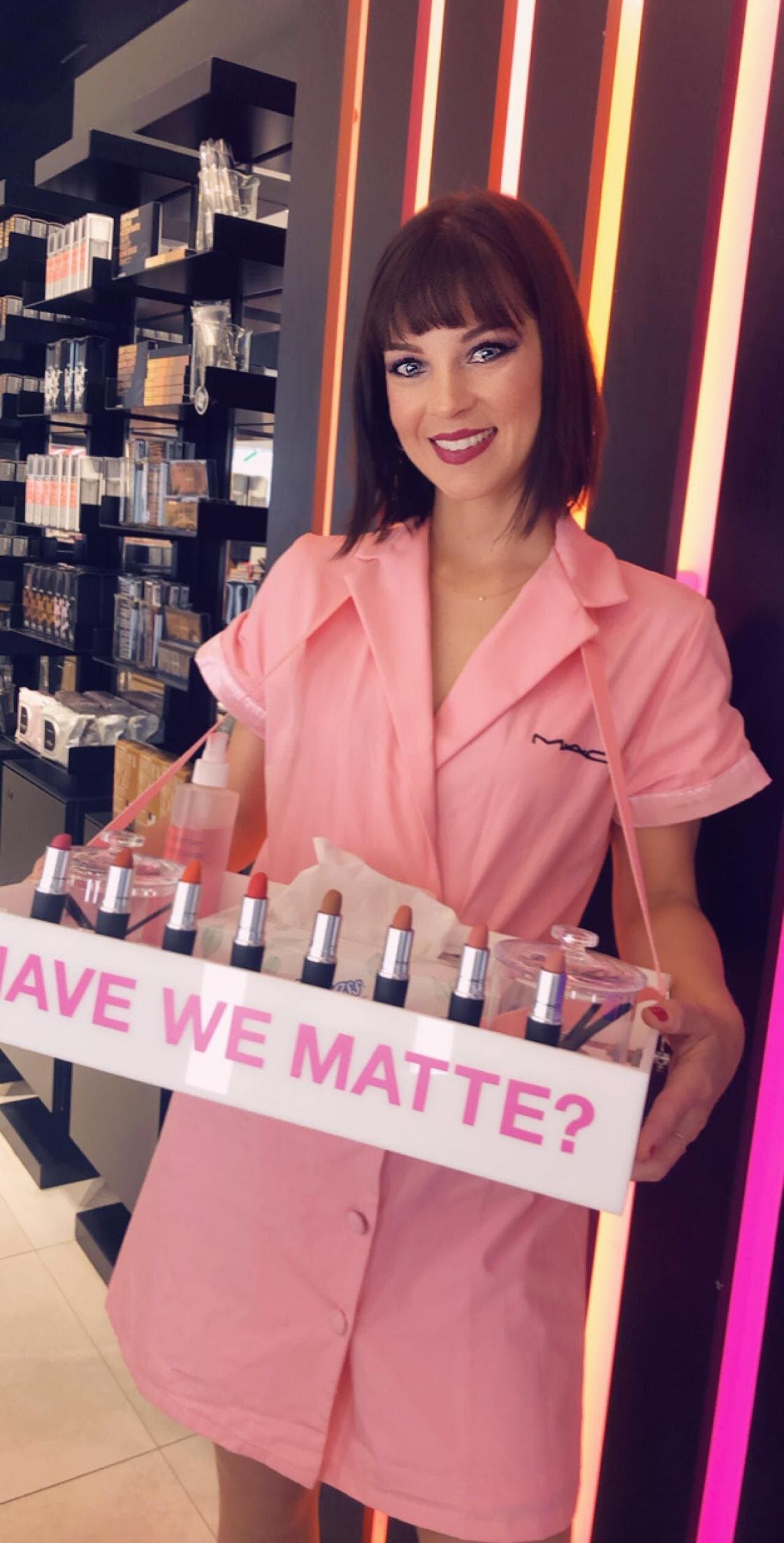
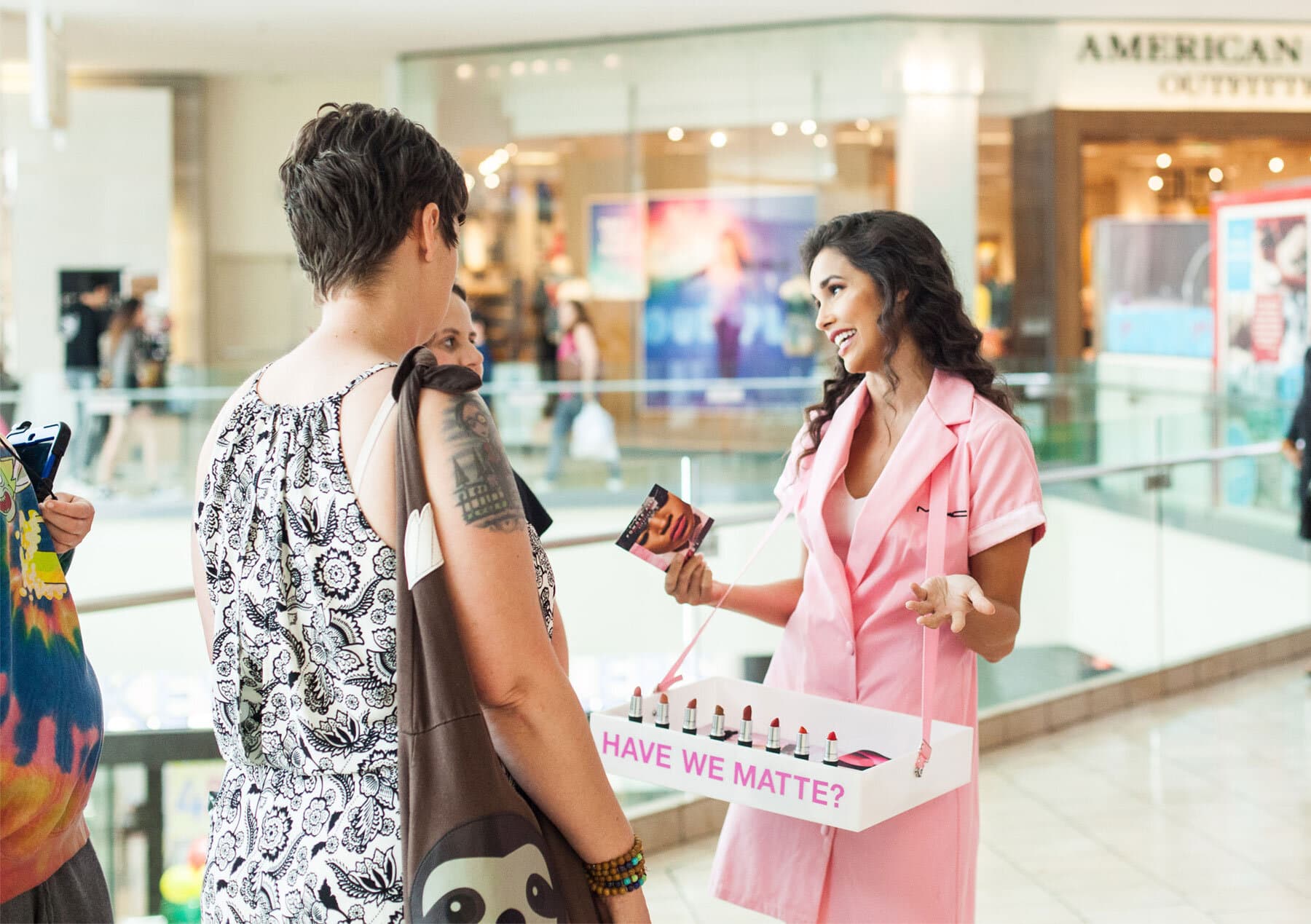
A promotional model is a talent hire focused primarily on visibility, atmosphere, and high-volume distribution. Promotional models typically:
- Draw attention to your booth, display, or activation through presence and appearance
- Distribute samples, flyers, promotional items, or branded materials
- Follow scripted talking points for brief consumer interactions
- Create photo opportunities and social media content
- Enhance the visual presentation of your brand at events
Promotional models excel at generating foot traffic and creating a polished visual impression. Their strength is drawing people in, not converting them through deep product conversations.
When to Hire Brand Ambassadors
Trade Shows and B2B Events
When your audience includes industry professionals, decision-makers, and technical buyers, you need brand ambassadors who can speak credibly about your products. Trade show attendees at events like CES, SEMA, and NRF expect substantive conversations, not surface-level pitches.
Product Launches
New product introductions require staff who can articulate what makes the product different, why it matters, and how it fits into the consumer's life. Brand ambassadors with deep product training create the kind of first impressions that drive trial and adoption.
Multi-Day Campaigns
Campaigns running across multiple days or markets benefit from brand ambassadors who build familiarity with the product and improve with each shift. Their performance compounds over time as they refine their approach based on real consumer feedback.
Lead Generation Events
If your primary KPI is qualified leads, brand ambassadors are the clear choice. They can qualify prospects through conversation, capture meaningful data beyond name and email, and tailor follow-up recommendations that improve conversion rates.
When to Hire Promotional Models
Grand Openings and Launch Parties
Events designed to create buzz, attract crowds, and generate social media content benefit from promotional models who draw attention and create energy. The goal is foot traffic and awareness, not deep product education.
Sampling Campaigns
High-volume product sampling at events, retail locations, or street-level activations often requires promotional models who can distribute samples efficiently while delivering a brief, scripted brand message. Speed and volume are the priorities.
Nightlife and Entertainment Events
Brand activations at clubs, concerts, and entertainment venues need promotional models who match the energy and aesthetic of the environment. Consumer interactions are brief and the atmosphere does not support extended conversations.
Photo Activations and Social Content
If your activation centers on a photo booth, branded experience, or content creation moment, promotional models who are comfortable on camera and naturally photogenic add significant value to the visual output.
The Hybrid Approach
The smartest staffing plans often combine both roles at the same event:
- Brand ambassadors stationed at product demo areas, lead capture stations, and meeting spaces where conversations happen
- Promotional models positioned at entrances, high-traffic areas, and distribution points where visibility and volume matter
This approach maximizes both depth and reach. Your brand ambassadors handle the qualified prospects while promotional models generate the foot traffic that feeds the pipeline.
Cost Comparison
Brand ambassadors command higher rates than promotional models because of the training investment and skill requirements:
- Brand ambassadors: Higher rates reflect training time, product knowledge testing, and campaign continuity value
- Promotional models: Lower cost with minimal pre-event training requirements
The ROI calculation depends entirely on your campaign objectives. A brand ambassador generating 50 qualified leads per day delivers more value than a promotional model distributing 500 flyers if your goal is pipeline development.
How to Brief Your Staffing Agency
When submitting your staffing request to an event staffing agency, be specific about:
- Primary campaign objectives: Awareness, leads, sales, content, or sampling volume
- Audience profile: Consumer, professional, technical, or mixed
- Engagement depth required: Brief interactions or extended conversations
- Product complexity: Simple consumer product or technical solution
- KPIs: Exactly what you are measuring and how
These details help your agency recommend the right talent mix and set accurate expectations for both staff and your brand team.
Make the Right Staffing Decision
Air Fresh Marketing provides both brand ambassadors and promotional models with clear role definitions, tailored training, and performance accountability. Our professional 1099 contractor model ensures quality control regardless of the role you need.
Contact us to discuss your event goals or request a quote with your campaign details and staffing requirements.