Brand ambassadors for RTD (ready-to-drink) cocktail and canned wine brands operate in one of the most dynamic and legally complex spaces in consumer goods marketing. The RTD alcohol category has exploded in the past five years: from White Claw and Truly defining the hard seltzer wave to a new generation of premium RTD cocktails (High Noon, Cutwater, CANN, Fishers Island Lemonade) and canned wines (Bev, Archer Roose, Scout and Cellar) competing for shelf space and consumer attention.
The Regulatory Complexity of Alcohol Brand Ambassador Programs
Alcohol brand ambassador programs operate under a regulatory framework that doesn't apply to other CPG categories. Key compliance considerations include:
State-specific sampling laws. Alcohol sampling is legal in most states but heavily regulated. Requirements vary by state: some require licensed personnel for all sampling events; others restrict sampling to specific venue types; many require advance permit applications. Your staffing agency must understand these requirements for every market where you activate.
Three-tier system compliance. The alcohol industry's three-tier distribution system (supplier -> distributor -> retailer) creates specific rules about what brand activities can occur at retail and who can conduct them. Staffing programs that violate three-tier regulations create liability for your brand, your distributor, and the retailer.
Age verification requirements. All sampling events require strict age verification protocols. Ambassadors must be trained on proper ID checking and must refuse service to anyone who cannot verify legal drinking age, regardless of how the refusal affects the sampling event's numbers.
DISCUS and TTB guidelines. The Distilled Spirits Council and the Alcohol and Tobacco Tax and Trade Bureau publish guidelines for responsible marketing of alcohol. Brand ambassador programs should be designed in compliance with these guidelines.
Building a Compliant RTD Alcohol Brand Ambassador Program
A compliant RTD alcohol ambassador program requires several foundational elements:
State-by-state compliance audit. Before launching a multi-state sampling program, conduct a regulatory audit of each target state's sampling laws. Your staffing agency should have or develop this expertise.
Licensed personnel where required. In states requiring licensed servers for alcohol sampling (California's ABC regulations, for example), ensure all sampling staff hold the required licensure. Air Fresh Marketing verifies licensing requirements and facilitates appropriate training and certification for alcohol clients.
Standardized age verification protocols. Every ambassador must use the same age verification process: request ID from everyone who appears under 30, verify validity, record refusals. This protocol should be non-negotiable and regularly audited.
Responsible service training. All alcohol brand ambassadors should complete responsible beverage service training (TIPS, ServSafe Alcohol, or equivalent state-approved program) before their first shift.
RTD Cocktail Brand Ambassador Roles and Responsibilities
On-premise sampling staff. Ambassadors deployed in bars, restaurants, and entertainment venues for sampling events and account relationship building. These staff interact with bar management, bartenders, and consumers. Strong interpersonal skills and alcohol industry knowledge are critical.
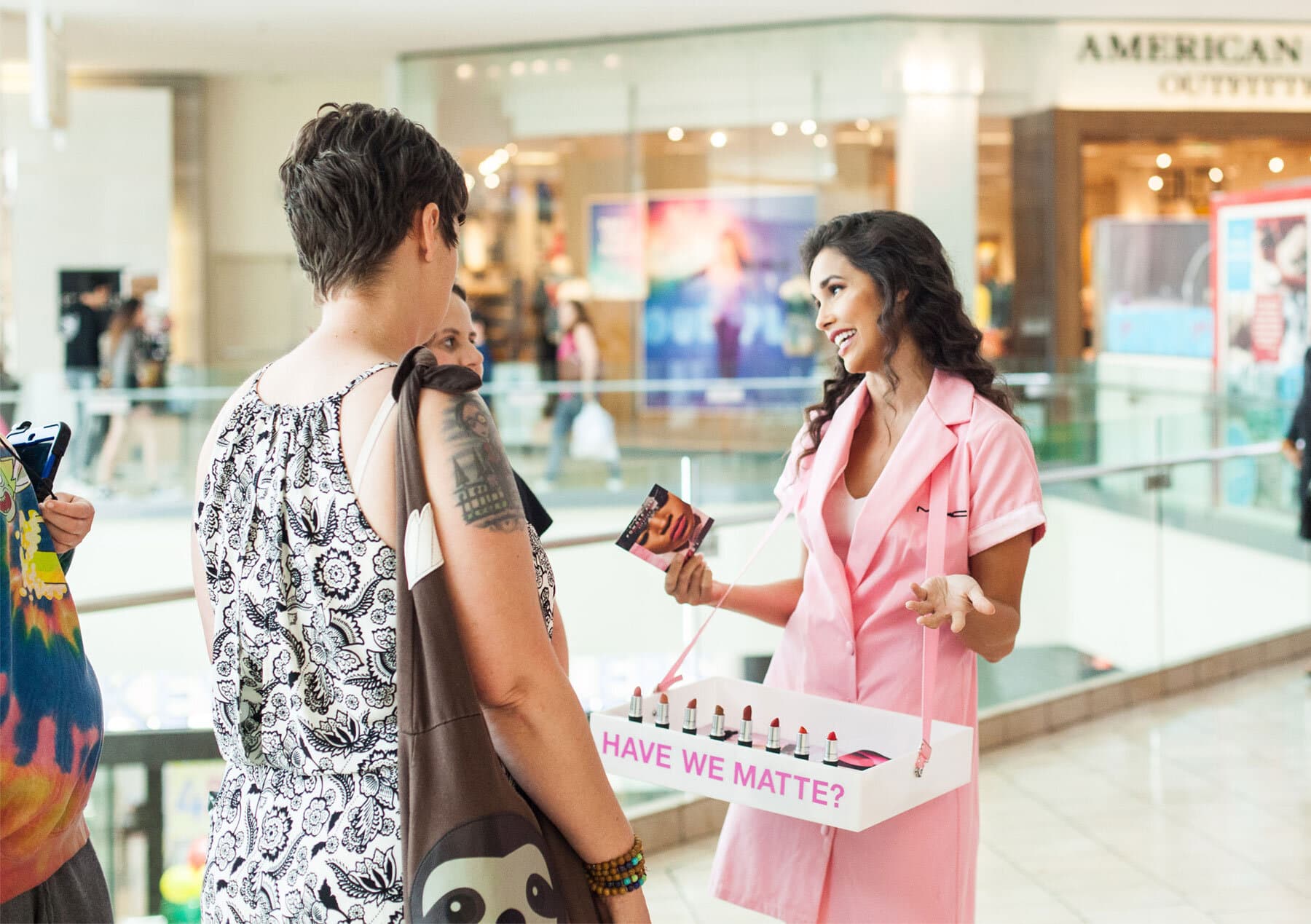
Off-premise sampling staff. Ambassadors at licensed retail locations (Total Wine, BevMo, grocery chains with sampling licenses) conducting consumer-facing sampling. Focus is on consumer education, flavor guidance, and purchase conversion.
Event and festival sampling crews. For music festivals, food and wine festivals, and lifestyle events with alcohol licenses, sampling crews conducting tastings in the brand activation space. This requires high-volume, high-energy sampling mechanics with rigorous age verification at scale.
Brand education specialists. For premium RTD cocktails and canned wines with distinct production stories (craft spirits base, biodynamic wine grapes, celebrity founders), dedicated brand education specialists who can convey the brand's story at a level that justifies premium pricing.
Key RTD Alcohol Markets
Miami: Heavy RTD alcohol consumer density, outdoor lifestyle, festival culture, strong on-premise activation opportunities. Premier market for premium RTD brands.
Los Angeles: Health-conscious consumer base receptive to better-for-you alcohol messaging. Strong natural grocery channel and fitness-adjacent lifestyle events.
New York: Dense on-premise (bar/restaurant) market, high off-premise volume through licensed grocers, diverse consumer demographics.
Las Vegas: Pool party and nightlife culture drives massive RTD consumption. Event and experiential sampling opportunities at major properties.
Chicago: Strong off-premise retail market, growing food and music festival culture, receptive consumers for premium positioning.
Atlanta: Fast-growing RTD market, strong social event culture, favorable regulatory environment for sampling programs.
Why Professional 1099 Contractor Model Matters Especially for Alcohol Staffing
The compliance stakes in alcohol brand ambassador programs are high enough that the gig worker model is genuinely dangerous. When an independent contractor violates age verification protocols, serves someone who is visibly intoxicated, or operates outside their sampling permit, the legal exposure flows to every party in the chain.
Air Fresh Marketing's professional 1099 contractor model means every ambassador is trained, tested, and accountable to us before they represent your brand. Our alcohol category compliance training covers state-specific regulations, age verification, responsible service, and three-tier system compliance. Get a quote for RTD cocktail and canned wine brand ambassador programs, or contact us to discuss compliant alcohol sampling programs in your target markets.