Street team marketing remains one of the most powerful grassroots strategies available to brands seeking authentic, face-to-face connections with their target audience. In an era dominated by digital advertising and algorithmic content delivery, the human element of a well-executed street team campaign cuts through the noise in ways that screens simply cannot replicate. Whether you are launching a new product, promoting an event, building brand awareness in a specific market, or driving foot traffic to a retail location, street teams deliver measurable results through direct human engagement.
At Air Fresh Marketing, we have managed hundreds of street team campaigns across major metropolitan markets, and we have learned what separates successful campaigns from those that fall flat. This guide distills that experience into actionable strategies you can use to plan, execute, and measure your own street team marketing efforts.
#Understanding the Street Team Marketing Landscape
Street team marketing falls under the broader umbrella of guerrilla marketing and experiential marketing, but it has distinct characteristics that set it apart. Unlike static experiential installations or pop-up events that draw people to a fixed location, street teams go where the audience already is. They meet people in their daily routines, whether that means morning commuters at transit hubs, lunchtime crowds in business districts, weekend shoppers in retail corridors, or nightlife audiences in entertainment zones.
The fundamental advantage of street team marketing is its mobility and flexibility. A team can shift locations based on real-time foot traffic patterns, adjust messaging based on audience response, and cover multiple neighborhoods in a single day. This adaptability makes street teams ideal for campaigns that need broad geographic reach within a market or that target specific micro-audiences in particular locations.
Modern street team campaigns have evolved far beyond simply handing out flyers on a street corner. Today's campaigns incorporate technology such as QR codes, NFC tags, augmented reality experiences, and real-time social media integration. The physical interaction serves as a gateway to deeper digital engagement, creating a seamless omnichannel experience that begins with a human handshake and continues through digital touchpoints.
#Planning Your Street Team Campaign
Defining Clear Objectives
Every successful street team campaign starts with clearly defined objectives. What specific outcome are you trying to achieve? Common objectives include building awareness for a new product or service, driving downloads of a mobile application, generating foot traffic to a retail location or event, distributing samples to create product trial, collecting email addresses or phone numbers for future marketing, and creating social media content and user-generated engagement.
Your objectives directly influence every subsequent decision, from team size and location selection to messaging and materials. A campaign focused on app downloads requires different tactics than one focused on product sampling or event attendance driving. Define your primary objective and no more than two secondary objectives to maintain focus and measurability.
Identifying Target Locations
Location selection is arguably the most critical factor in street team campaign success. The best messaging and the most talented team members will underperform if they are deployed in locations where the target audience does not naturally congregate. Effective location scouting involves demographic research to identify neighborhoods where your target audience lives, works, and socializes.
Consider foot traffic volume and patterns throughout the day. Morning hours might favor transit stations and coffee shop districts. Midday works best in business corridors and lunch spots. Afternoon and evening hours are optimal for shopping districts, gym areas, and entertainment zones. Weekend patterns differ significantly from weekday flows and should be scouted separately.
At Air Fresh Marketing, our street team specialists conduct advance location scouting for every campaign, measuring foot traffic counts at different times, noting audience demographics, identifying optimal positioning within each location, and confirming that required permits are obtainable. This groundwork dramatically increases campaign effectiveness.
Navigating Permits and Legal Requirements
Street team marketing exists in a complex legal landscape that varies significantly by city, county, and even individual property. Most municipalities require permits for commercial solicitation on public sidewalks and spaces. Some prohibit it entirely in certain zones. Private property such as shopping centers, office complexes, and transit stations require separate permission from property owners or management companies.
Common permit requirements include city solicitation permits that authorize commercial activity on public sidewalks, health department permits for food or beverage sampling, temporary use permits for setting up tables or displays, noise permits if amplified sound is involved, and special event permits for larger activations that may impact pedestrian flow.
Failure to obtain proper permits can result in fines, team ejection from the location, confiscation of materials, and damage to your brand reputation. Start the permitting process well in advance of your campaign dates, as some jurisdictions require thirty days or more for permit approval. Budget for permit fees in your campaign planning as they can range from nominal amounts to several hundred dollars depending on the jurisdiction.
Crafting Your Messaging Strategy
Street team messaging must be concise, compelling, and immediately understood. You have approximately three to five seconds to capture a passerby's attention and communicate your value proposition. This demands ruthless simplification of your message to its most essential elements.
Develop a primary message of no more than ten words that communicates the core benefit or call to action. Support this with two to three talking points that team members can deploy if the initial message generates interest. Create a brief elevator pitch of thirty seconds or less for engaged interactions, and a longer two-minute conversation framework for highly interested prospects.
Messaging should be adapted for different audience segments and locations. The message that resonates with morning commuters may differ from what works with evening entertainment-seekers. Provide your team with a messaging matrix that maps different talking points to different scenarios, giving them flexibility while maintaining brand consistency.
#Building and Training Your Street Team
Recruiting the Right People
The quality of your street team members determines the quality of your campaign results. Look for individuals who are naturally outgoing and comfortable approaching strangers, resilient in the face of rejection and indifference, physically energetic enough to be on their feet for extended periods, aligned with your brand's personality and target audience demographics, and reliable with strong punctuality and attendance records.
At Air Fresh Marketing, our street team talent pool includes thousands of vetted professionals across major markets who have proven track records of engaging audiences effectively. We match team members to campaigns based on brand alignment, demographic relevance, language capabilities, and past performance on similar programs.
Training for Success
Comprehensive training transforms hired talent into effective brand representatives. Training should cover product and brand knowledge including key features, benefits, and differentiators. Team members need to understand conversation frameworks and objection handling, proper permit display and compliance with local regulations, safety protocols and de-escalation techniques, data collection procedures and technology usage, and team coordination and communication methods.
Conduct role-playing exercises that simulate real-world scenarios. Practice the initial approach, the transition from greeting to pitch, handling objections, closing with a call to action, and gracefully ending conversations that are not progressing. The more realistic your training scenarios, the more prepared your team will be in the field.
Equipping Your Team
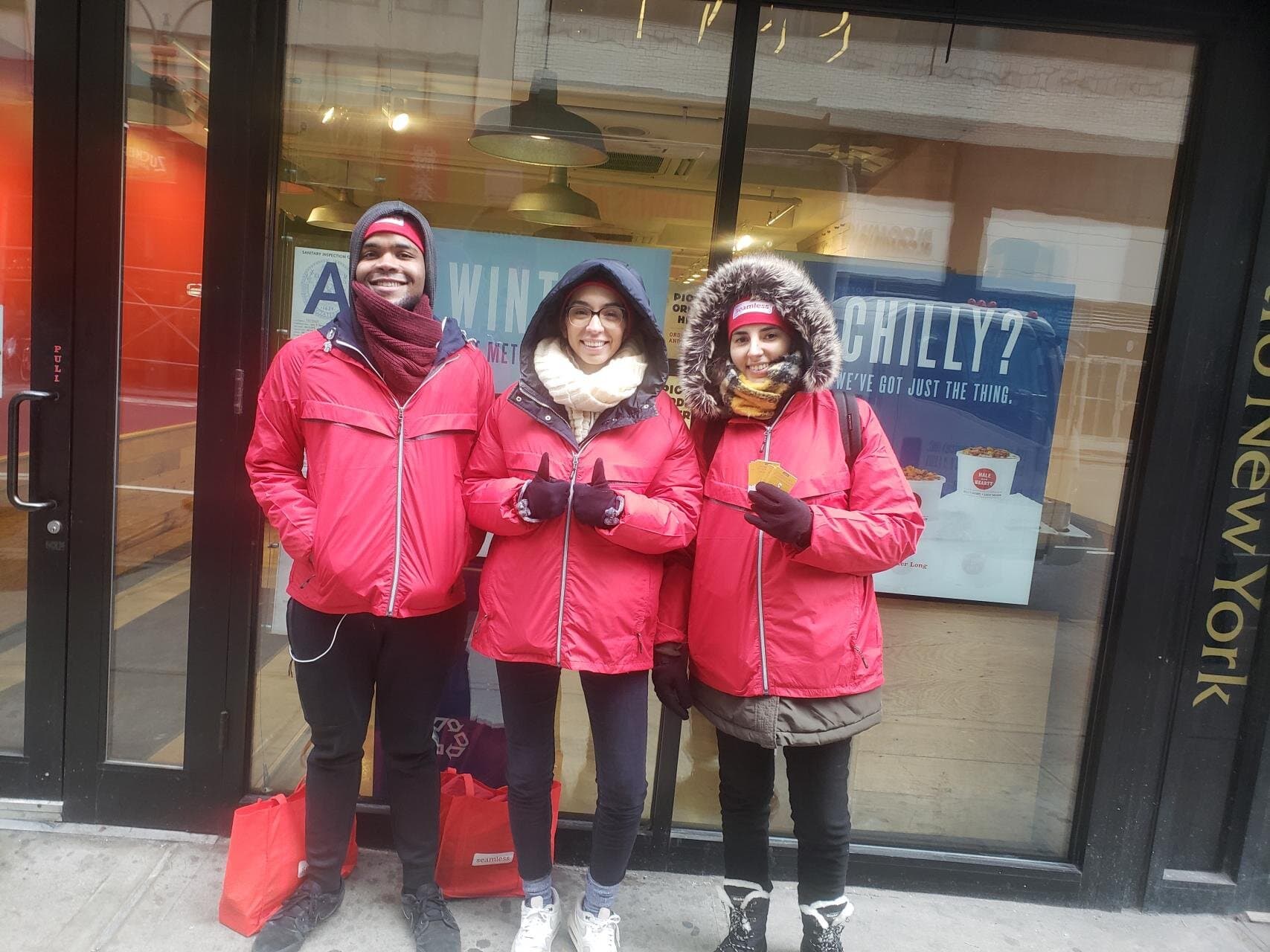
The right equipment and materials amplify your team's effectiveness. Standard street team kit includes branded apparel that is eye-catching and clearly identifies team members, printed materials such as flyers, postcards, or brochures with clear calls to action, product samples if applicable, digital devices for data capture such as tablets or smartphones with appropriate apps, portable chargers and connectivity solutions, weather protection gear for outdoor deployments, and storage solutions for materials and collected items.
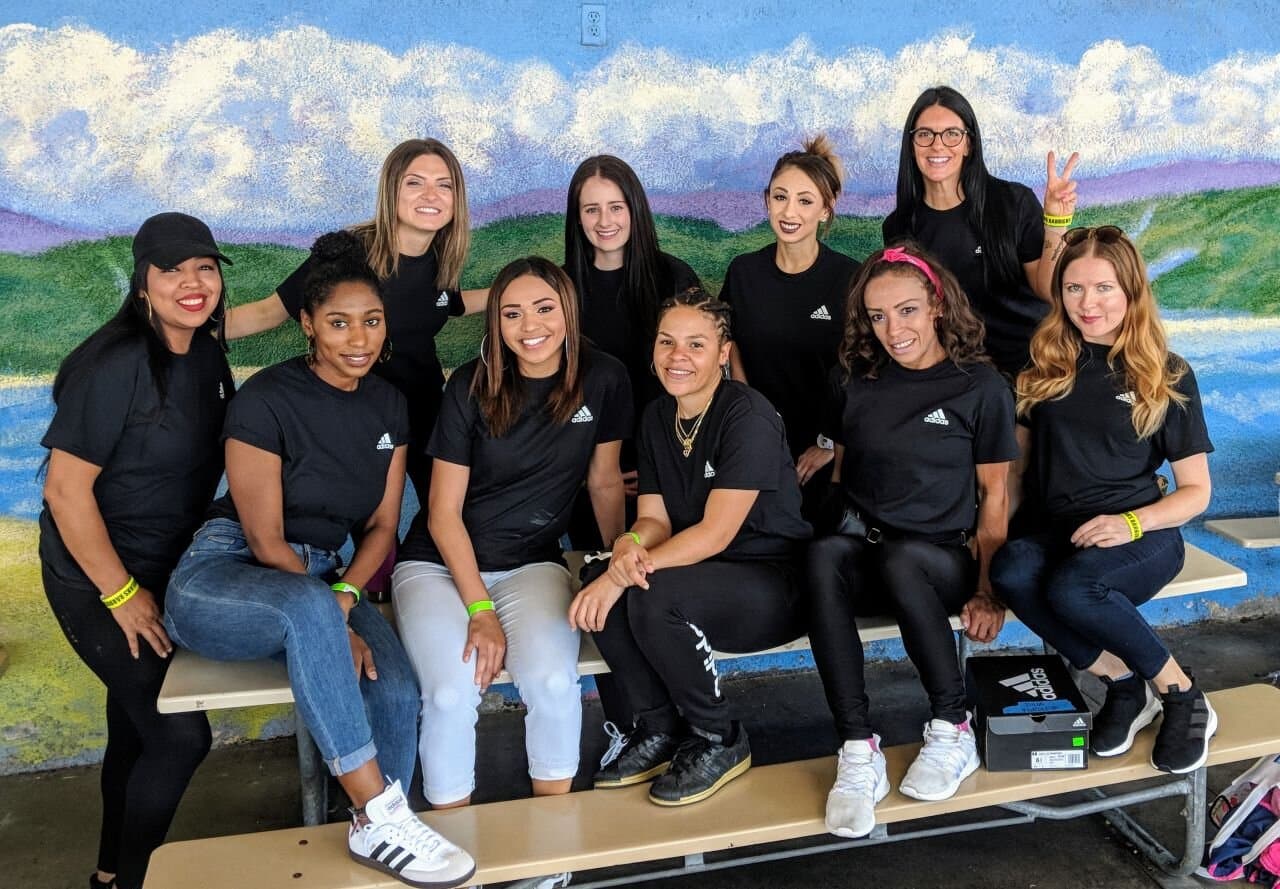
Invest in high-quality branded apparel that looks professional and creates visual cohesion. A well-dressed team projects credibility and attracts attention even before they begin engaging passersby. Consider apparel that sparks curiosity and conversation, creating natural openings for your team to deliver their message.
#Executing the Campaign
Day-of-Event Management
Effective field management is essential for street team campaigns. Assign a field manager or team captain responsible for ensuring the team arrives on time and at the correct location, distributing materials and equipment, positioning team members for maximum coverage, monitoring performance and providing real-time coaching, managing breaks and rotations, handling unexpected issues such as weather or permit challenges, and collecting data and materials at the end of the shift.
Establish clear communication channels between field managers and your campaign headquarters. Real-time reporting allows you to make tactical adjustments during the campaign, such as shifting team members to higher-performing locations or adjusting messaging based on audience response.
Engagement Techniques That Work
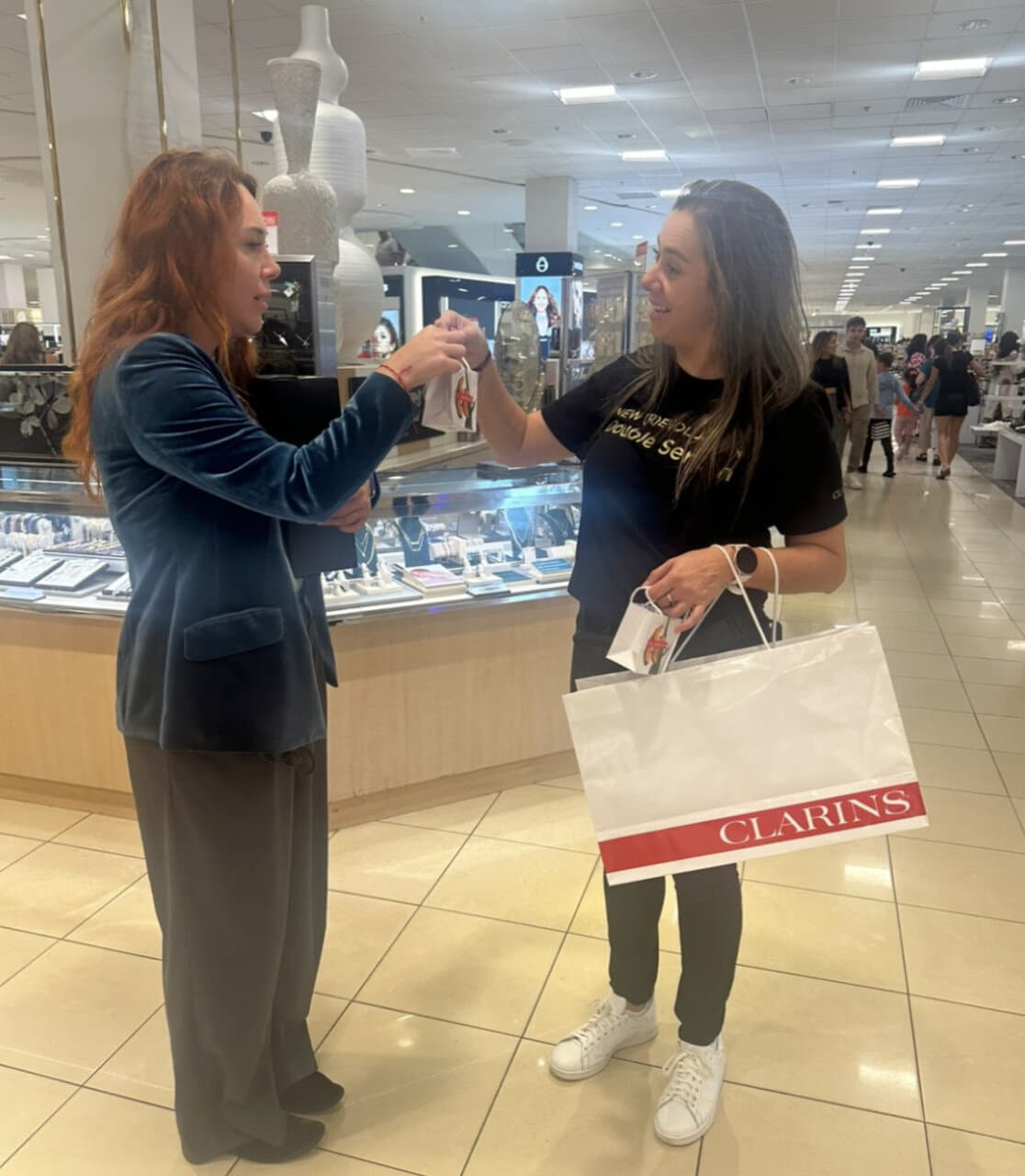
The initial approach is the most critical moment in any street team interaction. Effective approaches include offering value immediately such as a sample, a coupon, or useful information, asking an engaging question that relates to the prospect's current activity, using humor or unexpected elements that break the pattern of typical solicitation, making eye contact and smiling before speaking, and respecting physical space and body language signals.
Avoid aggressive tactics that create negative brand associations. Never block pathways, pursue people who have declined, or use deceptive opening lines. The goal is to create positive brand impressions even among those who do not engage fully. A polite, professional interaction that ends with a declined offer still leaves a better impression than pushy tactics that generate momentary attention but lasting negative sentiment.
Real-Time Optimization
One of street team marketing's greatest advantages is the ability to optimize in real time. Unlike digital campaigns that require data accumulation before patterns become clear, street teams can see immediately what is working and what is not. Effective real-time optimization includes tracking engagement rates by location and time and shifting resources to high-performing spots.
Monitor which messages generate the most stops and conversations, adjusting talking points accordingly. Observe which team members are performing best and have them share techniques with others. Note demographic patterns in who engages and adjust positioning to maximize exposure to responsive audiences. Track material distribution rates and adjust pacing to ensure supplies last the full shift duration.
#Measuring Campaign Effectiveness
Key Performance Indicators
Define your KPIs before the campaign launches so you have clear benchmarks for success. Common street team KPIs include impressions delivered measured by the number of people who saw branded team members, engagements tracked as conversations initiated and sustained beyond the initial greeting, conversions counted as completed desired actions such as sign-ups, downloads, or redemptions, materials distributed including flyers, samples, or coupons handed out, and cost per engagement or cost per conversion calculated from total spend divided by results.
Data Collection Methods
Robust data collection enables accurate measurement and future campaign optimization. Implement systems for counting interactions using tally apps or manual counting, capturing contact information through digital forms or sign-up sheets, tracking coupon or QR code redemptions through unique codes by team member or location, monitoring social media mentions and hashtag usage, and recording qualitative feedback about audience reactions and common questions.
At Air Fresh Marketing, every street team campaign includes comprehensive reporting that tracks both quantitative metrics and qualitative insights. Our field managers submit real-time reports that are compiled into detailed post-campaign analyses, giving clients clear visibility into their return on investment.
Post-Campaign Analysis and Reporting
After the campaign concludes, compile all data into a comprehensive report that evaluates performance against objectives. Identify what worked well and should be repeated, what underperformed and needs adjustment, which locations delivered the best results, which team members excelled, and what insights were gathered about the target audience.
Use these insights to refine future campaigns. Street team marketing benefits enormously from iterative improvement, with each campaign building on lessons learned from previous deployments. Document best practices and create playbooks that can be referenced for future activations in the same markets.
#Integrating Street Teams with Digital Marketing
Creating Omnichannel Experiences
The most effective modern street team campaigns create seamless bridges between physical and digital engagement. QR codes on printed materials can direct people to landing pages, app downloads, or social media profiles. NFC-enabled materials allow tap-to-engage interactions with smartphones. Custom URLs and vanity codes make it easy to track which offline interactions drive online conversions.
Design your digital touchpoints to continue the conversation started on the street. If a team member introduces a product benefit, the landing page should expand on that specific benefit rather than presenting a generic homepage. This continuity reinforces the message and increases conversion rates from street-to-digital transitions.
Leveraging Social Media Amplification
Encourage both team members and engaged prospects to share campaign moments on social media. Create shareable moments such as photo opportunities, interactive challenges, or giveaway mechanics that incentivize social posting. Develop a campaign hashtag and feature it prominently on all materials and team apparel.
User-generated content from street team interactions extends your campaign reach far beyond the physical footprint. A single compelling photo or video shared by an engaged participant can reach thousands of additional impressions at zero incremental cost. Design elements of your campaign specifically for shareability to maximize this organic amplification effect.
#Budgeting for Street Team Campaigns
Cost Components
Understanding the full cost structure helps you budget accurately and identify areas for efficiency. Major cost components include staffing costs covering hourly rates, minimum hours, and overtime, training costs for preparation time and materials, permits and legal fees varying by jurisdiction, materials and equipment including printing, samples, branded items, and technology, field management covering supervision, transportation, and communication, and reporting and analytics for data compilation and analysis.
Maximizing ROI
Stretch your budget by focusing resources on the highest-impact elements. Invest more in quality training that improves conversion rates rather than simply adding headcount. Choose locations with proven foot traffic rather than spreading thin across unproven areas. Use technology to automate data collection and reduce manual reporting costs. Build relationships with property managers for reduced or waived permit fees at repeat locations.
Working with an experienced agency like Air Fresh Marketing often provides better ROI than managing campaigns internally. Our established relationships with municipalities and property managers, trained talent pool, proven deployment playbooks, and reporting infrastructure provide efficiencies that are difficult to replicate without significant investment in building these capabilities from scratch.
#Conclusion
Street team marketing succeeds when careful planning meets excellent execution. By defining clear objectives, selecting optimal locations, recruiting and training outstanding talent, managing campaigns dynamically, and measuring results rigorously, you can create campaigns that forge genuine connections between your brand and your target audience.
At Air Fresh Marketing, our street team services combine strategic planning with boots-on-the-ground expertise to deliver campaigns that move the needle. Whether you are launching in a new market, promoting an event, or building grassroots brand awareness, our team has the experience and talent to make your street team campaign a success. Contact us today to start planning your next activation.