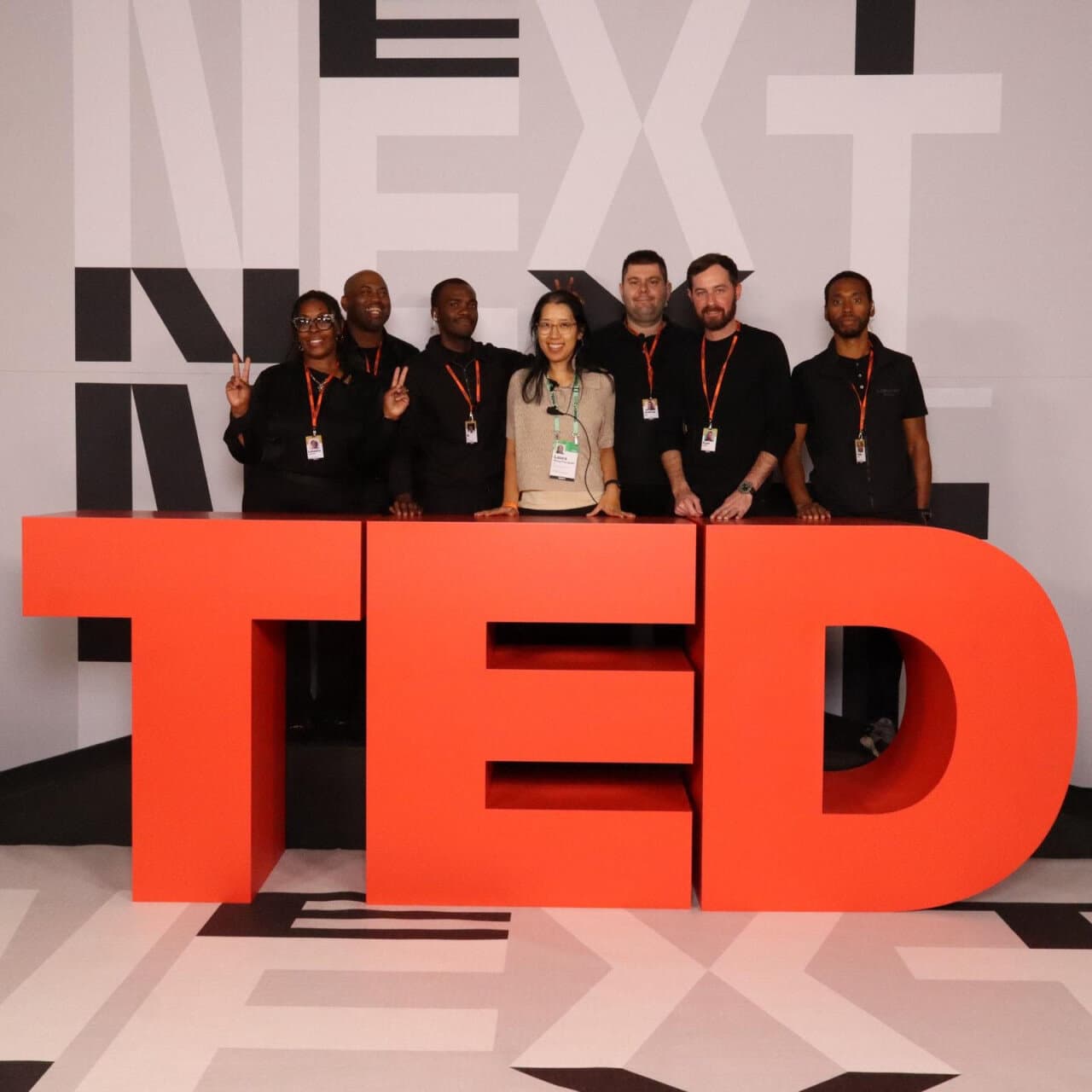
Corporate event staffing agency vs in-house is a decision that CFOs, event directors, and marketing leaders face every year during budget season. The assumption that in-house is always cheaper drives many companies to pull employees from their regular roles to staff corporate events. Sometimes that works. Often, it costs more than hiring an agency, once you account for the full picture.
This guide provides an honest cost comparison to help you make the right decision for your organization.
The Direct Cost Comparison
Scenario: A Three-Day Corporate Conference With 20 Event Staff
Agency Staffing Costs
Working with an event staffing agency for 20 staff over three days, the quoted total scales with staff count, shift hours, days, and the training time built into the rate, plus a premium for on-site team leads. Request a custom quote for an itemized breakdown against your own headcount and schedule.
In-House Staffing Costs
Using 20 employees from your company, the true cost stacks up across several line items: salary-equivalent pay for the hours worked, any overtime once employees exceed a standard work week, lost productivity from pulling people out of their regular roles, internal coordination time for training, and travel and accommodation for employees coming from other offices.
Once lost productivity and travel are factored in, the in-house total frequently exceeds the agency quote, even though salary-equivalent pay looks cheaper on its own. Those costs do not appear on the event budget line item, but they hit the company's bottom line just the same.
Hidden Costs of In-House Event Staffing
Lost Productivity
This is the largest hidden cost. When your marketing coordinator, sales representative, or customer success manager staffs a three-day conference, their regular work stops. Emails pile up, deals stall, clients wait, and projects fall behind. The cost of this disruption compounds as employees spend days catching up after the event.
For revenue-generating roles (sales, business development), the lost productivity cost can exceed the employee's salary equivalent for the event days. A sales rep who would have closed $15,000 in deals during those three days represents a $15,000 opportunity cost on top of their compensation.
Inconsistent Quality
Employees are hired for their functional expertise, not their event skills. Your best engineer is not necessarily your best booth host. Your most senior account manager may be uncomfortable approaching strangers at a networking event. Forcing employees into roles that do not match their skills creates awkward interactions that reflect poorly on your brand.
Professional brand ambassadors are specifically selected and trained for event engagement. They do it every week, across multiple brands and event types. That experience gap is significant and directly affects the quality of attendee interactions.
Burnout and Morale
Repeatedly pulling employees to staff events creates resentment, especially when it is added to their regular workload rather than replacing it. Event staffing is physically demanding: ten-hour days on your feet, constant social interaction, and high-energy performance. Employees who are voluntold to work events often deliver minimum effort because they view it as a burden, not a role.
Training and Coordination Overhead
Preparing employees for event roles requires someone to:
- Create training materials specific to each event
- Schedule and conduct training sessions
- Coordinate logistics (travel, accommodation, meals, transportation)
- Manage scheduling conflicts with employees' regular responsibilities
- Handle day-of coordination and troubleshooting
This coordination overhead falls on your event team and adds dozens of hours of work that would not exist with an agency partner.
Insurance and Liability Gaps
Your standard corporate insurance may not cover employees performing event staffing duties, especially for off-site events, physical setup and teardown, or activities outside their normal job description. A professional staffing agency's insurance coverage often extends further, including general liability coverage specific to event work.
When In-House Staffing Makes Sense
In-house is the right choice when:
- Deep product expertise is required. If attendees need access to your actual engineers, product managers, or service specialists, those people need to be at the event. But they should focus on expert conversations, not greeting guests and scanning badges.
- Relationship continuity matters. If the event is about deepening existing client relationships, the employees who manage those relationships should attend. But support them with agency staff for operational roles.
- The event is small and local. A 10-person client dinner or internal team event does not need external staffing. Your team can handle it.
- Culture and team building. Company events where employee participation IS the point (holiday parties, team celebrations, internal conferences) should obviously use in-house staff.
When Agency Staffing Makes Sense
An agency is the better choice when:
- Scale matters. Events requiring 10 or more event staff are logistically complex for in-house teams to manage.
- The event is in a different city. Flying employees to events is dramatically more expensive than hiring locally through an agency with national reach.
- Consistent, professional guest engagement is the priority. Agency-provided brand ambassadors are trained for this specific work.
- You have multiple concurrent events. An agency can staff events in multiple markets simultaneously without depleting your workforce.
- Specialized roles are needed. Registration staff, greeters, demo specialists, and team leads are agency core competencies.
The Hybrid Model
The smartest corporate event teams use a hybrid approach:
- Agency staff handle operational roles: registration, greeting, crowd management, sampling, demo stations, and logistics
- In-house staff handle strategic roles: executive presentations, client meetings, expert conversations, and relationship building
- Agency team leads manage the operational staff, freeing your in-house event manager to focus on the big picture
This model gives you professional execution for operational tasks and authentic company representation for strategic interactions, at a lower total cost than going fully in-house.
Calculating Your True Cost
To make an accurate comparison for your organization:
- List every role your event requires (be specific)
- For each role, calculate the in-house cost including salary equivalent, overtime, benefits, lost productivity, and travel
- Get an agency quote for the same roles
- Add coordination overhead for managing in-house staff
- Factor in risk: what happens if an employee cancels, underperforms, or gets pulled to another priority?
Most organizations discover that the agency option is comparable or cheaper for events with more than eight staff, and significantly cheaper when lost productivity and travel are properly accounted for.
Corporate event staffing That Delivers
Air Fresh Marketing provides corporate event staffing for conferences, product launches, trade shows, client events, and company activations in 200+ cities. Our professional staff integrate seamlessly with your in-house team, handling operational execution while your employees focus on what they do best.
Get a quote to compare agency vs in-house costs for your next corporate event, or contact us to discuss a hybrid staffing model that maximizes quality and minimizes cost.