Corporate event planning checklist: four words that every marketing director, event planner, and operations manager searches for at least once a quarter. Because corporate events are simultaneously one of the most powerful marketing channels and one of the most complex operational undertakings any organization faces.
A product launch, annual conference, client appreciation dinner, team summit, or executive retreat involves hundreds of moving parts across staffing, venue logistics, catering, technology, entertainment, branding, and measurement. Miss one element and the entire event suffers. This checklist covers every critical component so nothing falls through the cracks.
Phase 1: Strategy and Planning (12-16 Weeks Out)
Define Event Objectives
Before you book a venue, hire staff, or design a single slide, answer these questions:
- What is the primary business objective? Brand awareness, lead generation, customer retention, employee engagement, product launch, thought leadership?
- Who is the target audience? Internal employees, clients, prospects, partners, media, industry peers?
- What does success look like? Define 3 to 5 measurable KPIs tied to your business objective.
- What is the budget? Get budget approval before making any commitments.
- What is the non-negotiable date or date range? Consider competitor events, holidays, industry calendars, and venue availability.
Build Your Planning Team
Every corporate event needs:
- Event lead: Single point of accountability for the entire event
- Logistics coordinator: Manages venue, catering, AV, transportation
- Marketing/creative lead: Manages branding, content, communications, attendee experience
- Staffing coordinator: Manages event staff, registration team, brand ambassadors
- Technology lead: Manages AV, streaming, event app, lead capture systems
For large events, these may be dedicated roles. For smaller events, individuals may wear multiple hats. For events requiring professional event staff, your staffing partner should be part of the planning team from the beginning.
Set Your Budget
Corporate event budgets typically allocate across these categories:
| Category | Percentage of Total Budget |
|---|---|
| Venue and F&B | 35-45% |
| Production and AV | 15-20% |
| Staffing | 10-15% |
| Marketing and communications | 5-10% |
| Entertainment and speakers | 5-10% |
| Decor and branding | 5-8% |
| Technology | 3-5% |
| Contingency | 5-10% |
Build a line-item budget with specific costs for every element. Include a 5 to 10 percent contingency buffer for unexpected expenses.
Phase 2: Venue and Vendor Selection (10-12 Weeks Out)
Venue Selection Criteria
- Capacity: Confirm the venue accommodates your expected attendance plus 10 to 15 percent for growth
- Location: Accessible to your primary attendee base, with hotel and transportation options nearby
- AV capabilities: Existing AV infrastructure reduces production costs significantly
- Catering options: In-house catering vs. external catering flexibility
- Branding opportunities: Can you customize the space with your branding? Are there restrictions?
- Accessibility: ADA compliance, elevator access, accessible restrooms
- Parking and transportation: Adequate parking, proximity to public transit, ease of rideshare pickup
- Load-in logistics: Freight elevator access, loading dock, setup time allowance
Explore venue options in key markets like New York, Los Angeles, Chicago, Las Vegas, and Denver through our venue partnerships.
Book Key Vendors
- AV/production company: Sound, lighting, staging, screens, streaming capabilities
- Catering: Menu planning, dietary accommodations, service style (plated, buffet, stations)
- Photographer/videographer: Event documentation for post-event marketing
- Entertainment: Speakers, performers, musicians, emcees
- Transportation: Shuttle service, valet parking, rideshare coordination
- Decor and floral: Table settings, stage design, branded elements
- Staffing agency: Registration staff, brand ambassadors, event hosts, ushers
Contract Your Staffing Partner
For corporate events requiring professional staff, engage your staffing agency during this phase. Key staffing elements to finalize:
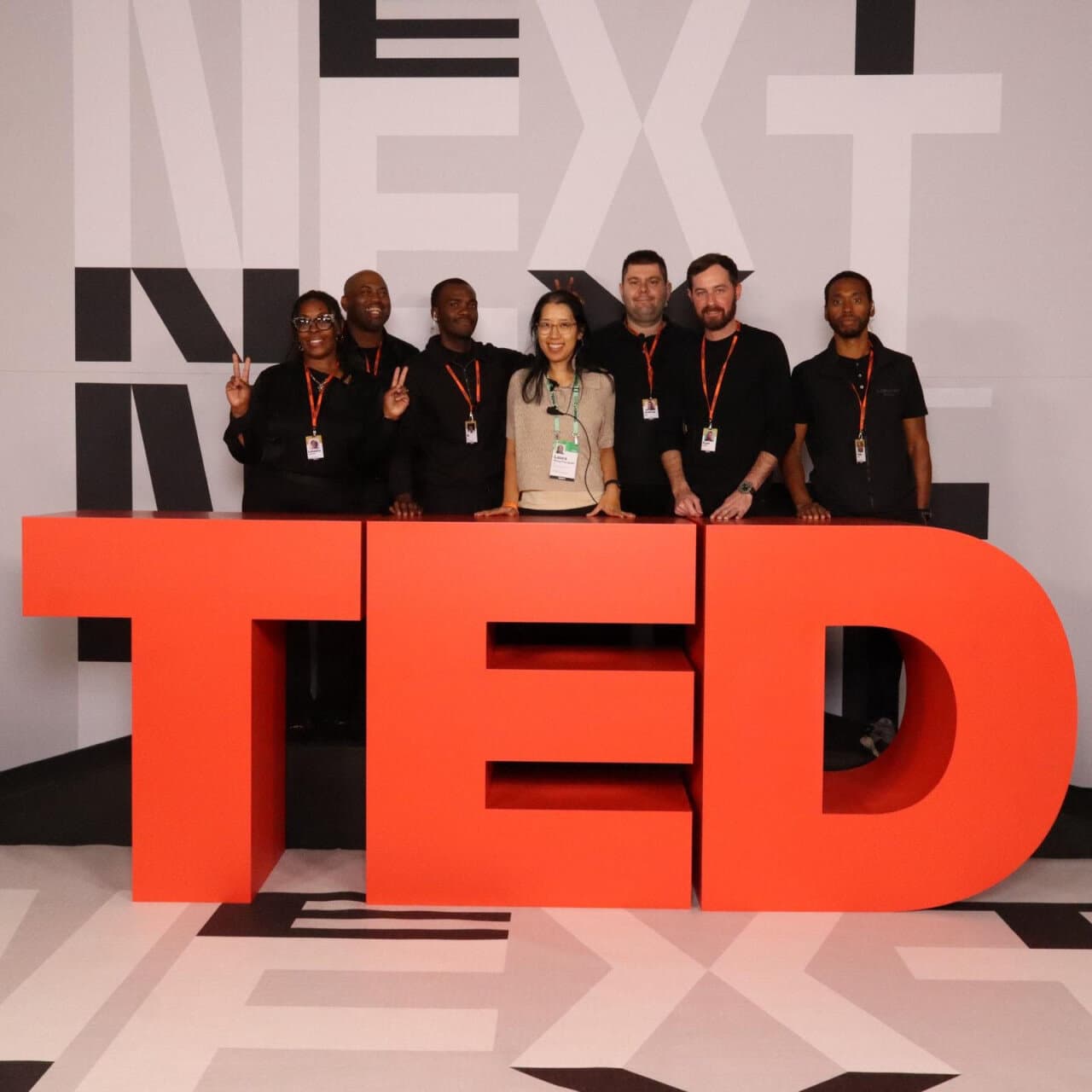
Registration and check-in team: The first human touchpoint for attendees sets the tone for the entire event. Professional registration staff handle check-in efficiently, troubleshoot badge issues, manage VIP arrivals, and direct attendees to the right areas.
Event hosts and brand ambassadors: Staff positioned throughout the venue to guide attendees, facilitate networking, manage room transitions, and maintain the event's energy and flow.
Technical support staff: Team members who manage presentation technology, assist speakers with AV needs, and troubleshoot technical issues in real time.
Catering and hospitality staff: Beyond what your caterer provides, additional hospitality staff manage specialty bars, VIP lounges, and branded food/beverage experiences.
Review how Air Fresh Marketing approaches corporate event staffing and our pricing structure.
Phase 3: Content and Experience Design (8-10 Weeks Out)
Develop Your Agenda
- Keynote sessions: Plan for 45 to 60 minutes maximum for keynotes, with 15-minute buffers for transitions
- Breakout sessions: 30 to 45 minutes each with clear tracks aligned to attendee interests
- Networking time: Build in structured and unstructured networking. The connections attendees make are often more valuable than the content
- Meals and breaks: Never schedule more than 90 minutes of content without a break
- Entertainment/social: Evening receptions, dinners, or entertainment that reinforce your event theme
Design the Attendee Experience
Map the attendee journey from arrival to departure:
- Pre-arrival: Confirmation emails, event app download, logistics information
- Arrival and registration: Efficient check-in, welcome gift, venue orientation
- Opening session: High-energy kickoff that sets the tone and builds excitement
- Content sessions: Varied formats (keynotes, panels, workshops, demos) to maintain engagement
- Networking: Facilitated connections through structured activities, not just "open networking"
- Meals: Social dining designed to facilitate conversation, not just feed people
- Evening programming: Entertainment or social events that deepen relationships
- Closing: Memorable send-off with clear call to action and follow-up plan
- Post-event: Thank-you communications, content access, survey, follow-up meetings
Create Event Branding
- Visual identity: Consistent design system across all event materials
- Signage and wayfinding: Directional signage that is both functional and brand-reinforcing
- Digital assets: Event website, email templates, social media assets, event app branding
- Physical materials: Name badges, printed agendas, branded giveaways
- Stage design: Branded backdrop, screen templates, podium branding
Phase 4: Promotion and Registration (6-8 Weeks Out)
Launch Registration
- Set up your registration platform with all session information
- Create early bird pricing tiers if applicable
- Build confirmation and logistics email sequences
- Set up attendee data capture for post-event follow-up
Promote the Event
- Email campaigns: Three to four-part sequence to your database
- Social media: Event-specific hashtag, speaker spotlights, agenda reveals
- Sales team outreach: Arm your sales team with event invitations for key prospects
- Partner promotion: Leverage sponsors and partners to promote to their audiences
- Paid media: Targeted ads to reach new prospects who match your attendee profile
Phase 5: Final Preparation (2-4 Weeks Out)
Confirm All Details
- Venue final walkthrough completed
- AV and production run-of-show finalized
- Catering final count submitted with dietary accommodations
- All vendor contracts signed and deposits paid
- Staffing count confirmed with agency: review profiles and assignments
- Speaker/entertainer logistics confirmed (travel, hotel, AV needs, presentation files)
- Event materials printed and shipped to venue
- Technology tested (event app, lead capture, streaming, Wi-Fi capacity)
- Transportation and parking arrangements confirmed
- Emergency plan documented and shared with all team leads
Brief Your Staff
Two weeks before the event, conduct a comprehensive briefing with your staffing agency:
- Event overview, objectives, and brand guidelines
- Detailed run-of-show with timing, transitions, and responsibilities
- VIP attendee list and special handling instructions
- Escalation procedures for problems
- Dress code and appearance standards
- Break schedules and staff logistics
Phase 6: Event Execution (Day Of)
Morning Setup Checklist
- Registration area set up and tested (badges, scanners, materials)
- AV check completed for all rooms
- Signage and wayfinding installed
- Catering setup confirmed for all meal periods
- Staff arrived, briefed, and positioned
- Photography/video team positioned and briefed
- Emergency supplies accessible (first aid, phone chargers, sewing kit, stain remover)
- Event lead walkthrough completed: everything ready
During the Event
- Event lead monitors overall flow and makes real-time adjustments
- Stage manager cues speakers, manages transitions, oversees AV
- Staff team lead manages front-of-house staff rotation, breaks, and positioning
- Data capture is happening at every touchpoint (registration, sessions, networking, survey stations)
- Social media team posts real-time content and monitors event hashtag
- Problem resolution: issues are handled immediately and invisibly to attendees
Closing and Teardown
- Closing remarks delivered with clear call to action
- Thank-you gift distributed at exit (if planned)
- Teardown completed per venue requirements
- All rental equipment accounted for and returned
- Final vendor payments processed
- Event data backed up and secured
Phase 7: Post-Event (1-2 Weeks After)
Follow-Up Communications
- Thank-you email within 24 hours with event highlights and photos
- Content access: recorded sessions, presentation decks, resources
- Survey: brief attendee satisfaction survey (send within 48 hours for highest response rates)
- Lead follow-up: sales team contacts prospects from the event with personalized outreach
Measure Results
- Attendance vs. registration (show rate)
- Session attendance and ratings
- Net Promoter Score from post-event survey
- Leads captured and lead quality scores
- Social media impressions, mentions, and sentiment
- Pipeline generated (for client/prospect-facing events)
- Cost per attendee and cost per lead (for ROI calculation)
- Staff performance metrics from your staffing partner
Debrief and Document
Hold a post-event debrief with your full planning team within one week. Document:
- What worked well (keep doing)
- What did not work (improve next time)
- Budget variance (planned vs. actual)
- Vendor performance ratings
- Staffing performance review
- Recommendations for next event
Plan Your Next Corporate Event
Corporate events are complex operations, but with the right planning framework and the right partners, they become powerful tools for business development, brand building, and relationship deepening.
Explore corporate event staffing from Air Fresh Marketing. See how our process ensures your event staff arrive trained, briefed, and ready to deliver. Review testimonials from corporate clients and explore our pricing for transparent rate structures.
We staff corporate events in every major market including New York, Chicago, Los Angeles, Las Vegas, Denver, Miami, and Dallas. Browse our portfolio for examples of corporate event executions.
Contact Air Fresh Marketing to start planning your next corporate event.