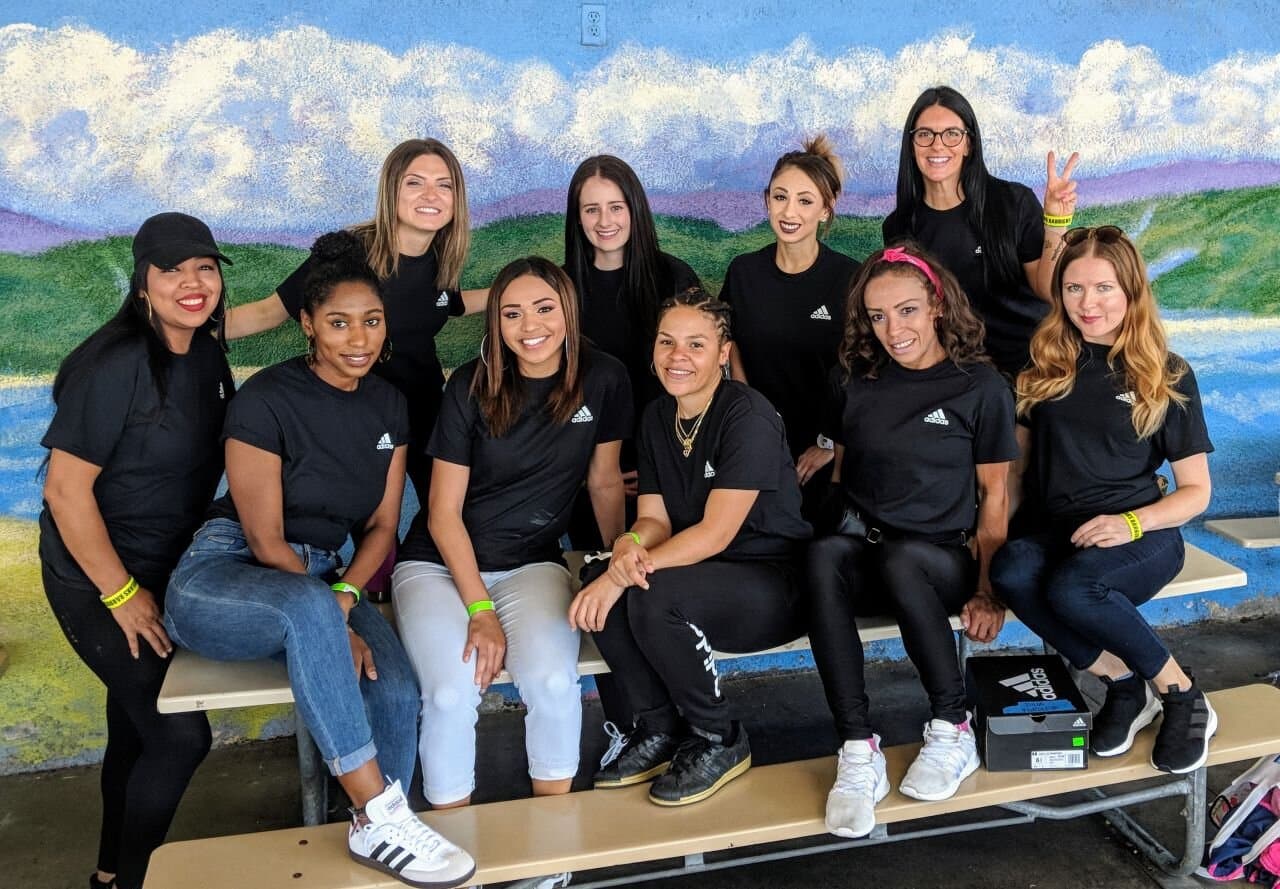
Diversity and inclusion in event staffing is not just a moral imperative — it's a strategic advantage that directly impacts brand perception, consumer engagement, and activation ROI. When your event team reflects the diversity of your audience, connections feel more authentic and brand trust increases measurably.
#Why Diverse Event Teams Perform Better
Consumer Connection
Research shows consumers engage more deeply with brand representatives who share their background, language, or cultural context. A diverse team means more of your audience sees themselves reflected in your brand.
Broader Market Reach
A homogeneous team connects authentically with only a limited segment. Diverse teams — in age, ethnicity, language, body type, and background — reach broader markets naturally.
Measurable Performance
Brands prioritizing diversity report 23% higher engagement rates across diverse segments, 18% improvement in brand favorability, 31% increase in social sharing from multicultural events, and higher lead quality.
#Building Diverse Event Teams
Intentional Recruitment
Specify diversity requirements in staffing briefs, source from diverse talent pools including HBCUs and multicultural networks, review candidate pools before finalizing, and challenge default assumptions about ambassador appearance.
Language Capabilities
For multicultural markets, bilingual staff are invaluable. Spanish is essential in Miami, LA, Houston, Phoenix, and Dallas. Mandarin matters in SF and NYC. Korean is valuable for K-culture events.
Age Diversity
Match your team age to your audience: 18-25 for festivals and campuses, 25-35 for versatile activations, 35-50 for corporate and luxury events, 50+ for healthcare and financial services.
Body Diversity and Ability Inclusion
Brands in fashion, beauty, and wellness should intentionally include diverse body types. Consider accessibility for both staff and consumers with disabilities.
#Avoiding Common Pitfalls
Avoid tokenism (one diverse member in a homogeneous group), stereotyping (assigning roles based on background), cultural appropriation (outsiders performing cultural elements superficially), and performative diversity (diversity only on the front line, not in planning).
#Training for Inclusive Engagement
All staff should receive training on cultural sensitivity, inclusive language, accessibility awareness, bias recognition, and conflict de-escalation.