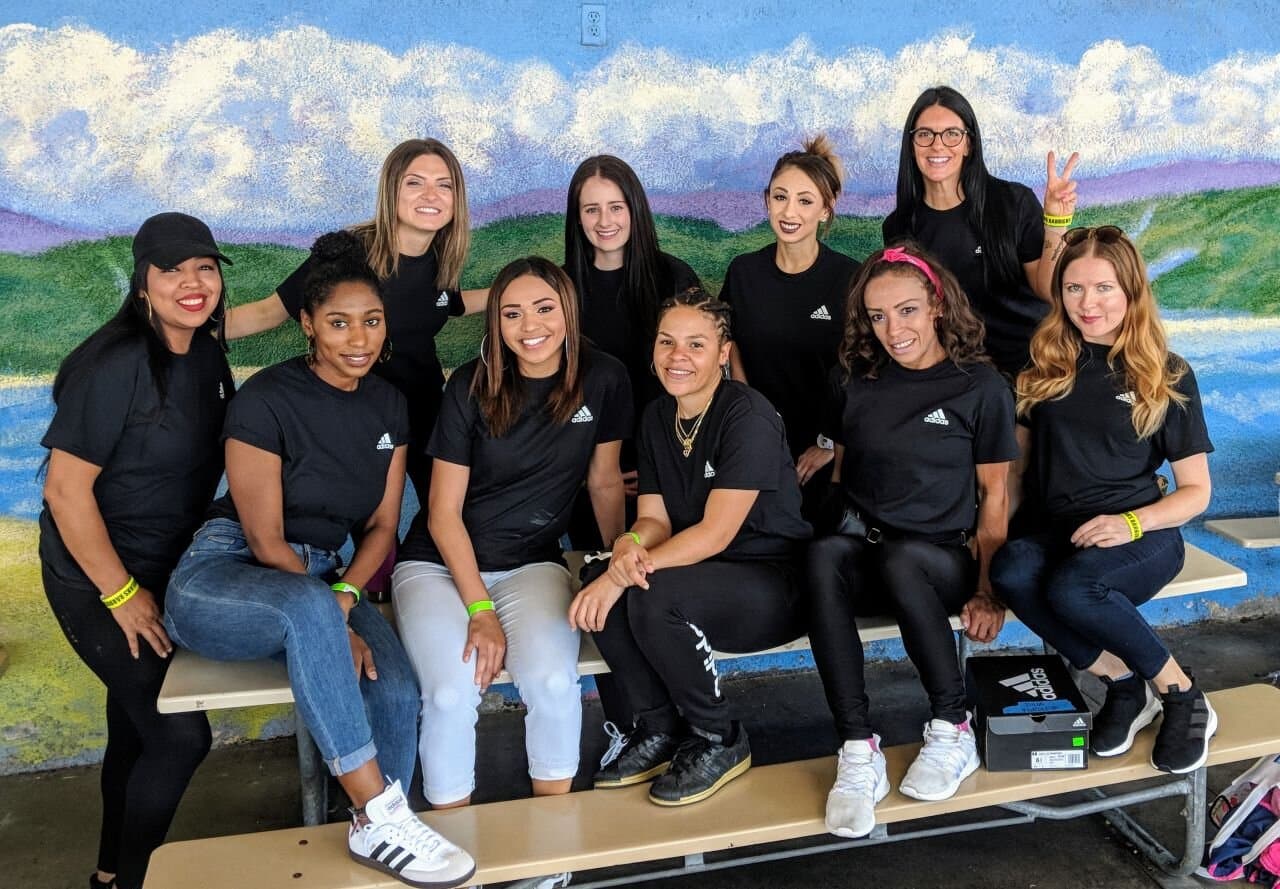
Event staffing for Pride parades and LGBTQ+ community celebrations requires genuine cultural competency, inclusive hospitality skills, and the operational expertise to manage some of the largest annual events in cities across America. From NYC Pride and LA Pride to smaller community celebrations, professional staffing ensures these events are safe, welcoming, and true to their mission of celebrating LGBTQ+ identity and community.
#Parade Route Operations
Pride parades are large-scale mobile events requiring coordination across miles of city streets. Parade route staff include barrier and barricade monitors who maintain spectator safety along the route, intersection marshals who manage cross-traffic at parade breaks, and pace monitors who keep parade units moving at appropriate speeds to prevent dangerous gaps or compression.
#Festival Grounds Management
Post-parade Pride festivals combine music stages, vendor markets, community organization spaces, and sponsor activations on a massive scale. Stage management staff coordinate entertainment across multiple stages featuring diverse programming—drag performances, live music, DJ sets, and community speakers. Sound management between stages prevents audio bleed that diminishes the experience for audiences at adjacent stages.
Community organization areas require coordination staff who manage booth assignments for LGBTQ+ service organizations, health screening providers, voter registration groups, and advocacy organizations. These spaces are central to Pride's mission beyond celebration, and staff should be prepared to direct attendees to specific resources—HIV testing, mental health support, legal aid—with sensitivity and confidentiality.
#Inclusive Hospitality and Staff Training
Pride event staff training goes beyond standard customer service to include LGBTQ+ cultural competency. All staff should be comfortable with diverse gender presentations, use requested pronouns, and understand terminology related to the LGBTQ+ community. Training should address how to handle any hostile interactions from counter-protesters or intoxicated guests without escalating situations.
Restroom management at Pride events requires thoughtful staffing. Gender-neutral restroom facilities need clear signage and staff who can direct guests without making assumptions about gender identity. First aid staff should be trained in the specific health concerns that may arise at Pride events, including heat-related illness, substance-related emergencies, and the emotional support needs of attendees for whom Pride represents deeply personal experiences.
#Safety and Security with Community Sensitivity
Pride events require visible security presence while maintaining the welcoming atmosphere that defines the celebration. Security staff should be trained in community-sensitive approaches that prioritize de-escalation and understand the historical tension between LGBTQ+ communities and law enforcement. Coordinate with community safety organizations that provide trained volunteers experienced in managing safety at Pride events.
Perimeter security at Pride festivals monitors for external threats while maintaining open, welcoming entry points. Bag check staff balance thorough security screening with the efficient throughput needed for events that draw hundreds of thousands of attendees. Medical response teams positioned throughout the festival should be prepared for the full range of medical needs from heat exhaustion to mental health crises, all delivered with cultural sensitivity and confidentiality.