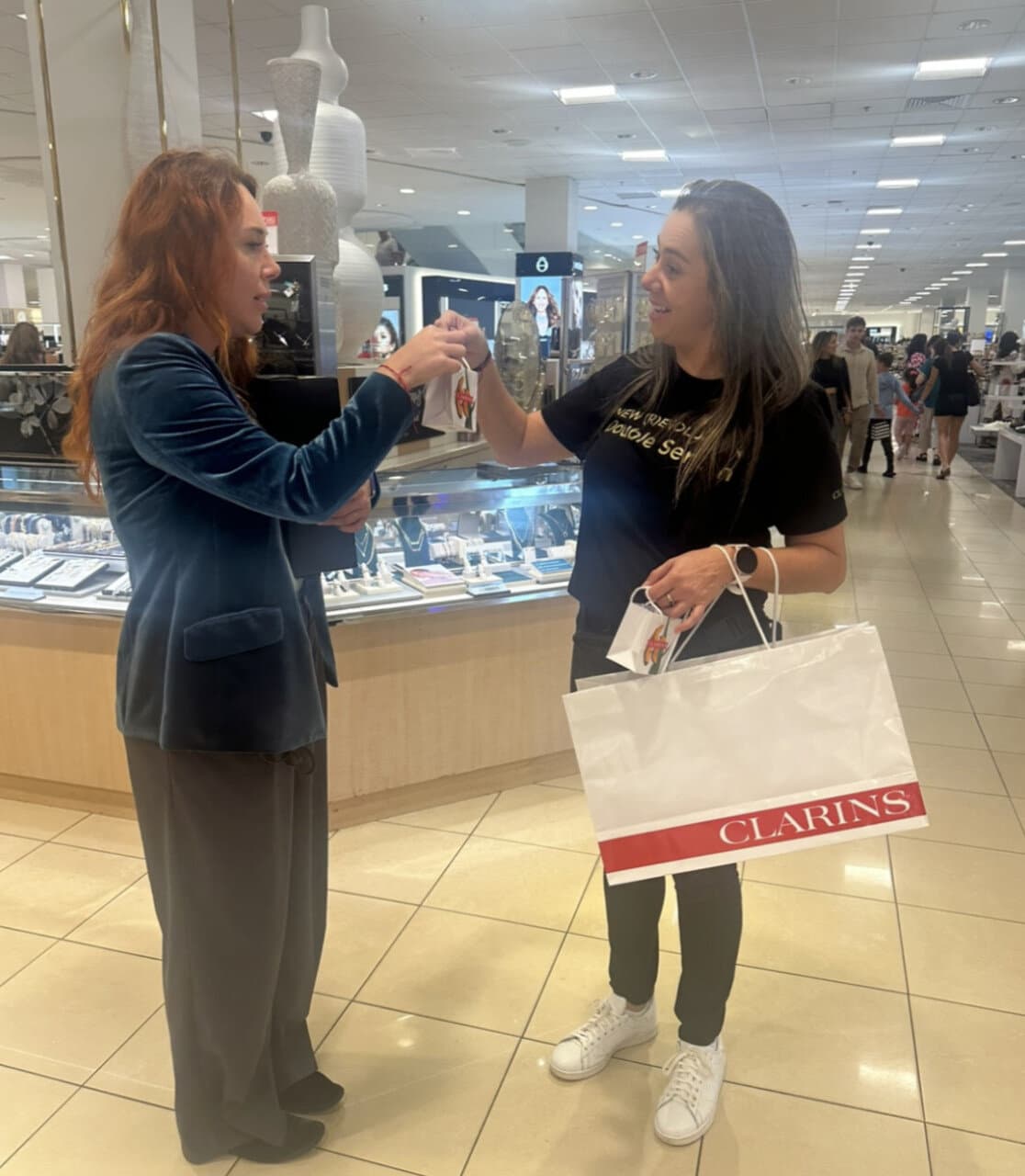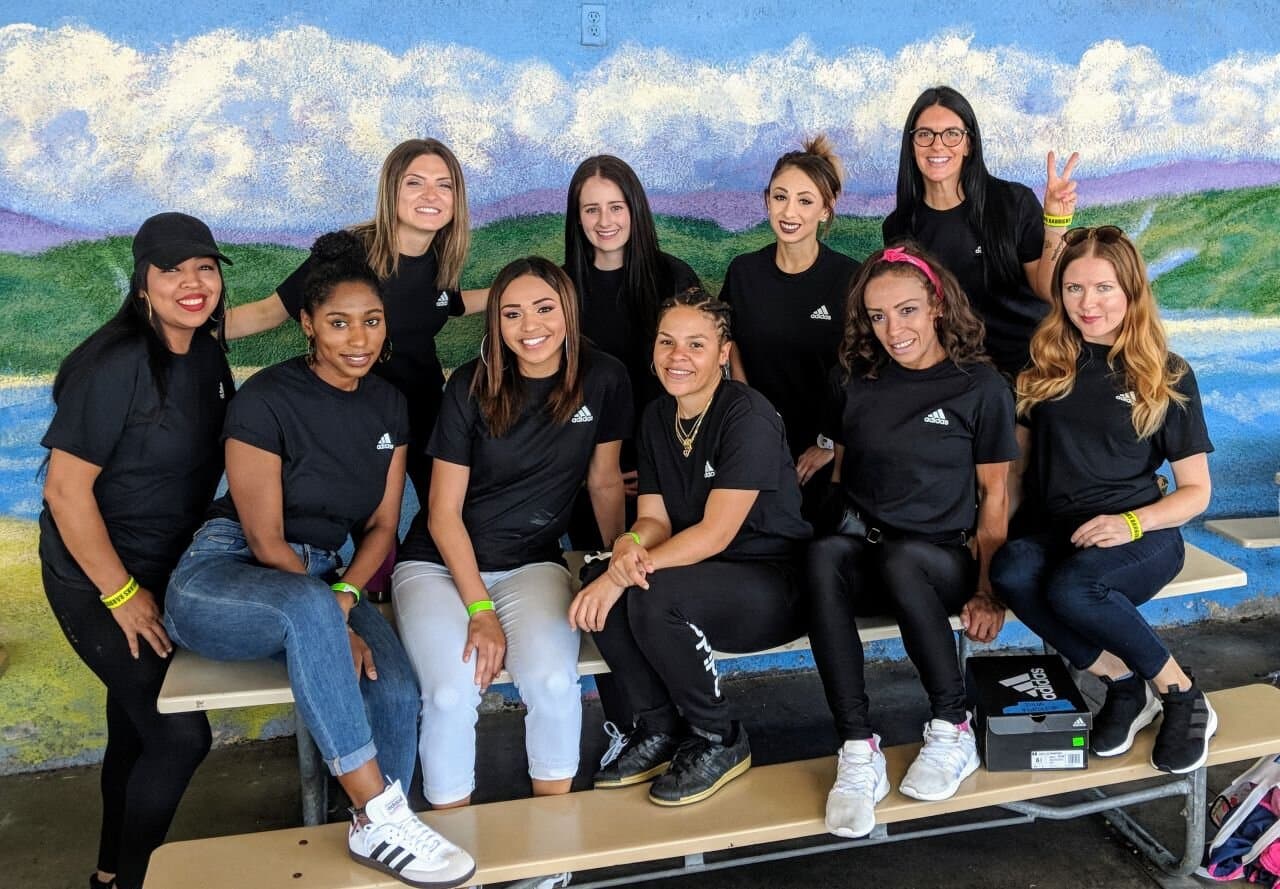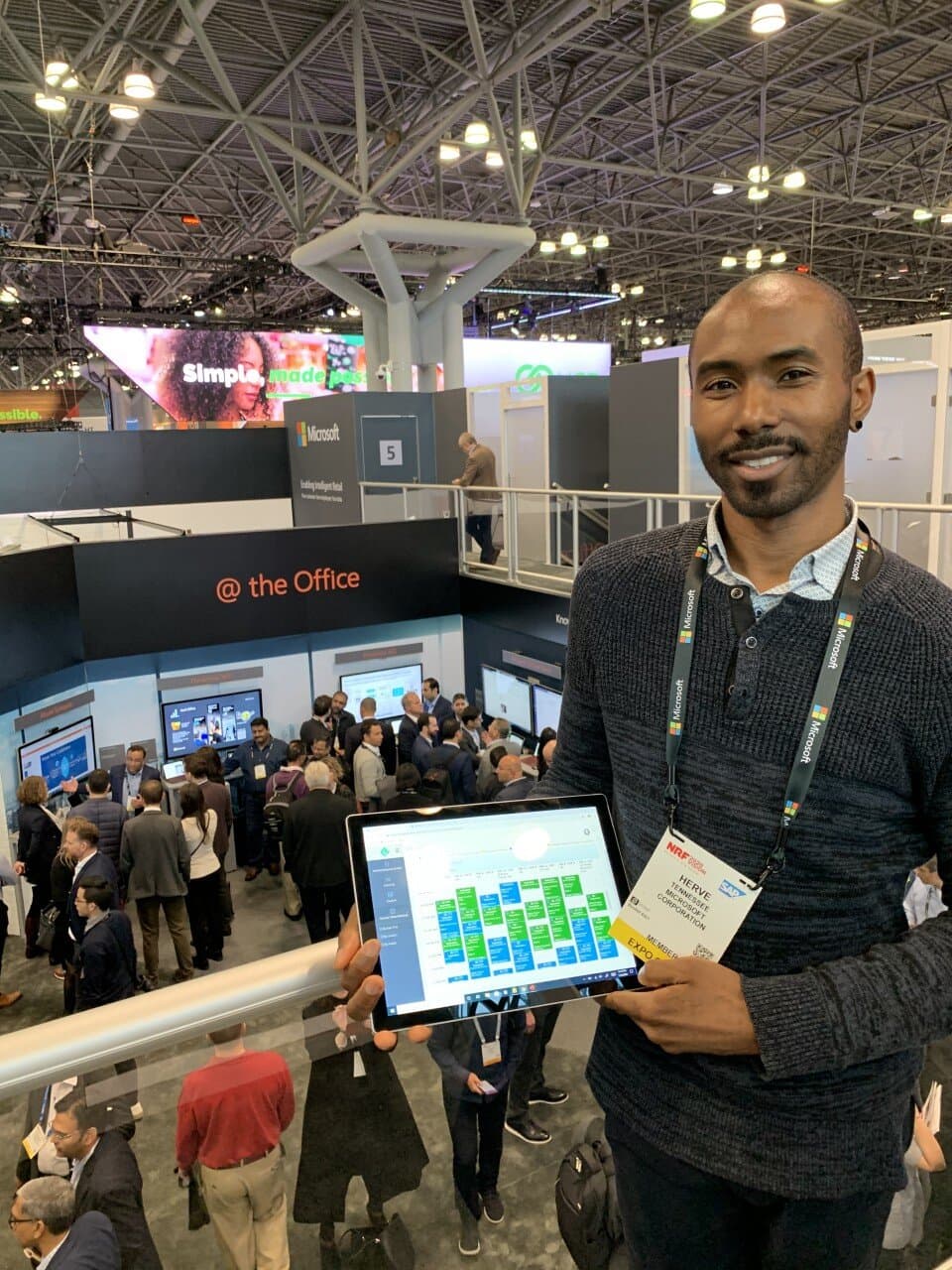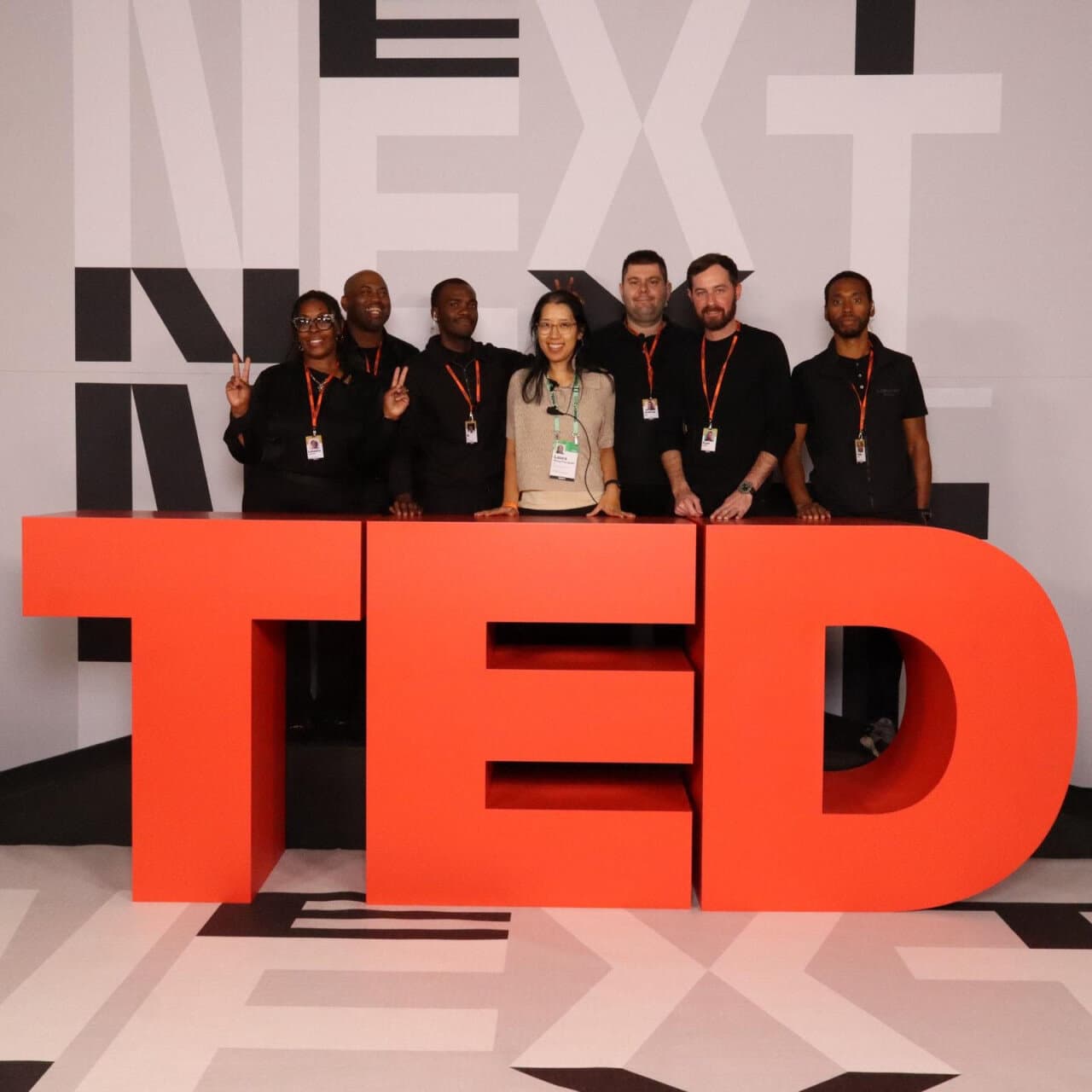
Event staffing for trade shows is the variable that most directly controls your exhibition ROI. Your booth design, product displays, and giveaways create the setting, but your booth staff create the experience. The difference between a trade show that generates pipeline and one that generates only expenses almost always comes down to the quality and preparation of your booth team.
These best practices will help you build a booth staff team that converts trade show traffic into qualified business opportunities.
The Role of Trade Show Booth Staff
More Than Greeters
Trade show booth staff are your brand's front line with potential customers. They need to attract attention from the aisle, qualify attendees quickly, deliver compelling product narratives, capture lead information accurately, and create enough interest to warrant post-show follow-up.
This is a complex skill set that combines sales acumen, product expertise, interpersonal charm, and physical stamina. Generic event staff or internal employees pulled from other departments rarely match the performance of professional trade show staff.
Staff Roles Within Your Booth
Aisle Attractors: Positioned at the booth perimeter, their job is to engage passing attendees and draw them into the booth. These roles need extroverted personalities and quick conversational skills.
Product Demonstrators: Stationed at demo areas, they deliver the core product experience. These roles need deep product knowledge and the ability to customize demonstrations based on prospect needs.
Lead Qualifiers: Working throughout the booth, they ask strategic questions to determine prospect fit and capture critical information for sales follow-up. These roles need sales intelligence and CRM familiarity.
Meeting Coordinators: Managing the booth's meeting schedule, they facilitate conversations between prospects and your senior team members. These roles need organizational skills and professional communication.
Pre-Show Preparation Best Practices
Invest in Thorough Training
The single biggest mistake brands make with trade show staffing is underinvesting in training. A 30-minute briefing the morning of the show produces mediocre results. Schedule at minimum 4 hours of dedicated training covering your products, competitive landscape, target attendee profiles, qualifying questions, and lead capture procedures.
If your brand ambassador agency handles training, provide them with comprehensive brand materials at least 2 weeks before the show. Give them access to your product, your sales team's insights about common objections, and your competitive positioning materials.
Define Your Qualifying Criteria
Not every attendee is a prospect. Give your booth staff clear criteria for identifying qualified leads: company size, industry, role, timeline, budget indicators, and current pain points. Staff who can qualify quickly spend more time with viable prospects and less time with students and competitors collecting swag.
Prepare for Common Questions
Document the 20 most common questions your booth staff will encounter and provide clear, concise answers. Include competitive comparison questions, pricing inquiries, implementation timelines, and technical specifications. Staff who can answer confidently without hesitation build trust quickly.
Create a Booth Operations Manual
Document everything: daily schedules, break rotations, dress code, booth behavior standards, lead scanning procedures, product demo flows, and emergency contacts. Leave nothing to assumption. A well-organized booth manual eliminates confusion and ensures consistency across multi-day shows.
During the Show: Execution Best Practices
Master the Aisle Approach
The first 3 seconds determine whether an attendee engages or walks past. Effective aisle approaches are open-ended and relevant. Instead of asking closed questions, try engaging statements that reference the show or industry challenges. Avoid standing behind tables or crossing arms — open body language invites engagement.
Read Attendee Badges Quickly
Badge information tells you a lot before the conversation starts. Company name, title, and badge type help you customize your approach instantly. A C-level executive from a target account gets a different engagement than a coordinator from a non-target company.
Manage Booth Flow
Prevent bottlenecks at popular demo stations by having staff direct overflow to secondary engagement areas. Keep aisles around your booth clear so new attendees can enter without navigating a crowd. Manage group sizes at demonstration stations to ensure everyone can see and hear.
Maintain Energy Across Full Show Days
Trade show days are long — typically 8-10 hours on the show floor. Enforce break rotations religiously. Staff who skip breaks to handle traffic end up performing poorly in the afternoon when decision-makers often visit. Stagger breaks so booth coverage remains consistent.
Capture Complete Lead Data
Scanning a badge captures contact information, but not context. Train staff to add notes about the conversation, the prospect's specific interests, their timeline, and any commitments made. These notes are what make post-show follow-up effective rather than generic.
Post-Show Best Practices
Debrief Within 24 Hours
While memories are fresh, gather feedback from your booth team. Which product demos resonated most? What objections came up frequently? Which competitor was mentioned most often? What surprised them about attendee reactions? This intelligence is invaluable for your sales team and future shows.
Evaluate Staff Performance
Rate individual staff members on key metrics: lead capture volume, lead quality scores, attendee engagement rates, and qualitative performance observations. This data helps you identify top performers for future shows and address development areas with underperformers.
Process Leads Immediately
Trade show leads decay rapidly. Leads not followed up within 48 hours are significantly less likely to convert than those contacted within 24 hours. Ensure your booth staff's lead capture data flows directly into your CRM for immediate sales team action.
Choosing the Right Trade Show Staffing Partner
Look for a staffing agency with specific trade show experience in your industry. They should provide transparent pricing, thorough training processes, on-site management, and post-show reporting.
Air Fresh Marketing provides expert trade show staffing for exhibitions across Las Vegas, Chicago, New York, and every major convention market. Our event staffing team combines product knowledge training with professional booth management.
Request a quote for your next trade show, or contact our team to discuss your exhibition staffing strategy.