Experiential Marketing Case Studies: 10 Campaigns That Worked and Why
Experiential marketing case studies offer the best way to understand what makes activations succeed. Theory and best practices are valuable, but seeing how real campaigns solved real challenges provides actionable insight you can apply to your own programs. These ten case studies span industries, budgets, and activation types, and each one demonstrates a specific principle that drives experiential marketing success.
1. Beverage Brand National Sampling Tour
The challenge. A craft beverage company needed to drive trial in 25 markets where they had distribution but low brand awareness.
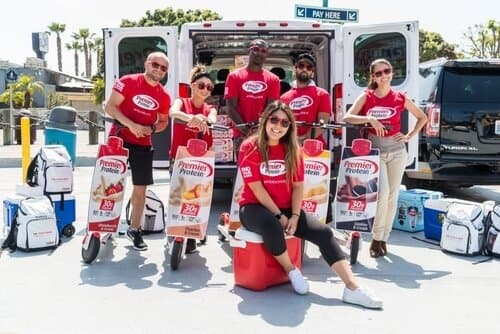
The approach. A 12-week mobile sampling tour hitting farmers markets, fitness events, and outdoor festivals. Each market activation featured branded sampling stations with trained brand ambassadors who could explain the product's unique ingredients and health benefits.
The result. Over 500,000 samples distributed. Retail velocity increased by 34 percent in tour markets within 60 days. The brand attributed a 22 percent increase in new customer acquisition directly to the tour.
The lesson. Sampling works when staff can tell the product story, not just hand out free product. Training is what makes the difference between trial and conversion.
2. Tech Product Launch at CES
The challenge. A consumer electronics startup needed to stand out among 4,000 exhibitors at CES in Las Vegas.
The approach. Instead of a traditional booth, the brand created an immersive demo experience where attendees could test the product in a simulated real-world environment. Professional trade show staff guided each attendee through a personalized demo and captured lead information.
The result. The brand generated 3,200 qualified leads during the four-day show, secured coverage from 15 major tech publications, and booked meetings with eight retail buyers.
The lesson. Interactive experiences outperform static displays at trade shows. Dedicated demo staff who guide the experience generate higher-quality leads than passive booth presence.
3. Automotive Brand Ride-and-Drive
The challenge. An automotive brand wanted to let potential buyers experience their new electric vehicle firsthand.
The approach. A multi-city ride-and-drive program at shopping centers and lifestyle events. Trained brand ambassadors managed the check-in process, explained vehicle features during the ride, and collected feedback and contact information afterward.
The result. Over 15,000 test drives across 20 markets. The program generated a 12 percent dealership visit rate among participants and contributed to a measurable increase in model-specific search volume.
The lesson. For high-consideration products, nothing replaces firsthand experience. The key is making the experience frictionless and staffing it with people who enhance rather than hinder the trial process.
4. CPG Brand In-Store Retail Campaign
The challenge. A food brand needed to increase velocity at a major retailer where they had recently gained distribution.
The approach. A 500-store weekend sampling campaign with certified product sampling staff. Each sampler was trained on the product's key differentiators and equipped with coupons to drive immediate purchase.
The result. Same-day sales increased by 280 percent at sampled stores. Coupon redemption rate was 41 percent, and post-demo velocity remained elevated for three weeks.
The lesson. Retail sampling is the most efficient way to accelerate new distribution. Scale matters, but so does staff quality. Poorly trained samplers in 500 stores waste budget. Well-trained samplers drive measurable results.
5. Fashion Brand Pop-Up Experience
The challenge. An online-first fashion brand wanted to create physical brand experiences in key markets without committing to permanent retail.
The approach. A series of weekend pop-up shops in high-traffic urban locations. Each pop-up featured the brand's seasonal collection, styling consultations with brand ambassadors, and a social media photo station.
The result. The pop-up series generated 45,000 in-store visits, $1.2 million in direct sales, and over 8,000 social media posts from attendees.
The lesson. Pop-ups work best when they offer something consumers cannot get online. Personal styling, exclusive products, and shareable moments create value that justifies the visit.
6. Spirits Brand Festival Activation
The challenge. A spirits brand wanted to build awareness and trial among the millennial and Gen Z audience at music festivals.
The approach. Branded lounge experiences at five major festivals with cocktail sampling, live music, and interactive installations. Brand ambassadors managed the lounge, served samples responsibly, and created a VIP atmosphere within the festival.
The result. Over 200,000 consumer impressions. Post-event surveys showed a 40 percent increase in brand consideration among festival attendees.
The lesson. Festival activations succeed when they enhance the festival experience rather than interrupting it. Creating a space people want to be in is more effective than aggressive sampling.
7. B2B Software Conference Activation
The challenge. A SaaS company needed to generate pipeline at a major industry conference where competitors dominated the exhibition hall.
The approach. Rather than competing on booth size, the brand hosted an off-site breakfast event for target accounts and deployed branded street teams near the conference venue. Staffers offered coffee and conversation starters that led to demo sign-ups.
The result. The street team drove 450 demo sign-ups. The breakfast event secured meetings with 30 enterprise prospects, resulting in $2.8 million in pipeline.
The lesson. Conference marketing does not have to mean bigger booths. Creative off-site and guerrilla tactics can generate better leads at lower cost.
8. Health and Wellness Brand Campus Tour
The challenge. A health supplement brand wanted to reach college-aged consumers during a key purchasing consideration period.
The approach. A 30-campus tour with campus brand ambassadors distributing samples, hosting fitness challenges, and collecting email sign-ups. The tour targeted high-traffic campus locations during peak activity hours.
The result. 150,000 samples distributed. Email list grew by 35,000 subscribers. Social media mentions increased by 60 percent during tour weeks.
The lesson. Campus marketing works when it aligns with student lifestyle and interests. Fitness challenges and wellness messaging resonated far better than straight product pushing.
9. Luxury Brand Experiential Pop-Up
The challenge. A luxury brand wanted to create exclusive experiences for high-value customers and prospects.
The approach. Invitation-only pop-up experiences in three markets featuring product previews, personalized consultations, and curated entertainment. Event staff were selected for their ability to deliver elevated, white-glove service.
The result. 85 percent of attendees made a purchase within 30 days. Average order value among attendees was 3.5 times the brand average.
The lesson. For luxury brands, exclusivity is the experience. Limiting access and elevating service quality drives disproportionate conversion among high-value customers.
10. Multi-Brand Retail Activation
The challenge. A retailer wanted to drive foot traffic and sales across multiple brand partners during a seasonal promotion.
The approach. A coordinated in-store event featuring sampling, demonstrations, and interactive experiences from eight partner brands. A unified staffing team managed the overall event while brand-specific ambassadors represented each partner.
The result. Store traffic increased by 45 percent during the event. Partner brands saw an average sales lift of 150 percent during the activation period.
The lesson. Collaborative activations amplify results for all participants. Coordinating multiple brands under a unified experience creates a destination event that draws more consumers than individual brand efforts.
Apply These Lessons to Your Campaigns
Every successful experiential campaign shares common elements: clear objectives, quality staffing, authentic engagement, and rigorous measurement. Air Fresh Marketing helps brands plan and execute experiential marketing campaigns that deliver measurable business results.
Explore our portfolio for more examples, or contact us to discuss how we can apply these strategies to your brand. Request a quote to start planning your next activation.