Mobile marketing tours are one of the most powerful tools in the experiential marketing arsenal. By bringing your brand directly to consumers across multiple cities, a well-executed tour can generate millions of impressions, thousands of product trials, and lasting brand affinity that no digital campaign can replicate.
But mobile marketing tours are also among the most complex activations to plan and execute. Between vehicle logistics, multi-city permitting, staffing coordination, route optimization, and real-time reporting, there are dozens of variables that can make or break your tour.
This playbook draws on our experience managing tours across 200+ U.S. cities to give you a comprehensive, step-by-step framework for planning a mobile marketing tour that delivers results in 2026.
What Is a Mobile Marketing Tour?
A mobile marketing tour is a multi-city experiential marketing campaign that travels to different locations over days, weeks, or months. Unlike a static pop-up or single-city activation, a tour brings your brand to multiple markets using a branded vehicle, mobile showroom, or portable activation setup.
Common Tour Formats
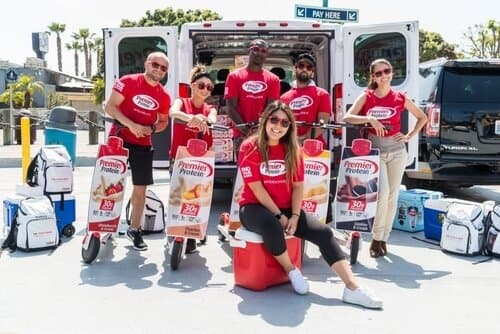
Branded Vehicle Tours A custom-wrapped vehicle (van, truck, trailer, or bus) serves as both transportation and activation space. The vehicle parks at high-traffic locations and opens to reveal an interactive brand experience.
- Best for: Product launches, sampling campaigns, brand awareness
- Typical duration: 2-12 weeks
- Cities per tour: 5-30+
- Investment scope: scales with vehicle type, city count, and tour duration
Pop-Up Shop Tours A portable retail or experience space that sets up temporarily in each market. Unlike vehicle tours, pop-ups typically occupy leased retail space, event venues, or permitted outdoor areas.
- Best for: Retail brands, e-commerce DTC brands, seasonal products
- Typical duration: 1-8 weeks
- Cities per tour: 3-15
- Investment scope: scales with build-out complexity, city count, and tour duration
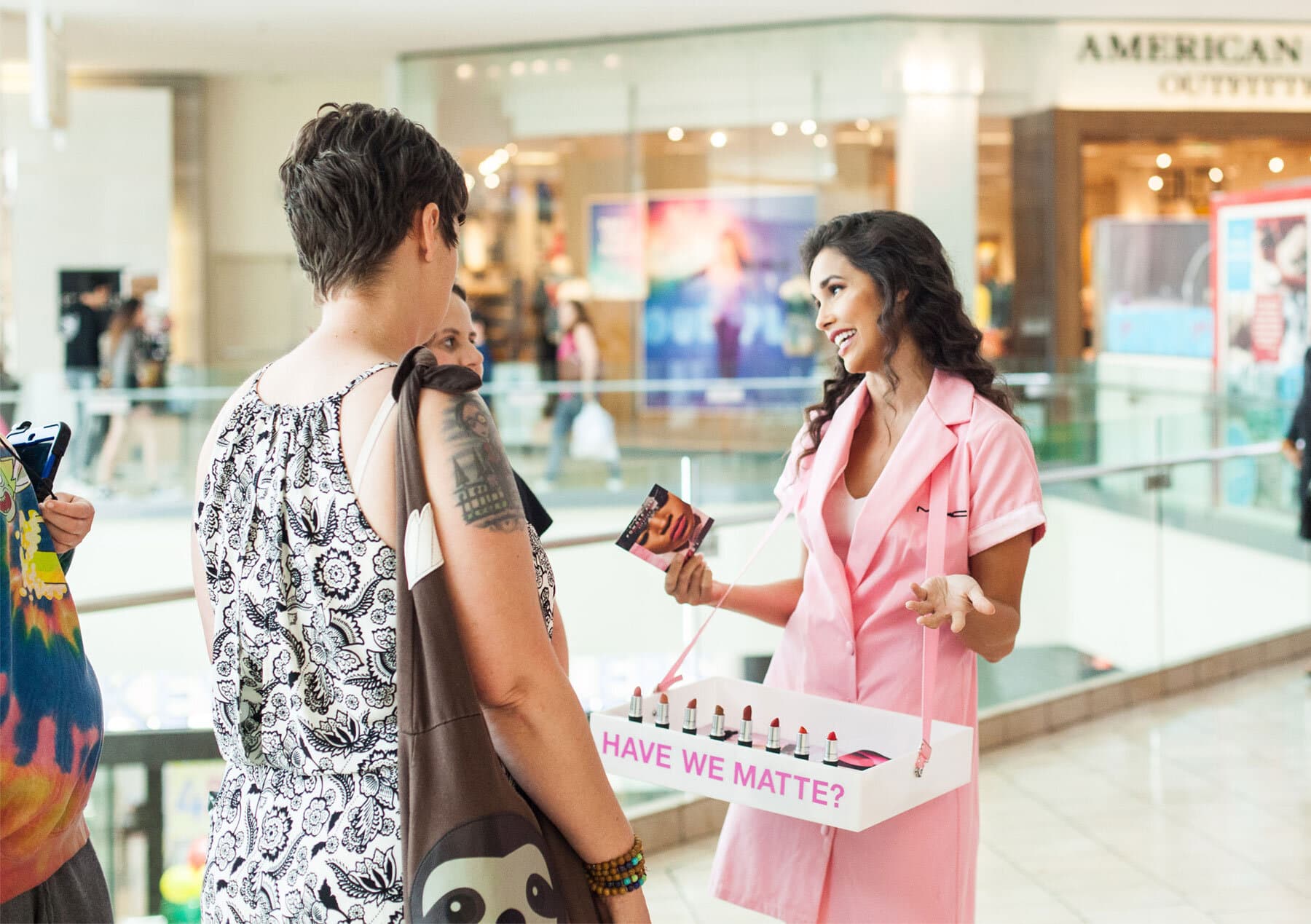
Sampling Tours A streamlined format focused on getting product into consumers' hands. Sampling tours move quickly through markets, spending 1-3 days per city at festivals, transit hubs, college campuses, or retail locations.
- Best for: CPG brands, food and beverage, health and wellness
- Typical duration: 2-16 weeks
- Cities per tour: 10-50+
- Investment scope: scales with sampling volume, city count, and tour duration
Festival Circuit Tours Following the festival and event circuit across the country, activating at major cultural moments. This format provides built-in audiences but requires advance booking and festival partnerships.
- Best for: Lifestyle brands, beverage brands, entertainment brands
- Typical duration: Seasonal (3-6 months)
- Events per season: 8-25
- Investment scope: scales with festival count, activation footprint, and season length
Phase 1: Strategy and Planning (8-12 Weeks Before Launch)
Define Your Tour Objectives
Every successful tour starts with clear, measurable objectives. Common tour KPIs include:
- Sampling volume: Total product samples distributed
- Impressions: Physical foot traffic + social media reach
- Data capture: Email addresses, phone numbers, or survey responses collected
- Sales lift: Measurable sales increase in tour markets vs. control markets
- Social engagement: User-generated content, hashtag usage, social shares
- Media coverage: Press mentions, influencer partnerships
Pro tip: Set both primary and secondary objectives. A sampling tour's primary KPI might be 100,000 samples distributed, with secondary KPIs around social impressions and retailer engagement.
Select Your Markets
Market selection is one of the most consequential decisions in tour planning. Consider:
Demographic Alignment Choose cities where your target demographic is concentrated. Use census data, social media analytics, and existing sales data to identify high-potential markets.
Retailer Proximity If your tour supports a retail launch, activate in markets where your product is (or will be) available on shelves. Sampling 50,000 people in a city where they can't purchase your product wastes budget.
Event Calendar Integration Layer your tour route with local events, festivals, and cultural moments to multiply your reach. A sampling tour that arrives in Austin during SXSW or in New Orleans during Mardi Gras gets exponentially more exposure.
Competitive Landscape Identify markets where competitors are strong (to challenge them) or weak (to claim territory). Use your own city-specific market research to make informed decisions.
Logistics and Route Efficiency Plot potential tour stops on a map and optimize for driving distance. A tour that zigzags across the country wastes time, fuel, and staff energy.
Route Planning and Timeline
Recommended pacing for different tour types:
| Tour Type | Days per City | Drive Days Between | Rest Days |
|---|---|---|---|
| Vehicle Tour | 2-3 | 1 between markets | 1 per 7 tour days |
| Pop-Up Tour | 3-7 | 1-2 between markets | 1 per 7 tour days |
| Sampling Tour | 1-2 | 1 between markets | 1 per 10 tour days |
| Festival Tour | 2-4 per festival | Variable | 2-3 between festivals |
Sample 10-city sampling tour timeline (4 weeks):
- Week 1: Denver (2 days) → Drive → Salt Lake City (2 days) → Drive → Phoenix (2 days)
- Week 2: Phoenix (1 day) → Drive → Los Angeles (3 days) → Drive → San Diego (2 days)
- Week 3: Drive → San Francisco (2 days) → Drive → Portland (2 days) → Drive → Seattle (2 days)
- Week 4: Drive → Las Vegas (2 days) → Drive → Austin (2 days) → Wrap
Phase 2: Production and Logistics (6-8 Weeks Before Launch)
Vehicle Selection and Fabrication
Your tour vehicle is your most visible asset. Options include:
Sprinter Vans
- Ideal for sampling tours and smaller activations
- Easy to park and navigate urban environments
- Limited interior space (50-80 sq ft usable)
Box Trucks
- Good balance of space and maneuverability
- Can accommodate larger product displays and interactive elements
- 100-200 sq ft of activation space
Custom Trailers
- Maximum interior space (200-400 sq ft)
- Can include full buildouts with A/C, lighting, audio, and video
- Requires a tow vehicle and experienced driver
- Parking and permitting more complex
Glass-Sided Trucks
- Maximum visibility and visual impact
- Product visible from street even when closed
- Higher outfitting investment but premium impressions
Permitting and Compliance
This is where many tours stumble. Every city has different permitting requirements:
Common permits needed:
- Business license or temporary event permit
- Health department permits (for food/beverage sampling)
- Fire department clearance (for enclosed spaces)
- Noise permits (if using amplified sound)
- Parking permits for commercial vehicles
- Alcohol sampling permits (state and local, if applicable)
- Insurance certificates naming venue/city as additional insured
Start permitting 6-8 weeks before arrival in each city. Some cities (New York, San Francisco, Chicago) can take 4-6 weeks to process permits.
Pro tip: Work with a local experiential marketing agency like Air Fresh Marketing that has existing relationships with permitting offices in 200+ cities. This can cut permitting timelines in half.
Staffing Strategy
Tour staffing requires a different approach than single-event staffing:
Tour Managers (Traveling)
- 1-2 experienced tour managers who travel with the vehicle
- Responsible for setup, teardown, staff coordination, and daily reporting
- Typically compensated on salary or daily rate plus per diem, scaled to tour length and travel demands
- Must have commercial driving experience or CDL depending on vehicle
Local Brand Ambassadors (Market-Specific)
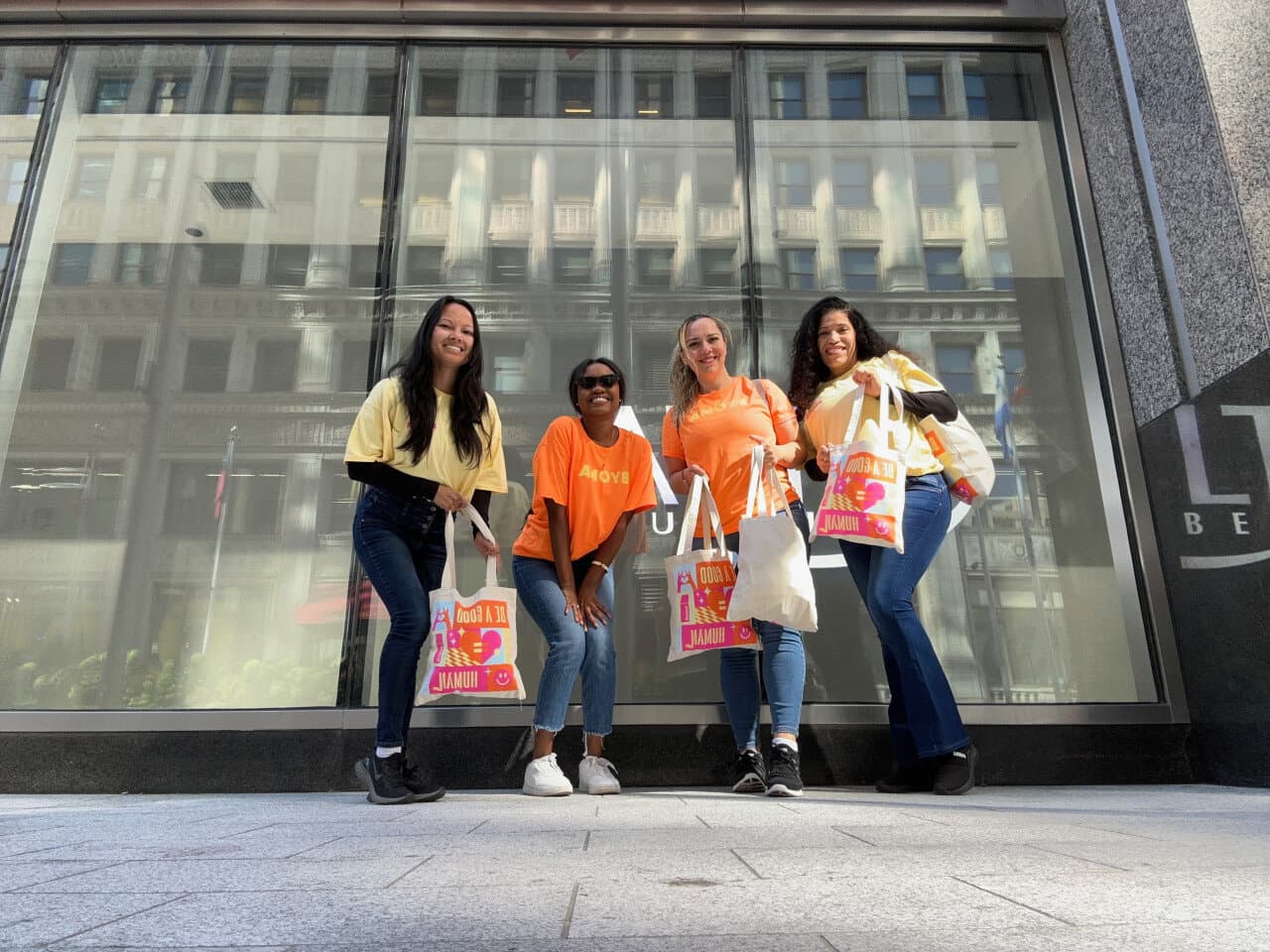
- 4-8 brand ambassadors hired locally in each market
- Reduces travel costs and ensures cultural relevance
- Require brand training in advance (virtual or on-site morning of)
- Compensation varies by market and role complexity
Specialist Staff (As Needed)
- Bilingual staff for multicultural markets
- Licensed bartenders for alcohol sampling
- Product experts for technical demonstrations
- Photographers/videographers for content capture
Technology and Reporting
Modern tour management relies heavily on technology:
Essential tech stack:
- GPS check-in system for staff accountability
- Real-time dashboard showing sampling/engagement numbers by location
- Digital data capture (tablets or phones for email/survey collection)
- Photo/video upload system for daily content
- Inventory tracking for product and supplies
- Weather monitoring and contingency alerts
At Air Fresh Marketing, our proprietary technology platform provides all of these capabilities in a single dashboard, giving brands real-time visibility into tour performance across all markets simultaneously.
Phase 3: Execution (Tour Duration)
Daily Operations Playbook
A typical tour day follows this cadence:
6:00 AM - 7:00 AM: Tour manager arrives, inspects vehicle and setup 7:00 AM - 8:00 AM: Drive to activation location, begin setup 8:00 AM - 9:00 AM: Local staff arrive, morning briefing and brand training refresh 9:00 AM - 10:00 AM: Final setup, tech check, inventory count 10:00 AM - 5:00 PM: Activation hours (adjust based on location and audience) 5:00 PM - 6:00 PM: Teardown, inventory count, staff debrief 6:00 PM - 7:00 PM: Daily report submission, next-day prep 7:00 PM: Tour manager rest / drive to next market
Real-Time Optimization
The best tours evolve in real-time based on performance data:
- Location optimization: If a location underperforms, move to a backup location or adjust timing
- Staffing adjustments: Scale up or down based on foot traffic patterns
- Messaging refinement: Test different pitches and CTAs, double down on what works
- Social amplification: When a location generates great content, amplify it immediately
- Weather contingencies: Have indoor backup locations pre-scouted in every market
Crisis Management
Common tour challenges and how to handle them:
| Challenge | Solution |
|---|---|
| Vehicle breakdown | Pre-negotiate roadside assistance, have backup activation kit |
| Permit issues on-site | Carry all permits in vehicle, have agency contact on speed dial |
| Staff no-shows | Maintain 120% booking (book 6 for 5 needed), have local agency backup |
| Weather | Indoor backup locations, pop-up tents for light rain, reschedule for severe weather |
| Low foot traffic | Relocate to backup location, deploy street team to drive traffic |
| Product shortage | Maintain 120% inventory, have emergency shipping arrangements |
Phase 4: Measurement and Reporting
KPIs to Track
Quantitative Metrics:
- Samples distributed per market and per hour
- Consumer interactions (conversations lasting 30+ seconds)
- Data captures (emails, phone numbers, survey completions)
- Social media mentions and UGC
- Foot traffic (measured via counters or technology)
- Cost per sample / cost per interaction / cost per data capture
Qualitative Metrics:
- Consumer sentiment and feedback themes
- Staff observations about audience engagement
- Photo and video documentation quality
- Media coverage and earned press
Post-Tour Analysis Framework
Within 2 weeks of tour completion, compile:
- Executive Summary: 1-page overview of objectives vs. results
- Market-by-Market Breakdown: Performance data for each city
- Best Practices Report: What worked, what didn't, recommendations for future tours
- Content Library: Curated photos, videos, and UGC from the tour
- ROI Analysis: Total investment vs. measurable returns (samples, data, impressions, sales lift)
Mobile Marketing Tour Budgeting: What Drives the Number
Budget Allocation (Typical 10-City Sampling Tour)
| Category | % of Budget |
|---|---|
| Vehicle (rental/lease/wrap) | 20-30% |
| Staffing (tour managers + local staff) | 25-35% |
| Production (build-out, signage, props) | 10-20% |
| Logistics (fuel, tolls, parking, shipping) | 8-12% |
| Permitting | 3-5% |
| Product/samples | 10-15% |
| Technology and reporting | 3-5% |
| Contingency | 5-10% |
Total tour investment scales with vehicle type, city count, tour duration, and staffing needs. Request a custom quote for a budget tailored to your route and objectives.
Why Work with a National Agency for Your Mobile Marketing Tour
Planning a mobile marketing tour across multiple cities requires deep local knowledge in every market. Permitting requirements, venue relationships, talent pools, and even consumer behavior vary dramatically from Denver to Miami to New York.
Air Fresh Marketing operates in 200+ cities with local market expertise, established venue relationships, and a vetted network of 20,000+ brand ambassadors. Our technology platform provides real-time tour management and reporting, giving you visibility into every market from a single dashboard.
Whether you're planning your first 3-city sampling tour or a 30-city national product launch, we provide turnkey tour management from concept through execution and post-tour analysis.
Ready to plan your mobile marketing tour? Get a free tour proposal and route recommendation from our team.