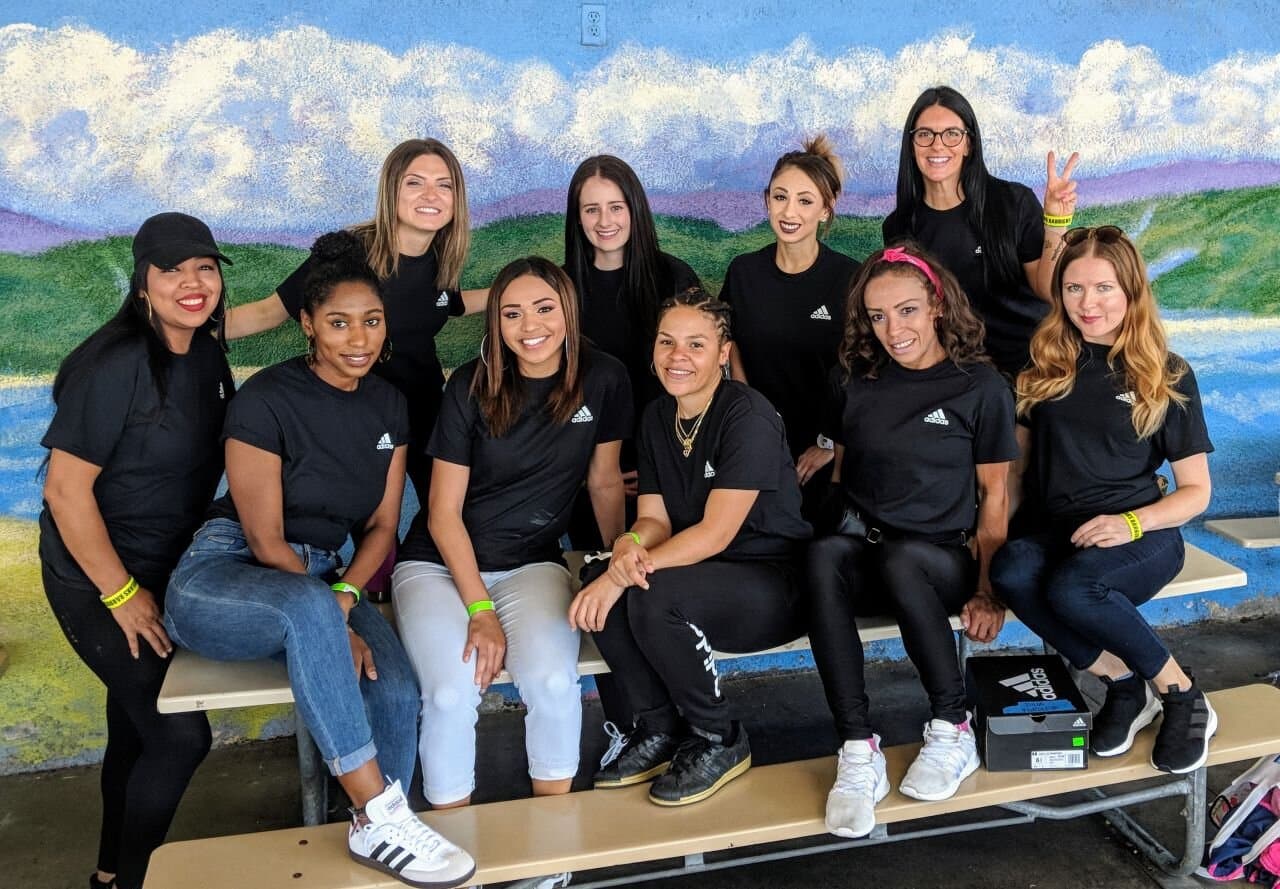
Festivals represent some of the most exciting — and most challenging — staffing environments in the events industry. From massive multi-day music festivals like Coachella and Lollapalooza to food and wine festivals, cultural celebrations, and community events, festivals demand a unique combination of high-energy staff, rigorous logistical planning, and the flexibility to adapt to rapidly changing conditions. Unlike controlled indoor convention environments, festivals introduce weather variables, massive crowd volumes, extended operating hours, and physical demands that require specialized staffing strategies.
Whether you are planning a brand activation inside a festival, managing festival operations, or staffing a sampling campaign across the festival season, this guide covers everything event planners need to know about building and managing an effective festival staffing program.
---
#Types of Festival Staff You Need
Festival staffing requirements are diverse and depend heavily on the nature of your involvement — whether you are the festival organizer, a brand sponsor, or an independent vendor. Here are the primary staff categories:
Brand Ambassadors and Activation Staff
Brand ambassadors are the frontline of any festival brand activation. These are the high-energy, outgoing professionals who engage festival-goers, drive participation in experiential activations, distribute samples, capture leads, and create shareable social media moments.
Key qualities for festival brand ambassadors:
- Exceptional physical stamina (8-12 hour shifts on their feet in heat)
- Loud, projecting voices that carry over music and crowd noise
- Genuine enthusiasm that does not fade over a multi-day event
- Ability to quickly read crowd energy and adjust engagement approach
- Social media savvy for capturing and posting content in real-time
Work with your experiential marketing team to identify ambassadors with festival-specific experience — there is a significant difference between working a controlled indoor trade show and engaging thousands of sun-soaked, stimulation-overloaded festival attendees.
Sampling Staff
Product sampling at festivals is one of the most effective ways to put your brand directly into consumers' hands during a moment of openness and enjoyment. Festival sampling staff need specific skills:
- Efficient distribution techniques for high-volume environments
- Knowledge of health and safety regulations for food and beverage sampling
- Ability to handle crowd surges without creating dangerous bottlenecks
- Clear communication of product information in loud environments
- Responsible serving practices for alcoholic beverage sampling
Operations and Logistics Staff
Behind the scenes, operations staff keep the festival running smoothly:
- Stage managers: Coordinate performer changeovers and technical requirements
- Load-in/load-out crews: Handle equipment, displays, and infrastructure setup
- Inventory managers: Track product samples, merchandise, and supplies
- Runners: Move between locations handling urgent needs and communications
- Setup/teardown teams: Build and dismantle activation footprints daily
Guest Services and Wayfinding
Large festivals need dedicated staff to help attendees navigate the experience:
- Information booth staff who know the full festival layout
- Wayfinding and directional staff at key decision points
- VIP concierge for premium ticket holders and artist guests
- Lost and found management
- Accessibility assistance for attendees with disabilities
Crowd Management and Safety
While dedicated security is typically handled by licensed firms, crowd management staff play a critical support role:
- Line management at popular activations (preventing dangerous crowding)
- Flow management between stages and areas
- Weather shelter coordination during storms
- Emergency evacuation support
- Capacity monitoring at enclosed activation spaces
---
#Seasonal Planning: The Festival Staffing Calendar
Festival season follows predictable patterns that smart planners use to their advantage:
January - February: Planning Phase
- Identify which festivals your brand will activate at
- Submit sponsorship applications and booth reservations
- Begin recruiting seasonal festival staff
- Develop training programs and brand materials
March - April: Pre-Season Preparation
- Finalize all festival staff rosters
- Conduct in-person or virtual training sessions
- Test all activation equipment and technology
- Prepare contingency staffing lists (backup staff)
- Coordinate travel and accommodation for multi-day festivals
May - June: Early Festival Season
- Music festivals begin (Coachella staffing kicks off the season)
- Food and wine festivals proliferate
- Memorial Day weekend events
- Pride month celebrations
July - August: Peak Festival Season
- Lollapalooza, Bonnaroo, Outside Lands
- State and county fairs
- Summer concert series
- Corporate summer picnics and outdoor events
September - October: Late Season
- Fall music festivals and Oktoberfest events
- Harvest festivals and food events
- Halloween-themed activations
- Final outdoor events before winter
November - December: Wrap-Up
- Post-season staff performance reviews
- Holiday market and winter festival opportunities
- Planning begins for next year's festival season
---
#Weather Contingencies: Preparing for the Unpredictable
Weather is the single biggest variable that separates festival staffing from indoor events. A sudden thunderstorm, extreme heat wave, or unexpected cold snap can transform your entire operation within minutes.
Heat Management
When temperatures exceed 85°F (29°C):
- Mandatory hydration breaks: Every 45-60 minutes, staff must have water access
- Shade rotations: No staff member stands in direct sun for more than 90 minutes continuously
- Cooling stations: Provide misting fans, cooling towels, and shaded rest areas for staff
- Modified uniforms: Allow shorts, breathable fabrics, hats, and sunscreen
- Shortened shifts: Consider 6-hour maximum shifts instead of standard 8-10 hours
- Medical awareness: Train all staff to recognize heat exhaustion and heat stroke symptoms
Rain and Storms
- Advance monitoring: Assign one team member to watch weather radar continuously
- Shelter plan: Identify where all staff should go during lightning warnings
- Equipment protection: Waterproof covers for all electronics, products, and displays
- Terrain adaptation: Muddy conditions require different footwear and may require repositioning activations
- Communication plan: How will you reach all staff if conditions change suddenly?
- Guest redirect: Where do you direct festival-goers seeking shelter near your activation?
Wind
- Tent and structure anchoring: All pop-up tents must be weighted (minimum 40 lbs per leg)
- Signage securing: Banners, flags, and signs become projectiles in high winds
- Product sampling adjustment: Lightweight items like flyers and napkins need containment
- Staff safety protocols: At what wind speed do you dismantle tall structures?
Cold Weather
For fall festivals or evening events when temperatures drop:
- Provide warm layers and hand warmers for staff
- Adjust break schedules to include indoor warming periods
- Monitor staff for signs of hypothermia during extended outdoor exposure
- Offer hot beverages in staff break areas
---
#Large-Crowd Management Strategies
Activation Flow Design
Design your activation space to handle festival crowd volumes:
- Single entry point with visible queue: Prevents mobbing and creates anticipation
- Clear exit path: Separate from entry to prevent congestion
- Capacity limits: Know your maximum occupancy and enforce it
- Wait time communication: Staff at the back of line manage expectations
- Express lane: For simple interactions (grab a sample vs. full experience)
Queue Management
Long lines at festivals are both an opportunity (social proof) and a risk (frustration, safety):
- Staff dedicated queue managers who engage people waiting in line
- Provide shade and water for long queues
- Set and communicate realistic wait times
- Create entertainment or pre-engagement in the queue
- Have a plan for when the line gets too long (cutoff communication, alternative offerings)
Crowd Density Monitoring
- Position elevated staff or use cameras to monitor crowd density around your activation
- Establish crowd density thresholds that trigger specific actions
- Train staff on gentle crowd dispersal techniques
- Coordinate with festival security if dangerous crowding develops
- Never let product distribution create uncontrolled surges
---
#Brand Activations at Festivals: Staffing Strategies
The most successful festival brand activations combine creative experiential concepts with meticulously trained staff. Here is how to staff different activation types:
Interactive Experiences (Photo Booths, Games, VR)
- 2-3 staff per station for throughput management
- Technical staff who can troubleshoot equipment quickly
- Queue management staff (1 per 50 people in line)
- Content capture staff (photographers, social media)
Product Sampling Activations
- High-energy distribution staff (1 per sampling point)
- Inventory management (restocking, tracking quantities)
- Consumer engagement staff who gather feedback and leads
- Compliance staff for regulated products (alcohol, supplements)
Immersive Brand Environments
- Welcome/orientation staff at entry
- Experience guides within the space
- Photo opportunity facilitators
- Exit staff for lead capture and follow-up
- Technical staff for lighting, sound, and technology elements
Mobile/Roaming Activations
- Backpack sampling teams (pairs for safety)
- Branded vehicle staff (drivers and engagement teams)
- Pop-up activation crews that can set up/teardown quickly
- Guerrilla marketing teams with clear boundary guidelines
---
#Safety and Security Considerations
Festival environments demand heightened safety awareness:
Staff Safety
- Buddy system: No staff member works alone in isolated areas
- Communication devices: Radios or reliable cell service for all team leads
- Emergency meeting point: Designated location if team members get separated
- Medical training: At least one staff member per shift trained in basic first aid
- Incident reporting: Clear protocol for documenting and escalating safety concerns
- Personal safety: Staff should never carry large amounts of cash or valuable personal items
Attendee Safety at Your Activation
- Structural safety of all installations (engineering certification for large builds)
- Allergen disclosure for any food/beverage sampling
- Age verification for alcohol or age-restricted products
- ADA accessibility of your activation space
- Fire safety (clear exits, extinguisher access, no blocked pathways)
- Slip/trip hazards from cabling, uneven terrain, or spilled liquids
Emergency Protocols
- Know the festival's overall emergency plan and evacuation routes
- Establish your team's specific rally point
- Program emergency numbers for festival medical, security, and operations
- Brief all staff on severe weather shelter locations
- Create a communication cascade for emergencies (who calls whom)
---
#Hiring and Retention for Festival Season
The best festival staff are in high demand. Build your roster before the season starts:
What to Look For in Festival Staff
- Prior festival experience (even as an attendee shows they understand the environment)
- Physical fitness (long hours on feet, potential heat exposure, carrying supplies)
- Positive energy that sustains (day three of a four-day festival tests everyone)
- Reliability (festivals cannot accommodate no-shows — there is no quick replacement)
- Flexibility (schedules shift, weather changes plans, unexpected situations arise constantly)
Retention Strategies
- Pay premium rates for festival shifts (weather, hours, and physical demands justify it)
- Provide meals and hydration during shifts
- Offer festival perks (tickets for off-shift hours, backstage access when possible)
- Create team culture (matching outfits, team dinners, post-event celebrations)
- Prioritize returning staff for choice assignments the following season
---
#Working with a Festival Staffing Agency
Partnering with an experienced event staffing agency that understands festival environments is one of the most important decisions you will make. Key factors to evaluate:
- Festival-specific experience: Ask for case studies from similar festivals
- Local talent in festival markets: Do they have staff near the festival location, or will everyone need travel?
- Scalability: Can they provide 5 staff or 50 with equal quality?
- Technology: GPS-verified check-ins are critical when your activation is in a 500-acre festival grounds
- Training capability: Can they train your staff on brand messaging AND festival-specific protocols?
- Contingency planning: What happens if staff get sick, injured, or cannot access the venue?
- Experience with festival logistics: Do they understand credential systems, load-in schedules, and festival communication structures?
---
#Conclusion
Festival staffing is a specialized discipline that combines the brand knowledge requirements of traditional event marketing with the physical, logistical, and environmental challenges unique to outdoor, multi-day, high-attendance events. Success requires starting early, planning for contingencies, investing in staff who can sustain high energy across grueling conditions, and partnering with agencies that have genuine festival expertise.
Ready to staff your next festival activation? Contact Air Fresh Marketing to discuss your festival staffing needs, or explore our experiential marketing services to learn how we create unforgettable festival brand experiences with GPS-verified, professionally trained staff.