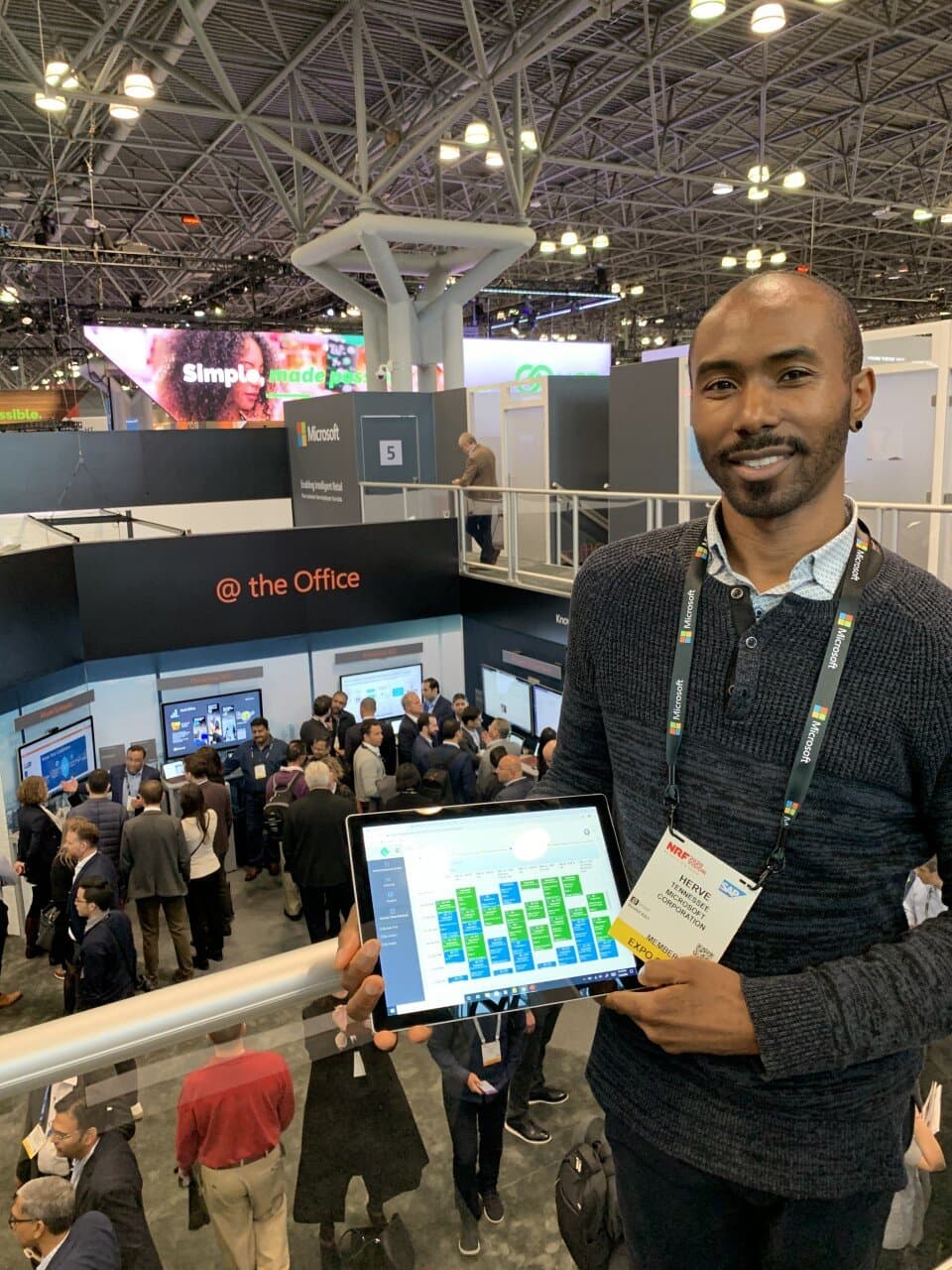
Yet many companies approach trade show staffing as an afterthought, scrambling to find bodies to fill shifts just weeks before the event. This guide walks you through the entire process of hiring exceptional event staff for your trade show, from initial planning six to eight weeks before the event through post-show evaluation.
---
#Start Early: The 6-8 Week Timeline
The single biggest mistake companies make when hiring event staff is starting too late. Here is why a six to eight week lead time matters:
6-8 weeks before the event:
- Define your staffing needs (number of staff, roles, shift lengths)
- Contact your event staffing agency or begin recruiting
- Specify any special requirements (languages, technical knowledge, industry experience)
- Establish budget parameters
4-5 weeks before:
- Review candidate profiles and make selections
- Confirm all staff bookings
- Begin developing training materials
- Finalize shift schedules and break rotations
2-3 weeks before:
- Distribute training materials to all confirmed staff
- Launch video training modules or schedule live training sessions
- Send logistics information (venue, parking, dress code, check-in procedures)
- Confirm travel arrangements for any out-of-market staff
1 week before:
- Final confirmation with all staff members
- Distribute day-of communication details (contact numbers, group chat)
- Send final schedule with arrival times (minimum 60-90 minutes before show opens)
- Prepare backup plan in case of last-minute cancellations
Starting early gives you access to the best talent. Top-tier brand ambassadors and trade show specialists book up quickly, especially during peak conference season (January through March and September through November). If you wait until three weeks before your event, you are choosing from whoever is left — not selecting the best fit for your brand.
---
#What to Look For in Trade Show Staff
Not all event staff are created equal, and trade shows demand specific qualities that differ from other event types. Here is what to prioritize:
Communication Skills
Trade show staff need to do more than smile and hand out brochures. They need to:
- Initiate conversations with strangers walking past your booth (this is harder than it sounds)
- Ask qualifying questions to determine if an attendee is a genuine prospect
- Explain complex products or services in clear, accessible language
- Handle objections gracefully and redirect conversations productively
- Know when to disengage from non-qualified visitors without being rude
Industry Knowledge or Learning Ability
Depending on your industry, you may need staff who already understand your sector or who can quickly absorb technical information:
- Tech trade shows: Staff should be comfortable discussing software, integrations, and technical specifications
- Medical/pharmaceutical shows: Understanding of regulatory language, clinical terminology, and compliance requirements
- Financial services: Familiarity with investment products, compliance restrictions, and professional terminology
- Consumer products: Ability to demonstrate products effectively and convey lifestyle brand messaging
Our convention staffing services specialize in matching staff with relevant industry backgrounds to your specific trade show needs.
Physical Stamina and Professional Presence
Trade shows are physically demanding:
- 8-10 hours on their feet with limited breaks
- Maintaining energy and enthusiasm from first attendee to last
- Professional appearance throughout the entire day
- Projecting voice in loud exhibition hall environments
Lead Qualification Ability
The most valuable trade show staff do not just collect business cards — they qualify leads:
- Understanding your ideal customer profile
- Asking the right discovery questions
- Accurately recording lead quality and notes in your capture system
- Identifying hot leads that need immediate sales team follow-up
- Distinguishing genuine prospects from prize-seekers and competitors
---
#Interview Tips for Selecting Event Staff
Whether you are hiring directly or evaluating candidates through an agency, these interview approaches help identify top performers:
Scenario-Based Questions
- "An attendee walks past your booth looking at their phone. How do you engage them?"
- "A visitor says they are not the decision-maker. What do you do?"
- "The booth is empty during a slow period. What are you doing?"
- "An attendee asks a technical question you cannot answer. How do you handle it?"
- "A competitor is lingering in your booth gathering information. What is your approach?"
Look for Specific Red Flags
- Vague answers about past experience (they may be exaggerating their background)
- Inability to explain a product simply (if they cannot simplify during an interview, they cannot simplify on the floor)
- Low energy during the interview (if they cannot be energetic for 30 minutes, they cannot sustain it for 8 hours)
- Lack of questions about your brand (top staff are curious and want to learn what they will be representing)
Request Video Introductions
For remote hiring (common in event staffing), ask candidates to submit 60-second video introductions. This reveals:
- On-camera presence and energy level
- Communication clarity and articulation
- Professional appearance and grooming
- Genuine personality vs. scripted responses
---
#The Training Process: Setting Staff Up for Success
Training is where you transform good event staff into exceptional brand representatives. Here is a proven training framework:
Phase 1: Brand Foundation (Completed 2-3 Weeks Before)
Provide staff with:
- Company overview and mission
- Product/service descriptions and key differentiators
- Target audience profiles and ideal customer descriptions
- Competitive landscape and common comparisons
- Brand voice and messaging guidelines
Phase 2: Event-Specific Training (Completed 1-2 Weeks Before)
Cover:
- Specific trade show goals and KPIs
- Lead qualification criteria (what makes a lead "hot," "warm," or "cold")
- Booth layout and flow (where to stand, how to rotate, traffic patterns)
- Technology training (lead capture apps, demo equipment, presentation systems)
- Escalation protocols (when to bring in a sales rep or executive)
- Conversation starters and key talking points
- FAQ document with approved answers to common questions
Phase 3: Day-Of Briefing (Morning of Event)
- Quick energy warm-up and team bonding
- Reminder of daily goals and targets
- Any last-minute schedule changes or updates
- Distribution of materials, name badges, and technology
- Walk-through of booth if this is the first day
- Introduction to on-site client contacts and sales team members
Leverage your staffing partner's technology platform for scalable video training that staff complete on their own schedule, with completion tracking to ensure everyone is prepared before arrival.
---
#Day-Of Management: Running Your Trade Show Booth
Even with perfect hiring and training, day-of management determines whether your team performs at its peak.
Shift Structure
For a standard 8-hour trade show day, structure shifts thoughtfully:
- Stagger arrivals: Not everyone arrives and leaves simultaneously (prevents energy valleys)
- Mandatory breaks: 15 minutes every 2 hours minimum (exhausted staff underperform)
- Rotation system: Move staff between positions (greeter, demo specialist, lead scanner) to prevent monotony
- Peak staffing: Add extra staff during expected high-traffic periods (after keynotes, lunch breaks, final hour)
Real-Time Communication
Establish clear communication channels:
- Group messaging app for non-urgent updates
- Specific signal or code word when a VIP prospect needs sales team attention
- Designated team lead who is the single point of contact for questions
- Quick huddles at shift changes to share what is working and what is not
Performance Monitoring
Track performance throughout the day:
- Lead capture numbers by staff member and by hour
- Engagement quality (not just quantity — are leads qualified?)
- Energy levels (proactively manage declining energy before it impacts performance)
- Attendee feedback (are visitors mentioning positive or negative staff interactions?)
For trade show staffing through Air Fresh Marketing, our real-time dashboards give you visibility into check-in times, hours worked, and performance metrics without requiring you to manually track everything.
---
#Common Mistakes to Avoid
After staffing hundreds of trade shows, we see the same mistakes repeatedly. Avoid these:
Mistake 1: Hiring for Appearance Over Ability
A common misconception is that trade show success comes from having the most attractive staff. While professional appearance matters, communication skills, industry knowledge, and genuine engagement ability matter far more. An articulate, knowledgeable brand ambassador who can qualify leads will outperform a purely aesthetic hire who cannot hold a technical conversation.
Mistake 2: Understaffing to Save Money
Companies often calculate minimum coverage and hire exactly that number. This leaves zero margin for:
- Staff illness or no-shows
- Unexpectedly high booth traffic
- Break coverage
- Staggered energy management
Mistake 3: No Training or Insufficient Training
Sending staff to represent your brand without adequate training is the most expensive mistake you can make. An untrained staff member who misrepresents your product, fails to capture leads properly, or gives incorrect pricing information can actively damage your brand and cost you business.
Mistake 4: Ignoring Staff Comfort
Staff who are hungry, dehydrated, overheated, or exhausted cannot perform at their best. Provide:
- Adequate meal and snack breaks
- Water accessible at all times
- Comfortable shoes guidance
- Climate-appropriate attire (exhibition halls vary wildly in temperature)
Mistake 5: No Clear Goals or Metrics
If your staff do not know what success looks like, they cannot achieve it. Set clear, measurable daily goals:
- Number of leads captured
- Number of qualified conversations
- Number of demos delivered
- Number of meetings scheduled
Mistake 6: Using Internal Employees Exclusively
While having product experts in your booth is valuable, your internal sales and engineering team members are often not skilled at the cold-engagement and high-volume interaction that trade shows demand. The optimal approach combines trained brand ambassadors (who excel at initiation and qualification) with internal experts (who handle technical deep-dives and closing conversations).
---
#Cost Considerations
Trade show staffing costs vary based on several factors:
Typical hourly ranges for trade show staff:
- General event staff: $25-35/hour
- Experienced brand ambassadors: $35-50/hour
- Specialized trade show staff: $45-65/hour
- Bilingual or multilingual staff: $40-60/hour
- Team leads and booth captains: $50-75/hour
Visit our pricing page for detailed rate information by market and role type.
---
#When to Use a Staffing Agency vs. Hire Directly
Use an Agency When:
- You need staff in a city where you have no presence
- The event requires more than 3-4 staff members
- You need guaranteed replacements if someone cancels
- You want technology-enabled accountability (GPS check-ins, training verification)
- You do not have time to personally recruit, vet, and manage event staff
- You need consistent quality across multiple events and markets
Hire Directly When:
- You have an established local network of proven performers
- The event is small (1-2 staff) and low-stakes
- Your internal team can manage all logistics and oversight
- Budget is extremely limited and you can accept higher risk
For most companies investing in trade shows, partnering with a professional event staffing agency provides the reliability, quality assurance, and logistical support that protects your much larger investment in booth space, design, and travel.
---
#Conclusion
Hiring event staff for your trade show is not simply a logistics task — it is a strategic decision that directly impacts your event ROI. The right staff transform your booth from a static display into a lead-generation engine. The wrong staff waste your investment and potentially damage your brand perception.
Start early, define clear requirements, invest in thorough training, manage actively on the day of the event, and learn from each show to continuously improve your staffing approach.
Ready to hire trade show staff for your next event? Get a quote from Air Fresh Marketing, or explore our convention staffing services to learn how our GPS-verified, video-trained professionals consistently outperform for brands at trade shows nationwide.