A successful street team campaign puts your brand directly in front of consumers in the real world: on busy sidewalks, outside concert venues, at transit hubs, near college campuses, and in neighborhoods where your target audience lives and works. Unlike digital ads that can be scrolled past or blocked, a well-trained street team member handing someone a product sample, a branded item, or a compelling flyer creates a physical, memorable interaction that builds brand awareness and drives trial.
Street team marketing remains one of the most cost-effective grassroots marketing tactics available. But running a successful campaign requires more than hiring a few people and sending them out with product. This guide covers the strategic planning, execution, and measurement that separates high-performing street team campaigns from wasted effort.
What Is a Street Team Campaign?
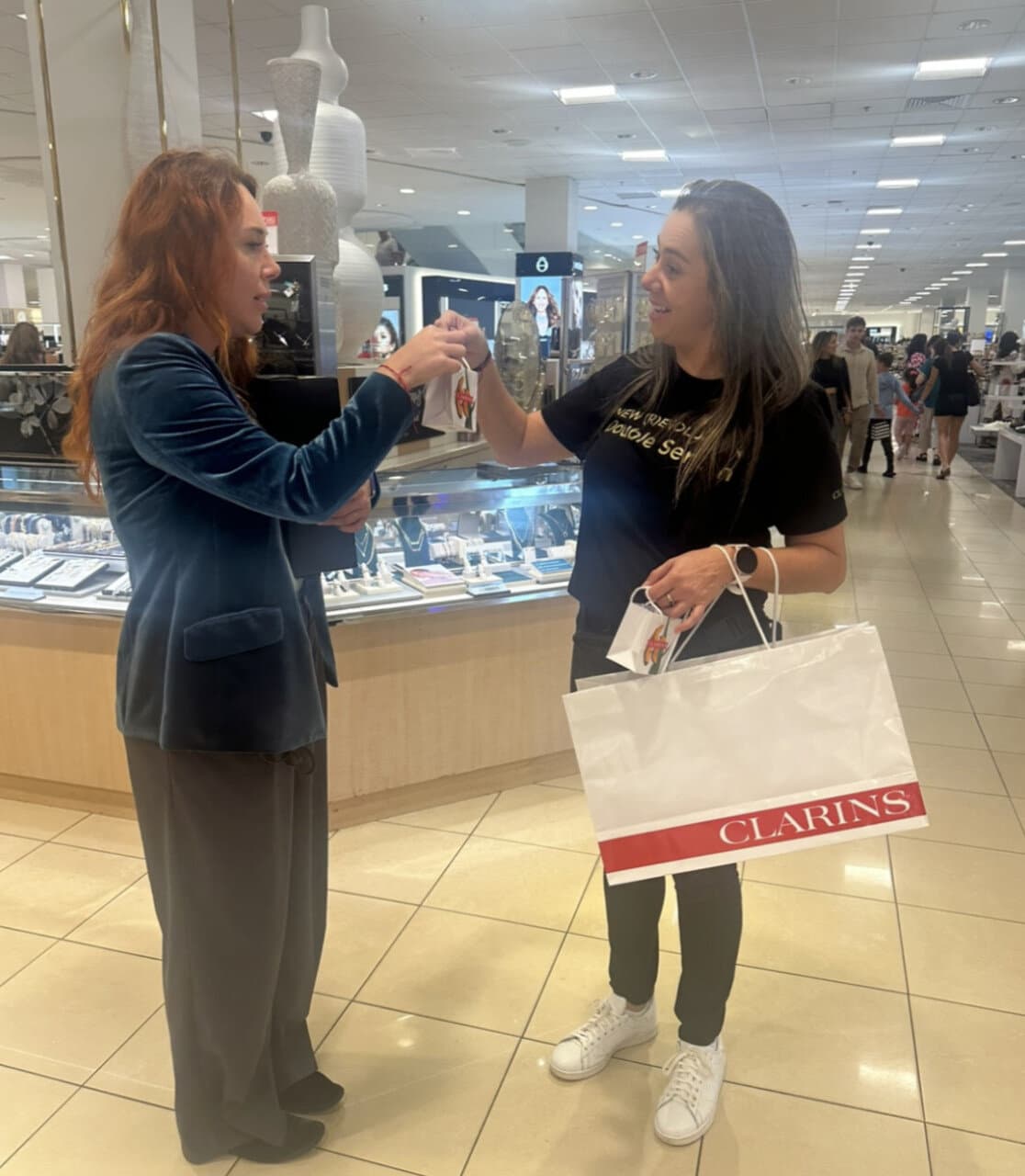
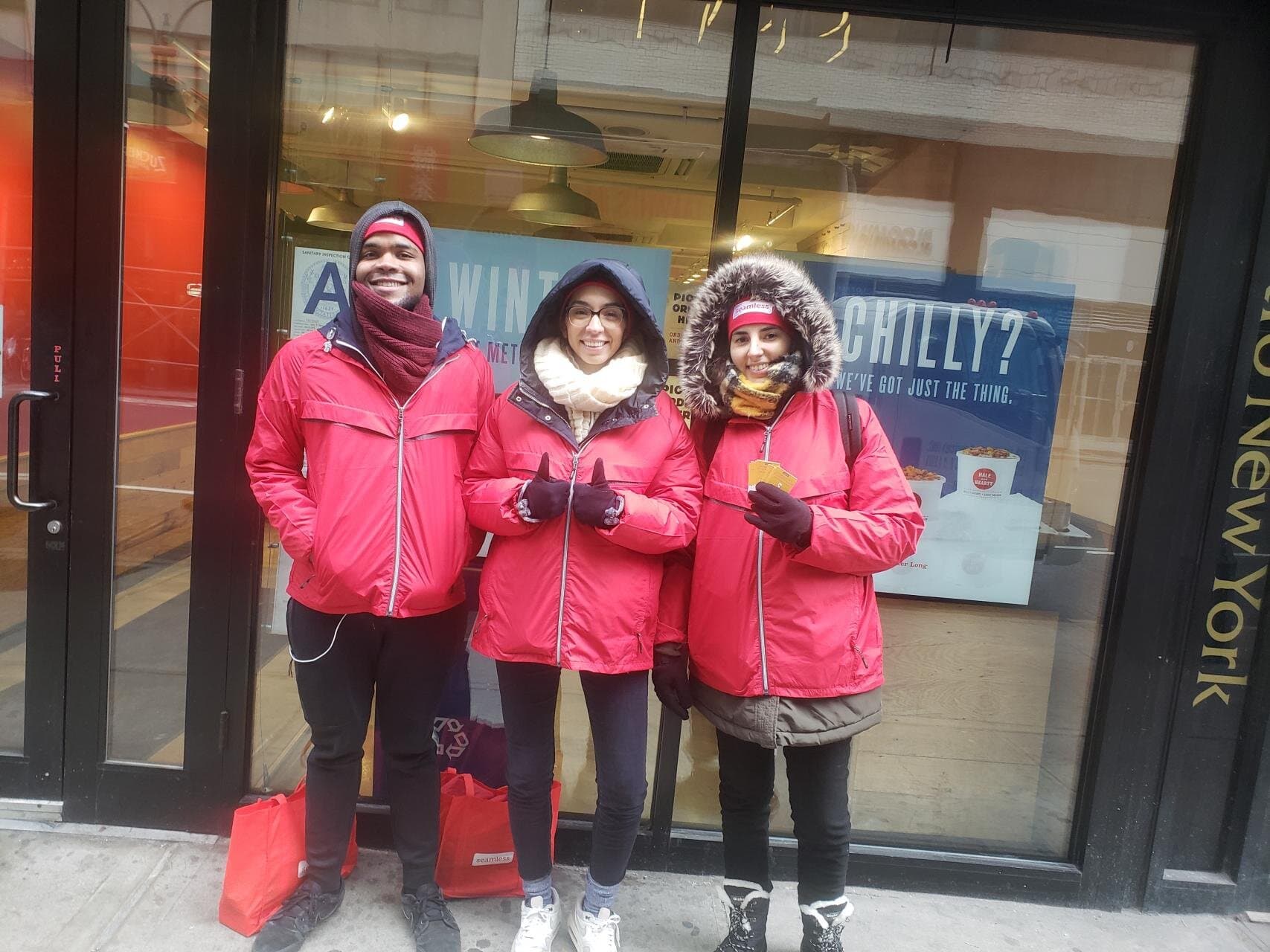
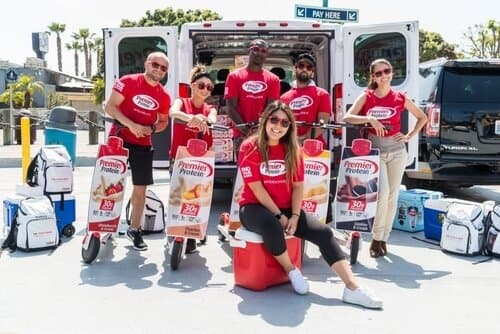
A street team campaign deploys trained brand representatives into public spaces to engage directly with consumers. Activities typically include product sampling, flyer and coupon distribution, branded merchandise giveaways, social media engagement prompts, and face-to-face brand conversations.
Professional street team services handle everything from staffing and training to permits, logistics, and reporting. For brands looking for unconventional, attention-grabbing approaches, guerrilla marketing tactics can amplify street team impact significantly.
Planning Your Street Team Campaign
Define Your Objectives
Before you hire a single person, answer these questions:
- What is the primary goal? (Awareness, sampling, lead generation, app downloads, store traffic)
- What action do you want consumers to take? (Try a product, visit a website, follow on social media, visit a nearby store)
- How will you measure success? (Samples distributed, QR scans, coupon redemptions, app installs)
Clear objectives determine team size, location strategy, materials, and success metrics.
Choose Your Locations
Location selection makes or breaks a street team campaign. The best locations combine three factors:
- High foot traffic: Volume matters. You need enough passersby to hit your distribution targets.
- Right demographic: A busy intersection is worthless if the people walking by are not your target audience.
- Legal permissions: Many cities require permits for street-level marketing activities. Some locations (private property, transit stations, government buildings) may be off-limits without specific authorization.
Work with your field marketing agency to identify optimal locations in each market. Agencies with local market experience know which blocks, intersections, and neighborhoods deliver the best results, and which ones to avoid.
Size Your Team
Team sizing depends on your distribution goals, campaign duration, and location count. A general framework:
- Small market campaign (1-2 locations): 4-8 team members
- Mid-size market campaign (3-5 locations): 10-20 team members
- Multi-city campaign (5+ markets): 30-100+ team members
Each team should include a team lead who manages on-site logistics, ensures quality control, handles any issues, and reports results in real time.
Secure Permits and Permissions
Permit requirements vary dramatically by city. New York City requires permits for commercial activity on public sidewalks. Los Angeles has different rules for different neighborhoods. Chicago, Miami, Denver: every market has its own regulatory landscape.
An experienced experiential marketing agency handles permit acquisition as part of campaign logistics, ensuring your team operates legally and avoiding fines or shutdowns that can derail a campaign.
Training Your Street Team
Training is the difference between a street team that represents your brand professionally and one that embarrasses it. Every team member should complete training covering:
Brand Knowledge
Team members need to understand your brand story, key messaging, and value proposition. They should be able to answer basic questions about the product, point consumers to additional information, and represent the brand's personality authentically.
Engagement Techniques
Cold approaches in public spaces require specific skills. Train your team on:
- Opening lines that are natural, not scripted-sounding
- Reading body language to identify receptive versus unreceptive passersby
- Handling rejection gracefully: most people will decline, and that is fine
- Transitioning from greeting to product hand-off smoothly
- Encouraging social media sharing without being pushy
Compliance and Safety
Street teams operate in public spaces with inherent variables. Train on:
- Where they can and cannot stand (permit boundaries)
- How to handle confrontational individuals
- Product safety and handling (especially for food and beverage sampling)
- Emergency procedures and contact information
- Data privacy rules if collecting consumer information
Dress Code and Appearance
Branded uniforms or clearly identifiable apparel build trust and professionalism. Define exactly what team members should wear, including shoes, accessories, and grooming standards.
Executing the Campaign
Day-of Logistics
- Arrive at locations 30-60 minutes before start time
- Set up any signage, tables, or branded displays
- Distribute materials, product inventory, and supplies to each team member
- Conduct a brief team huddle to review goals, talking points, and safety protocols
- Confirm communication channels (group text, walkie-talkies, or team management app)
Real-Time Management
Campaign managers should circulate between locations (or monitor remotely via check-in technology) to:
- Ensure teams are positioned correctly and actively engaging
- Monitor inventory levels and resupply as needed
- Track distribution counts at regular intervals
- Address any issues with permits, weather, or location changes
- Capture photos and video content for social media and reporting
Inventory Management
Running out of samples at 2 PM when your campaign runs until 6 PM is a failure of planning. Build in a 20% inventory buffer and have a resupply plan for high-performing locations. Conversely, if a location is underperforming, redeploy inventory and staff to better-performing spots.
Street Team Campaign Ideas That Work
Product Sampling with Instant Coupon
Hand consumers a product sample along with a coupon for their next purchase. The sample creates trial; the coupon drives conversion at retail. Track coupon redemption rates to measure direct sales impact.
Social Media Challenge
Create a simple, shareable challenge that team members demonstrate and invite consumers to participate in. Offer a branded prize for participation. This turns each consumer interaction into potential organic social content.
Pop-Up Giveaway
Set up a branded pop-up station offering desirable free items (branded merchandise, exclusive samples, limited-edition products) in exchange for an email sign-up, app download, or social media follow. The value exchange drives measurable lead generation.
Guerrilla Installations
Combine your street team with an unexpected physical installation (a branded art piece, an oversized product replica, a chalked sidewalk mural) that creates a destination people seek out and photograph. This approach bridges guerrilla marketing with street team execution.
Mobile Tour Support
Deploy street teams in markets ahead of or during a mobile marketing tour to drive foot traffic to the branded vehicle or pop-up location. Teams distribute maps, flyers, and invitations within a radius of the tour stop.
Measuring Street Team Campaign Success
Quantitative Metrics
- Units distributed per team member per hour
- QR code scans or URL visits from campaign materials
- Coupon redemption rate at retail
- App downloads attributed to campaign
- Social media mentions and hashtag usage
- Email sign-ups or lead captures
Qualitative Metrics
- Consumer sentiment and feedback (recorded by team members)
- Photo and video content quality and quantity
- Brand message consistency across team members
- Professional appearance and conduct
Cost Efficiency
- Cost per sample distributed = Total campaign cost / total samples distributed
- Cost per lead = Total campaign cost / leads captured
- Cost per impression = Total campaign cost / estimated impressions (foot traffic x engagement rate)
Review our results page for benchmarks from street team campaigns executed by Air Fresh Marketing.
Common Street Team Mistakes
- No permits: Getting shut down by local authorities wastes your entire investment and creates negative brand associations.
- Wrong locations: High foot traffic means nothing if it is the wrong demographic.
- Undertrained staff: A team member who cannot describe your product destroys credibility.
- No real-time management: Unsupervised teams drift off-task, leave locations early, or run out of materials.
- No measurement plan: If you cannot quantify results, you cannot optimize future campaigns.
Get Started with Air Fresh Marketing
Air Fresh Marketing provides professional street team services in major markets across the United States. From single-city activations to multi-market campaigns, we handle staffing, training, permits, logistics, and real-time reporting so your street team delivers measurable results.
Need brand ambassadors for a product launch? Planning a sampling campaign in multiple cities? Exploring guerrilla marketing to build buzz? Browse our portfolio, read case studies, or contact us to start planning. Request a quote today.