Mobile Marketing Tour Planning: The Complete Playbook
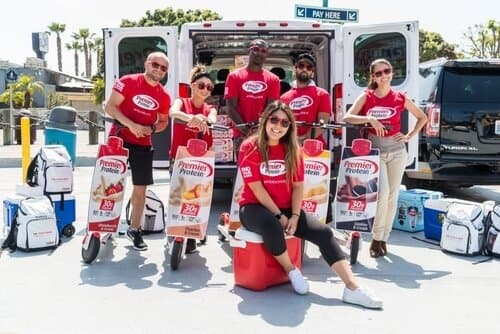
Mobile marketing tour planning requires coordinating dozens of moving parts, literally. A mobile tour takes your brand on the road, bringing a consistent experiential activation to consumers across multiple cities and venues over weeks or months. When executed well, a mobile tour generates massive reach, hundreds of thousands of product trials, and a content library that extends the campaign's impact far beyond the tour dates.
When executed poorly, a mobile tour burns through budget on empty parking lots, broken-down vehicles, and exhausted staff.
This guide covers the essential planning elements that separate successful tours from expensive failures.
Define Your Tour Objectives
Before planning a single route, clarify what you are trying to achieve:
- Mass awareness: maximize the number of cities and consumer touchpoints
- Targeted trial: focus on markets where you need to drive product adoption
- Retail support: activate near key retail accounts to drive in-store sales
- Content generation: create shareable experiences that generate social and earned media
- Data collection: capture consumer insights, leads, and feedback across markets
Your objectives drive every downstream decision: route, vehicle, staffing, activation design, and measurement.
Route Strategy
Market Selection
Choose markets based on a combination of business priority and logistic efficiency. Common factors include:
- Key sales markets where you need to drive trial or defend share
- New markets where you are launching or expanding distribution
- Markets where your retail partners are concentrated
- Event tie-ins: routing through cities during festivals, sporting events, or cultural moments
Air Fresh Marketing has tour experience in every major U.S. market, from Los Angeles and San Francisco on the West Coast to New York and Miami in the East.
Route Optimization
Plot your route to minimize dead miles: long driving stretches between activation cities with no consumer engagement. A well-planned route moves efficiently between markets, allowing travel days for vehicle maintenance and staff rest.
Consider geography and seasonality. A summer tour through the Sun Belt avoids the rain risk of the Pacific Northwest. A fall tour through the Northeast catches football tailgates and harvest festivals.
Venue and Location Sourcing
At each tour stop, you need an activation location. Options include:
- Retail parking lots (with retailer permission)
- Festival and event grounds (as a sponsor or vendor)
- Public parks and plazas (with permits)
- College campuses (with university approval)
- Shopping center common areas (with property management approval)
Secure locations and permits well in advance. Many cities require 30-60 days notice for commercial event permits.
Vehicle Selection
Your tour vehicle is your mobile billboard, your activation platform, and your logistics hub. Options include:
Sprinter van: Compact and versatile. Best for smaller activations and urban environments where parking is tight.
Step van or box truck: More interior space for product storage and setup. Good balance of capability and maneuverability.
Custom trailer: Maximum brand impact and activation space. Requires a tow vehicle and larger parking footprint.
Glass-sided truck or airstream: Visual spectacle that attracts attention before staff even engage consumers.
Factor in vehicle wrap design, interior buildout, generator or power requirements, refrigeration (for food and beverage products), and storage capacity for product inventory and materials.
Staffing Your Mobile Tour
Tour Staff Roles
- Tour manager: oversees daily operations, drives the route, manages inventory, handles permits and venue coordination, and serves as the primary contact for the client and agency
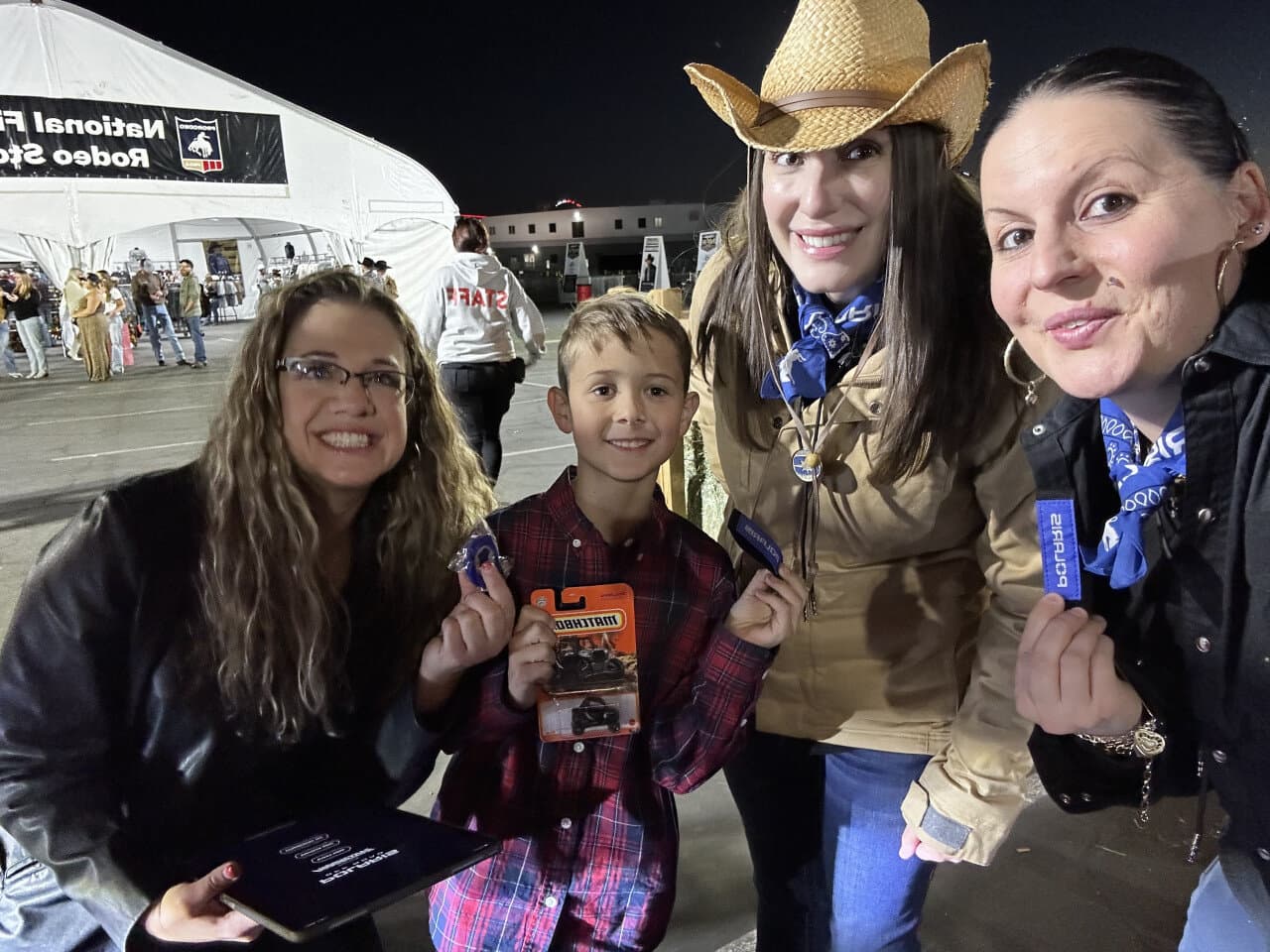
- Brand ambassadors: engage consumers, distribute samples, capture data, and create the brand experience at each stop
- Local market staff: supplemental brand ambassadors hired in each tour city to scale the team for large activations or events
Staffing Model
Most tours use a small core team (tour manager plus 1-2 staff) who travel the entire route, supplemented by local brand ambassadors in each market. This keeps travel costs manageable while maintaining quality and local market knowledge.
At Air Fresh Marketing, all tour staff, both traveling and local, are engaged through our professionally managed 1099 contractor model. This ensures consistent quality, insurance coverage, and accountability across every tour stop.
Staff Welfare
Tours are physically demanding. Build in rest days, provide comfortable travel arrangements, and set reasonable daily hours. Staff who are rested and well-treated perform dramatically better than staff who are burned out from a relentless schedule.
Logistics and Operations
Inventory Management
Track product inventory at every stop. Running out of samples mid-activation wastes the stop. Overshipping creates storage problems. Build a replenishment schedule that accounts for consumption rates and shipping lead times.
Maintenance
Schedule preventive vehicle maintenance throughout the tour. A breakdown on the road cancels activations and costs more than a planned service stop.
Weather Contingency
Outdoor tours are weather-dependent. Have a contingency plan for rain, extreme heat, or unexpected conditions at every stop. Tent canopies, fans, and indoor backup venues keep the tour running.
Measurement and Reporting
Track these metrics at every tour stop:
- Samples distributed
- Consumer engagements
- Data captures (leads, survey responses, email signups)
- Social media impressions and user-generated content
- Activation photos and video
- Staff performance observations
Compile stop-by-stop reports into a tour dashboard that shows cumulative results and market-by-market performance.
Plan Your Mobile Marketing Tour
Air Fresh Marketing plans and staffs mobile marketing tours of every scale, from weekend city blitzes to coast-to-coast multi-month tours. We handle route planning, staffing, training, logistics, and reporting.
Request a quote to start planning your tour, or contact us for a strategy consultation.