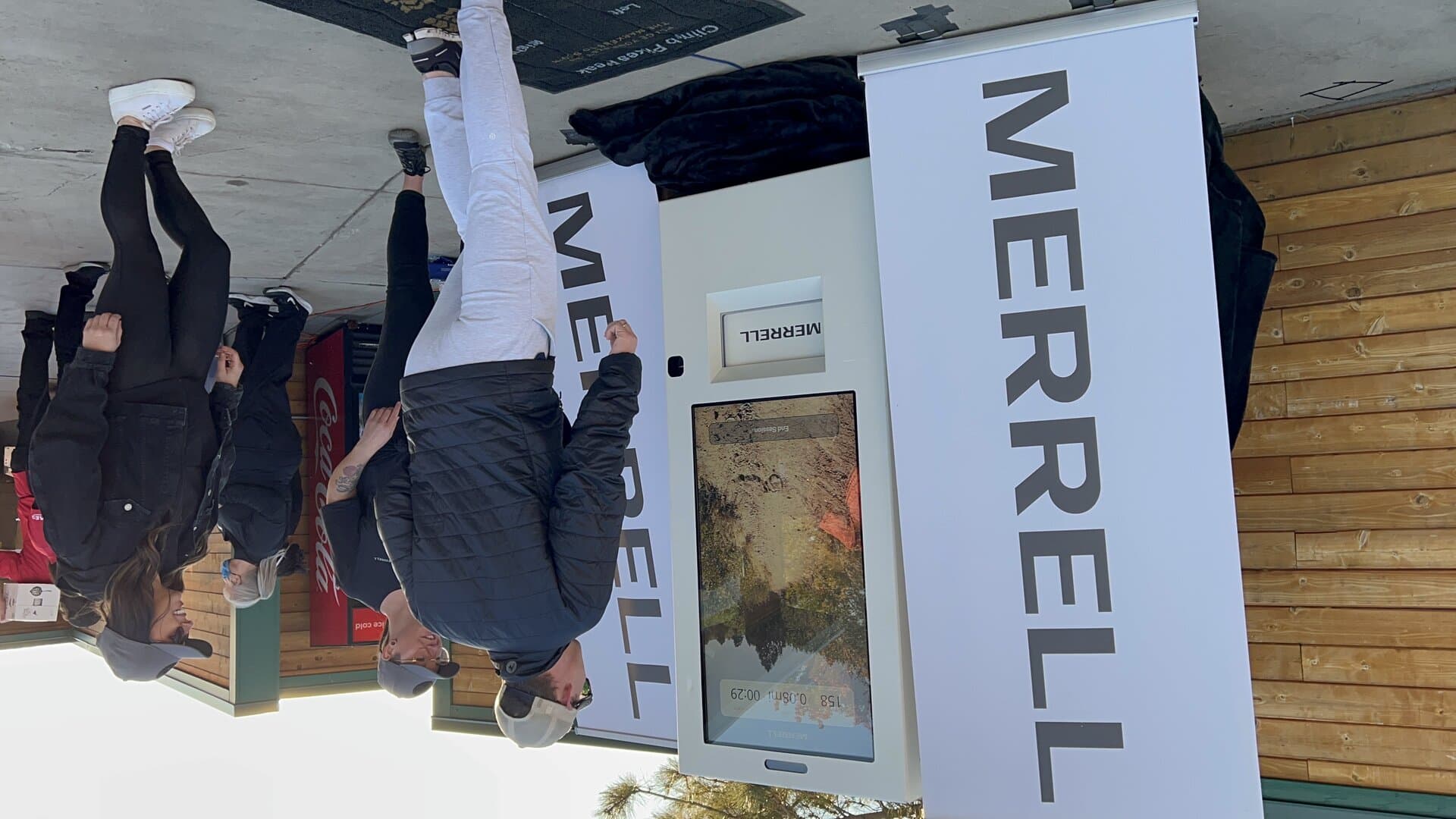
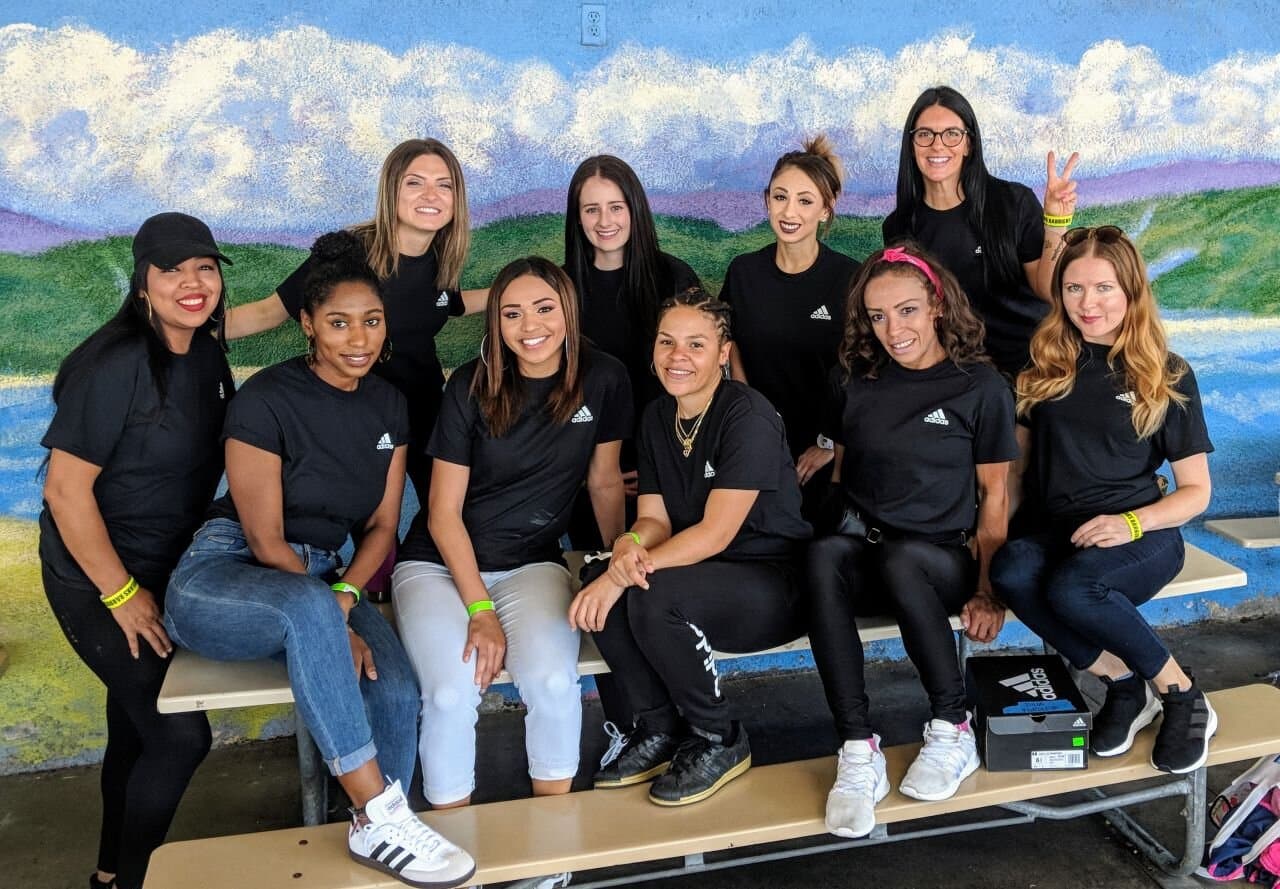
Multi-city marketing tours are among the most logistically complex activations in the experiential marketing world. They combine the challenges of individual event staffing with the added complexity of geographic coordination, travel logistics, local market variations, and maintaining brand consistency across dozens or even hundreds of tour stops.
Whether you are launching a mobile sampling tour, a branded vehicle experience, a pop-up retail tour, or a festival circuit activation, the success of your tour depends heavily on how effectively you recruit, train, deploy, and manage staff across multiple markets simultaneously.
This guide covers everything you need to know about staffing a multi-city marketing tour — from building your team structure to leveraging technology for seamless coordination.
---
#Understanding Multi-City Tour Staffing Models
The Traveling Core Team Model
In this model, a core team of 3-8 staff members travels with the tour from city to city, providing consistency and deep brand knowledge. They handle setup, teardown, management, and primary brand representation at every stop.
Advantages:
- Maximum brand consistency across all markets
- Deep product knowledge from repeated daily execution
- Strong team cohesion and communication
- Simplified training (train once, execute everywhere)
Challenges:
- Travel fatigue affects performance over long tours
- Higher costs for travel, lodging, and per diems
- Limited scalability for high-volume tour stops
- Risk concentration (illness or departure impacts entire tour)
The Local Market Staff Model
This approach recruits and trains local brand ambassadors in each tour market. A small traveling management team coordinates logistics while local staff handles consumer-facing interactions.
Advantages:
- Local market knowledge and cultural familiarity
- Lower travel costs
- Easily scalable for large activations
- Reduced burnout from no sustained travel
Challenges:
- Training consistency across markets
- Variable staff quality without personal vetting
- Less brand depth from limited exposure
- Higher coordination complexity
The Hybrid Model (Recommended)
The most successful multi-city tours combine both approaches: a traveling core team of 2-4 people who maintain brand standards and manage operations, supplemented by trained local market staff at each stop who provide volume and local knowledge.
At Air Fresh Marketing, we have refined this hybrid model across hundreds of tours, and it consistently delivers the best balance of quality, scalability, and cost efficiency.
---
#Building Your Tour Staffing Plan
Step 1: Define Your Tour Parameters
Before recruiting a single person, define:
- Number of markets: How many cities will the tour visit?
- Tour duration: How long is the overall tour, and how long in each market?
- Daily staffing needs: How many people are needed at each stop?
- Activation type: What will staff actually be doing (sampling, demonstrations, sales, engagement)?
- Setup and teardown requirements: How labor-intensive is the physical activation?
- Hours of operation: What are the daily start and end times?
- Special skills needed: Bilingual staff, technical knowledge, physical requirements?
Step 2: Create Your Role Matrix
Define every role needed across the tour:
Traveling Roles:
- Tour Manager: Overall operations and client communication
- Assistant Tour Manager / Team Lead: Day-to-day staff supervision
- Technical Lead: Vehicle, equipment, and technology management
- Lead Brand Ambassador: Sets the standard for consumer interactions
Local Market Roles:
- Brand Ambassadors: Consumer-facing engagement
- Setup and Teardown Crew: Physical labor for activation assembly
- Drivers: Vehicle transport between locations (if not handled by core team)
- Promotional Models: High-visibility talent for specific activations
- Bilingual Staff: For markets with significant non-English speaking populations
Step 3: Determine Quantities Per Market
Staff quantities should flex based on:
- Expected foot traffic at each tour stop
- Size of activation footprint
- Number of consumer interaction points
- Hours of operation
- Break coverage needs (you need enough staff to maintain coverage during rotations)
---
#Recruitment Strategies for Multi-City Tours
Leveraging Agency Networks
Market-Specific Recruitment
For specialized roles or markets where agency networks are thin, additional recruitment channels include:
- Local talent agencies and modeling agencies
- University marketing and communications programs
- Social media recruitment (Instagram, LinkedIn)
- Industry job boards and gig platforms
- Referrals from existing brand ambassador networks
Vetting and Selection
Multi-city tour staff must meet higher standards than single-event staff because the stakes of a poor performer are amplified across the tour:
- Experience verification: Confirm claimed experience with previous clients or agencies
- Reliability assessment: Check punctuality and completion records from past activations
- Skills evaluation: Live or video assessment of communication and engagement abilities
- Background checks: Standard for any brand representation role
- Physical readiness: Tours are physically demanding; staff must be prepared for long days
---
#Training for Tour Consistency
The Challenge of Distributed Training
Training 50+ staff across 15+ markets to identical standards is one of the biggest challenges in tour staffing. The solution requires technology-enabled approaches combined with in-person reinforcement.
Video Training Platform
Air Fresh Marketing's proprietary video training platform is specifically designed for this challenge. It enables:
- Standardized content delivery: Every staff member receives identical training regardless of location
- Self-paced completion: Staff complete modules on their schedule before their tour stop
- Knowledge verification: Built-in quizzes ensure comprehension before event day
- Progress tracking: Managers can see who has completed training and who needs follow-up
- Just-in-time updates: If messaging changes mid-tour, training updates deploy instantly to upcoming markets
Market-Specific Supplements
Beyond core training, each market may need supplemental information:
- Venue-specific logistics and directions
- Local regulations or permit requirements
- Market-specific consumer demographics
- Regional product variations or messaging adaptations
- Weather contingency plans
Day-of Briefings
Even with thorough pre-training, every tour stop should begin with a 15-30 minute on-site briefing where the traveling team leads review:
- Day's objectives and metrics
- Role assignments and positioning
- Key messaging reminders
- Logistics and break schedules
- Energy and enthusiasm building
---
#Logistics and Coordination
Scheduling and Shift Management
Multi-city tour scheduling is a puzzle with many pieces:
- Core team travel days vs. activation days
- Local staff shift lengths and start times
- Setup crew timing (often 2-4 hours before activation opens)
- Break rotations to maintain coverage
- Teardown crew scheduling (often different staff than setup)
- Buffer time between markets for core team rest
Travel and Accommodation
For the traveling core team:
- Book accommodations 4-6 weeks in advance for best rates
- Choose hotels near activation sites to minimize daily commute
- Build in rest days between markets (every 4-5 activation days minimum)
- Establish per diem rates that cover meals in each market's cost of living
- Pre-plan driving routes and fuel stops for branded vehicles
Communication Infrastructure
Reliable communication is the backbone of tour coordination:
- Group messaging platforms: For real-time updates across all markets
- Shared calendars: Visible to all team members with shift assignments
- Document repositories: Training materials, run-of-show documents, and reference guides
- Escalation protocols: Clear chain for issue resolution at every level
- Daily report templates: Standardized formats for consistent data collection
---
#Technology Solutions for Tour Management
GPS Check-In and Attendance Verification
When you have local staff in 15+ markets, you cannot physically verify attendance at each location. Air Fresh Marketing's GPS check-in system solves this by:
- Requiring staff to check in from the activation location via mobile app
- Verifying GPS coordinates match the assigned venue
- Timestamping arrival and departure for accurate hour tracking
- Alerting tour managers instantly if staff have not checked in by their call time
- Creating an auditable record of attendance across the entire tour
Real-Time Reporting Dashboards
Tour managers and brand clients need visibility across all markets simultaneously:
- Live activation status for each tour stop
- Sample distribution or interaction counts updated in real time
- Photo and video uploads from each market
- Issue flags and resolution tracking
- Cumulative tour metrics and trend analysis
Staff Performance Tracking
Over the course of a multi-city tour, performance data helps optimize staffing:
- Individual interaction counts and conversion rates
- Consumer feedback scores by staff member
- Punctuality and reliability records
- Training completion and assessment scores
- Manager evaluations from each tour stop
---
#Managing Common Tour Challenges
Last-Minute Cancellations
No-shows and cancellations are inevitable across a multi-market tour. Mitigation strategies:
- Always confirm with local staff 48 hours and 24 hours before their shift
- Maintain a backup list of 2-3 additional trained staff per market
- Have your agency partner on standby for emergency fill requests
- Cross-train core team members to cover local roles if needed
Maintaining Energy and Enthusiasm
Tour fatigue is real, especially for traveling core teams:
- Schedule mandatory rest days between markets
- Rotate responsibilities to prevent monotony
- Celebrate milestones and achievements publicly
- Provide quality accommodations and reasonable per diems
- Create team bonding opportunities during travel days
Weather and Venue Changes
Outdoor tours face weather uncertainty. Prepare by:
- Identifying backup indoor locations in each market
- Having tent or canopy options for the activation setup
- Establishing clear go/no-go decision criteria and timelines
- Training staff on weather contingency protocols
- Building weather flex days into the tour calendar
Quality Consistency Across Markets
Ensuring the consumer experience is identical whether someone encounters your tour in Miami or Minneapolis:
- Comprehensive, standardized training (video platform ensures consistency)
- Mystery shopper visits in select markets for quality verification
- Daily photo and video documentation for brand team review
- Immediate feedback loops between tour manager and local staff
- Post-stop quality scores that identify markets needing improvement
---
#Budgeting for Multi-City Tour Staffing
Cost Categories
- Core team compensation: Salary or day rates for traveling staff
- Core team travel: Flights, hotels, rental vehicles, per diems
- Local market staff wages: Hourly rates varying by market
- Agency management fees: Coordination, recruitment, and technology costs
- Training costs: Platform access, content development, assessment time
- Contingency budget: 10-15% for emergencies, overtime, and last-minute additions
Budget Optimization Strategies
- Cluster tour stops geographically to minimize travel between markets
- Use the hybrid model to keep expensive traveling team small
- Leverage agency bulk staffing rates for local market hires
- Invest in training to reduce the need for day-of corrections
- Get accurate pricing from your event staffing agency early in planning
---
#Post-Tour Analysis and Reporting
After the tour concludes, comprehensive analysis should cover:
- Staffing performance metrics: Attendance rates, punctuality, performance scores
- Market-by-market comparison: Which markets performed best and why
- Cost efficiency analysis: Cost per interaction, cost per conversion by market
- Staff feedback: What worked, what did not, and recommendations for future tours
- Client satisfaction: Brand team feedback on staff quality and tour execution
- Lessons learned document: Comprehensive record for future tour planning
---
#Conclusion
Staffing a multi-city marketing tour successfully requires sophisticated planning, robust technology, reliable talent networks, and experienced coordination. The brands that execute tours flawlessly are the ones that invest in proper staffing infrastructure rather than trying to cobble together local staff ad hoc in each market.
By leveraging the hybrid staffing model, investing in technology-enabled training and management, and partnering with an agency that has genuine national reach, you can deliver consistent, high-quality brand experiences across every stop on your tour.
Ready to plan your multi-city marketing tour? Contact Air Fresh Marketing to discuss your tour vision and let our experienced team build a comprehensive staffing plan that ensures success from first stop to last.