What Is a Brand Experience? Design, Measurement & Examples
Brand experience is the sum of every sensory, emotional, and cognitive interaction a consumer has with your brand in a live or immersive setting. It goes beyond traditional advertising by creating moments where consumers do not just see or hear your brand, but feel it, touch it, taste it, and participate in it. When executed well, brand experiences create memories that shape purchasing decisions long after the event ends.
Defining Brand Experience
A brand experience is any curated, intentional interaction designed to bring your brand's identity and values to life through direct consumer participation. Unlike a billboard or digital ad that communicates at the consumer, a brand experience communicates with the consumer. It invites them into your brand's world and lets them engage on their own terms.
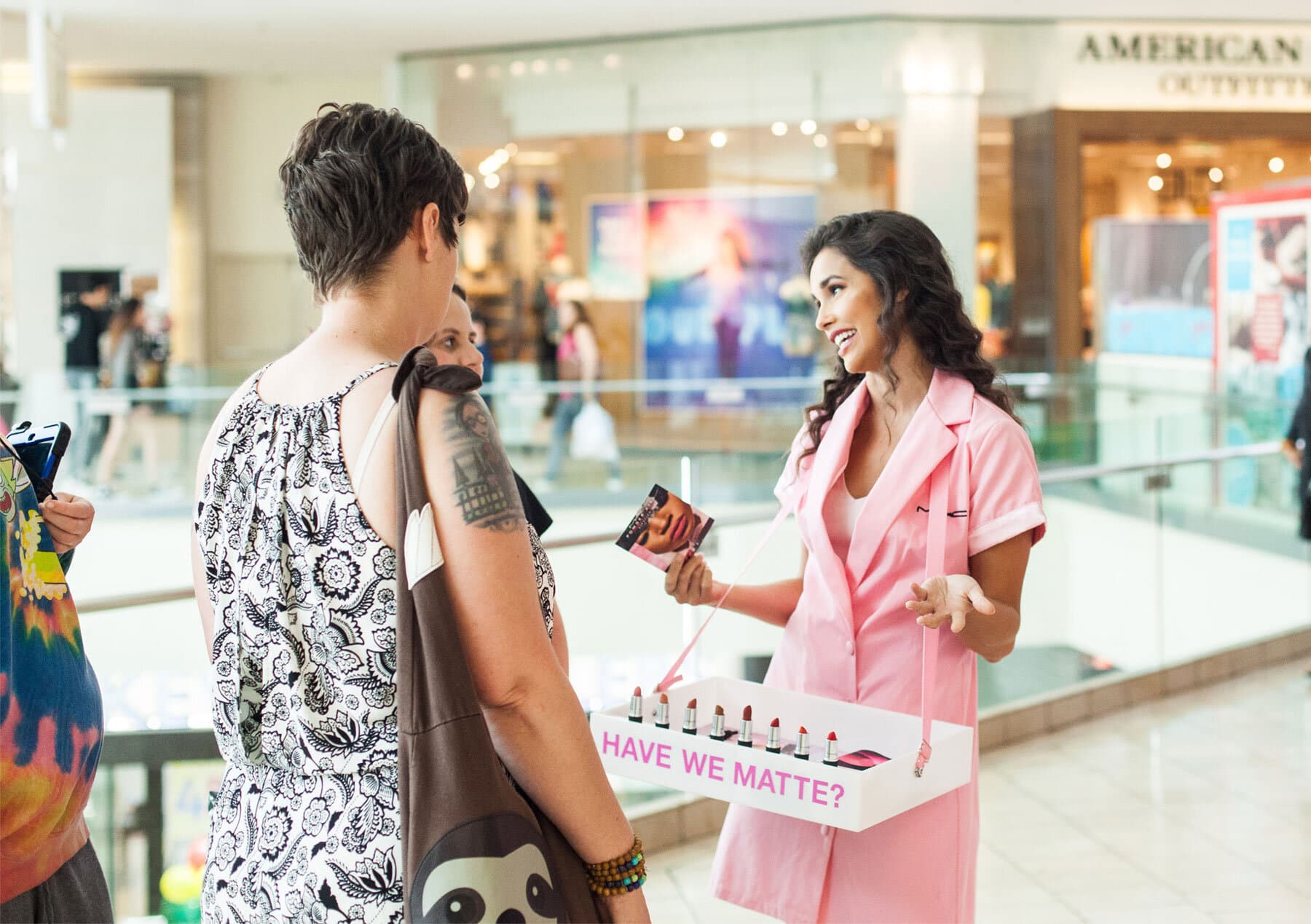
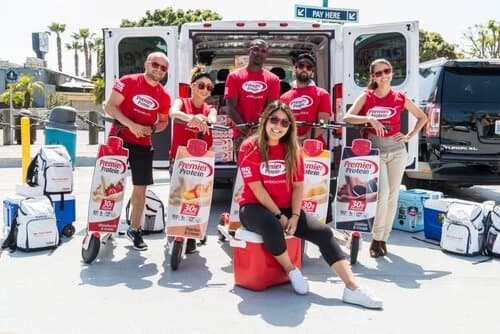
Brand experiences can take many forms. A product sampling activation at a grocery store is a brand experience. A multi-day immersive installation at a music festival is a brand experience. A virtual reality demo at a trade show is a brand experience. What connects them all is the shift from passive consumption to active participation.
The most effective brand experiences share several characteristics. They are multisensory, engaging sight, sound, touch, taste, or smell. They are interactive, requiring the consumer to do something rather than just observe. They are emotionally resonant, creating feelings of excitement, belonging, discovery, or joy. And they are shareable, giving consumers reasons and tools to spread the experience beyond the event.
How to Design a Brand Experience
Designing a brand experience starts with a clear understanding of your objectives. Are you trying to drive product trial? Build brand awareness? Generate leads? Deepen loyalty among existing customers? Your objective shapes every design decision from venue selection to staffing to measurement.
Start With the Consumer: The best brand experiences are designed from the consumer's perspective. What does your target audience care about? What problems do they need solved? What experiences do they seek? Build your activation around their desires and needs, not your corporate messaging priorities.
Create a Story Arc: Great brand experiences have a narrative structure. There is an entry moment that creates curiosity, a core engagement that delivers your brand's value proposition through experience, and an exit moment that leaves a lasting impression and clear next step. Brand activation design should map this journey intentionally.
Engage Multiple Senses: Research consistently shows that multisensory experiences create stronger memories and more positive brand associations. Consider how your activation engages not just sight but also sound, touch, smell, and taste. A beverage brand that lets consumers hear the pour, feel the cold glass, smell the aroma, and taste the product creates a far more memorable experience than one that just offers a sample in a paper cup.
Build in Shareability: Every brand experience should include moments designed to be shared on social media. This does not mean a branded selfie wall, which has become a cliche. Think about what elements of your experience are genuinely surprising, beautiful, or unique enough that consumers will want to capture and share them organically.
Measuring Brand Experience ROI
Measurement is where many brand experience programs fall short. The experiential nature of these campaigns can make them seem difficult to quantify, but rigorous measurement is not only possible, it is essential.
Engagement Metrics: Track the number of consumers who interact with your activation, the average dwell time, the depth of engagement (how many touchpoints they complete), and the quality of those interactions. Event staff should be trained to facilitate engagement while also capturing data.
Lead Capture: Every brand experience should have a mechanism for capturing consumer information, whether through product registration, contest entry, email sign-up, or QR code scanning. The number and quality of leads captured is a direct measure of activation effectiveness.
Social Amplification: Track earned media value from social sharing, including impressions, engagement, and sentiment. The ratio of on-site participants to social reach tells you how shareable your experience is.
Sales Impact: Where possible, connect your brand experience to sales data. Sampling activations can track coupon redemption rates. Retail activations can measure sales lift during and after the event. Digital activations can track conversion paths from experience to purchase.
Brand Sentiment: Pre-and post-event surveys can measure changes in brand awareness, favorability, and purchase intent among consumers who participated in the experience versus those who did not.
Brand Experience Examples That Work
The most successful brand experiences share a common thread: they put the consumer at the center and deliver genuine value through participation. A cosmetics brand that lets consumers create custom lip colors. A running shoe company that analyzes your gait and builds a personalized shoe recommendation. A food brand that invites consumers into a pop-up kitchen to cook with their products alongside a professional chef.
These experiences work because they are not about the brand broadcasting its message. They are about the consumer discovering the brand's value through their own experience.
Air Fresh Marketing designs and staffs brand experiences that create measurable impact. Our experiential marketing teams combine strategic design with on-the-ground execution to deliver brand moments your consumers will remember and act on.
Contact Air Fresh Marketing to design your next brand experience, or request a quote to start planning.