What Is Experiential Marketing?
Experiential marketing is a marketing strategy that creates direct, interactive experiences between a brand and its consumers. Rather than telling people about a product through traditional advertising, experiential marketing invites them to participate in a branded experience that creates emotional connections, generates word-of-mouth, and drives measurable business results.
The term is sometimes used interchangeably with engagement marketing, event marketing, or live marketing. However, experiential marketing is broader than any single event. It encompasses any tactic where the consumer actively participates in the brand story rather than passively receiving a message.
The Definition in Simple Terms
Experiential marketing is the practice of creating memorable, in-person (or hybrid) interactions that let consumers touch, feel, taste, or otherwise engage with a brand. The goal is to forge an emotional bond that traditional media cannot replicate. According to the Event Marketing Institute, 74% of consumers say engaging with branded event experiences makes them more likely to buy the products being promoted.
How Experiential Marketing Differs from Traditional Marketing
Traditional marketing communicates at consumers. A billboard, a TV spot, or a social media ad delivers a message and hopes the audience remembers it. Experiential marketing communicates with consumers. The audience becomes a participant, and the brand becomes a facilitator of an experience worth talking about.
Key differences include:
- Direction of engagement: Traditional marketing is one-way. Experiential marketing is two-way.
- Sensory involvement: Traditional marketing relies primarily on sight and sound. Experiential marketing engages all five senses.
- Memory formation: Experiences are stored differently in the brain than advertisements. People remember what they do more vividly than what they see or hear.
- Social sharing: Consumers share experiences organically. Nobody shares a banner ad on Instagram, but they share a moment at an immersive pop-up.
Types of Experiential Marketing
Product Sampling Campaigns
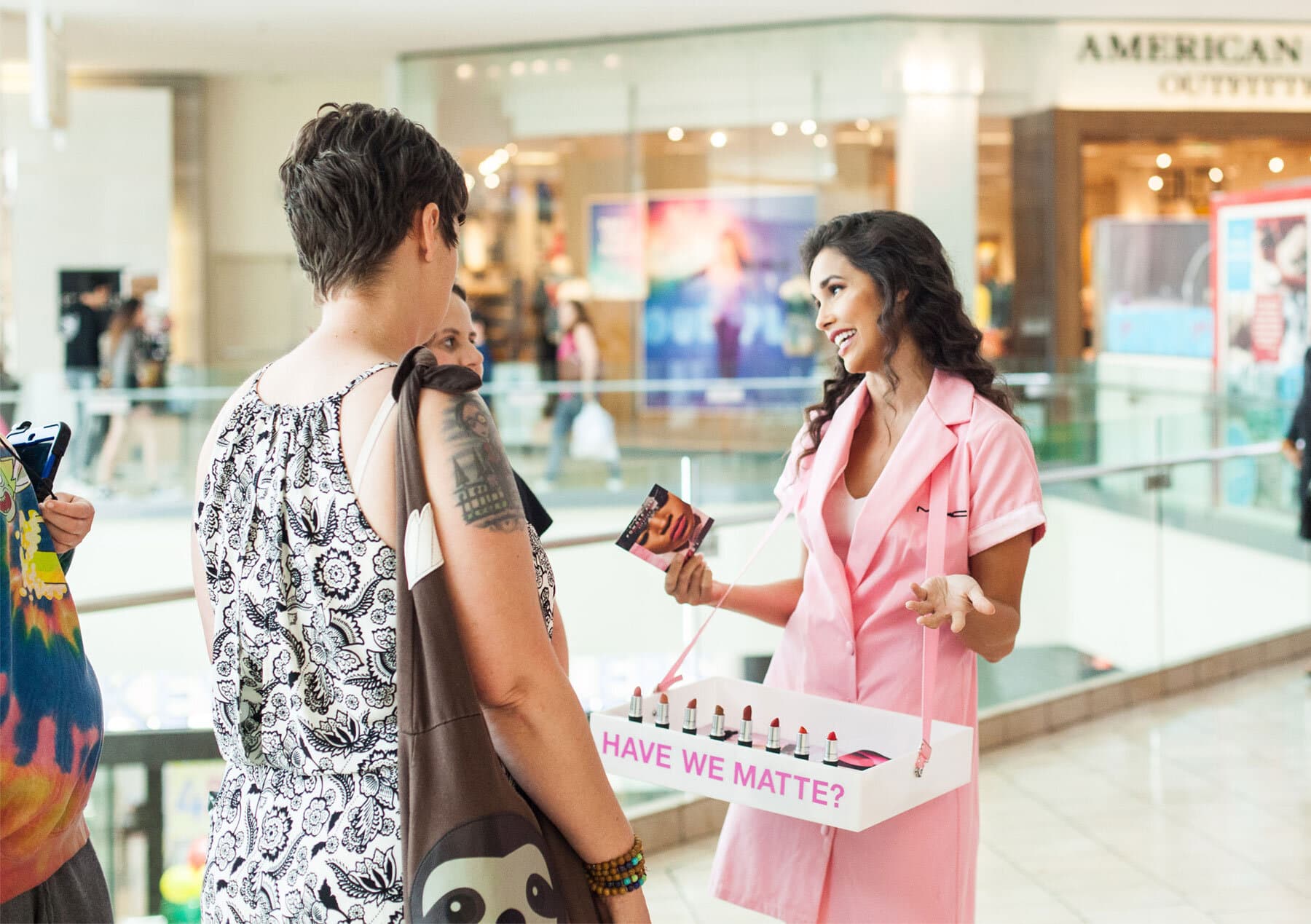
Product sampling puts your product directly into consumers' hands at high-traffic locations, events, or retail environments. Sampling campaigns generate trial, collect feedback, and convert skeptics into buyers on the spot.
Brand Activations
A brand activation is a campaign or event designed to drive a specific consumer action. This could be a pop-up shop, an interactive installation, a contest, or any experience that activates the brand in a physical space.
Mobile Marketing Tours
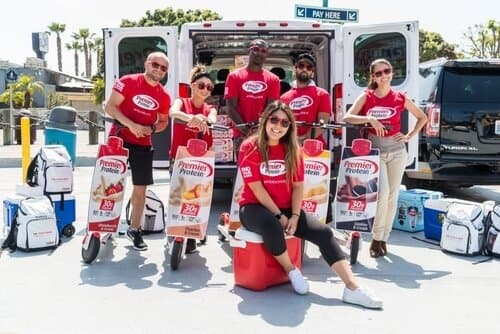
Mobile marketing tours bring the brand experience to multiple markets using customized vehicles, trailers, or portable setups. Tours are ideal for brands that need national reach with local impact.
Trade Show Experiences
Trade shows are a form of experiential marketing where brands create immersive booth experiences to attract, engage, and qualify leads. Professional trade show staffing elevates the experience and ensures every visitor receives a consistent brand message.
Street Teams and Guerrilla Marketing
Street teams and guerrilla tactics bring brand experiences to unexpected places. These campaigns intercept consumers during their daily routines, creating surprise-and-delight moments that generate social media buzz.
Pop-Up Experiences
Temporary retail or experiential spaces that create urgency and exclusivity. Pop-ups are among the most Instagram-friendly experiential tactics because they are designed to be visually striking and shareable.
Real Examples of Experiential Marketing
Beverage sampling at music festivals: A spirits brand sets up a branded lounge at a major music festival, offering cocktail samples, photo opportunities, and branded merchandise. Consumers associate the brand with the positive emotions of the festival experience.
Interactive product demo at a trade show: A technology company creates a hands-on demo area at CES where attendees can test the product in a simulated real-world environment. Qualified leads increase by 40% compared to a traditional booth setup.
Mobile tour across 20 cities: A CPG brand launches a mobile sampling tour that visits farmers markets, college campuses, and sporting events across 20 markets. The tour generates 500,000 samples distributed and 2 million social media impressions.
Measuring Experiential Marketing ROI
ROI measurement is the most common question brands ask about experiential marketing. The key is defining your KPIs before the campaign launches. Common metrics include:
- Samples distributed or product trials: Direct consumer engagement count
- Qualified leads captured: Email addresses, phone numbers, or app downloads
- Social media impressions: Organic shares, mentions, and user-generated content
- Sales lift: Measurable increase in sales during or after the campaign
- Brand sentiment: Pre- and post-campaign surveys measuring perception
- Cost per engagement: Total spend divided by total meaningful interactions
At Air Fresh Marketing, we build ROI measurement into every experiential program from day one. Our post-event reporting includes all relevant KPIs so clients can tie experiential spend directly to business outcomes.
Why Experiential Marketing Works
Experiential marketing works because human beings are wired for experience. We remember 10% of what we read, 20% of what we hear, but 80% of what we personally experience. This is not a marketing theory. It is neuroscience.
When a consumer has a positive brand experience, their brain releases dopamine, creating a positive association with the brand that persists far longer than any ad impression. This emotional memory drives purchase decisions, brand loyalty, and organic advocacy.
Getting Started with Experiential Marketing
If you are considering experiential marketing for your brand, start by defining your objective. Are you launching a new product? Entering a new market? Building awareness? The objective determines the format, scale, and measurement approach.
Air Fresh Marketing designs and staffs experiential marketing campaigns for brands across every industry and in every major U.S. market. From concept development to on-site execution to post-campaign reporting, we handle every detail so you can focus on results.
Contact us to discuss your next experiential marketing campaign, or request a quote to get started.