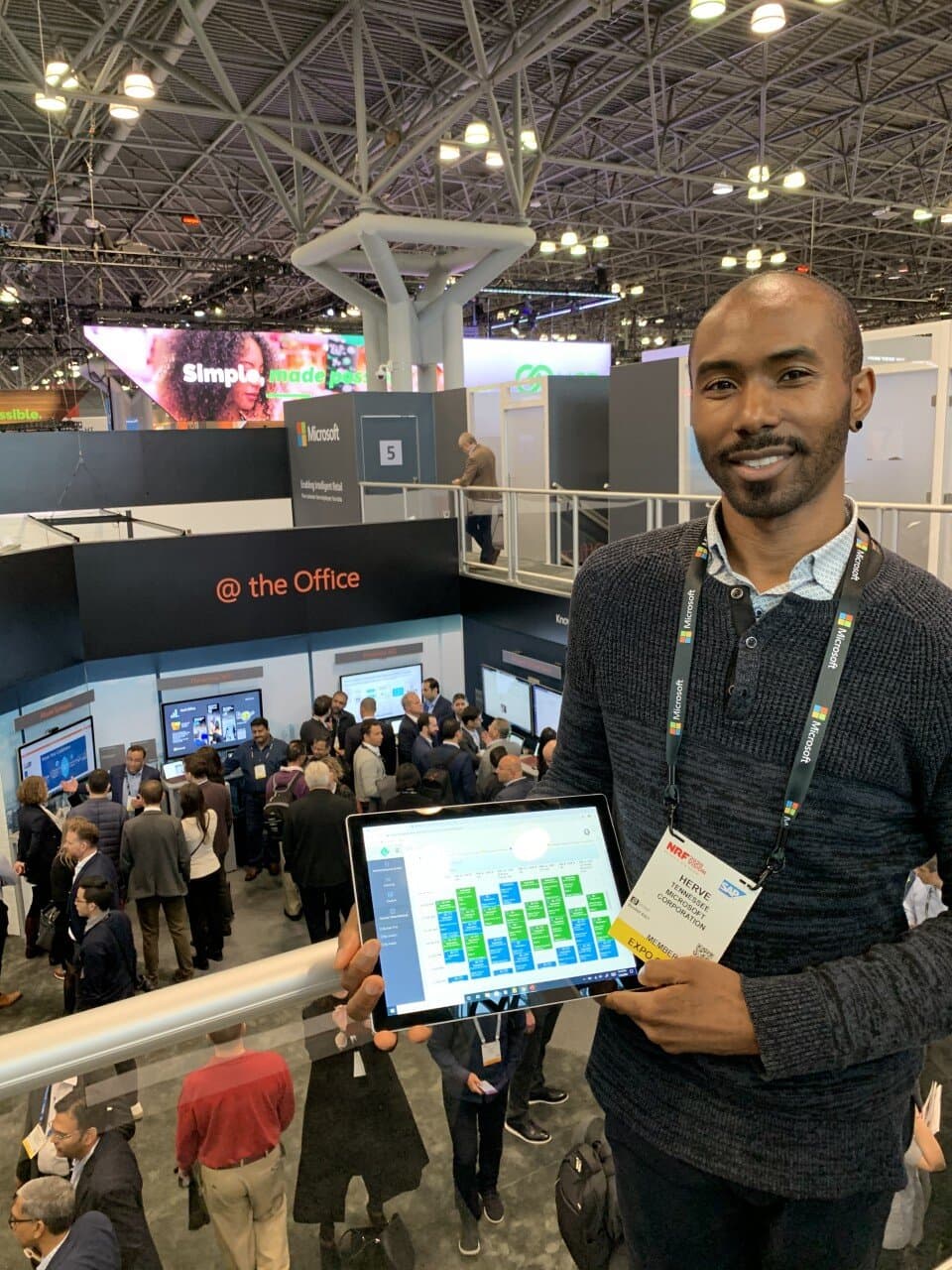
How to measure brand ambassador performance is one of the most important — and most frequently neglected — questions in experiential marketing. Brands invest significant budgets in brand ambassador programs and event staffing without establishing clear performance metrics, then struggle to justify the investment or optimize subsequent activations.
The brands that get the most from their brand ambassador programs are the ones that define success clearly before deployment, measure rigorously during execution, and analyze results honestly after each activation to drive continuous improvement.
#The Foundation: Defining What Success Looks Like
Before selecting KPIs, clarify your program objective. Different objectives require different measurement frameworks:
- Brand awareness programs: Measure reach, impressions, and brand recall
- Lead generation programs: Measure qualified leads, contact capture rate, and pipeline conversion
- Sales-driven activations: Measure demo-to-purchase conversion and revenue attribution
- Trial programs: Measure samples distributed, trial conversion rate, and repeat purchase rate
- Social amplification programs: Measure UGC volume, hashtag usage, and earned media value
Most brand ambassador programs serve multiple objectives simultaneously — but knowing the primary objective ensures your KPIs are weighted appropriately.
#Core Operational KPIs
Engagements Per Hour
The fundamental efficiency metric for any brand ambassador program. An engagement is defined as a meaningful interaction with a consumer — typically 2+ minutes of direct conversation or interaction with a branded activation.
Benchmarks by program type:
- Retail sampling programs: 15-25 engagements per hour per ambassador
- Trade show booth staffing: 8-15 engagements per hour in high-traffic environments
- Experiential activations: 5-10 meaningful engagements per hour (longer dwell time per engagement)
Contact Capture Rate
For lead generation programs, the percentage of engaged consumers who provide contact information (email, phone, app download, or form completion).
Conversion Rate
For sales-driven programs, the percentage of product demonstrations or conversations that result in a purchase, trial sign-up, or measurable next-step action.
Sample-to-Purchase Conversion
For [product sampling programs](/product-sampling-agency), the percentage of sampled consumers who make a purchase at the point of sampling or within a defined attribution window (typically 30-90 days).
#Quality Performance KPIs
Brand Message Accuracy Score
Measured through mystery shopper audits or supervisor scoring, this metric assesses how accurately brand ambassadors communicate key brand messages, product benefits, and call-to-action prompts. Score on a 1-10 scale across multiple criteria: key message delivery, brand voice consistency, objection handling, and CTA execution.
Consumer Satisfaction Score (CSS)
Post-interaction surveys (QR code to 3-question survey) asking consumers to rate the quality of their interaction. A simple Net Promoter Score approach (0-10: how likely are you to recommend this brand?) can generate comparable benchmark data across programs.
Product Knowledge Assessment
Professional Presentation Score
Supervisor-rated assessment of staff appearance, punctuality, uniform compliance, and professional conduct during the activation.
#Social & Content KPIs
User-Generated Content Volume
The number of consumer-created social posts tagged with your brand handle or campaign hashtag during and after the activation. This is a strong indicator of activation quality — engaging programs generate organic social content without requiring it.
Earned Media Value (EMV)
Assign a dollar value to social impressions generated through brand ambassador programs using standard EMV formulas (typically $0.01-$0.15 per impression depending on platform and follower tier). This allows direct comparison to paid media costs.
Social Reach from Ambassadors
Track the combined social following of your brand ambassador team — some ambassadors bring genuine micro-influencer audiences that amplify program reach beyond the immediate activation.
#Program-Level ROI Metrics
Cost Per Engagement
Total program cost divided by total qualified engagements. Compare across programs, markets, and time periods to identify efficiency improvements.
Cost Per Lead
Total program cost divided by qualified leads captured. For lead generation programs, this is the primary ROI metric.
Revenue Attribution
For sales-driven programs, use promo codes, QR codes, or CRM attribution to connect brand ambassador interactions to downstream purchases.
#Building a Performance Dashboard
Air Fresh Marketing provides clients with real-time performance dashboards for active programs, including daily engagement reporting, geo-tagged activity confirmation, photo and video documentation, and post-event analytics summaries.
Our professional employment model enables us to hold brand ambassadors to consistent performance standards and invest in the coaching and development that drives KPI improvement over time. [Brand ambassadors](/hire-brand-ambassadors) who are direct employees — not gig workers — respond to performance feedback and stay longer with programs, which improves quality over a multi-month deployment.
For brands running programs in [Los Angeles](/cities/los-angeles), [Chicago](/cities/chicago), [New York](/cities/new-york-city), [Dallas](/cities/dallas), and [Houston](/cities/houston), [contact Air Fresh Marketing](/contact) to discuss performance measurement frameworks for your brand ambassador program. [Get a quote](/get-quote) and ask about our reporting and analytics capabilities.