Billions of dollars in marketing drive consumers to the store.
And then they choose your competitor's product at the shelf.
The last three feet - from shopper to shelf to cart - is where marketing succeeds or fails. Retail activation owns this moment.
The Retail Reality
What Happens at Shelf
Shoppers make decisions in seconds:
- 70% of decisions happen in-store
- Average shelf consideration: 3-7 seconds
- Habitual purchases bypass thinking
- New products struggle for attention
- Competition is inches away
Why People Buy
In-store decision drivers:
- Previous experience (brand loyalty)
- Price and value perception
- In-store visibility
- Recommendations and endorsements
- Sampling and trial
- Promotions and incentives
Retail Activation Types
Product Demonstrations
Live demos at or near shelf:
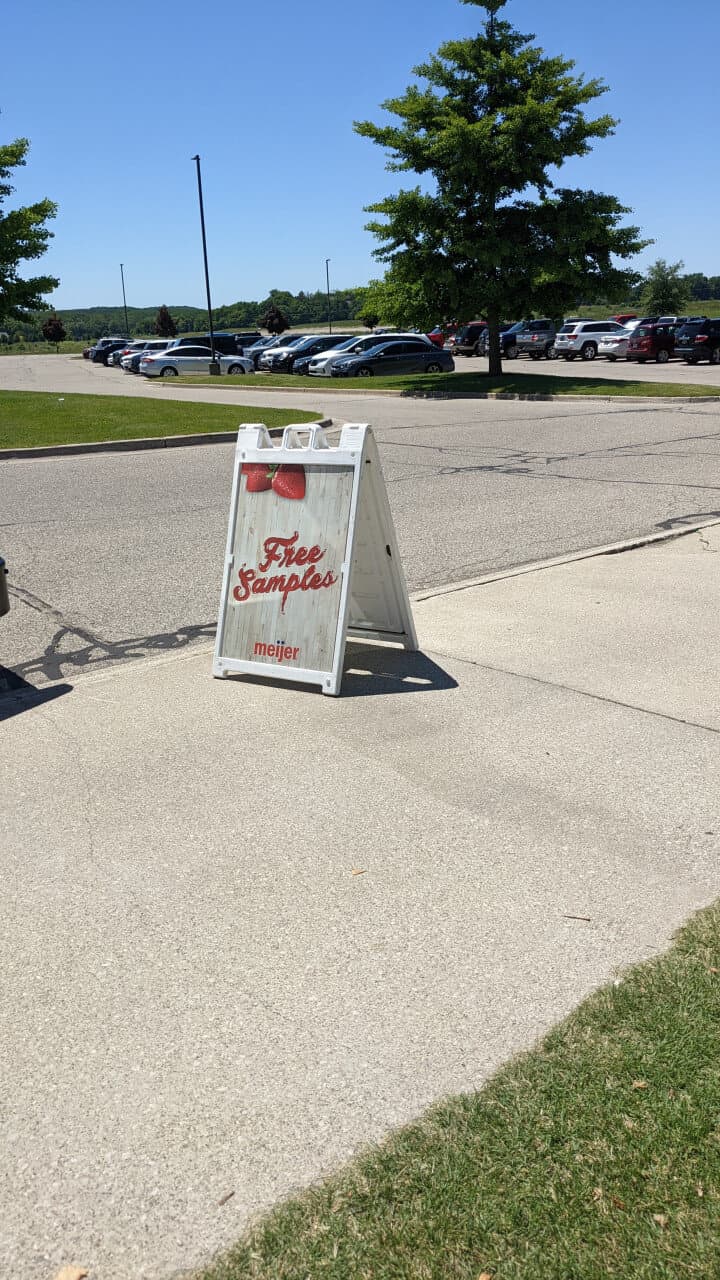
- Food sampling
- Product trials
- Feature demonstrations
- Comparison shows
Best for products where experience matters.
Shelf Merchandising
Visible presence at point of purchase:
- End caps
- Clip strips
- Shelf talkers
- Special displays
- Cross-merchandising
Best for incremental visibility.
Brand Ambassadors
Human presence in-store:
- Recommendation and guidance
- Information and education
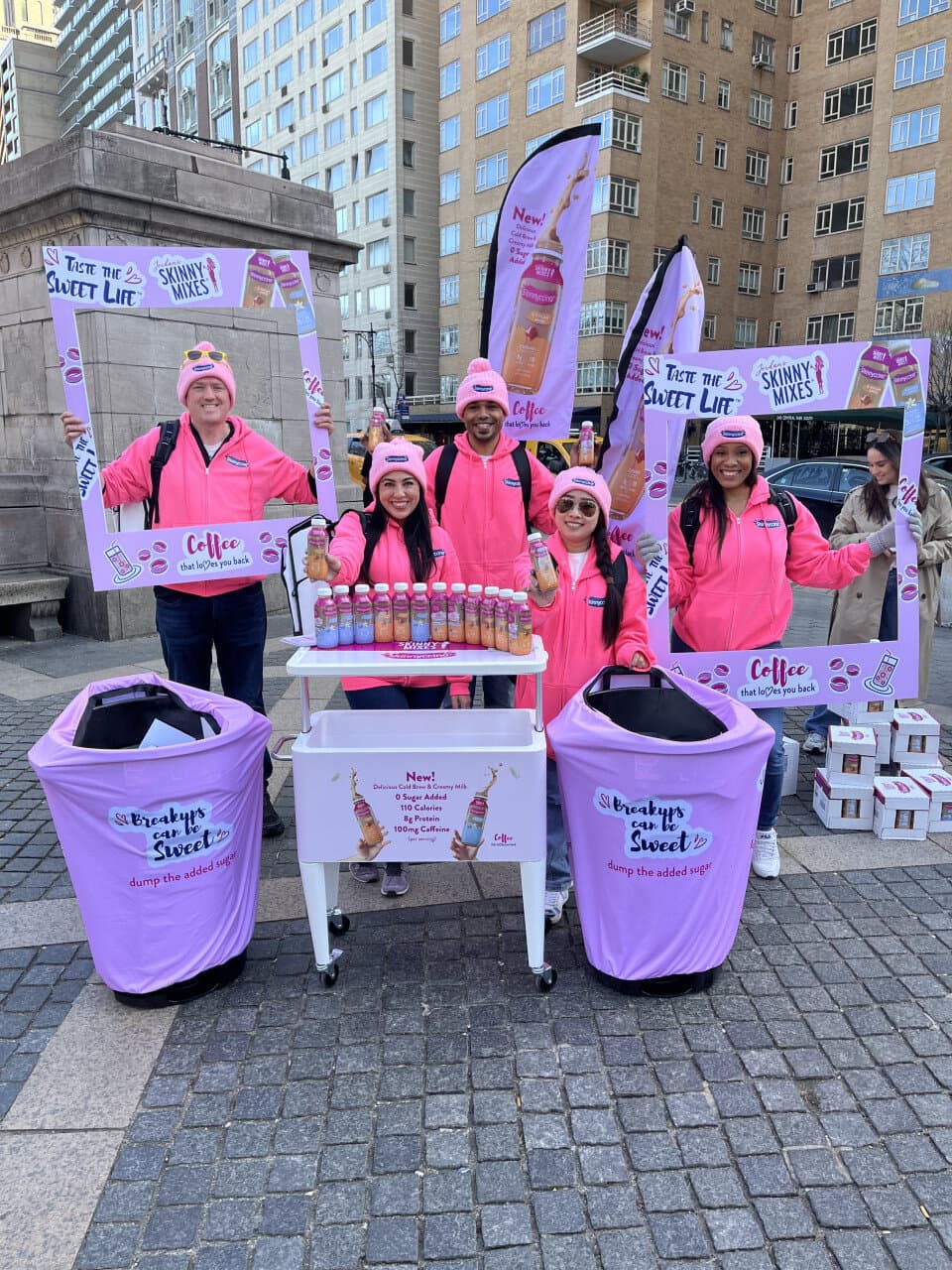
- Sampling distribution
- Shopper engagement
- Data capture
Best for complex or new products.
Digital Integration
Technology-enabled activation:
- Interactive displays
- Mobile engagement
- QR experiences
- Virtual try-on
- Gamification
Best for tech-forward brands and retailers.
Retail Channel Strategies
Mass Retailers (Walmart, Target)
- High volume, efficient execution
- Strict store policies
- Corporate coordination required
- Demographics vary by location
- Price sensitivity high
Grocery Chains
- Regular demo programs established
- Food-focused activation
- High frequency opportunity
- Weekend peaks
- Perishable considerations
Club Stores (Costco, Sam's)
- Large pack sizes
- Value messaging
- Demo culture established
- Membership demographics (higher income)
- Sampling expectations high
Specialty Retail
- Deeper engagement possible
- More brand control
- Staff relationships matter
- Higher service expectations
- Narrower audience
Pharmacy and Drug
- Health and wellness focus
- Older demographic skew
- Professional environment
- Limited activation space
- Cross-shopping patterns
Working With Retailers
The Partnership Reality
Retailers have:
- Multiple brands competing
- Limited activation space
- Strict execution standards
- Their own sales goals
- Customer experience concerns
Getting Approved
Activation proposals should show:
- Sales lift potential
- Customer experience enhancement
- Minimal disruption
- Compliance with policies
- Professional execution
Building Relationships
Long-term success requires:
- Consistent, professional execution
- Store-level staff respect
- Corporate-level relationships
- Results documentation
- Flexibility and responsiveness
Execution Excellence
Store-Level Coordination
Day of event requires:
- Manager check-in
- Space confirmation
- Product staging
- Display setup
- Staff positioning
Staff Requirements
Retail activation staff must:
- Respect store environment
- Follow all store policies
- Work professionally with store staff
- Maintain clean activation space
- Represent brand appropriately
Common Problems
What goes wrong:
- Product not on shelf
- Location conflicts
- Store staff confusion
- Setup time insufficient
- Materials missing
Plan for all of these.
Measuring Retail ROI
Direct Metrics
Trackable outcomes:
- Sales lift during activation
- Units distributed/sold
- Basket size impact
- New buyer acquisition
- Coupon redemption
Indirect Impact
Longer-term effects:
- Velocity lift post-activation
- Trial to loyalty conversion
- Store-level distribution
- Retailer relationship value
- Brand awareness contribution
Proving Value
Retailers want evidence:
- Before/during/after sales data
- Year-over-year comparisons
- Similar store controls
- ROI calculations
- Success stories
Air Fresh Marketing executes retail activations in every major retail channel across the country. We understand the retail environment and deliver results at shelf. 303-720-6060