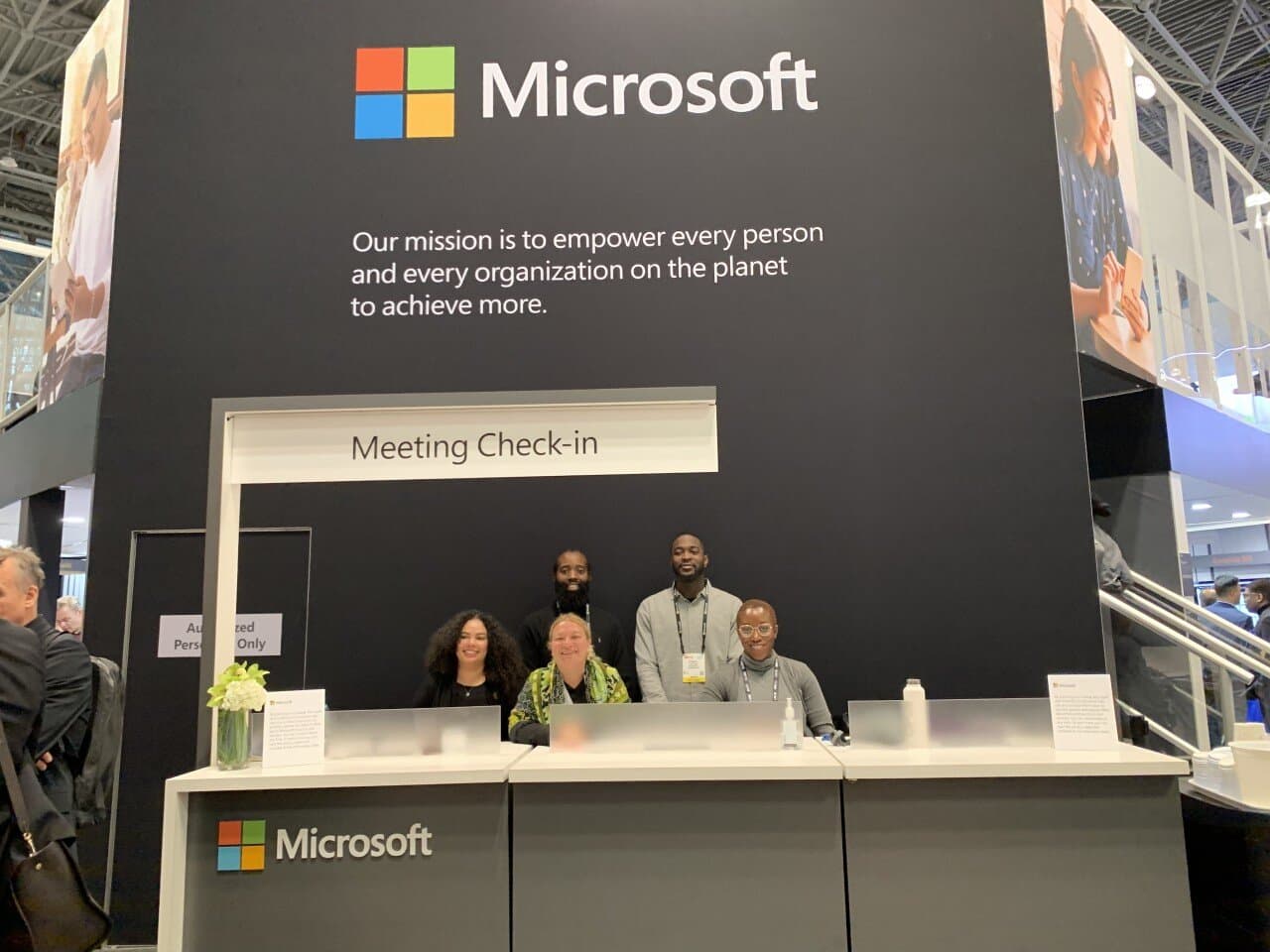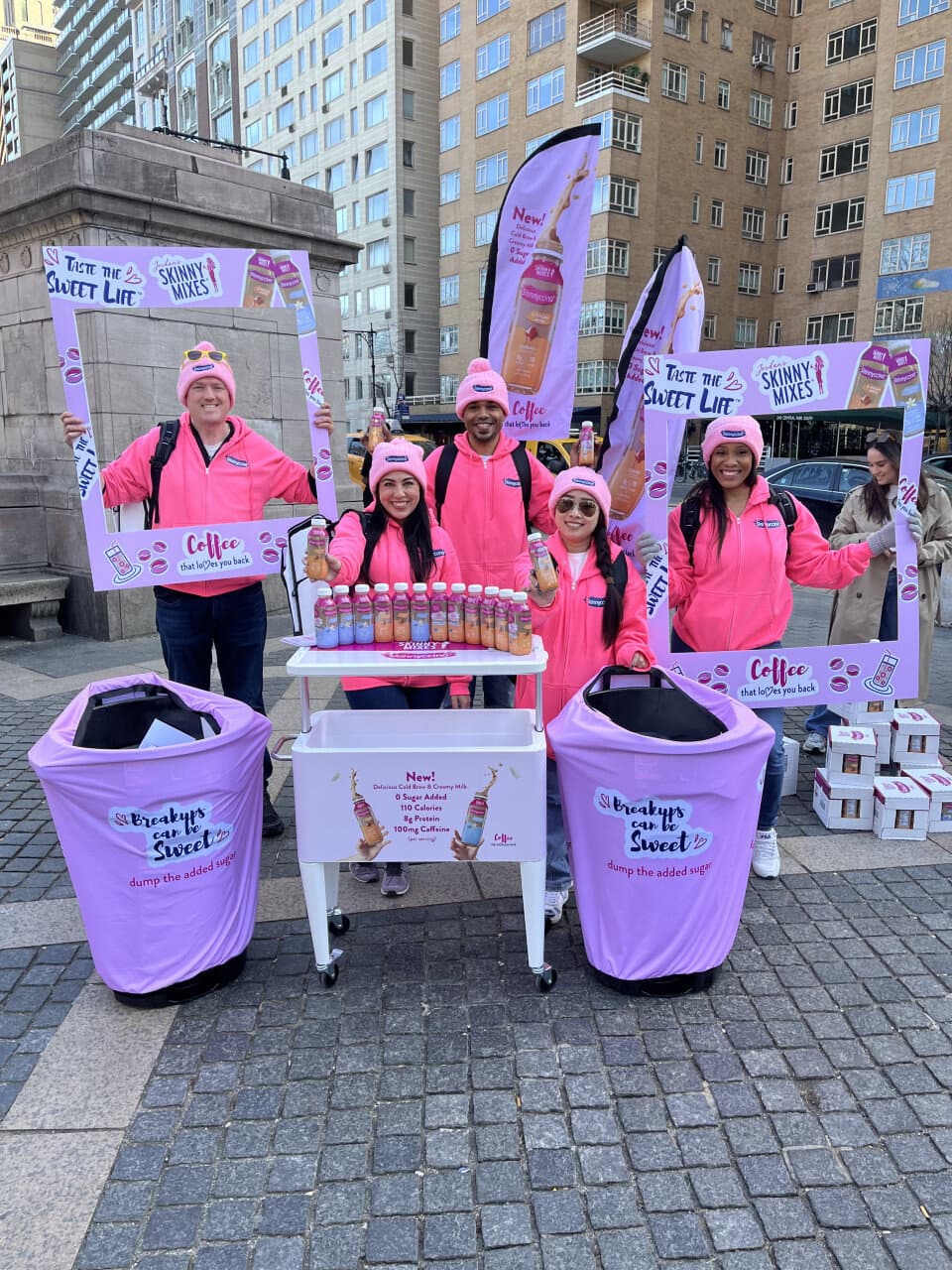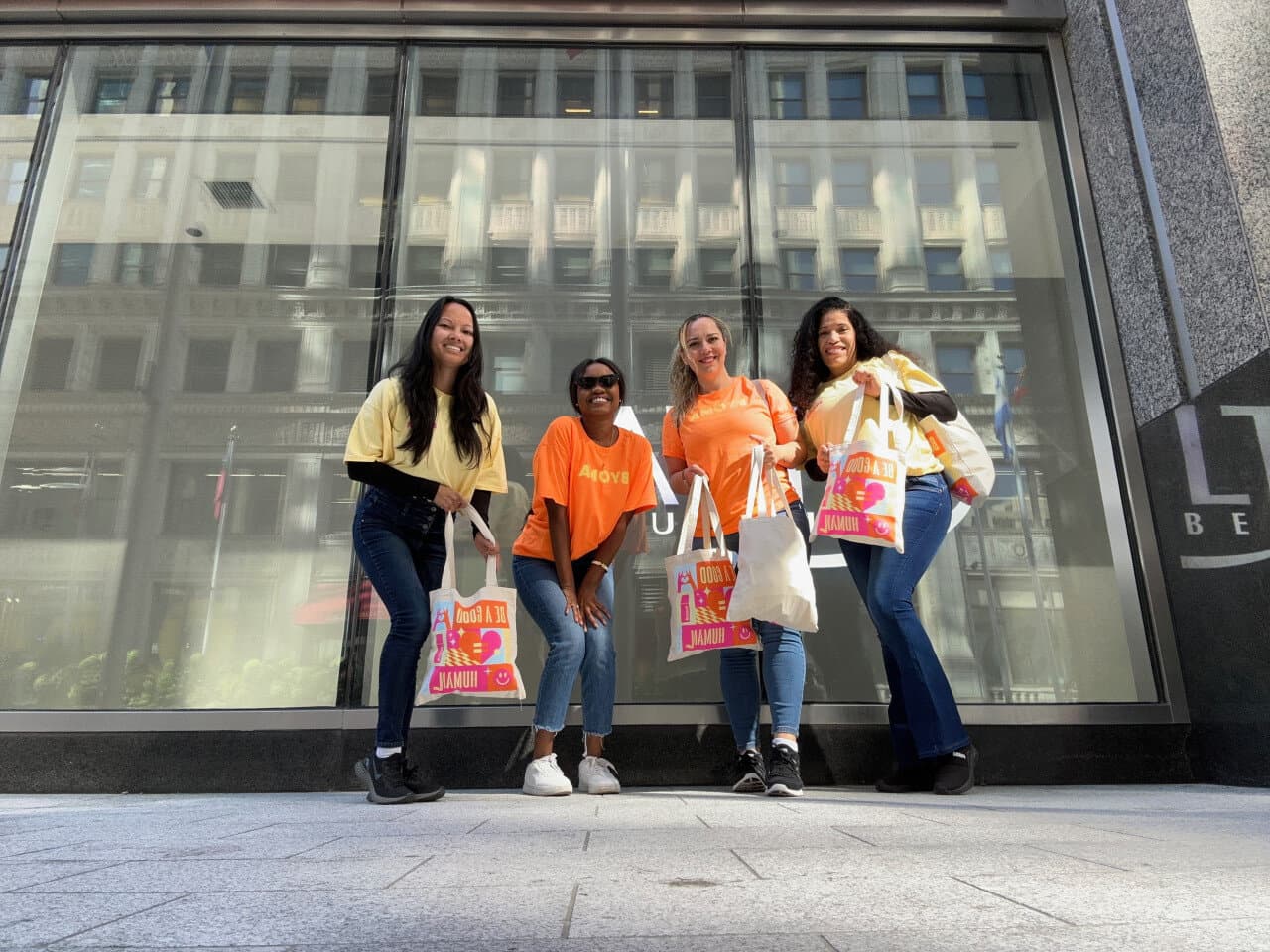
Pop-ups are retail theater.
They create urgency through scarcity. They generate buzz through novelty. They test markets without permanent commitment.
Done right, a temporary store creates permanent brand impact.
The Pop-Up Advantage
Why Pop-Ups Work
Strategic benefits:
- Urgency drives action (limited time)
- Novelty generates coverage
- Direct consumer interaction
- Market testing capability
- Lower commitment than permanent retail
- Experiential brand building
Pop-Up Economics
Financial considerations:
- Short-term lease flexibility
- Seasonal revenue capture
- Inventory risk management
- Brand building ROI
- Customer acquisition cost
Who Should Pop
Best candidates for pop-ups:
- E-commerce brands seeking physical presence
- Brands testing new markets
- Seasonal products/services
- Limited edition launches
- Brands with experiential stories
- Collaborations and partnerships
Location Strategy
Location Types
Pop-up venues include:
- Empty retail spaces
- Shopping center kiosks
- Pop-up specific venues
- Outdoor markets
- Event spaces
- Other retailers (shop-in-shop)
- Mobile/truck units
Selection Criteria
Evaluate locations on:
- Foot traffic volume
- Audience alignment
- Brand adjacencies
- Infrastructure availability
- Lease flexibility
- Cost structure
- Permitting requirements
Negotiating Leases
Pop-up favorable terms:
- Short-term (days to months)
- Flexible end dates
- Lower per-square-foot
- Shared responsibility for build-out
- Marketing support from landlord
Experience Design
Creating Destination
Pop-ups must be worth visiting:
- Instagram-worthy elements
- Interactive experiences
- Exclusive products/offers
- Sensory engagement
- Story immersion
- Staff interaction
Space Design
Physical environment:
- Brand expression
- Product display
- Flow and circulation
- Photo opportunities
- Transaction capability
- Storage solutions
Technology Integration
Tech that enhances:
- POS systems
- Inventory management
- Customer data capture
- Interactive displays
- Social sharing tools
- Appointment booking
Staffing Pop-Ups
Staff Requirements
Pop-up staff must:
- Embody brand personality
- Handle transactions
- Tell brand story
- Create experiences
- Manage operations
- Troubleshoot problems
The Multi-Role Reality
Small teams means multiple responsibilities:
- Sales + storytelling
- Operations + experience
- Inventory + customer service
- Opening + closing
- Crisis management
Training Approach
Pop-up specific training:
- Brand immersion
- Product knowledge
- POS operations
- Customer experience
- Operational procedures
- Problem solving
Marketing Pop-Ups
Pre-Launch Buzz
Building anticipation:
- Social media teasers
- Press outreach
- Influencer previews
- Email announcements
- Partner amplification
- Local community engagement
During Activation
Maintaining momentum:
- Social content
- PR opportunities
- Events within the pop-up
- Influencer visits
- User-generated content
- Limited drops/restocks
Creating Urgency
Driving action:
- Limited timeframe messaging
- Exclusive products
- Daily specials
- Stock scarcity
- Countdown communication
- Last chance pushes
Operational Excellence
Inventory Management
Stock considerations:
- Opening inventory planning
- Replenishment logistics
- Bestseller projection
- Safety stock levels
- End-of-pop liquidation
Cash and Payment
Transaction handling:
- POS selection
- Payment methods
- Cash management
- Receipt requirements
- Returns policy
Daily Operations
Routine management:
- Opening procedures
- Shift management
- Inventory checks
- Cleaning/merchandising
- Closing procedures
- Reporting
Measuring Pop-Up Success
Sales Metrics
Revenue tracking:
- Total sales
- Units sold
- Average transaction
- Sales per hour
- Sales per square foot
- Conversion rate
Marketing Metrics
Brand impact:
- Media coverage
- Social mentions
- New customers acquired
- Email signups
- Content created
- Influencer reach
Strategic Learning
Market insights:
- Product feedback
- Customer insights
- Market viability
- Concept validation
- Operational learning
Air Fresh Marketing staffs pop-up retail experiences from single-day installations to multi-month stores. We help brands create retail theater. 303-720-6060