#Why In-Store Activations Still Matter
Despite the rise of online shopping, physical retail offers something digital channels cannot replicate: sensory engagement. Shoppers can touch, taste, smell, and experience products in real time. A well-executed in-store activation capitalizes on this advantage by creating memorable moments that forge emotional connections between consumers and brands.
The Data Behind In-Store Impact
Research consistently demonstrates the power of in-store activations:
- 70% of purchase decisions are made at the point of sale
- Product demonstrations can increase sales by 200-500% during activation periods
- Sampled consumers are 36% more likely to purchase the product on that trip
- In-store events generate earned media through social sharing and word-of-mouth
These numbers tell a clear story: when you invest in the in-store experience, you see direct returns at the register.
#Core In-Store Activation Strategies
1. Product Demonstrations and Sampling
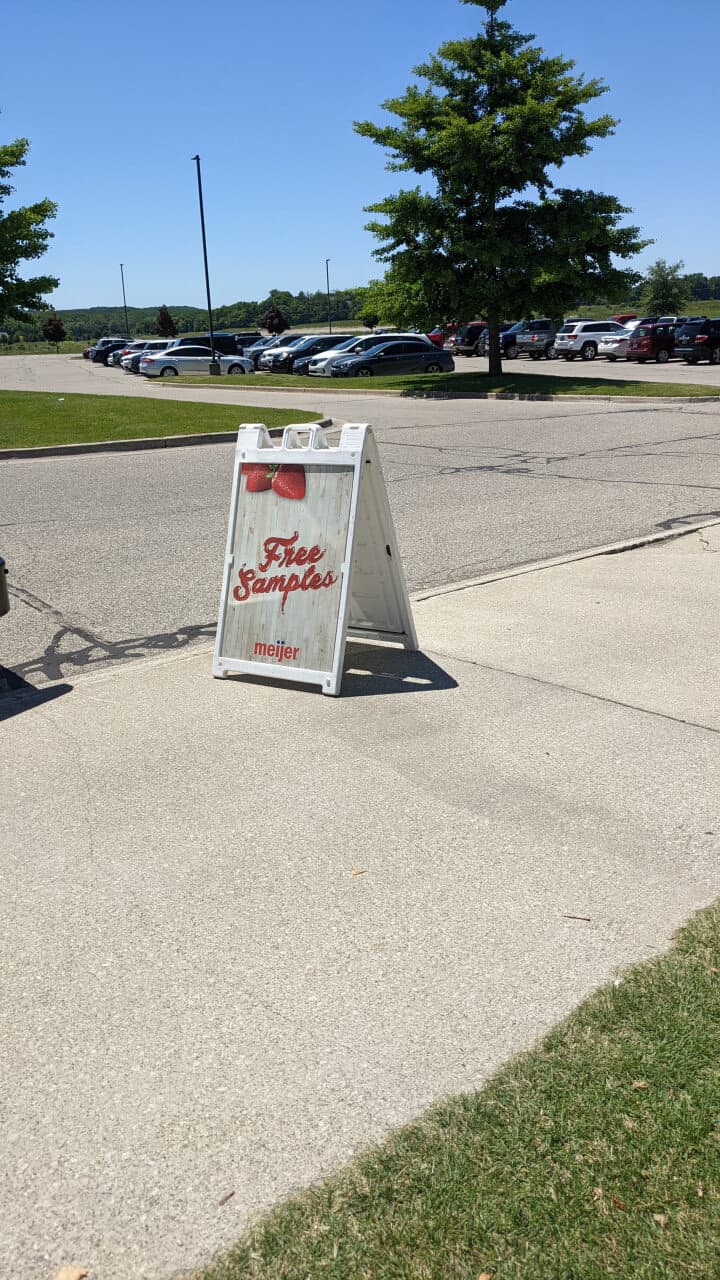
Product sampling remains the gold standard of in-store activation. When consumers can try before they buy, conversion rates skyrocket. But not all sampling programs are created equal.
What separates great demos from mediocre ones:
- Trained brand ambassadors who understand the product story, not just the features
- Strategic timing aligned with peak shopping hours and seasonal demand
- Compelling setups that draw attention from the aisle without creating congestion
- Clear calls to action that guide consumers from sample to shelf
At Air Fresh Marketing, every brand ambassador completes our proprietary video training modules before stepping foot in a store. They learn not just what the product does, but why it matters to the consumer. This depth of knowledge transforms a simple handout into a persuasive brand interaction.
2. Interactive Product Displays
Static endcaps and shelf talkers have their place, but interactive displays create engagement that passive signage cannot match. Modern in-store activations incorporate:
- Touchscreen experiences that let shoppers explore product benefits at their own pace
- Augmented reality elements that bring packaging to life
- Compare-and-contrast stations where consumers can see product advantages firsthand
- Before-and-after demonstrations that create visual proof of product efficacy
The key to successful interactive displays is simplicity. Shoppers are on a mission—they have limited time and attention. The best displays communicate value in under 10 seconds and reward deeper engagement for those who linger.
3. In-Store Events and Pop-Ups
Larger-scale in-store events create buzz that extends far beyond the activation day. These include:
- Launch events for new product introductions
- Seasonal celebrations tied to holidays or cultural moments
- Celebrity or influencer appearances that drive foot traffic
- Loyalty program events exclusive to retailer members
- Health and wellness clinics in pharmacy and natural foods sections
Our sampling services team specializes in coordinating multi-store event rollouts that maintain brand consistency while adapting to individual store layouts and demographics.
4. Endcap Takeovers and Secondary Placements
Winning the endcap is only half the battle—activating it is what drives sales. A retail marketing agency brings endcap displays to life through:
- Staffed demonstrations that convert passive displays into active selling opportunities
- Cross-merchandising that pairs complementary products for basket-building
- Limited-time offers that create urgency and drive immediate purchase
- QR code integrations that bridge the in-store experience to digital engagement
5. Associate Training and Advocacy Programs
Store associates are the unsung heroes of retail marketing. When they recommend your product, consumers listen. Smart retail marketing agencies invest in:
- Training sessions that educate associates on product benefits and differentiators
- Incentive programs that reward associates for recommendations
- Sample kits that let associates experience the product firsthand
- Quick-reference materials that help associates answer common consumer questions
#Planning Your In-Store Activation Campaign
Define Clear Objectives
Before activating in a single store, establish what success looks like:
- Trial generation: How many consumers do you want to sample?
- Sales velocity: What lift do you expect during and after activation?
- Distribution gains: Are you trying to secure or expand shelf space?
- Data collection: What consumer insights do you need to capture?
- Brand awareness: How will you measure increased consideration?
Select the Right Retail Partners
Not every retailer is right for every activation. Consider:
- Shopper demographics: Does the retailer's customer base align with your target audience?
- Store traffic patterns: When and where do shoppers engage most?
- Retailer programs: What activation opportunities does the retailer formally offer?
- Competitive landscape: What is your share of shelf versus competitors?
Staff with Expertise
The quality of your activation staff determines the quality of your results. At Air Fresh Marketing, we use GPS check-in technology to verify that every brand ambassador arrives on time and at the correct location. Our real-time reporting dashboard gives brands visibility into activation performance as it happens—not days or weeks later.
What to look for in activation staff:
- Product knowledge depth, not just surface-level talking points
- Natural conversational ability that does not feel scripted
- Adaptability to different shopper types and communication styles
- Professional appearance that aligns with brand standards
- Reliability verified through technology, not just trust
Measure Everything
The best retail marketing agencies obsess over measurement. Every activation should generate data on:
- Engagement rate: What percentage of passersby stopped?
- Conversion rate: What percentage of engaged shoppers purchased?
- Samples distributed: How efficiently were resources used?
- Sales lift: What was the before, during, and after impact on velocity?
- Consumer feedback: What qualitative insights emerged?
#Common Mistakes in Retail Activation
Mistake 1: Treating All Stores the Same
A Costco warehouse in suburban Texas requires a fundamentally different approach than a Whole Foods in downtown Manhattan. Cookie-cutter programs waste budget and underperform. Effective retail marketing agencies customize by:
- Adjusting messaging to local demographics
- Scaling staff and materials to store traffic levels
- Timing activations to store-specific peak hours
- Adapting display configurations to available space
Mistake 2: Under-Investing in Staff Training
Sending untrained staff into stores is worse than not activating at all. A poorly informed brand ambassador can actually damage brand perception. Invest in comprehensive training that covers product knowledge, brand voice, objection handling, and retailer-specific protocols.
Mistake 3: Activating Without Retail Alignment
Retailers have rules, preferences, and priorities. Launching an activation without retailer buy-in creates friction that undermines results. Work with your retail marketing agency to:
- Secure proper authorization and permits
- Align with retailer promotional calendars
- Coordinate with store management on setup and breakdown
- Respect traffic flow and safety requirements
Mistake 4: Ignoring the Post-Activation Period
The days and weeks after an activation are critical. Sales lift should persist beyond the event itself if the activation was effective. Plan for:
- Shelf replenishment to prevent out-of-stocks during velocity spikes
- Follow-up digital engagement with consumers who provided contact information
- Retailer communication to share results and build the case for ongoing support
- Post-event analysis to optimize future activations
#Industry-Specific Activation Strategies
Food and Beverage
- Cooking demonstrations that showcase recipe versatility
- Flavor comparison stations for new product extensions
- Pairing events that drive multi-item basket building
- Health-focused sampling in perimeter departments
Consumer Electronics
- Hands-on demo stations with guided product exploration
- Setup assistance that reduces purchase anxiety
- Side-by-side comparisons with competitor products
- Accessory attachment programs that increase average transaction value
Health and Beauty
- Skin analysis consultations that personalize recommendations
- Application demonstrations that build usage confidence
- Fragrance events that create sensory experiences
- Bundle promotions that increase units per transaction
Home and Garden
- DIY demonstrations that inspire project purchases
- Seasonal activations tied to home improvement cycles
- Expert consultations that reduce decision complexity
- Before-and-after showcases that visualize product impact
#Scaling Your In-Store Program
Successful activations deserve scale. When you are ready to expand from pilot to national rollout, consider:
- Geographic phasing: Start in high-priority markets and expand based on results
- Staff recruitment: Ensure your agency has depth in all target markets
- Supply chain alignment: Coordinate with distribution to ensure product availability
- Technology infrastructure: Deploy reporting tools that provide visibility at scale
- Retailer relationships: Leverage success data to expand into additional chains
#The Future of In-Store Activation
Retail marketing is evolving rapidly. The most forward-thinking brands are integrating:
- Retail media networks that connect in-store activations to digital advertising
- First-party data capture that builds direct consumer relationships
- Sustainability messaging that resonates with conscious consumers
- Omnichannel experiences that blur the line between physical and digital
- AI-powered personalization that tailors in-store interactions to individual shoppers
#Choosing the Right Retail Marketing Agency
When evaluating retail marketing partners, prioritize agencies that offer:
- National reach with local market expertise
- Technology-enabled accountability including GPS verification and real-time reporting
- Deep retail relationships across major chains
- Comprehensive training programs that ensure staff quality
- Transparent measurement that proves ROI
The right retail marketing agency does not just execute activations—they partner with you to build a sustainable in-store strategy that drives growth quarter after quarter.
#Conclusion
In-store activations remain one of the most powerful tools in a brand's marketing arsenal. When executed by a skilled retail marketing agency with trained staff, strategic planning, and rigorous measurement, they deliver ROI that few other channels can match.