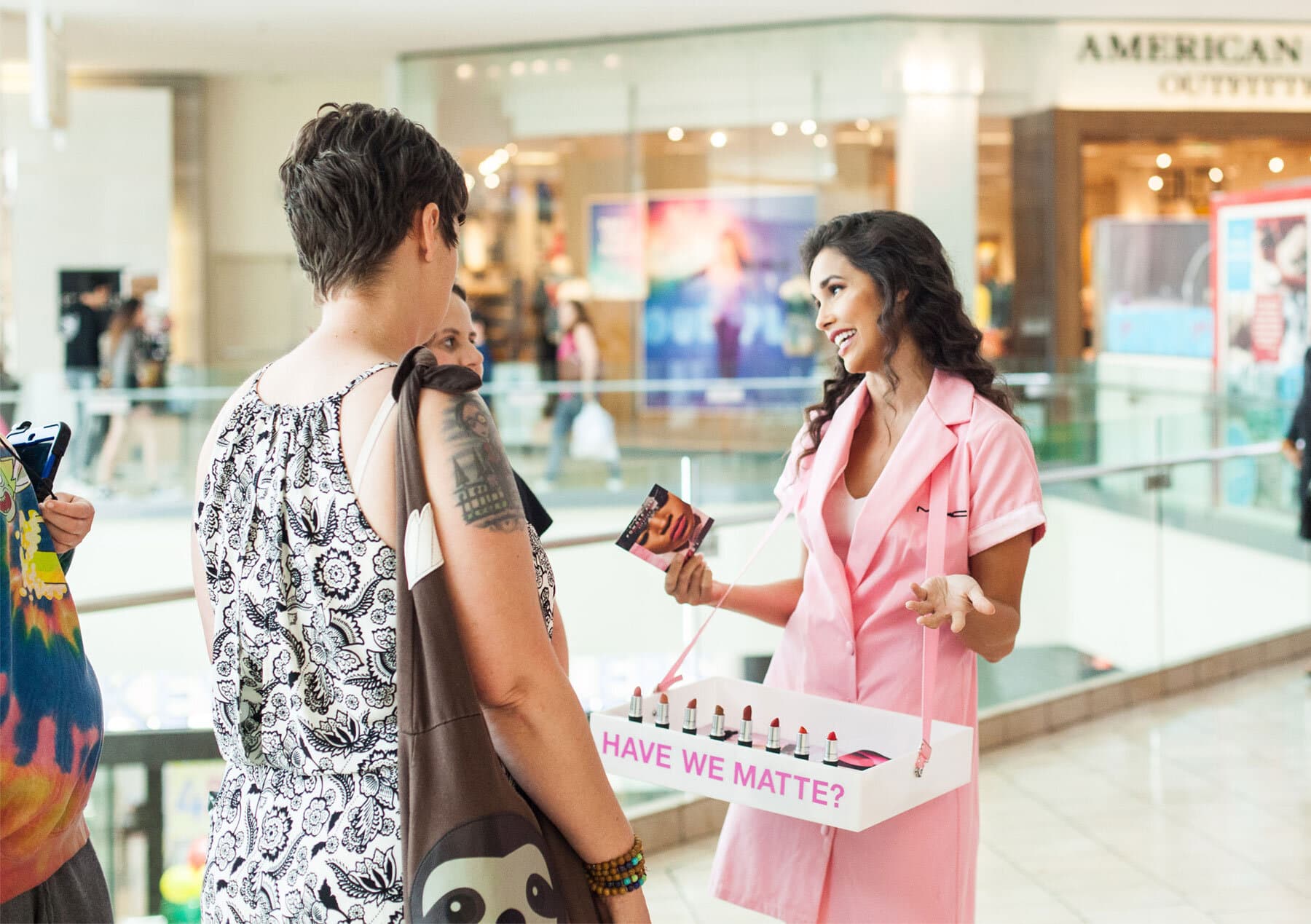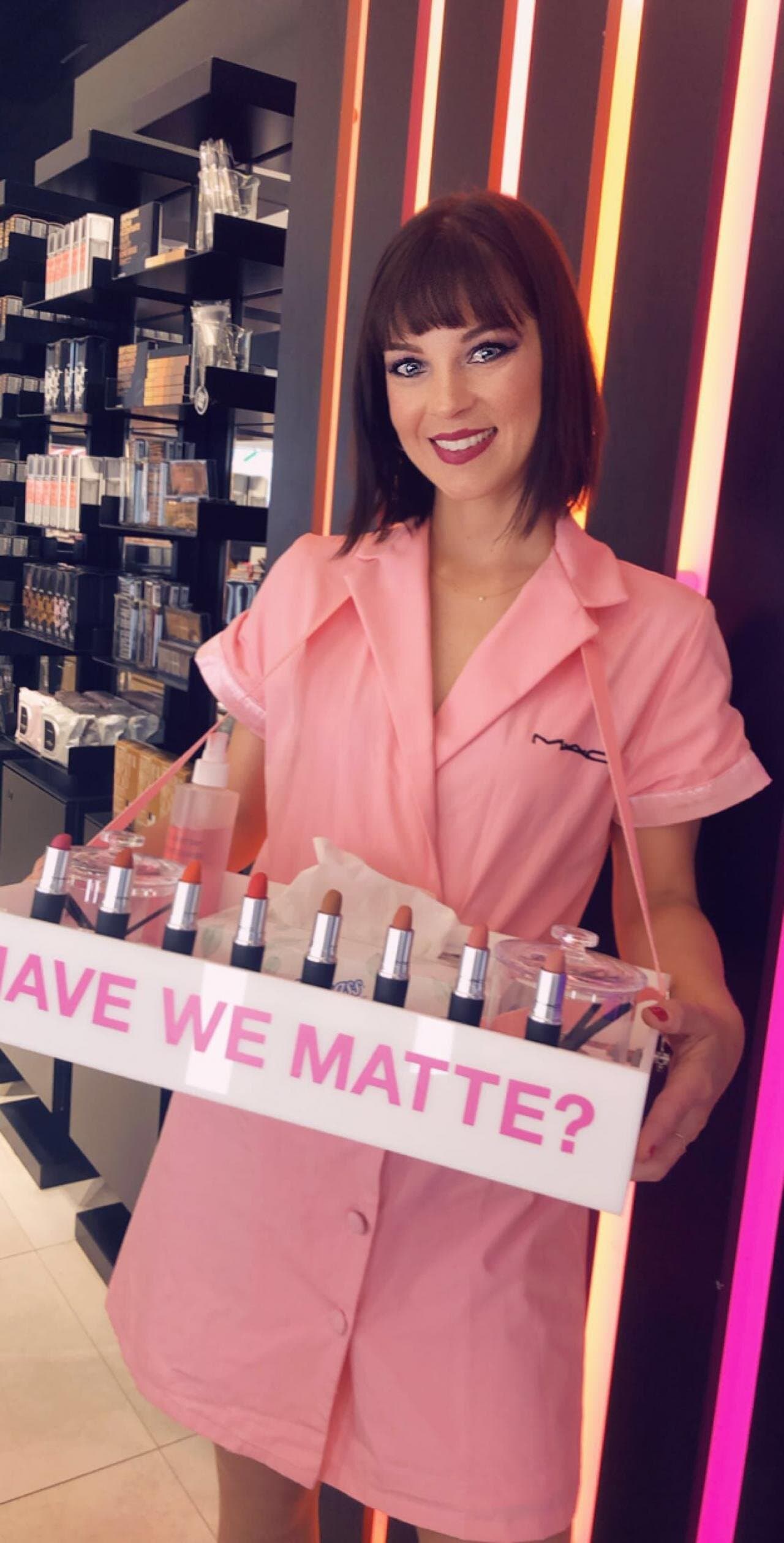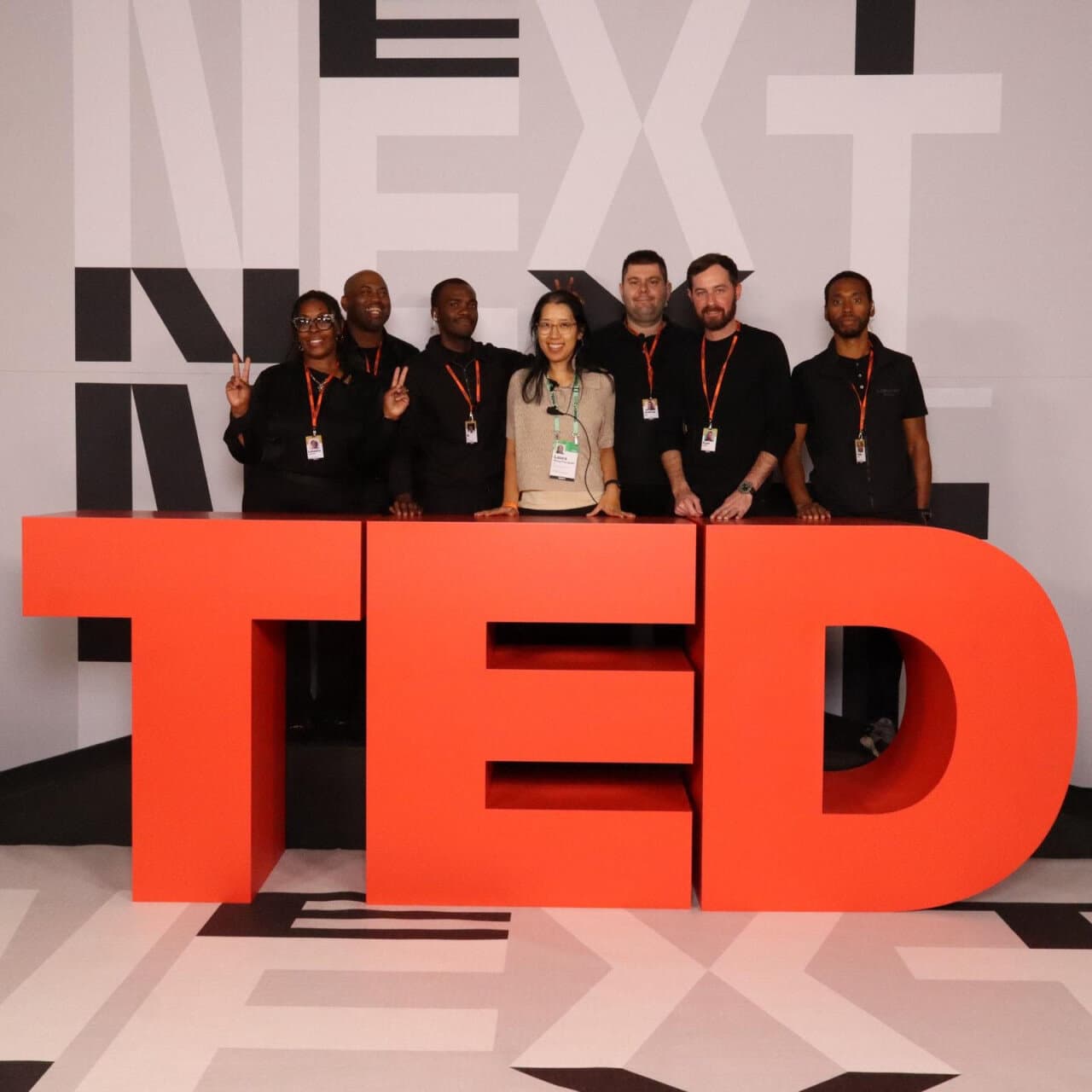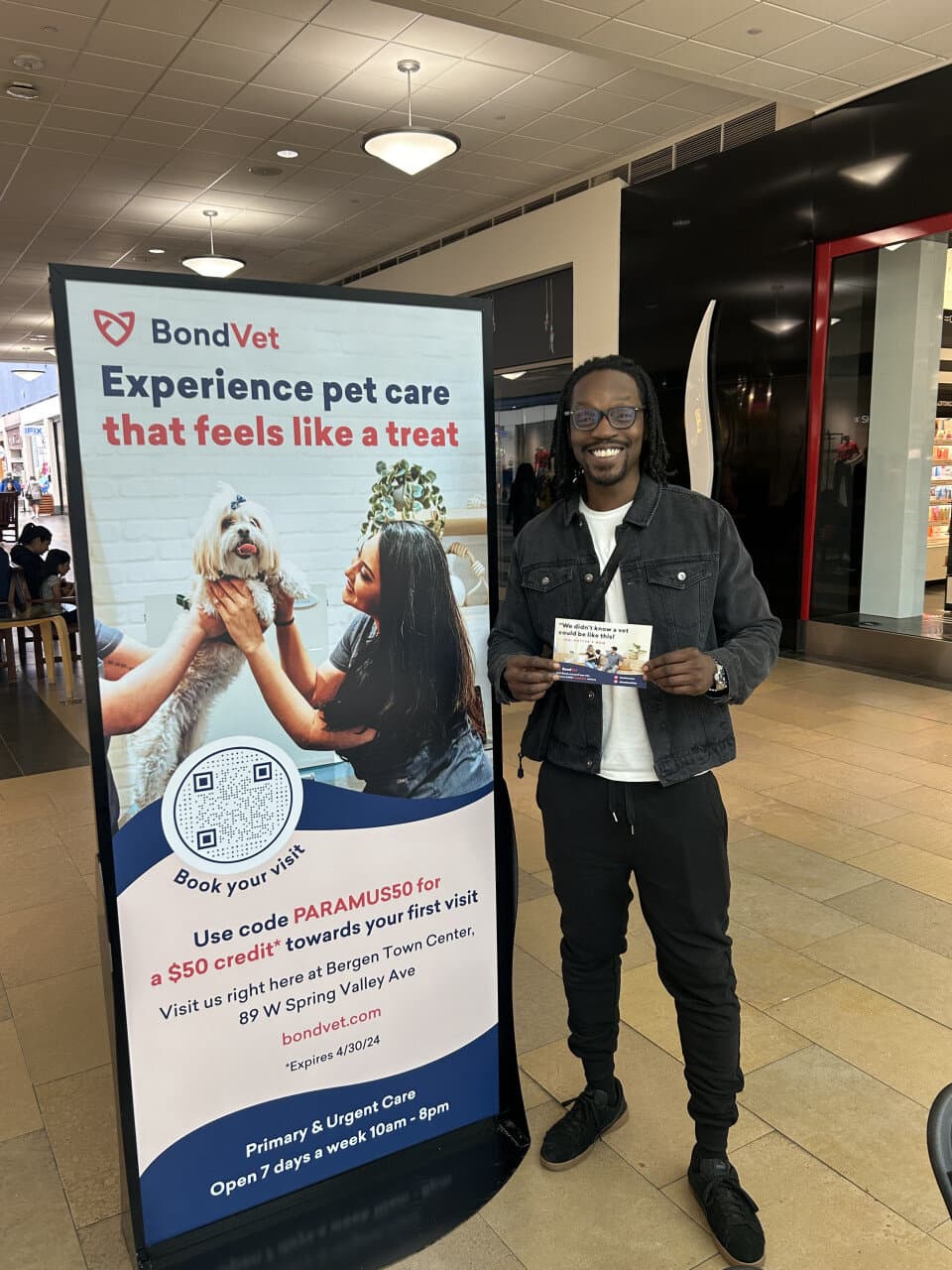
The most common mistake brands make with event staff is providing a rigid, word-for-word script and expecting staff to recite it verbatim. Attendees at events are not watching infomercials — they are having real interactions with real people. The moment a brand ambassador sounds like they are reading from a teleprompter, the attendee's guard goes up and the conversation dies.
The best brand ambassadors sound completely natural while consistently communicating your key messages, addressing common questions, and guiding conversations toward your desired outcome. This is not improvisation — it is the result of great training on flexible talking points that give staff the substance without the stiffness.
Scripts vs. Talking Points: The Critical Difference
A script dictates exact words: "Hi there! Welcome to the XYZ booth. Did you know that our product is the number one rated widget in the industry?"
Talking points provide content and direction: "Greet attendees warmly. If they show interest, mention our industry-leading rating and ask what they are currently using."
The talking point approach gives staff the information they need while allowing them to adapt their language, tone, and approach to each individual interaction. Different attendees respond to different communication styles — a talking-point-trained ambassador can adjust in real time.
Building Effective Talking Points
The Opening
The opening should be a genuine conversation starter, not a sales pitch. Effective openings include questions about the attendee's experience at the event, observations about what they are looking at or carrying, and casual introductions that lead naturally into product discussion.
Bad opening: "Can I tell you about our amazing new product?" Good opening: "Hey, how's your day going at the show? Seen anything cool so far?"
The goal of the opening is to start a conversation, not deliver a pitch. Once rapport is established, the product conversation flows naturally.
Three Key Messages
Distill your brand's value proposition into exactly three key messages that every staff member should communicate during every meaningful interaction. Three is the magic number because attendees can remember three points but not seven. Examples might include your product's key differentiator, a specific benefit relevant to the event audience, and a call to action.
Objection Responses
Anticipate the five most common objections or skeptical questions your staff will face and provide clear, honest responses. Common objections include price concerns, competitor comparisons, ingredient or quality questions, and "I already use another brand" statements.
Train staff to acknowledge objections respectfully rather than dismissing them. "That is a great question" or "I hear that a lot" validates the attendee and creates space for a productive conversation.
The Close
Every interaction should end with a clear next step. For trade shows, this might be capturing a lead. For product sampling, it could be pointing to the retail shelf location. For brand awareness events, it might be encouraging a social media follow or photo share.
Train staff on multiple closing approaches because different conversations call for different closes. A buying signal close, a soft ask close, and a simple goodbye-with-information close cover most scenarios.
Training Methods That Work
Video-Based Product Training
Create a 10 to 15 minute video that walks through your product, brand story, key messages, and event goals. Staff can watch this on their own time and revisit sections as needed. Video is more engaging and memorable than written documents for product education.
Your event staffing agency should facilitate video distribution and track completion to ensure all staff arrive prepared.
Role Play Sessions
Nothing prepares staff for real conversations like practicing fake ones. Conduct role play sessions where staff practice their openings, key messages, objection handling, and closes with each other and with the brand team. Five minutes of role play reveals communication habits — good and bad — that no amount of document review uncovers.
On-Site Coaching
Assign a team lead or brand representative to observe and coach staff during the first hour of the event. Real-time feedback on conversation quality, message accuracy, and engagement technique is the most impactful training you can provide.
Post-Event Feedback
After the event, collect self-assessments from staff and performance evaluations from supervisors. What messages resonated most with attendees? What questions came up that the brief did not address? What objections were hardest to handle? This feedback loop improves training for future events.
Common Training Mistakes
Over-Scripting
If your training document is longer than two pages, staff will not read it thoroughly. Condense your training to the essential information and deliver the rest verbally or via video.
Assuming Knowledge
Never assume staff know your brand, your product category, or your competitive landscape. Start training from zero and build up. Even experienced brand ambassadors need product-specific training for every new brand they represent.
Neglecting Soft Skills
Product knowledge without interpersonal skills produces a walking product specification sheet. Train staff on conversation techniques, body language, energy management, and the art of reading attendee interest levels.
Professional Brand Ambassador Training from Air Fresh Marketing
Air Fresh Marketing's experiential marketing agency team develops custom training programs for every client activation. We combine video training, written talking points, role play sessions, and on-site coaching to ensure your corporate event staffing team delivers brand-perfect messaging at every interaction.
Our training approach produces brand ambassadors who are knowledgeable, natural, and effective — the combination that drives real results at events in Los Angeles, New York, Chicago, Denver, and every market we serve.
Get a quote for your next event, or contact us to discuss your brand ambassador training needs.