Brand ambassador training is the most consistently underfunded and under-systematized element of experiential marketing programs. Brands spend significant budget on event sponsorships, booth builds, and ambassador recruitment, then allocate 2-3 hours to training and wonder why field performance is inconsistent. This guide provides the complete framework for training brand ambassadors in 2026.
Why Most Brand Ambassador Training Fails
The typical brand ambassador training program consists of a PDF brand brief emailed 48 hours before the event, a 30-minute group call the morning of, and a vague expectation that enthusiastic people will figure it out. This approach produces inconsistent brand representation, avoidable consumer experience failures, and frustrated ambassadors who feel unprepared.
Effective training requires:
- Sufficient lead time (minimum 5-7 days before deployment)
- Multiple modalities (written, video, live practice)
- Knowledge assessment before deployment
- Clear performance expectations with measurable outcomes
- Real-time feedback during events
- Post-event debrief and continuous improvement
The Training Content Framework
Module 1: Brand Foundation
Brand story, founding history, mission and values, positioning versus competitors, and the emotional narrative behind the brand. Ambassadors who understand why the brand exists communicate more authentically than those who have memorized product specs.
For Air Fresh Marketing brand ambassadors, brand foundation training includes understanding the client's category, competitive landscape, and the specific consumer insight the brand is addressing.
Module 2: Product/Service Knowledge
Detailed product training covering features, benefits, how to demonstrate, how to answer technical questions, and what to do when you don't know the answer. Include the most frequently asked consumer questions and approved answers for each.
Product knowledge training should include hands-on time with the product. Ambassadors who have used the product themselves are dramatically more credible than those who have only read about it.
Module 3: Consumer Engagement Skills
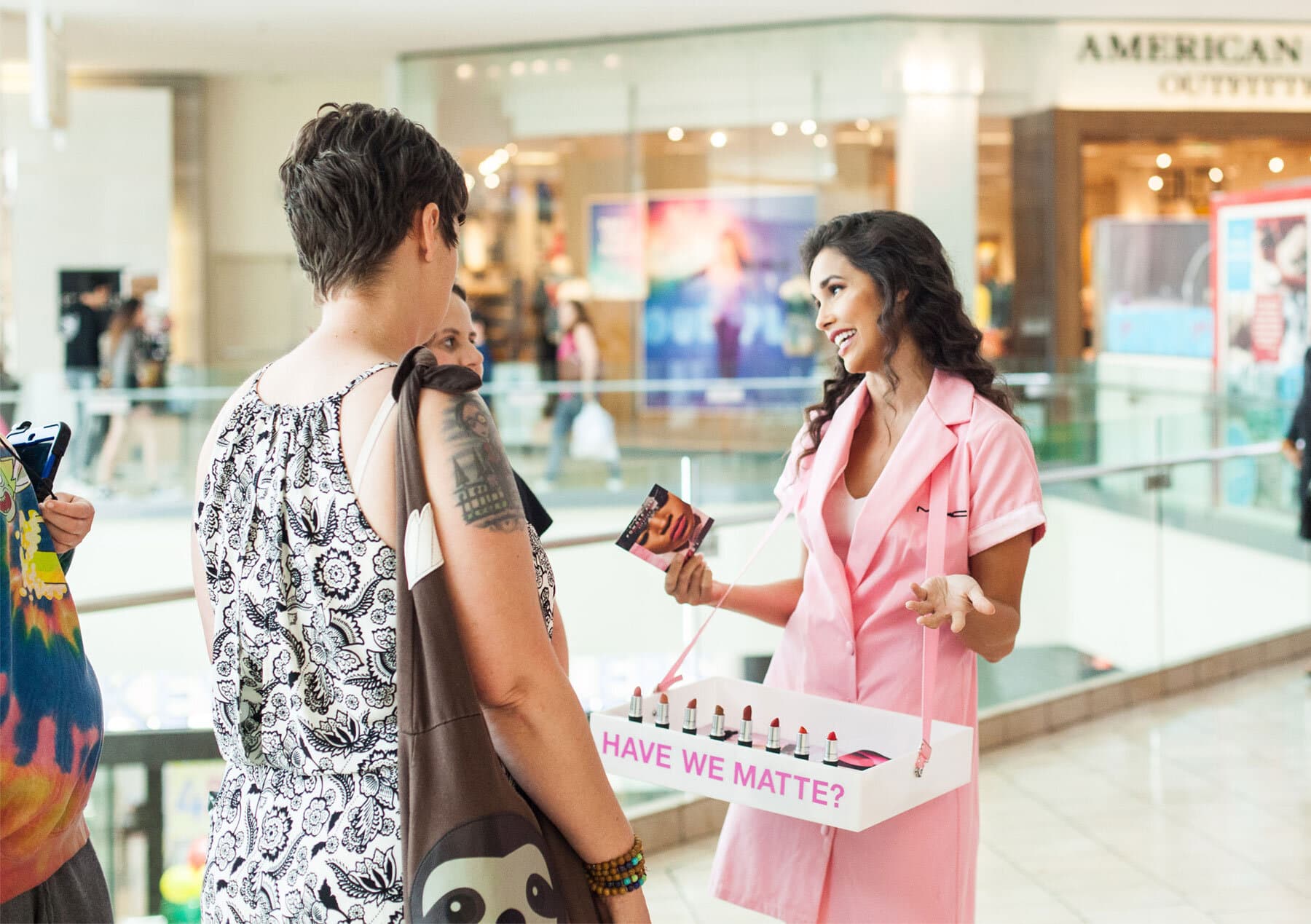
How to approach consumers, open conversations, transition from small talk to brand conversation, handle objections, and close interactions with a clear call to action. This module should include live role play with feedback, not just written guidance.
The OPEN framework works well for ambassador consumer engagement training:
- Observe: Notice consumer behavior and mood before approaching
- Personalize: Tailor the opening based on what you observe
- Engage: Ask a question rather than launching into a pitch
- Navigate: Guide toward brand conversation based on consumer response
Module 4: Event-Specific Logistics
Location, venue map, staff positions, shift times, break protocols, reporting chain, performance metrics being tracked, and what constitutes a successful interaction at this specific event. Generic training is insufficient. Ambassadors need event-specific operational knowledge.
Module 5: Compliance and Legal
Depending on the brand category, this module covers what staff can and cannot say, FDA and FTC regulations (for health and supplement brands), alcohol beverage service compliance (for beverage brands), data collection consent requirements, and on-site incident reporting protocols.
This module is non-negotiable for promotional staffing in regulated categories. A single non-compliant claim made by an untrained ambassador can create significant legal exposure.
Module 6: Brand Representation Standards
Appearance standards, uniform requirements, social media policy (what ambassadors can and cannot post about the event), professional conduct expectations, and escalation paths for consumer conflicts.
Training Delivery Methods
Pre-Event Online Training: Asynchronous modules that ambassadors complete independently before a live briefing. Digital training platforms with knowledge checks ensure consistent understanding across large teams.
Live Virtual Briefing: A synchronous call (Zoom or equivalent) 24-48 hours before deployment where the brand manager reviews key points, answers questions, and conducts role play practice.
Day-of In-Person Briefing: 30-60 minute on-site briefing before doors open. Cover event-specific logistics, handle last-minute questions, and build team energy and alignment.
Real-Time Coaching: Field managers or senior staff observe ambassador interactions throughout the event and provide immediate feedback. This coaching loop is the highest-impact training investment per hour and is consistently skipped by under-resourced programs.
Post-Event Debrief: Structured reflection with ambassadors on what worked, what didn't, and what they would do differently. Ambassador insights from the field often surface consumer objections and questions that improve future training.
Performance Standards and KPIs
Ambassador performance should be measured against explicit, pre-communicated standards:
- Consumer interactions per hour
- Conversion rate (samples-to-sign-ups, interactions-to-lead-captures, depending on campaign goal)
- Script adherence score (if evaluated by field manager)
- Consumer satisfaction scores (if captured via post-interaction survey)
- Social content created and posted
Air Fresh Marketing's brand ambassador agency uses standardized performance frameworks and provides real-time field management to maintain quality across all deployments. Our professional 1099 contractor model means staff are accountable professionals, not unmanaged gig workers who can walk off a shift without consequence.
Contact Air Fresh Marketing to discuss training program design for your ambassador campaign, or explore our experiential marketing agency services for end-to-end program management. Get a quote today.