The terms get used interchangeably, but they're different tools for different jobs.
Understanding the distinction helps you choose the right approach - and avoid expensive mismatches.
The Core Difference
Brand Ambassadors represent your brand in physical spaces. They interact face-to-face with consumers. Their value is in direct engagement.
Influencers represent your brand in digital spaces. They create content that reaches their audience. Their value is in reach and authenticity.
Both are important. Neither replaces the other.
When Brand Ambassadors Win
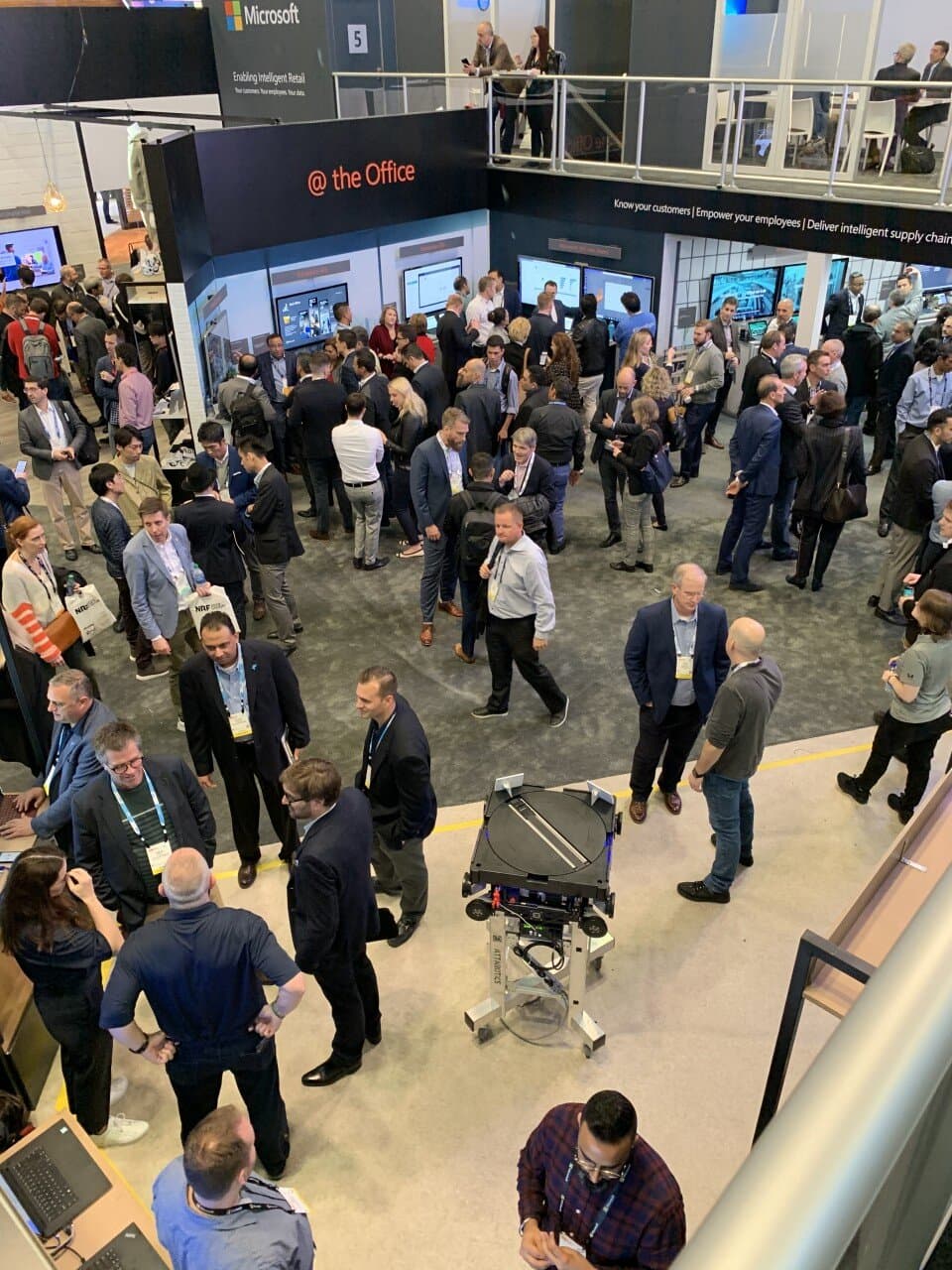
Trade Shows and Events
No amount of Instagram content replaces a knowledgeable person in your booth answering questions, demonstrating products, and qualifying leads.
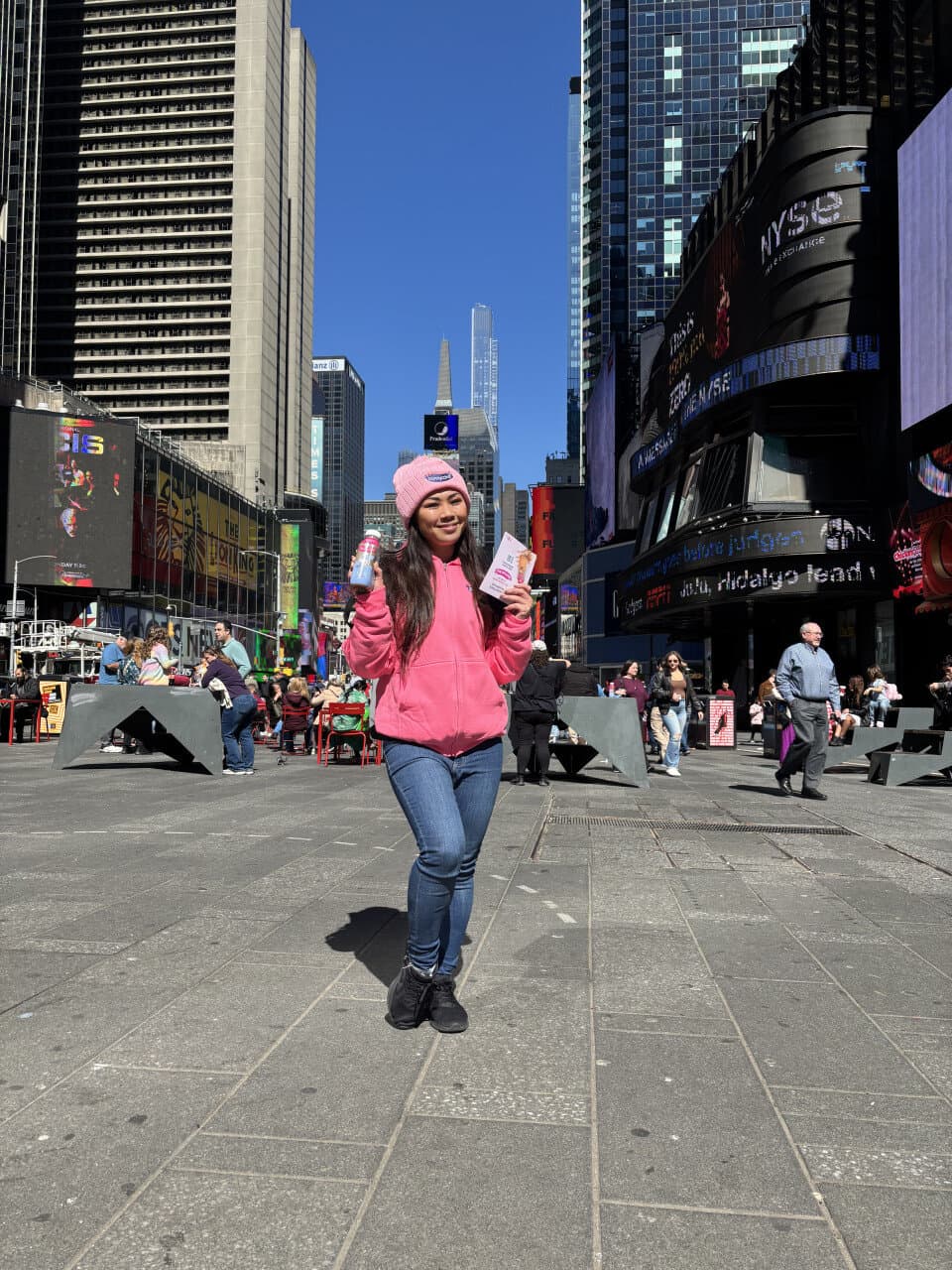
Product Sampling
Someone needs to hand out the samples, explain the benefits, and create positive associations. That's brand ambassador work.
Retail Activations
In-store demos, product launches, and retailer relationships require physical presence.
High-Consideration Products
Complex products that require explanation and demonstration need human interaction.
Local/Regional Focus
When you're activating in specific markets, local brand ambassadors create community connection.
When Influencers Win
Scale
One influencer can reach millions. One brand ambassador can reach hundreds per day.
Digital-Native Products
Apps, subscriptions, and online services benefit from digital demonstration.
Lifestyle Association
Influencers help consumers imagine products in their own lives through aspirational content.
Social Proof
Third-party endorsement from trusted voices carries weight, especially for new brands.
Geographic Reach
Influencers can reach audiences regardless of physical location.
When You Need Both
The most effective programs combine both:
- Influencer drives awareness - Creates interest and consideration
- Brand ambassador closes - Converts interest into trial or purchase
Example: An influencer creates content about a new beverage. Consumers become aware. At the grocery store, a brand ambassador offers samples and coupons. The influencer opened the door; the ambassador walked them through it.
The Measurement Difference
Brand Ambassador Metrics:
- Samples distributed
- Leads captured
- Direct sales/redemptions
- Consumer interactions
- Qualitative feedback
Influencer Metrics:
- Reach/impressions
- Engagement rate
- Click-through rate
- Conversion attribution
- Brand sentiment
Different KPIs for different channels.
The Cost Reality
Brand Ambassadors: Priced by team size and duration, scaled to the experience level the activation requires.
Influencers: Flat fees ($1K-$500K+) or performance-based. Costs relate to audience size and engagement.
Neither is "cheaper." They're investments in different outcomes.
The Quality Question
Both categories have quality ranges:
Great brand ambassadors: Knowledgeable, engaging, reliable, professional Poor brand ambassadors: Unprepared, disengaged, no-shows
Great influencers: Authentic connection, engaged audience, creative content Poor influencers: Fake followers, disengaged audience, generic content
Vetting matters in both categories.
Air Fresh Marketing provides brand ambassadors. We also coordinate with influencer agencies when combined programs make sense. We understand where each fits. 303-720-6060