How to run a college campus marketing campaign is a question that an increasing number of brands are asking as they compete for the attention and loyalty of Gen Z consumers. College campuses concentrate 18 to 24 year olds in defined geographic spaces with predictable routines, shared cultural touchpoints, and high social media activity. A well-executed campus activation can reach thousands of students in a single day and generate social content that extends your reach to millions.
But campus marketing comes with unique challenges including university policies, seasonal timing, generational communication preferences, and the healthy skepticism that Gen Z brings to brand interactions.
Why Campus Marketing Works
Concentrated Target Audience
A large university puts 30,000 to 60,000 students in a walkable environment. No other marketing channel gives you this level of geographic audience concentration for the 18 to 24 demographic.
Habit Formation Period
College is when consumers establish brand preferences that persist for decades. The phone, laptop, beverage, clothing, financial products, and apps that students adopt in college often remain their defaults into adulthood. Winning college consumers is a long-term brand investment.
Social Amplification
College students are among the most active social media users. A campus activation that is genuinely interesting, fun, or useful will be photographed, filmed, and shared across Instagram, TikTok, Snapchat, and BeReal by hundreds of students organically.
Word-of-Mouth Density
Campus communities are tight social networks. When students discover something they like, word spreads fast through dorms, dining halls, group chats, and Greek organizations. A strong campus impression creates exponential awareness growth.
Planning Your Campus Campaign
Step 1: Select Target Schools
Choose campuses based on:
- Enrollment size: Larger schools provide more reach per activation day
- Geographic diversity: Select schools across different regions to build national awareness
- Student demographics: Match campus demographics to your target consumer profile
- Greek life and student org activity: Active campus cultures generate more event participation
- Brand relevance: Schools where your product category has natural appeal (tech campuses for apps, athletic schools for sports brands)
Step 2: Navigate University Policies
Every campus has specific policies governing commercial activity:
- Vendor permits: Most universities require brands to apply for vendor permits weeks or months in advance
- Location restrictions: Some areas of campus are off-limits to commercial activations
- Distribution rules: Sampling policies vary. Some schools prohibit food sampling entirely while others require health department permits
- Noise and amplification: Sound restrictions apply in academic areas during class hours
- Student organization partnerships: Many universities require brands to sponsor through a registered student organization to access campus space
Contact each university's student activities office or campus events department early in your planning process. Some of the most desirable activation dates (welcome week, homecoming, spring fest) book months in advance.
Step 3: Choose Your Activation Format
High-Traffic Tabling
Set up in the student union, dining hall vicinity, or main campus thoroughfare:
- Low cost, high volume approach
- Effective for sampling, swag distribution, and sign-ups
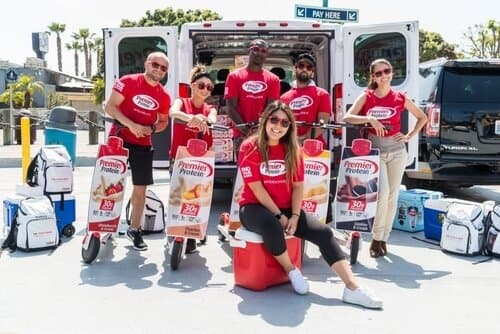
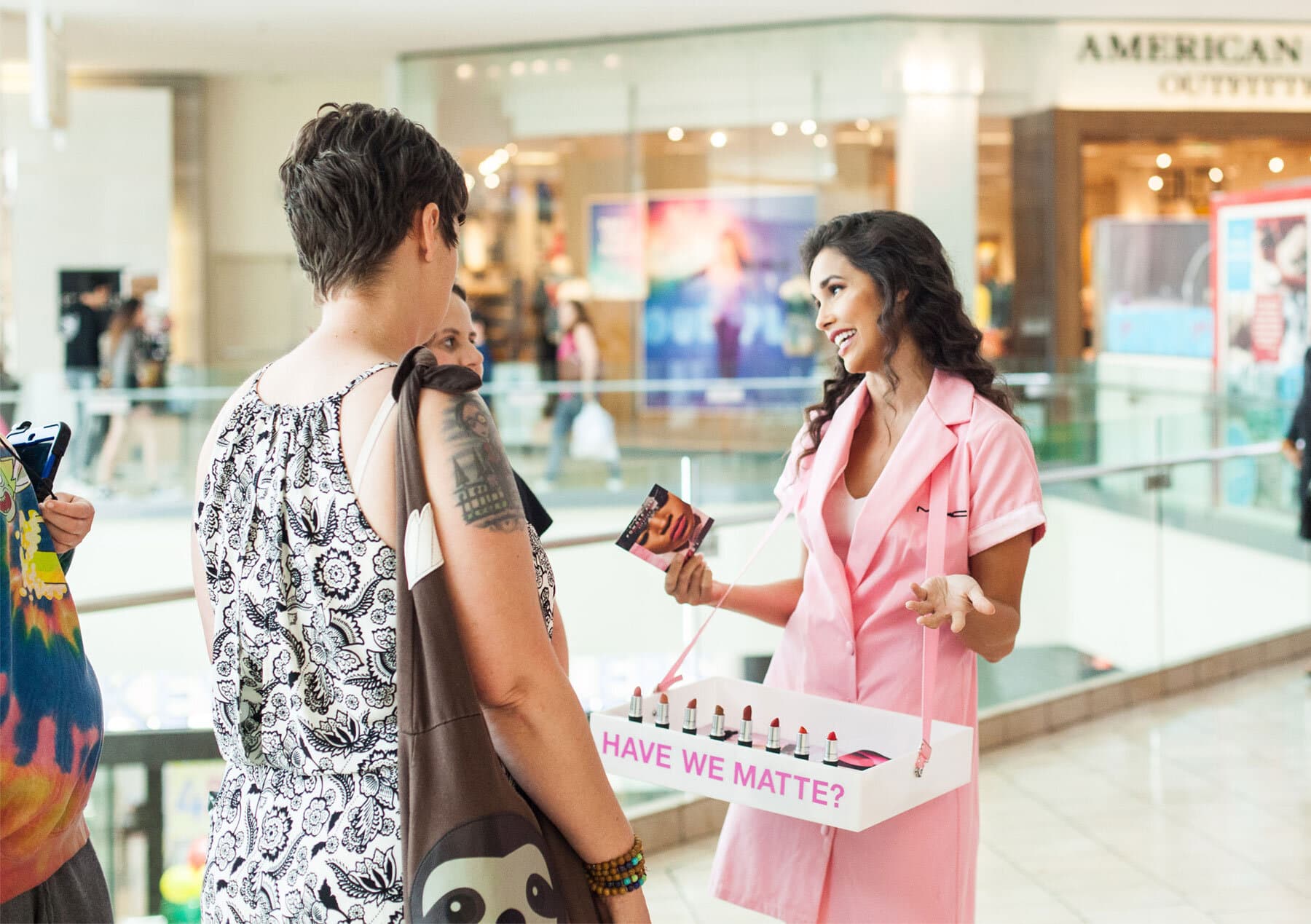
- Works best with eye-catching displays and energetic staff
Sponsored Events
Partner with student organizations to sponsor events:
- Concert pre-parties, tailgate activations, and cultural events
- Study break events in libraries and student centers during finals
- Athletic event activations before and during games
- Greek life events and philanthropy programs
Pop-Up Experiences
Create immersive brand moments on campus:
- Photo booths and social content stations
- Interactive games and competitions with prizes
- Product trial experiences with personalized engagement
- Themed activations tied to campus culture or current trends
Campus Brand Ambassador Programs
Recruit students as ongoing brand representatives:
- Student ambassadors promote your brand to their peer networks throughout the semester
- They host micro-events, distribute samples, and create social content
- The peer-to-peer authenticity of student ambassadors is unmatched by any external staffing approach
Step 4: Hire the Right Staff
Student Brand Ambassadors
The most effective campus activation staff are current students or recent graduates who:
- Understand campus culture, lingo, and social dynamics
- Have established social networks on campus
- Look and sound like the students they are engaging
- Can speak authentically about why they like the brand
Hiring current students from the target campus is ideal. They know the best activation locations, the campus schedule, and the social influencers who can amplify your campaign.
Professional Brand Ambassador Support
For larger activations, supplement student ambassadors with professional brand ambassadors who bring:
- Event management experience to run logistics
- Training skills to prepare student ambassadors
- Professional-grade lead capture and reporting
- Consistency across a multi-campus tour
Execution Best Practices
Timing Matters
- Welcome week and orientation: Highest engagement. Students are excited, open to new experiences, and establishing campus routines
- Homecoming week: Peak campus energy with alumni visits and school spirit events
- Spring semester start: Students return from break receptive to new brand experiences
- Avoid: Finals periods, spring break, and summer (low campus population)
Make It Shareable
Gen Z students will not share content that feels like advertising. Design activations that are:
- Genuinely fun: Games, competitions, and interactive experiences that students would enjoy even without the brand association
- Visually interesting: Bold colors, unique installations, and photogenic setups
- Participatory: Activations where students create something, not just receive something
- Branded but not corporate: Subtle branding that enhances rather than dominates the experience
Respect the Audience
Gen Z is skeptical of traditional marketing. Your campus activation must:
- Be transparent about who you are and what you are promoting
- Provide genuine value (useful products, real entertainment, actual savings)
- Avoid condescending language or assumptions about student life
- Respect data privacy and be clear about how you will use collected information
- Never make promises you cannot keep (prize fulfillment, coupon validity, product claims)
Mobile-First Data Capture
Forget paper forms. Students will not fill them out. Use:
- QR codes that link to mobile-optimized signup pages
- Text-to-join campaigns with instant reward delivery
- App downloads with immediate value (discount code, free content)
- Social media follows with on-the-spot verification for prizes
Measuring Campus Campaign Success
Quantitative Metrics
- Student interactions per hour per campus
- Samples or products distributed
- Email or phone number captures
- App downloads or social follows gained
- Coupon redemptions within 30 days
- Website traffic from campus locations during activation
Qualitative Metrics
- Social media content generated (volume, reach, sentiment)
- Student feedback and brand perception survey results
- Campus partner satisfaction for future relationship building
- Staff observations about student response and competitor presence
Launch Your Campus Campaign
Air Fresh Marketing manages campus marketing campaigns across universities nationwide with student brand ambassador programs and professional activation teams. Our approach combines peer-to-peer authenticity with professional execution and measurement.
Contact us to plan your campus marketing campaign or request a quote with your target schools, timeline, and campaign objectives.